
Celebrating Green: The Significance of China's Arbor Day
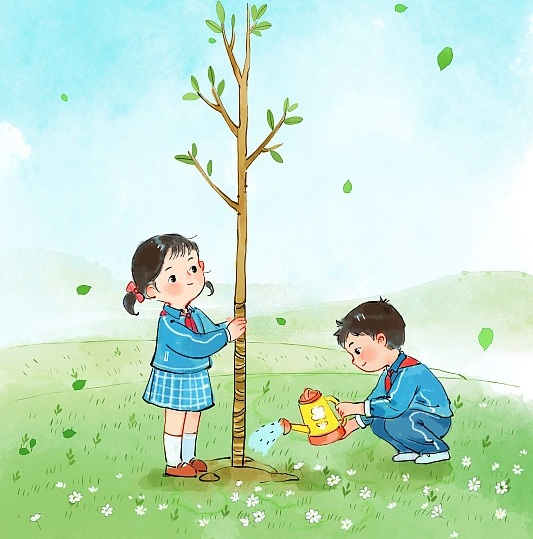
Every year on March 12th, a green wave sweeps across China. From bustling cities to rural hillsides, millions of people pick up shovels, grab saplings, and participate in one of the country's most meaningful annual traditions: China's Arbor Day.
But this day is more than just planting trees. It is a symbol of China's commitment to combating climate change, a reflection of ancient philosophies, and a powerful reminder of our individual role in protecting the environment.

The Roots of the Tradition
The story of China's Arbor Day is closely tied to the legacy of Dr. Sun Yat-sen. An early advocate of forestry and reforestation, Dr. Sun emphasized the importance of afforestation for China's development. To honor his contributions, the date of his passing, March 12th, was officially designated as Arbor Day in 1979.
Since then, it has grown from a symbolic gesture into the world's largest tree-planting campaign, driven by both government initiatives and public participation.
More Than Just Planting: Why It Matters
The significance of this day extends far beyond the act of planting. It addresses some of China's most pressing environmental challenges:
-
Combating Desertification: Northern China is home to vast desert areas. The "Three-North Shelter Forest Program" (also known as the Great Green Wall), often promoted on Arbor Day, is a massive reforestation project aimed at holding back the expansion of the Gobi Desert.
-
Improving Air Quality: Trees act as the lungs of the planet. They absorb pollutants and carbon dioxide while releasing life-giving oxygen, helping to improve air quality in China's rapidly growing urban centers.
-
Preserving Biodiversity: Reforestation efforts help restore natural habitats for countless species of plants and animals, rebuilding ecosystems that have been lost to development or agriculture.
-
Fostering a Green Mindset: Perhaps most importantly, Arbor Day plants a seed of environmental consciousness in the public mind. It's a hands-on way for citizens, especially children, to connect with nature and understand that environmental protection is a shared responsibility.
How People Participate
While planting a tree is the core activity, participation has evolved in the digital age:
-
Traditional Planting: Schools, companies, and community groups organize trips to designated planting sites. It's a day of teamwork, fresh air, and getting your hands dirty.
-
Digital "Ant Forest": A modern twist on the tradition is Alipay's "Ant Forest" initiative. Users earn "green energy" points by making low-carbon choices (like walking or paying bills online). Once enough energy is accumulated, the app plants a real tree in a dry, arid region of China. This gamifies environmentalism and has resulted in the planting of hundreds of millions of real trees.
A Personal Call to Action
You don't need to be a large corporation or a government body to make a difference. This March 12th, consider how you can participate in the spirit of Arbor Day:
-
Plant a Tree: If you have the space, plant a native tree in your yard or community.
-
Support Green Charities: Donate to organizations dedicated to reforestation in China.
-
Adopt a Tree: Some cities have programs where you can "adopt" a young tree in a local park and help care for it.
-
Reduce Your Paper Use: Conserving paper reduces the demand for wood, which is a simple way to protect forests every day.
China's Arbor Day is a powerful testament to what a nation can achieve when it unites for a common green goal. It's a day that honors the past, addresses the challenges of the present, and—most importantly—invests in a greener, healthier future for generations to come.
So, grab a shovel. Let's get planting.