

Ensuring your vehicle is safe for the road is a responsibility every driver shares, and one of the most critical safety components are your tyres. They are the only part of your car in direct contact with the road, and their condition can dramatically affect handling, braking, and overall stability. While many motorists know that worn tyres are dangerous, fewer are equipped with the right tools for regular checks. A modern, precise solution is the digital tyre tread depth gauge, an essential gadget that takes the guesswork out of one of the most important vehicle maintenance tasks.
The Critical Role of Tyre Tread in Road Safety
Tyre tread is the pattern of grooves and channels on the surface of your tyres. This design is not merely for aesthetics; it serves a crucial purpose. The primary function of tread is to provide grip on various road surfaces by creating friction. In wet conditions, these grooves are vital for channeling water away from the contact patch between the tyre and the road. This action prevents a dangerous phenomenon known as aquaplaning, where a layer of water builds up and causes the vehicle to lose traction, effectively skimming over the surface. As tread wears down, its ability to displace water diminishes significantly, drastically increasing braking distances and the risk of skidding. Most jurisdictions have a legal minimum tread depth—for example, 1.6mm in the UK and 2/32 of an inch in the United States. Driving with tyres below this limit is not only illegal and can result in hefty fines, but it also puts you, your passengers, and other road users at severe risk.
From Coins to Precision: The Evolution of Tyre Tread Measurement
For decades, drivers have relied on rudimentary methods for a quick tyre tread depth measurement. The most common of these is the 'coin test'. In the US, this involves inserting a penny into the tread groove with Lincoln's head upside down; if you can see the top of his head, your tread is likely below the legal limit. While this method is better than nothing, it is highly inaccurate and subjective. A more reliable, though still analogue, option has been the manual tread depth gauge, which provides a more precise reading but can still be prone to misinterpretation. The modern era of vehicle maintenance has ushered in a far superior tool: the electronic tyre depth gauge. This device replaces ambiguity with digital certainty, providing an exact measurement that is easy for anyone to read and understand, democratizing a key aspect of car safety.
Benefits of Using an Electronic Tyre Depth Gauge
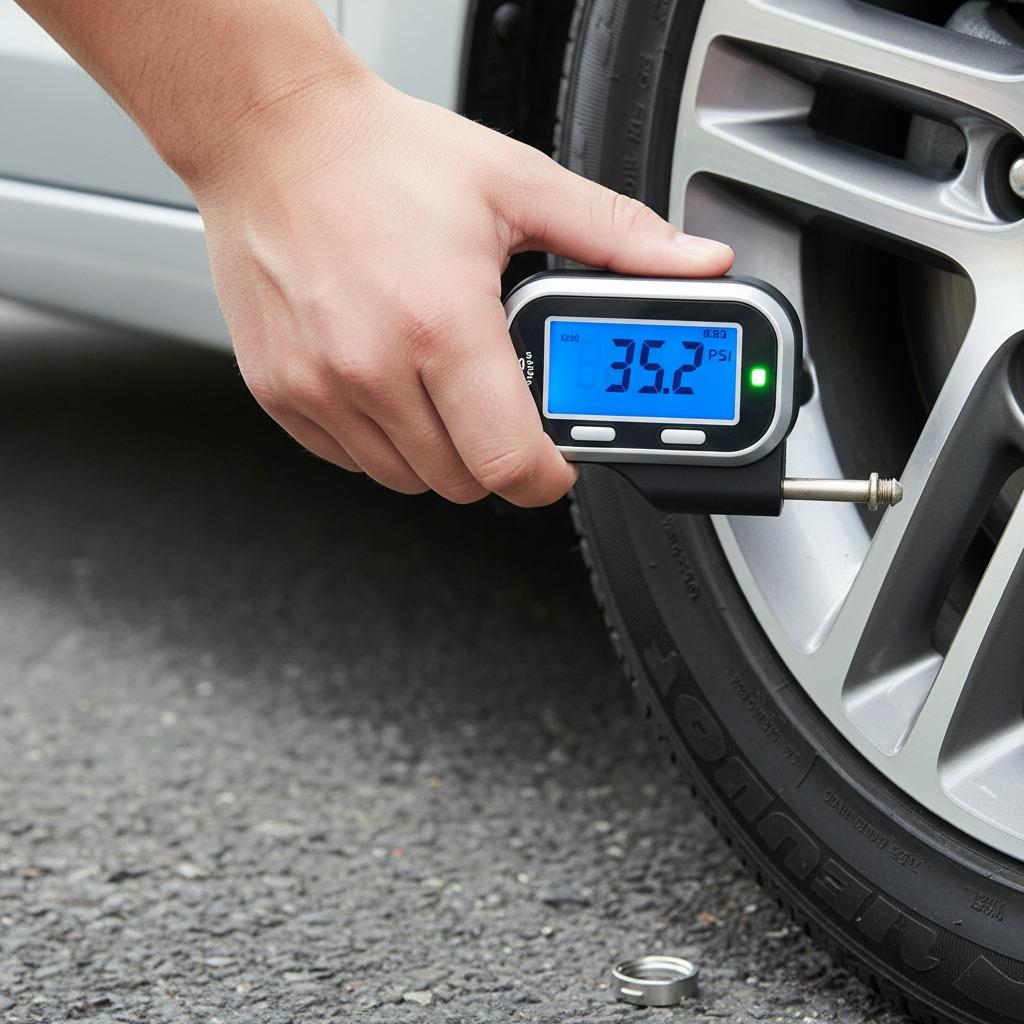
The advantages of switching to a digital tool for your tyre checks are numerous and compelling. The foremost benefit is unparalleled accuracy. Unlike the coin test or even some manual gauges, an electronic device provides a precise numerical reading, often to two decimal places, eliminating any guesswork. This accuracy is crucial when your tread is hovering near the legal limit. Another significant benefit is the sheer ease of use. A digital tyre depth measurement is as simple as turning the device on, placing it in the groove, and reading the number on the clear LCD screen. Many models feature the ability to switch between metric (millimeters) and imperial (inches) units with the press of a button, and a 'zero' function allows you to calibrate it on any flat surface for a perfect starting point. This consistency empowers car owners to perform their own reliable checks, fostering a proactive approach to maintenance. By regularly monitoring tyre wear, you can identify issues like poor alignment causing uneven wear long before they become serious problems.
A Practical Guide to Accurate Tyre Tread Depth Measurement
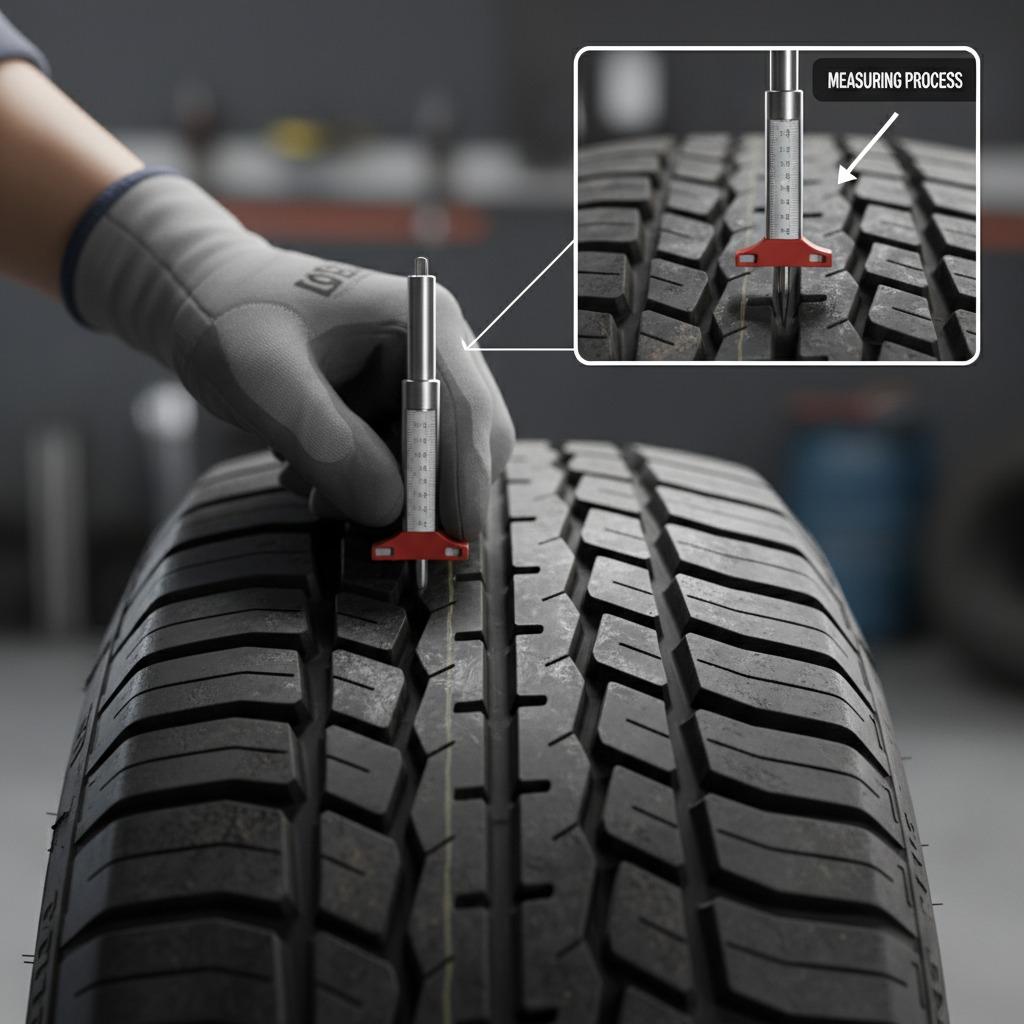
Using a digital tyre tread depth gauge is a straightforward process that anyone can master in minutes. First, ensure your car is parked on a level surface to get an accurate reading. Turn on the device and press the 'zero' button while the tip is pressed against a flat, hard surface, like a piece of glass or the gauge's own casing. Next, identify the main circumferential grooves of the tyre; you should avoid measuring on the raised tread blocks or the wear indicator bars that sit inside the grooves. Place the base of the gauge firmly across the tread blocks so it spans the groove you wish to measure. Gently press down so that the pin probe extends to the bottom of the groove. The exact measurement will be clearly displayed on the screen. It is vital to repeat this process at several points around the tyre's circumference and across its width—in the inner, middle, and outer grooves. This comprehensive check will not only confirm the depth but also reveal any uneven wear patterns that might signal an underlying issue with tyre pressure or wheel alignment. Remember to check all four tyres, as they can wear at different rates.
Investing in Safety and Peace of Mind
Ultimately, a tyre's condition is a direct reflection of your vehicle's safety. Worn tyres are a leading contributor to road accidents, and regular monitoring is the most effective way to mitigate this risk. The small investment in a quality digital tyre tread depth gauge pays for itself many times over in peace of mind and, more importantly, in enhanced safety. It transforms tyre maintenance from an ambiguous chore into a simple, quick, and precise task. By making a five-minute check a regular part of your routine—perhaps once a month and before any long journey—you are taking a definitive step towards protecting yourself and others on the road. This simple device is an indispensable tool for the modern, safety-conscious driver.