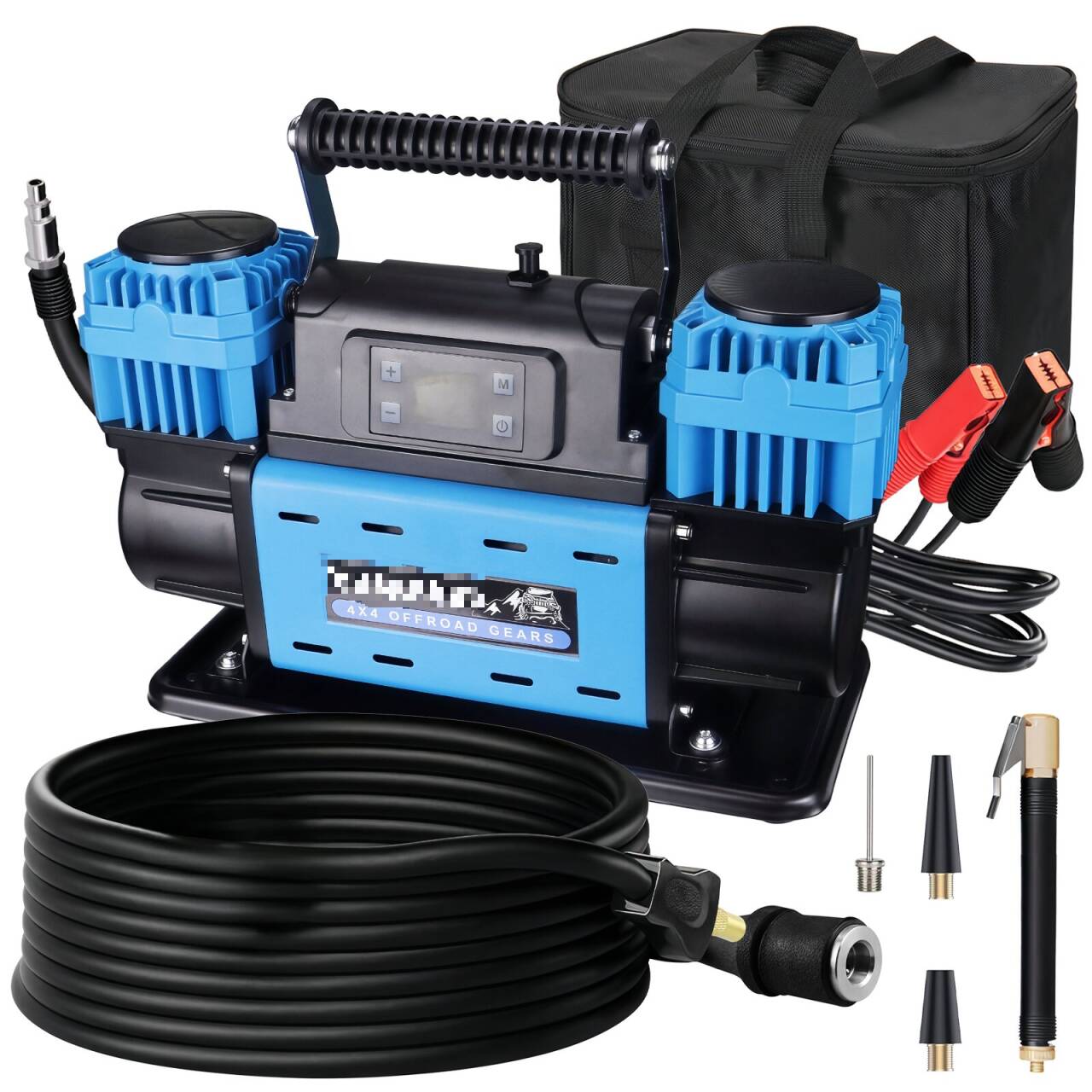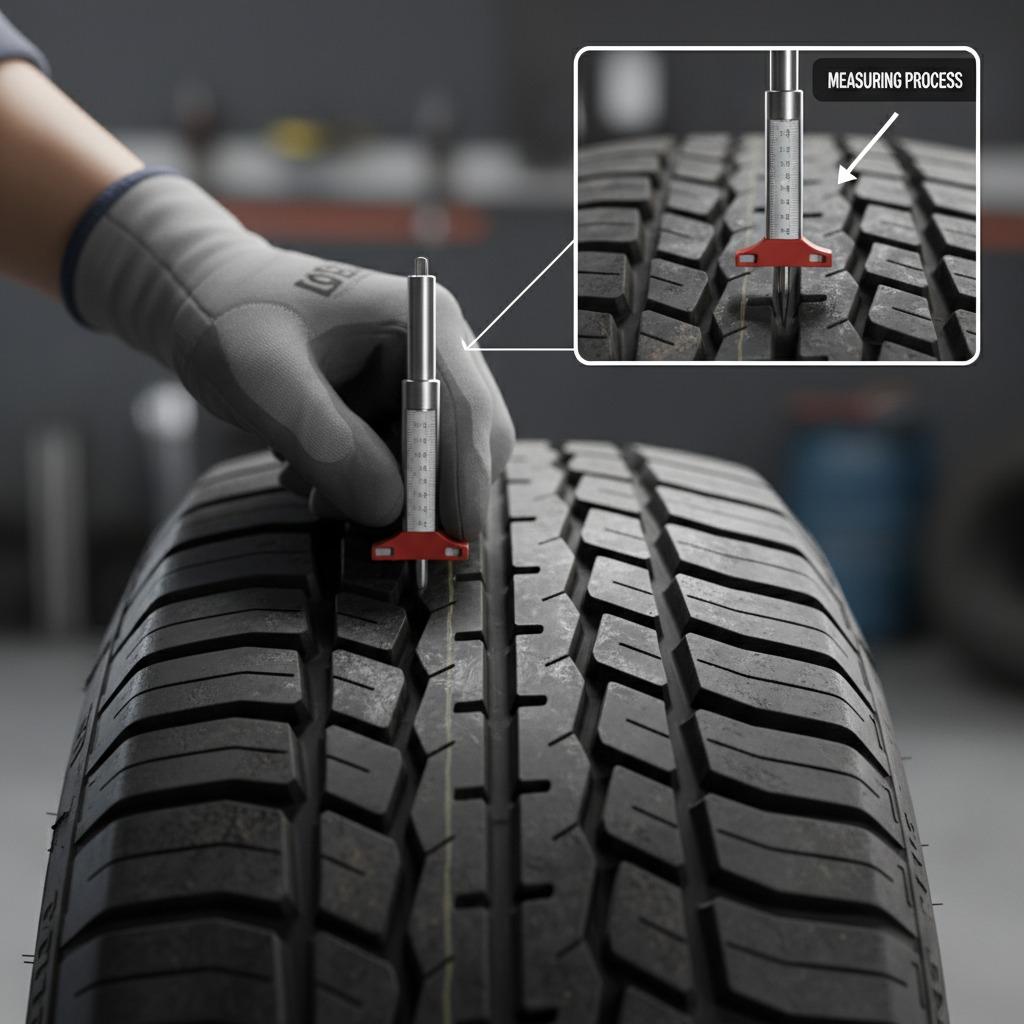

Tire pressure is one of the most overlooked aspects of car maintenance—but even a small deviation from the recommended level can harm your car’s performance, fuel efficiency, and safety. Many drivers only check pressure when the TPMS light comes on, but waiting that long puts you at risk. Let’s break down why proper 胎压 matters, and how to keep it in check.
Low tire pressure is the most common issue—and it has cascading effects. First, it increases rolling resistance: the tire has to work harder to move, which forces the engine to use more fuel. The EPA estimates that underinflated tires can lower fuel efficiency by up to 3%—that’s an extra \(0.10-\)0.15 per gallon, adding up to \(50-\)100 annually for the average driver. Worse, low pressure causes uneven tread wear: the edges of the tire press harder against the road, wearing them down 2-3 times faster than the center. This shortens tire life and reduces traction, especially in wet weather—underinflated tires take 10-15% longer to stop on rainy roads, increasing crash risk.
Overinflated tires are just as problematic. When tires have too much air, only the center of the tread touches the road, leading to rapid center wear. This makes the ride bumpy and uncomfortable, as the tire can’t absorb bumps in the road as well. It also raises the risk of blowouts: overinflated tires are stiffer, so they’re more likely to crack or burst when hitting potholes, curbs, or debris. Even if they don’t blow out, overinflation reduces grip—especially in turns, where the narrow contact patch can’t hold the road as effectively.
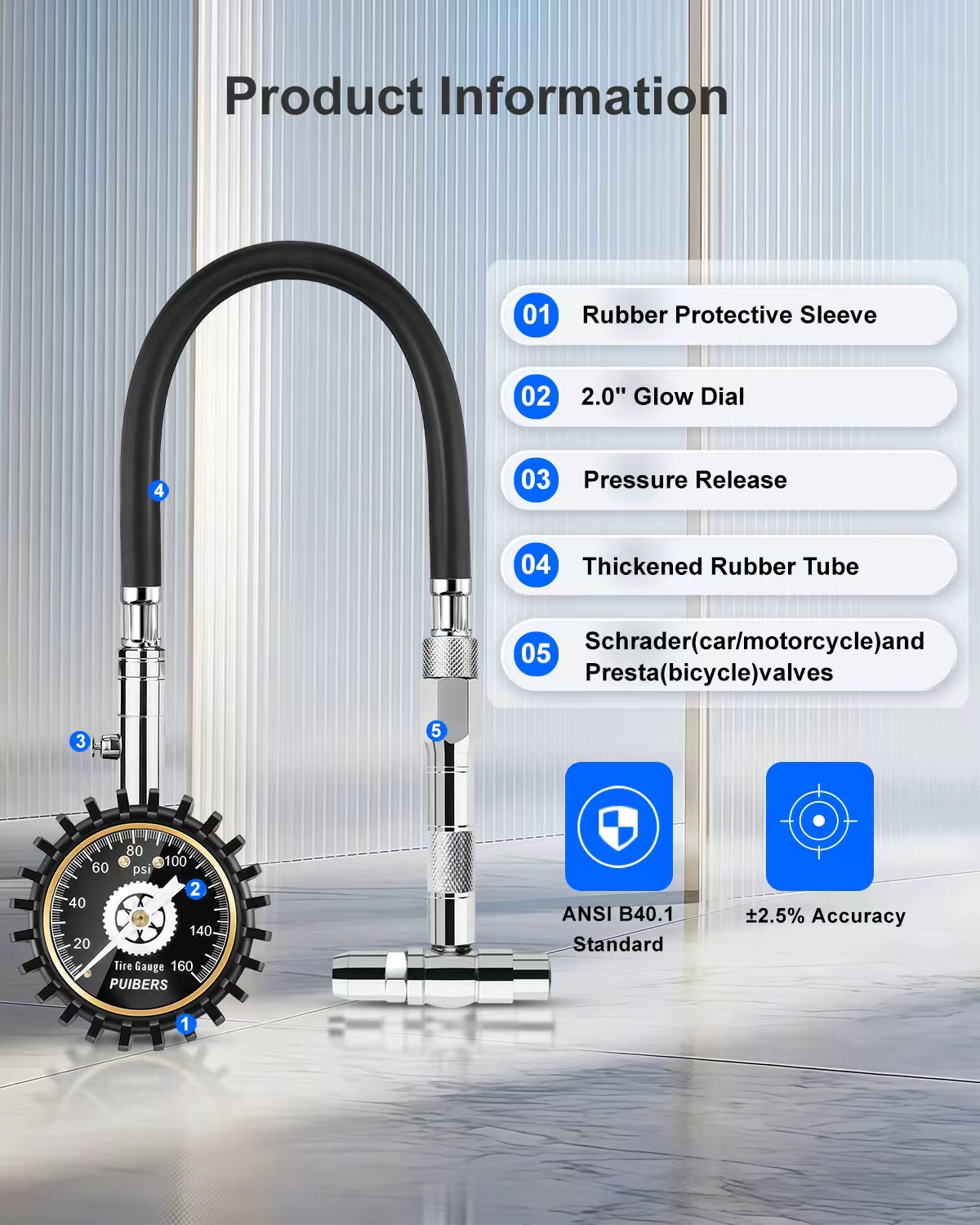
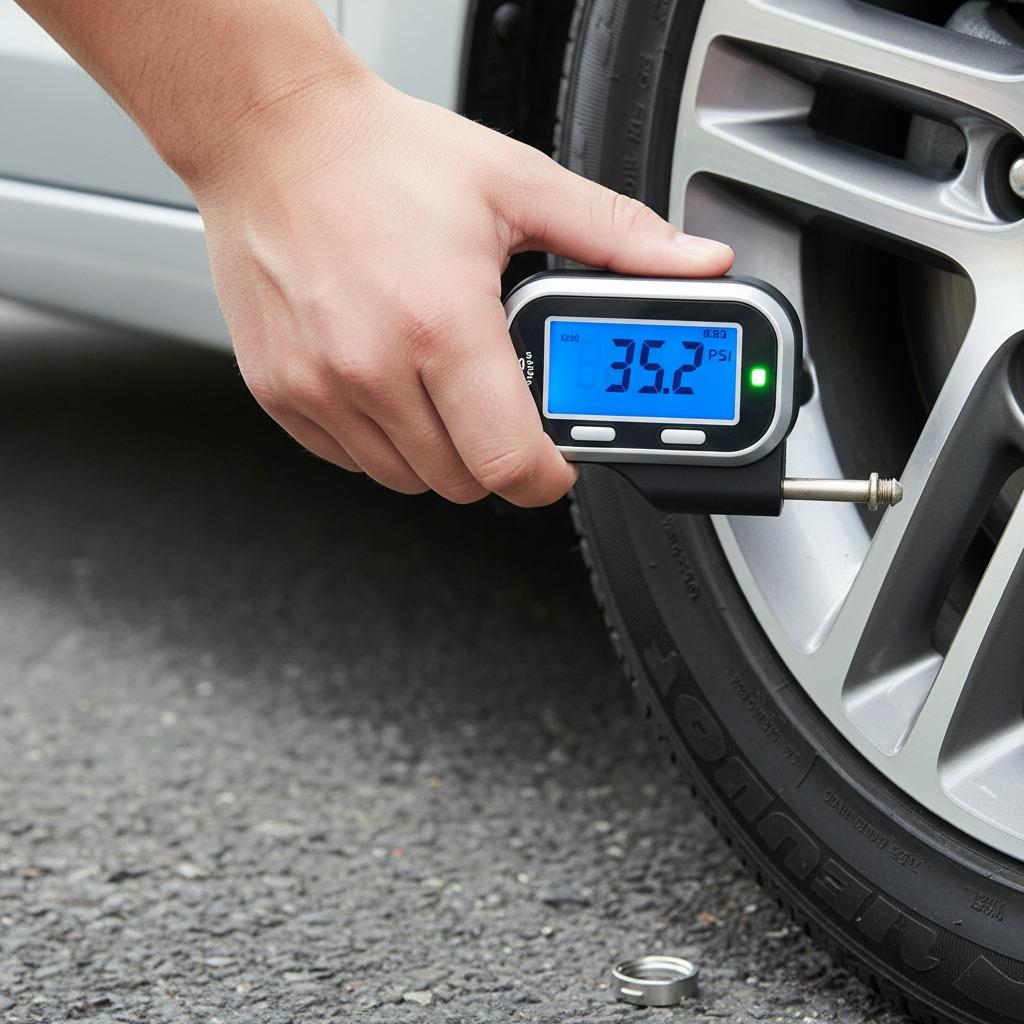
The fix is simple: check your tire pressure regularly. Do it once a month, and always when the tires are cold (driving for 10+ minutes heats up tires, increasing pressure and giving false readings). Use a digital pressure gauge—analog gauges are often inaccurate by 2-3 PSI—and refer to the sticker on your driver’s side door jamb (not the “max pressure” on the tire sidewall). The door jamb lists the pressure your car’s manufacturer recommends, tailored to your vehicle’s weight and suspension.
If you’re planning a long trip or carrying heavy cargo (like luggage or groceries), check pressure beforehand—extra weight can lower pressure slightly. And after extreme temperature changes (e.g., a 20°F drop overnight), double-check: cold air contracts, reducing pressure quickly.
Proper tire pressure isn’t just about saving money on fuel or tires—it’s about keeping you safe. A 5-minute monthly check is all it takes to avoid unnecessary risks and keep your car running smoothly.
Related to this production :