
How to Choose the Best Digital Tire Tread Depth Gauge for Safety Checks
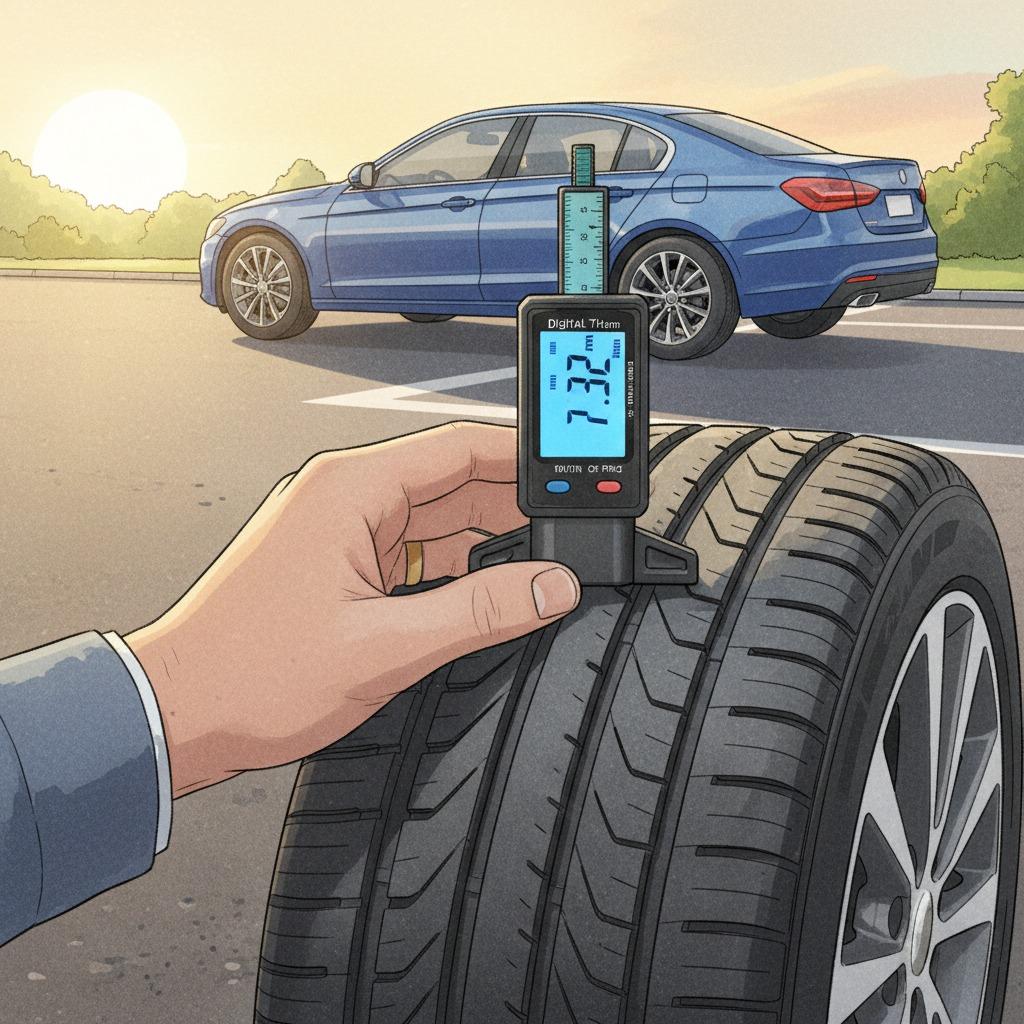
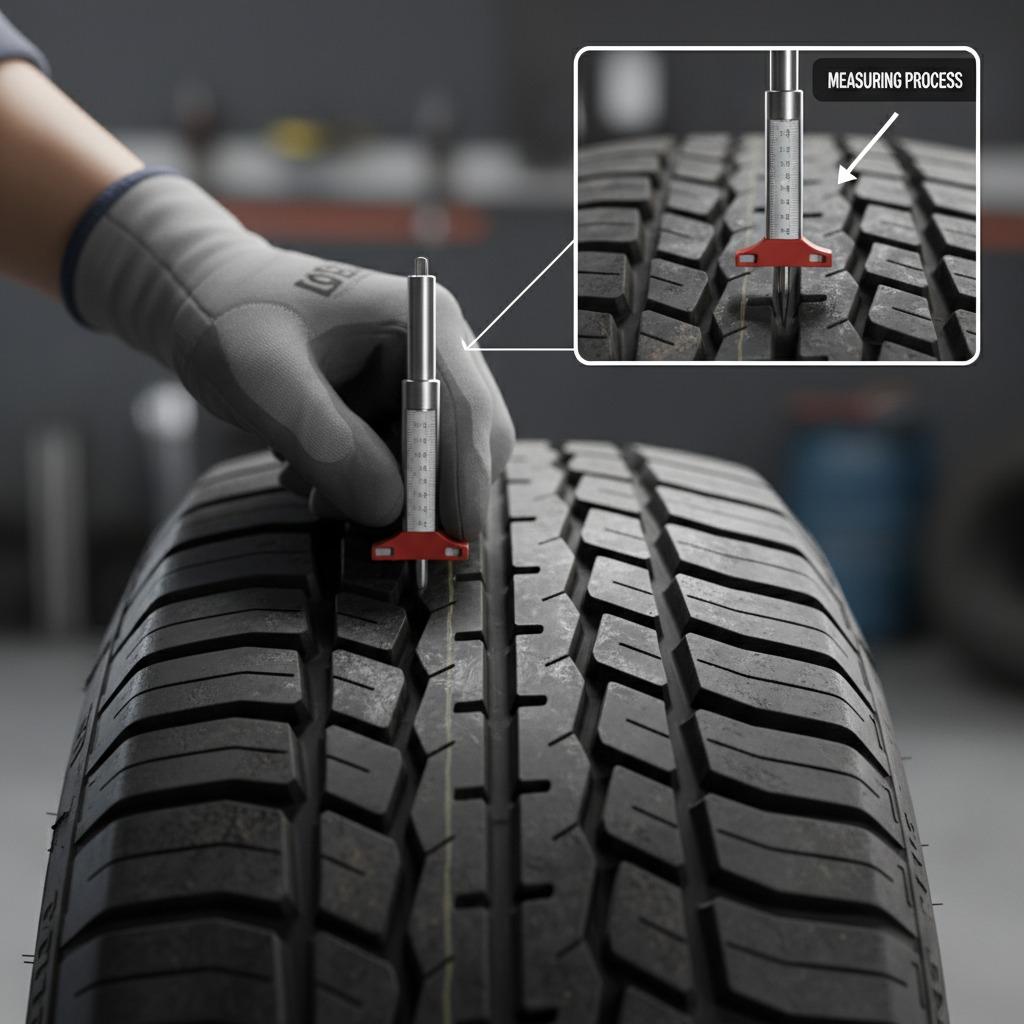
In today's fast-paced world, ensuring vehicle safety is paramount for every driver. A Digital Tire Tread Depth Gauge stands out as an essential tool for monitoring tire conditions accurately. Unlike traditional methods that rely on guesswork, this digital device provides precise measurements of tire tread depth, helping you stay compliant with safety regulations and prevent accidents. By incorporating advanced sensor technology, it offers quick readings in millimeters or inches, making it indispensable for routine vehicle checks. Whether you're a daily commuter or a long-haul traveler, investing in a Digital Tire Tread Depth Gauge can significantly enhance your driving confidence.
Tire maintenance isn't just about aesthetics; it's a critical aspect of road safety. Worn tires contribute to a large percentage of vehicle mishaps, and using a reliable gauge ensures you're always aware of your tire's condition. This tool is particularly useful during seasonal changes when road conditions vary, allowing you to assess if your tires are up to the task.
H1: How to Choose the Best Digital Tire Tread Depth Gauge for Safety Checks
IntroductionTire tread depth is a critical indicator of road safety—too shallow tread increases hydroplaning risk, reduces grip on wet roads, and shortens braking distance. While traditional tools like manual calipers or visual checks lead to errors, a high-quality digital tire tread depth gauge delivers precise, instant readings. Whether you’re a daily commuter, road trip lover, or used car buyer, picking the right digital gauge ensures you never miss hidden tire wear issues.
H2: 1. Core Accuracy: The Non-Negotiable Feature
1.1 Precision Range That Matters
A reliable digital gauge should have a measurement range of 0–25.4mm (0–1 inch) and a resolution of 0.01mm/0.0005 inch—this level of detail lets you detect even tiny wear differences, like uneven tread on one side of the tire. For example, the GODESON digital gauge (a popular model for everyday use) hits this exact resolution, making it easy to spot "hidden" wear that (naked eye checks) would miss.
1.2 Unit Switching for Versatility
Look for gauges that switch between mm and inch units seamlessly. This is essential if you reference tire specs from different regions—European tire standards often use mm, while North American ones use inches. A one-button unit switch (like the GODESON gauge’s "mm/inch" button) saves time and avoids conversion mistakes.

H2: 2. User-Friendly Design for Daily Use
2.1 Clear Display & One-Hand Operation
A large, backlit LCD screen is a game-changer, especially when checking tires in dim garages or bright sunlight. The display should show numbers at least 10mm tall for quick reading—no squinting needed. Additionally, the gauge should be lightweight (under 100g) and have an ergonomic grip, so you can operate it with one hand while holding the tire steady.

2.2 Zero Reset Function for Accuracy
Before each measurement, a simple "ZERO" button lets you calibrate the gauge to the tire’s surface, eliminating base-level errors. For example:
1.Fully depress the gauge’s measuring probe against the tire.
2.Press "ZERO" until the screen shows "0.00".
3.Start measuring—this step ensures every reading reflects true tread depth, not surface irregularities.

H2: 3. Durability & Practical Features for All Scenarios
3.1 Dustproof & Easy Battery Maintenance
Tire checks often involve dirt or road grime, so a gauge with a sealed battery compartment (secured by screws) prevents dust and moisture from damaging internal parts. Most digital gauges use common SR44/LR44 1.5V batteries—look for models with clear battery replacement instructions (like a screwdriver-only setup) to avoid frustration.

3.2 Universal Compatibility
The best digital gauges work with all vehicle types:
· Sedans and SUVs
· Motorcycles
· Dually trucks
· Class A/B RVsYou won’t need separate tools for different vehicles—just one gauge to cover family cars, work trucks, and weekend ride-on toys.
· 
H2: 4. Why Ditch Traditional Tools for Digital?
Traditional tire tread checks have major flaws:
· Manual calipers: Take 5+ minutes per tire, with errors up to 0.5mm.
· Tread depth pens: Only show "safe/unsafe" without exact numbers.
· Visual checks: Miss uneven wear or small cracks in the tread.
A digital gauge fixes all this: it takes 2 seconds per reading, delivers accuracy within 0.01mm, and stores or displays data clearly—perfect for tracking tread wear over time (e.g., checking if your tire loses 1mm of tread every 10,000km).

H2: Final Buying Tip
Prioritize models with CE certification (a mark of safety and quality) and positive user reviews about long-term accuracy. Avoid ultra-cheap gauges (under $10)—they often have dim displays or faulty sensors that fail after a few months.