
Understanding the Importance of a Tire Pressure Gauge
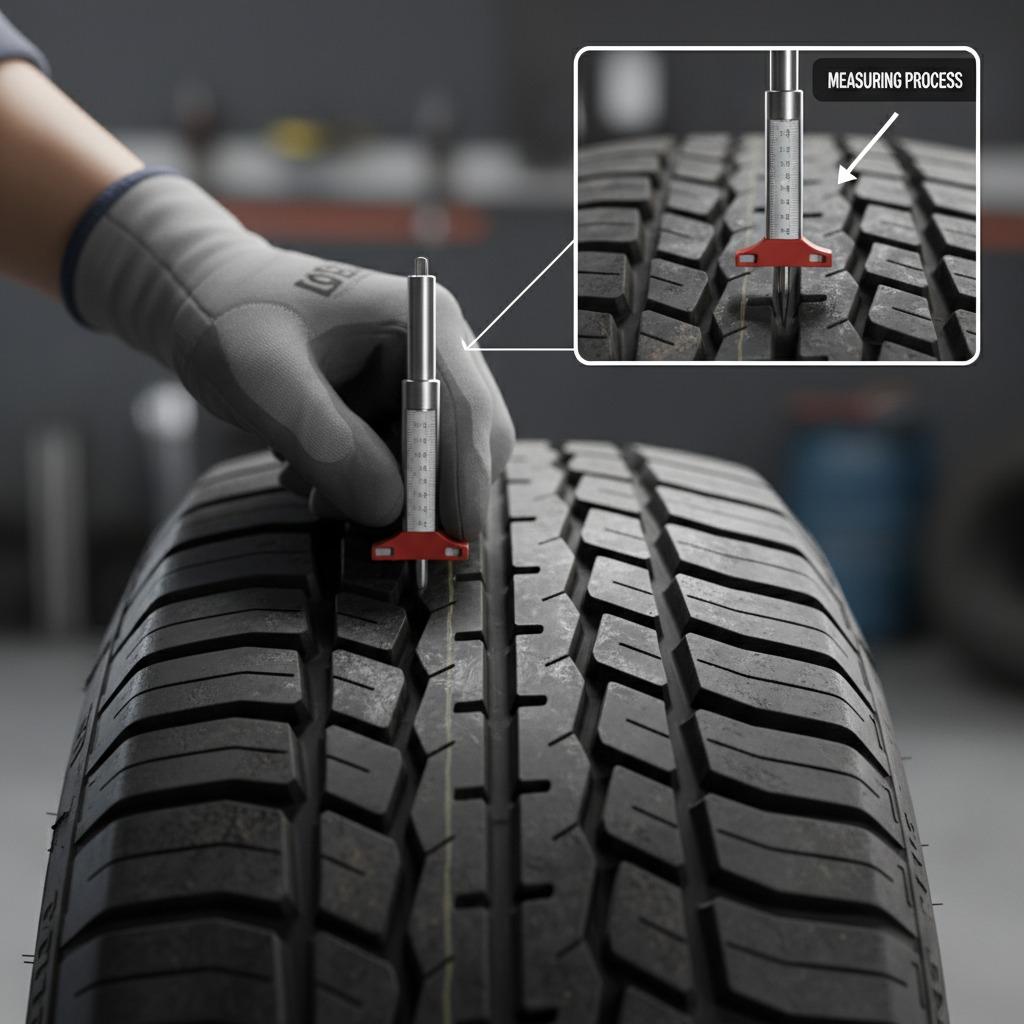
A tire pressure gauge is an essential tool for any vehicle owner looking to maintain safety and efficiency on the road. This simple device measures the air pressure in your tires, ensuring they are inflated to the manufacturer's recommended levels. Proper tire inflation can prevent accidents, extend tire life, and improve fuel economy. Without regular checks using a tire pressure gauge, drivers risk underinflated or overinflated tires, which lead to uneven wear, reduced handling, and higher rolling resistance. Statistics from the National Highway Traffic Safety Administration show that underinflated tires contribute to about 11% of vehicle crashes due to tire failure. By incorporating a tire pressure gauge into your routine maintenance, you can avoid these hazards and keep your vehicle performing optimally.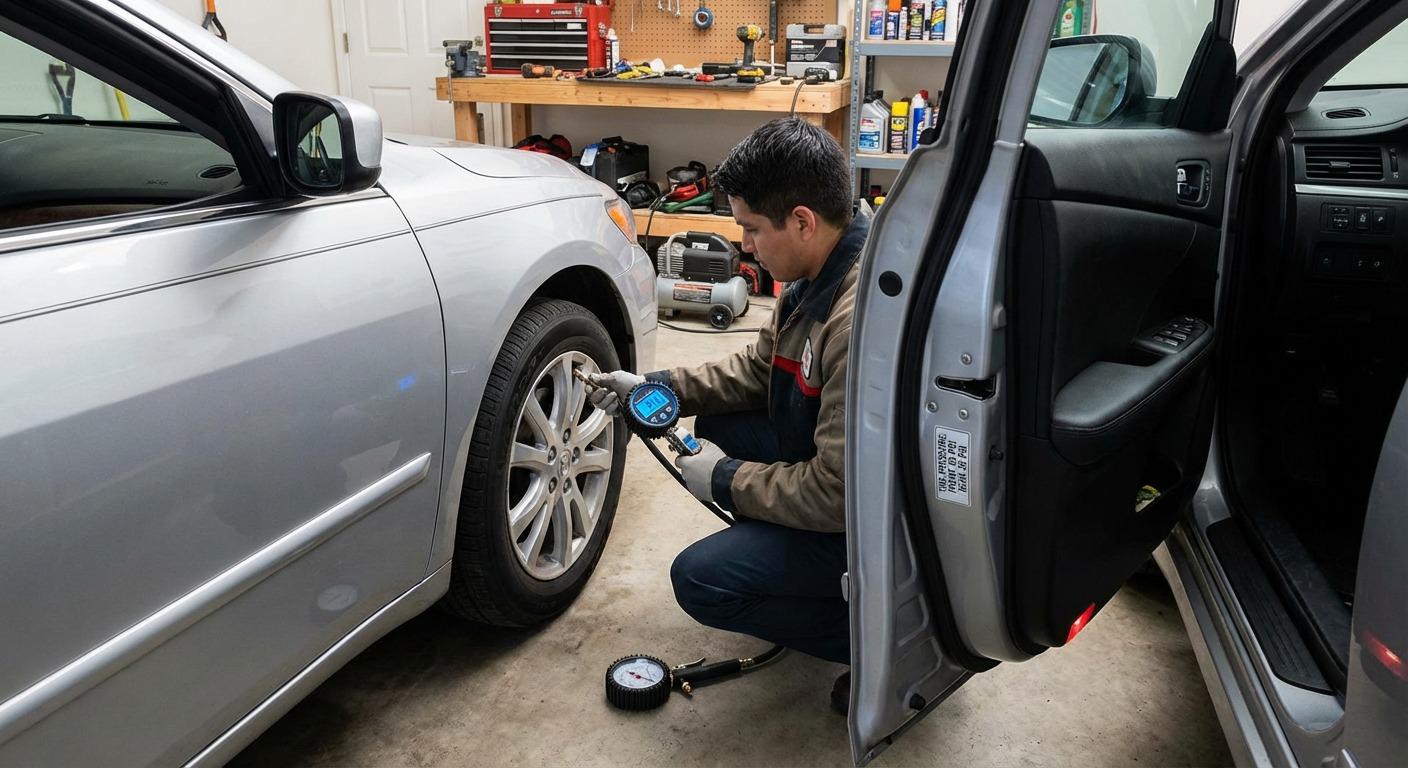
Types of Tire Pressure Gauges: Analog vs. Digital
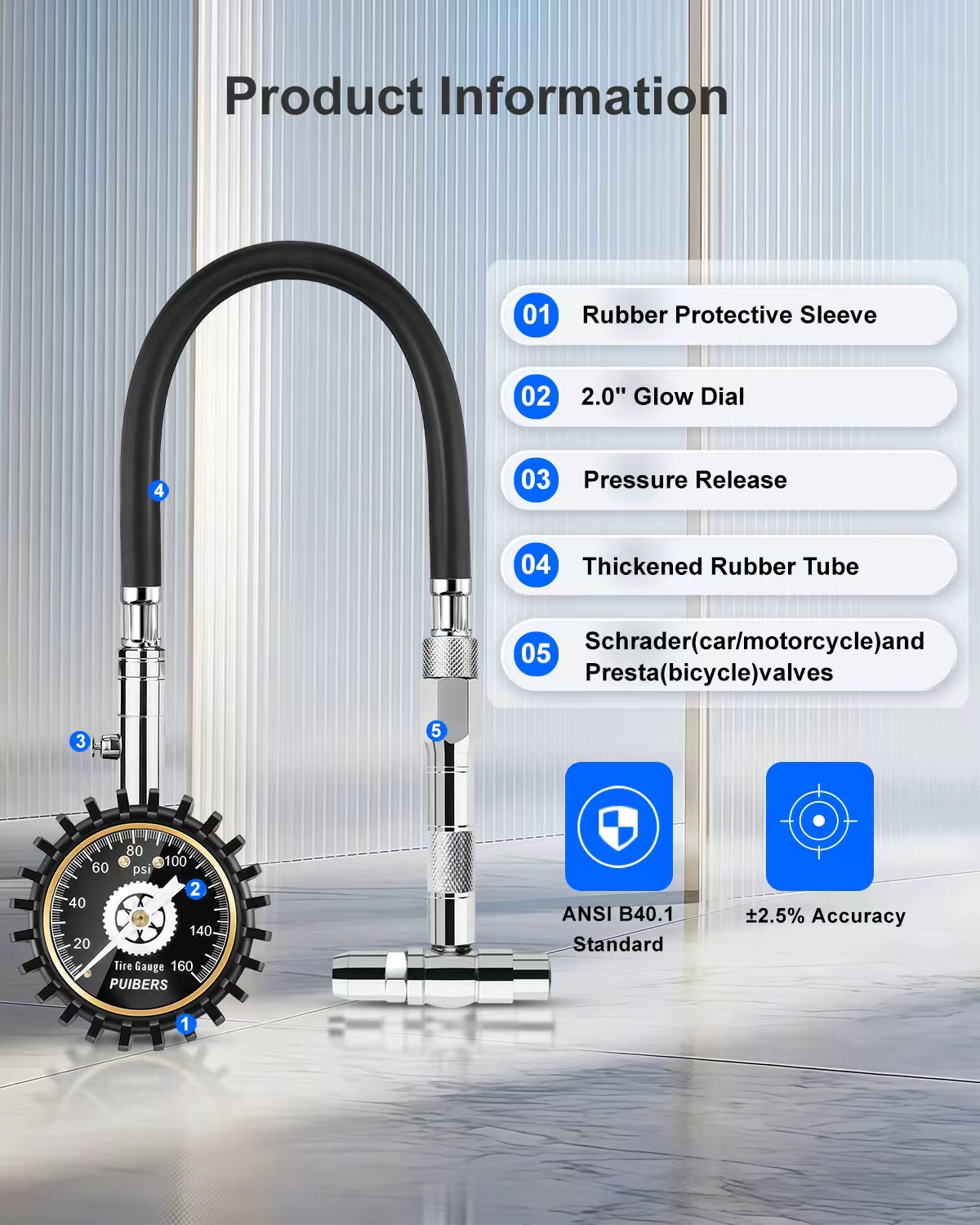
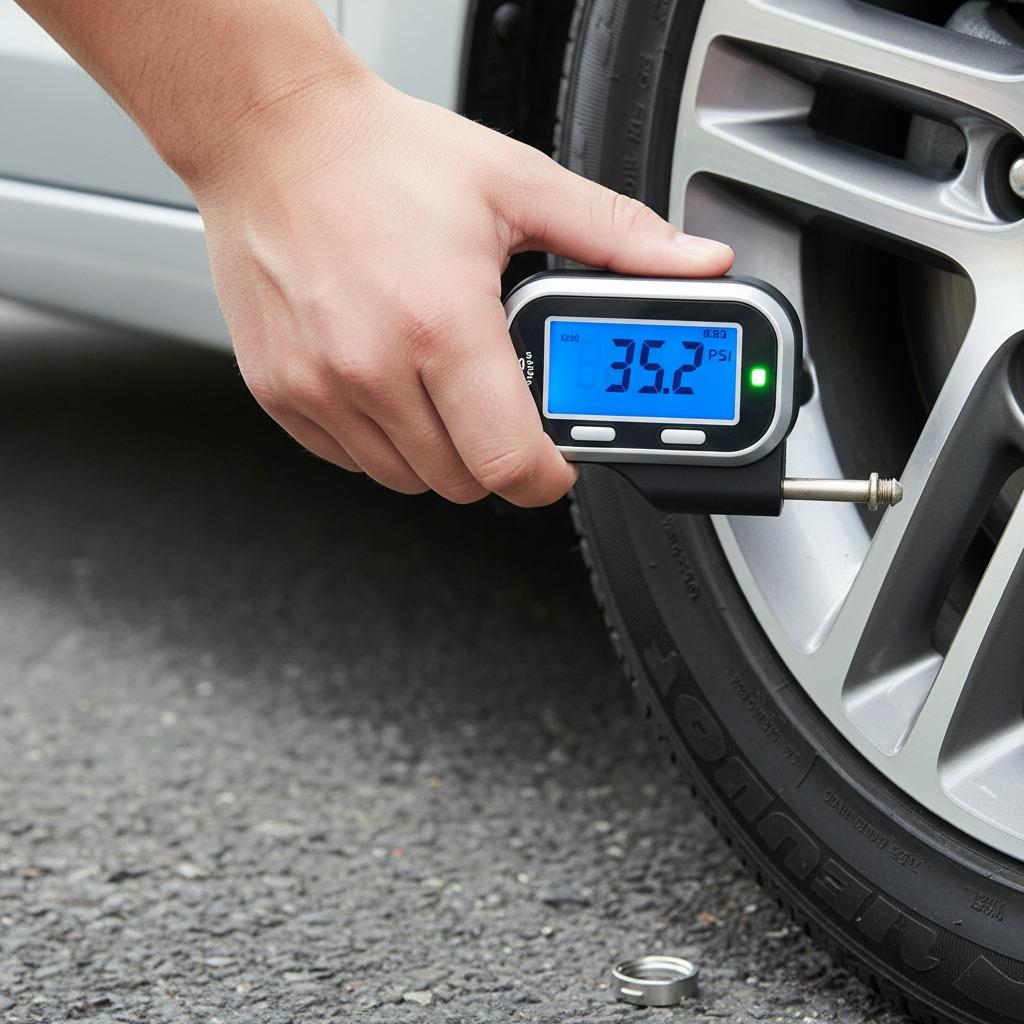
When selecting a tire pressure gauge, you'll encounter two primary types: the analog tire gauge and the digital tire gauge. An analog tire gauge operates mechanically, using a physical dial or stick that pops out to display the pressure reading once pressed against the valve stem. These are straightforward, durable, and don't require batteries, making them ideal for quick roadside checks. On the other hand, a digital tire gauge provides a precise electronic readout on an LCD screen, often with features like backlighting for low-light conditions and memory functions to store previous readings. Digital models are praised for their accuracy, typically within 1 PSI, and ease of use, especially for those who prefer modern interfaces. Both analog tire gauge and digital tire gauge options are affordable, starting at under $10, and cater to different user preferences—analog for simplicity and digital for precision.
Choosing the Best Tire Gauges for Your Needs
Finding the best tire gauges involves considering factors like accuracy, build quality, and additional features. Among the top recommendations, the best tire gauges often include models from brands like Accutire or Slime, which offer both analog and digital variants with warranties up to a year. For everyday drivers, an analog tire gauge like the JACO Superior model stands out for its rugged construction and reliable performance across a wide pressure range of 5-50 PSI. If you seek advanced options, a digital tire gauge such as the TST Tire Pressure Monitoring System integrates seamlessly with in-vehicle displays for real-time updates. Reviews from automotive experts highlight the best tire gauges as those that are easy to read, leak-proof, and compatible with various valve types, including Schrader and Presta. Always opt for gauges calibrated in PSI for American vehicles or with dual units for international use to ensure versatility.
The Role of Tire Pressure Monitoring in Modern Vehicles
Tire pressure monitoring (TPM) systems have become standard in vehicles since 2008, complementing the use of a standalone tire pressure gauge. These built-in sensors alert drivers to significant pressure drops, but they aren't foolproof—many only warn after a 25% loss. That's where a dedicated tire pressure gauge shines, allowing proactive checks before issues escalate. Integrating tire pressure monitoring with manual gauging provides comprehensive oversight; for instance, professional mechanics recommend monthly verifications using a tire pressure gauge alongside TPM readings. Advanced tire pressure monitoring setups, like aftermarket kits, can track temperature and pressure simultaneously, enhancing safety during long hauls or in varying climates. Studies from the American Automobile Association indicate that consistent monitoring can save up to 3% on fuel costs and reduce tire replacement frequency by 20%. For fleet operators or avid road trippers, combining tire pressure monitoring with the best tire gauges ensures peak vehicle health.
Step-by-Step Guide to Using a Tire Pressure Gauge Effectively
To get the most out of your tire pressure gauge, follow a simple routine. First, park on a level surface and let the tires cool for at least three hours after driving to avoid skewed readings from heat expansion. Remove the valve cap and firmly press the gauge onto the stem, listening for a short hiss of air. For an analog tire gauge, note the needle's position on the scale; for a digital tire gauge, wait for the display to stabilize. Compare the reading to your vehicle's door jamb sticker, which specifies the ideal PSI for front and rear tires, often 30-35 PSI. If adjustments are needed, use a reliable air compressor to add or release air incrementally, rechecking with the tire pressure gauge each time. This process takes mere minutes but pays dividends in safety and efficiency. Remember, cold weather can drop pressure by 1 PSI per 10-degree Fahrenheit decline, so frequent use of your tire pressure gauge is crucial in winter.
Benefits and Maintenance Tips for Your Tire Pressure Gauge
Investing in a quality tire pressure gauge yields numerous benefits beyond basic safety. It promotes even tread wear, potentially adding thousands of miles to your tires' lifespan, and enhances braking performance by up to 20%, according to tire industry reports. Environmentally, properly inflated tires reduce CO2 emissions through better fuel efficiency. To maintain your gauge, store it in a dry place away from extreme temperatures, and for digital models, replace batteries annually. Calibrate analog versions periodically by comparing against a known accurate source, like a service station pump. Whether you choose an analog tire gauge for its no-fuss reliability or a digital tire gauge for tech-savvy precision, regular use integrates seamlessly with tire pressure monitoring practices. By prioritizing this tool, drivers not only safeguard their vehicles but also contribute to smarter, more sustainable driving habits. In total, the insights from using the best tire gauges underscore a proactive approach to automotive care that every responsible owner should adopt.