
Discovering the Precision of Dial Tire Gauges
In the world of automotive maintenance, dial tire gauges stand out as reliable companions for ensuring optimal vehicle performance. These instruments provide an accurate reading of tire pressure, helping drivers maintain safety and efficiency on the road. Whether you're a daily commuter or an avid road tripper, incorporating a dial tire gauge into your routine can make a significant difference. This tool's straightforward design and mechanical operation set it apart from digital alternatives, offering a tactile assurance that your tires are properly inflated.
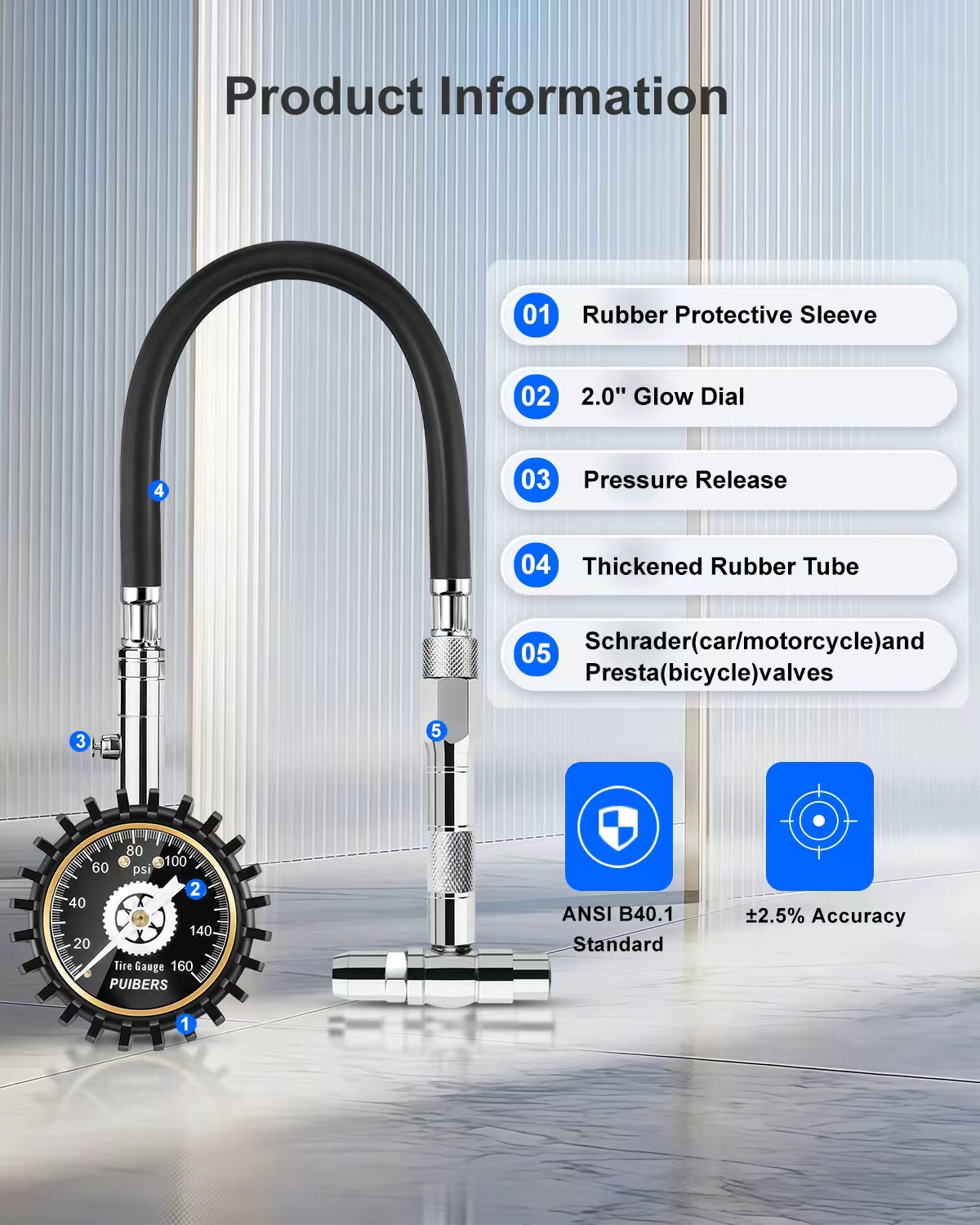
Dial tire gauges feature a circular face with a needle that moves to indicate pressure levels, much like the gauges on a classic dashboard. Their construction, often with a sturdy metal body and a flexible hose, ensures durability against the rigors of frequent use. For those seeking the best dial tire gauge, look for models with clear markings and a pressure range that suits your vehicle's requirements, typically from 0 to 60 PSI. This precision is crucial, as even slight underinflation can lead to uneven tire wear, reduced fuel economy, and compromised handling.
Exploring Analog Tire Pressure Gauges
Analog tire pressure gauges, a close relative to dial tire gauges, bring a nostalgic yet effective approach to tire pressure measurement tools. These gauges operate without batteries, relying on simple mechanical principles to deliver readings that are both immediate and trustworthy. Picture the satisfying click as the valve stem connects to the gauge, and the needle settles on the exact pressure—it's a hands-on experience that builds confidence in your vehicle's readiness.
What makes analog tire pressure gauges so appealing is their robustness in various conditions. Exposed to garage dust, road grime, or even extreme temperatures, they continue to function without faltering. When selecting among tire pressure measurement tools, consider the analog variety for its low-maintenance appeal. They are particularly favored by mechanics and DIY enthusiasts who appreciate the absence of electronic components that might fail over time. Integrating these into your toolkit means you're always prepared for quick checks before long drives or seasonal tire rotations.
Finding the Best Dial Tire Gauge for Your Needs
Choosing the best dial tire gauge involves balancing accuracy, ease of use, and build quality. Top-rated models often include features like a deflation button for overinflated tires and an easy-grip handle that fits comfortably in the hand. Imagine gliding through a busy parking lot, effortlessly verifying each tire's pressure with a tool that feels like an extension of your arm. The best dial tire gauge not only measures but also empowers you to act swiftly, preventing potential issues like blowouts or excessive tread wear.
Mechanical tire pressure gauges, including the dial variety, excel in their simplicity. Unlike digital counterparts that might require calibration or power sources, these gauges deliver consistent results right out of the box. For fleet managers or families with multiple vehicles, investing in a high-quality mechanical tire pressure gauge ensures reliability across the board. Reviews often highlight models with luminous dials for low-light conditions, making nighttime checks a breeze. By prioritizing the best dial tire gauge, you're investing in peace of mind and long-term savings on fuel and repairs.
Mastering How to Use a Dial Tire Gauge
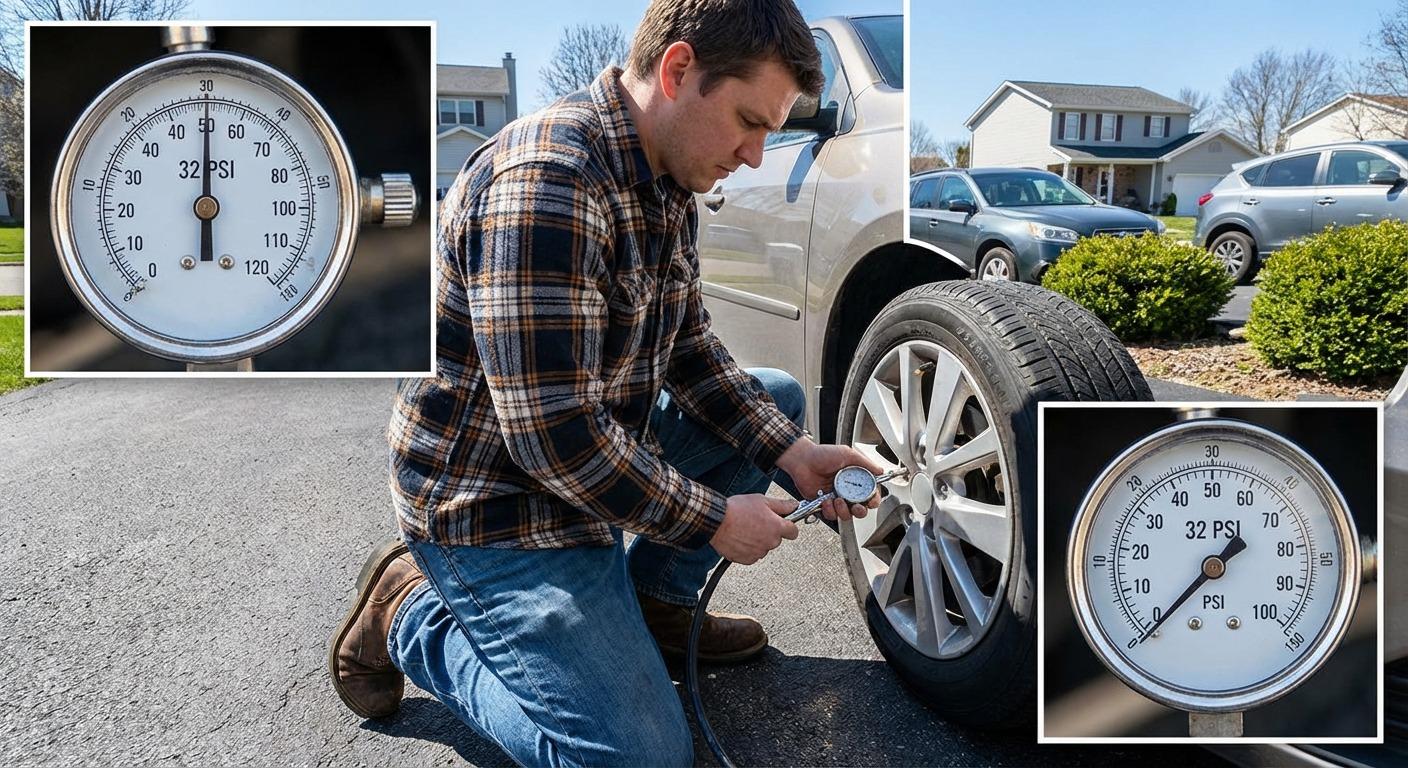
Learning how to use a dial tire gauge is straightforward, yet it unlocks a world of proactive vehicle care. Begin by parking on a level surface and removing the valve cap from your tire. With a firm press, attach the gauge's nozzle to the valve stem, listening for the hiss of air as it flows into the instrument. The needle will dance briefly before settling on the precise pressure reading—release and note the number against your vehicle's recommended PSI, usually found on the driver's door jamb.
This process, repeated for all four tires, takes mere minutes but yields substantial benefits. When using mechanical tire pressure gauges like the dial type, always check for leaks by listening for escaping air after connection. If the pressure is low, use your air compressor to inflate while monitoring the gauge for accuracy. For those new to tire pressure measurement tools, practicing on a single tire can build familiarity. Over time, this ritual becomes second nature, fostering a deeper connection with your car's performance and safety.
The Advantages of Mechanical Tire Pressure Gauges in Daily Use
Mechanical tire pressure gauges offer a timeless reliability that digital tools sometimes lack. Their analog nature means no concerns over dead batteries or software glitches, making them ideal for emergency kits or off-road adventures. Envision tackling a rugged trail, where your dial tire gauge provides a quick, dependable check amid the unpredictability of nature. These tools are also budget-friendly, allowing enthusiasts to own multiple units for different vehicles without breaking the bank.
In professional settings, such as auto shops, the best dial tire gauge is a staple for its speed and precision. Technicians value how these gauges integrate seamlessly into workflows, from routine inspections to detailed diagnostics. For everyday drivers, incorporating how to use a dial tire gauge into monthly maintenance routines can extend tire life significantly. Studies show that properly inflated tires improve mileage by up to 3%, translating to real savings at the pump. Beyond efficiency, these gauges promote safety by reducing the risk of hydroplaning or loss of control in wet conditions.
Comparing Dial Tire Gauges to Other Tire Pressure Measurement Tools
When stacked against other tire pressure measurement tools, dial tire gauges shine in their mechanical simplicity and visual clarity. Analog tire pressure gauges might offer pencil-like portability, but the dial's larger display reduces reading errors, especially in bright sunlight. Digital gauges provide backlit screens for nighttime use, yet they can't match the indefinite shelf life of a mechanical tire pressure gauge. For versatility, the dial style accommodates a wide PSI range, suiting everything from compact cars to heavy-duty trucks.
Ultimately, the choice boils down to preference, but the enduring appeal of dial tire gauges lies in their unyielding accuracy. Whether you're fine-tuning pressures for a cross-country haul or just ensuring weekend errands go smoothly, these tools deliver. By mastering how to use a dial tire gauge and appreciating the nuances of analog tire pressure gauges, you elevate your automotive savvy. In a fast-paced world, this small act of diligence keeps you rolling safely and efficiently, mile after mile.
(Word count: 1024)