
Understanding the Essentials of a Tire Gauge
A tire gauge is an indispensable tool for any vehicle owner aiming to maintain optimal tire pressure. This simple yet crucial device measures the air pressure inside your tires, helping prevent issues like uneven wear, reduced fuel efficiency, and even blowouts. By regularly checking tire pressure with a tire gauge, drivers can ensure safety and extend the lifespan of their tires. In this article, we'll explore the world of tire gauges, including types like the digital tire gauge, tire inflator with gauge, and tips on how to use a tire gauge while emphasizing tire gauge accuracy.
Tire gauges come in various forms, but their primary function remains the same: providing a reliable reading of pounds per square inch (PSI) or bar. Analog gauges use a mechanical stick or dial, while modern options like the digital tire gauge offer electronic readings for precision. Whether you're a daily commuter or a long-haul driver, incorporating a tire gauge into your routine can save money and enhance vehicle performance. According to the National Highway Traffic Safety Administration (NHTSA), properly inflated tires improve fuel economy by up to 3%, highlighting the practical benefits of this tool.
Types of Tire Gauges and Their Features
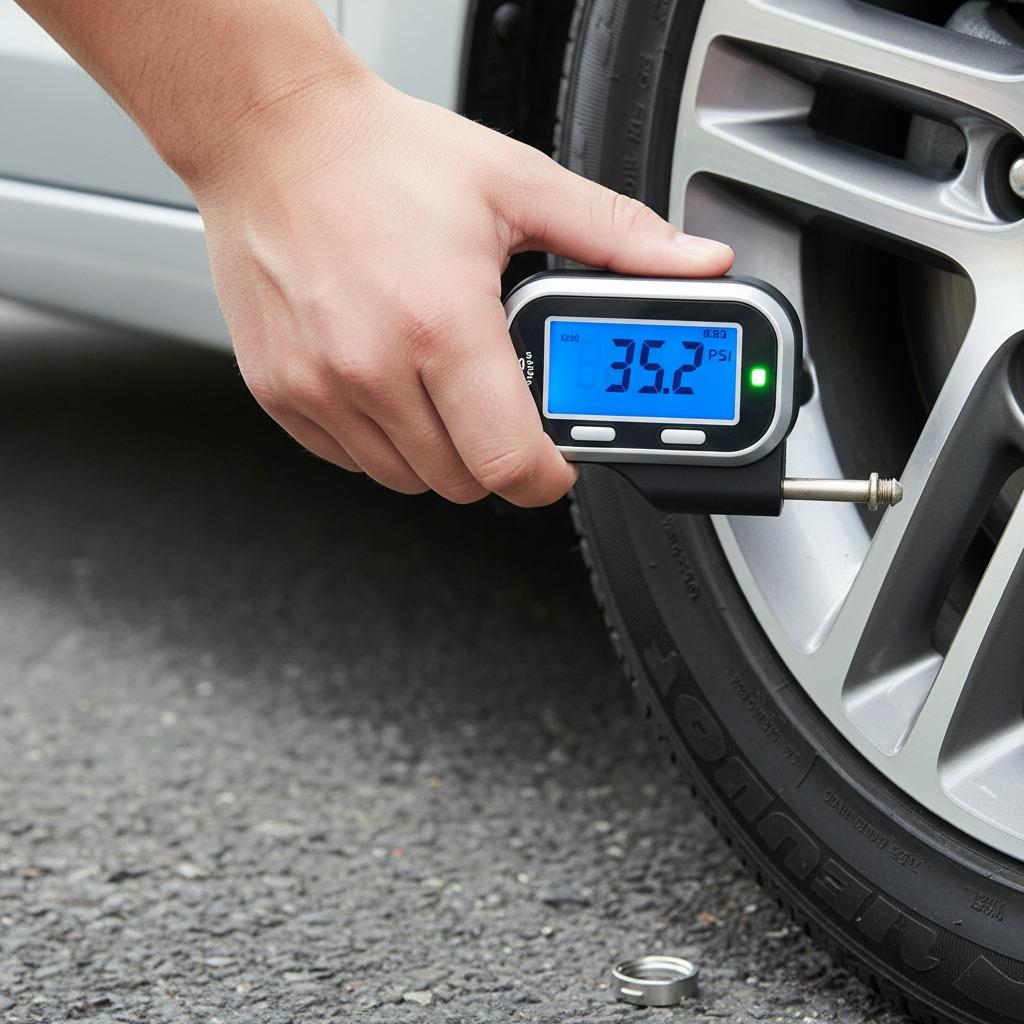
When selecting a tire gauge, understanding the different types is key to finding the right fit for your needs. The digital tire gauge stands out for its ease of use and high precision, displaying readings on an LCD screen that eliminates guesswork. These gauges often include backlighting for low-light conditions and can store multiple pressure settings for different tires, making them ideal for vehicles with varying requirements, such as cars, trucks, and motorcycles.
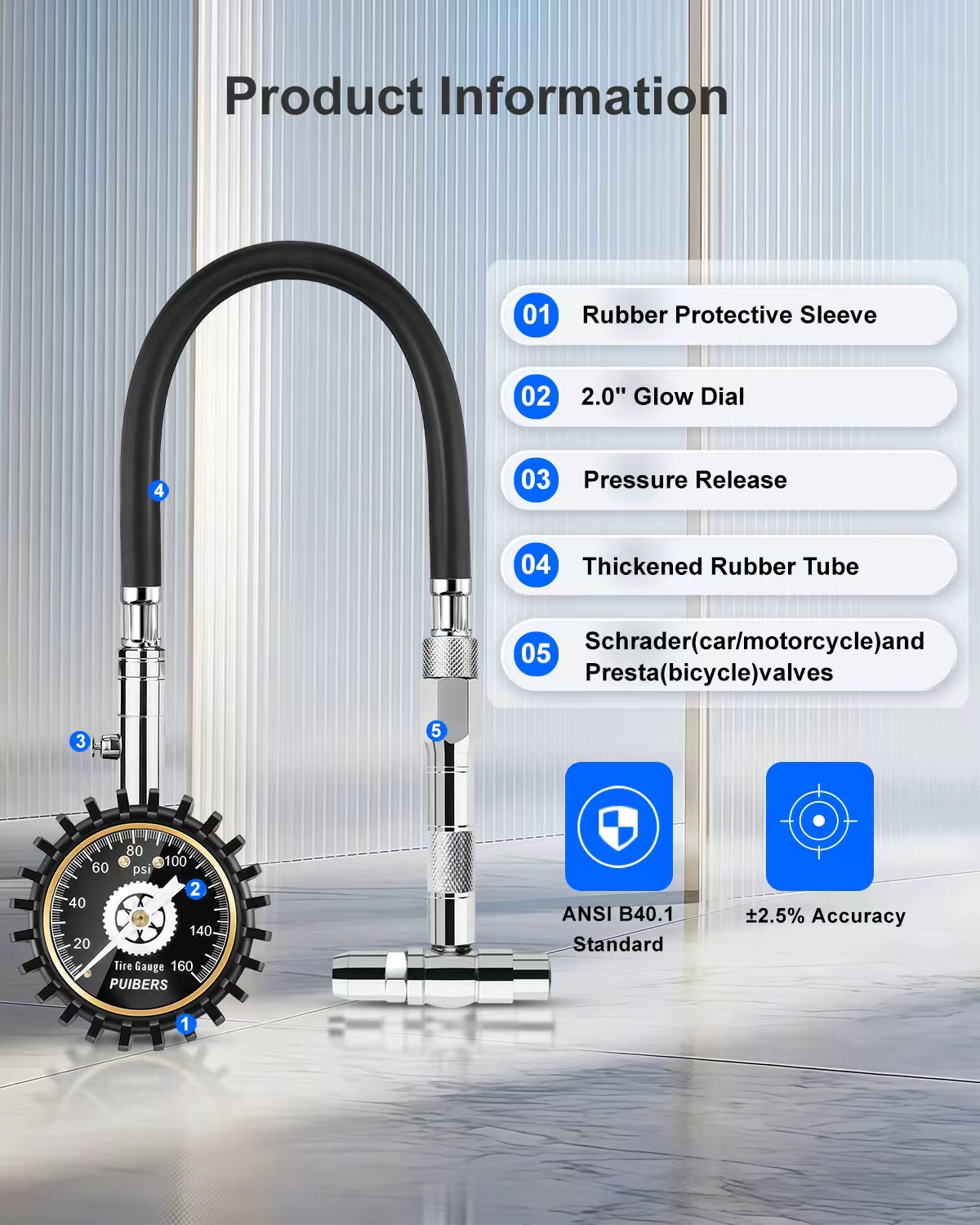
Another popular option is the tire inflator with gauge, which combines pressure measurement with an air pump for on-the-spot inflation. This all-in-one device is perfect for road trips or emergency kits, allowing you to both check and adjust pressure without additional tools. Portable models powered by batteries or a car's 12V outlet offer convenience, while some advanced versions connect to compressors for heavier-duty use. Brands like those producing tire inflator with gauge units often emphasize durability, with features like brass fittings to prevent leaks and ensure long-term reliability.
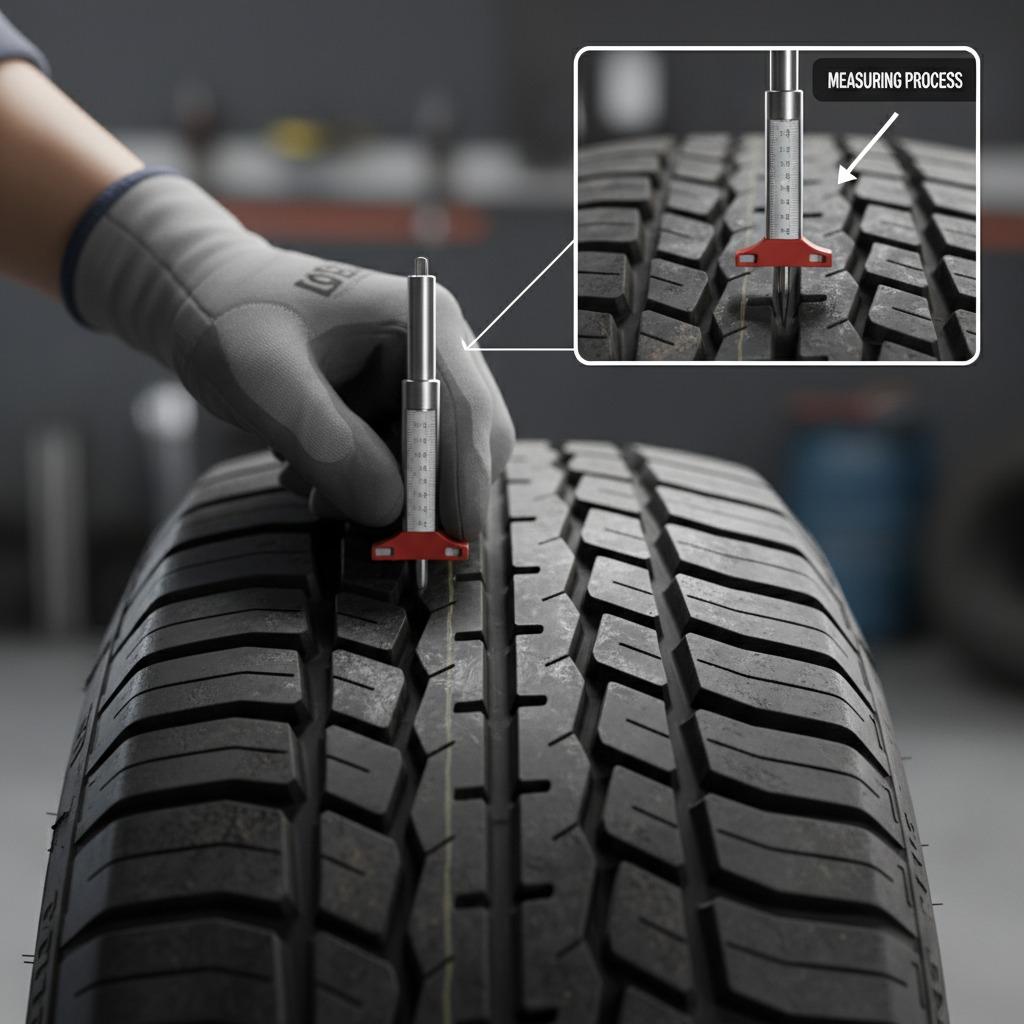
Stick-type tire gauges, a more traditional choice, are compact and affordable, sliding onto the valve stem to release air and reveal the pressure level. While they lack the bells and whistles of digital counterparts, their simplicity makes them a staple in many garages. Regardless of type, tire gauge accuracy is paramount; low-quality gauges can misread by several PSI, leading to over- or under-inflation. Opt for models calibrated to standards like those from the American Society for Testing and Materials (ASTM) to guarantee dependable results.
How to Use a Tire Gauge Effectively
Learning how to use a tire gauge properly is straightforward but requires attention to detail for the best outcomes. Start by parking your vehicle on a level surface and ensuring the tires are cool, as heat from driving can increase pressure readings by 2-3 PSI. Locate the valve stem on each tire, typically found on the rim, and remove any dust cap. For a standard tire gauge, press the tool firmly onto the valve stem until you hear a short burst of air, then read the measurement immediately to avoid pressure loss.
With a digital tire gauge, the process is even simpler: align the nozzle with the valve and press a button to activate the reading. Many models beep to confirm a seal, preventing inaccurate results from air escape. If using a tire inflator with gauge, attach it securely, monitor the digital display as it inflates, and stop when the desired PSI is reached—most recommend 30-35 PSI for passenger cars, but always consult your vehicle's manual. After checking all four tires (and the spare if applicable), record the readings to track patterns over time.
A common mistake in how to use a tire gauge is not deflating excess pressure when needed; if readings exceed recommendations, release air by pressing the core of the valve stem with a small tool. Repeat the measurement to confirm accuracy. Tire gauge accuracy can degrade over time due to wear, so test your device against a known standard, like a service station pump, monthly. This practice ensures your tire gauge remains a trustworthy ally in vehicle maintenance.
The Importance of Tire Gauge Accuracy in Maintenance
Tire gauge accuracy isn't just a technical detail—it's a safety cornerstone. Inaccurate readings can lead to underinflated tires, which cause 80% of tire failures according to tire industry experts, increasing risks of hydroplaning or loss of control. Digital tire gauges often boast accuracy within 1% of true pressure, far surpassing mechanical models that might vary by 2-4 PSI. Factors like temperature fluctuations and altitude can influence readings, so always calibrate under consistent conditions for reliability.
Maintaining tire gauge accuracy involves regular cleaning and storage in a cool, dry place to prevent corrosion. For tire inflator with gauge combos, check battery levels and hose integrity before use. Studies from the Rubber Manufacturers Association show that consistent pressure checks reduce tire wear by 20-30%, translating to fewer replacements and lower costs. Integrating how to use a tire gauge into your monthly routine, perhaps alongside oil checks, fosters proactive care that benefits both wallet and road safety.
Beyond personal use, tire gauge accuracy plays a role in fleet management and professional mechanics' workflows. High-precision digital tire gauges are standard in shops, where even minor discrepancies can affect alignments or balance. For consumers, investing in a quality tire gauge—around $10-50—pays dividends through enhanced efficiency. The U.S. Department of Energy estimates that proper inflation across America's vehicles could save 1.5 billion gallons of fuel annually, underscoring the broader impact.
Advanced Tips for Tire Pressure Management
To elevate your approach, consider tire gauges with additional features like preset alerts for low pressure or integration with vehicle apps via Bluetooth in premium digital tire gauges. When learning how to use a tire gauge, pair it with seasonal adjustments: pressures drop about 1 PSI for every 10°F temperature decrease, so winter checks are essential. For tire inflator with gauge users, select models with auto-shutoff to avoid overinflation, preserving both tires and device longevity.
Tire gauge accuracy testing at home can be done using a reference gauge or by comparing multiple devices. If discrepancies arise, professional calibration services are available at auto centers. Remember, while a tire gauge is vital, it's part of a holistic maintenance strategy including rotations every 5,000-8,000 miles and visual inspections for damage. By prioritizing tire gauge use, you not only comply with safety standards but also optimize your driving experience.
In conclusion, a reliable tire gauge empowers informed decisions that keep you rolling smoothly. Whether opting for a digital tire gauge's tech-savvy precision or the versatility of a tire inflator with gauge, mastering how to use a tire gauge with a focus on accuracy ensures your tires perform at their best. Make it a habit, and reap the rewards of safer, more efficient travels.