
In the world of automotive innovation, few technologies offer as much practical benefit to safety, efficiency, and convenience as the automatic tire calibrator. This advanced system represents a significant leap forward from traditional tire pressure monitoring systems (TPMS) by not just alerting the driver to an issue, but by actively managing and correcting tire pressure on its own. It eliminates the guesswork and manual labor associated with one of the most critical aspects of vehicle maintenance, ensuring your tires are always at their optimal inflation level for any driving condition.
The Mechanics of Self-Maintaining Tires
At its core, an automatic tire calibration system is a sophisticated blend of sensors, a central control unit, and an air delivery mechanism. High-precision sensors, typically located within each wheel, constantly monitor the real-time pressure and temperature of the tires. This data is fed to an onboard computer or electronic control unit (ECU). The ECU compares the current pressure against the manufacturer's recommended specifications or even user-defined settings for different loads or terrains. If a tire is found to be underinflated, the system activates a compact onboard air compressor, which then delivers air directly to the specific tire through a network of hoses and rotary unions integrated into the wheel hub. The process is seamless, often occurring while the vehicle is in motion, and stops automatically once the target pressure is reached. This constant vigilance ensures that slow leaks or pressure changes due to ambient temperature fluctuations are corrected long before they can become a problem.
A New Standard in Vehicle Safety
Proper tire inflation is a cornerstone of vehicle safety, and this is where an automated system truly excels. Underinflated tires are a leading cause of tire failure, including catastrophic blowouts, as they overheat more quickly and experience increased structural stress. By maintaining correct pressure, an automatic system drastically reduces this risk. Furthermore, optimal inflation ensures the tire's contact patch with the road is exactly as the vehicle manufacturer intended. This maximizes grip, leading to shorter braking distances, more responsive steering, and improved stability during emergency maneuvers. The system works in harmony with other safety features like Anti-lock Braking Systems (ABS) and Electronic Stability Control (ESC), which rely on predictable tire behavior to function effectively.
Boosting Fuel Economy and Tire Longevity
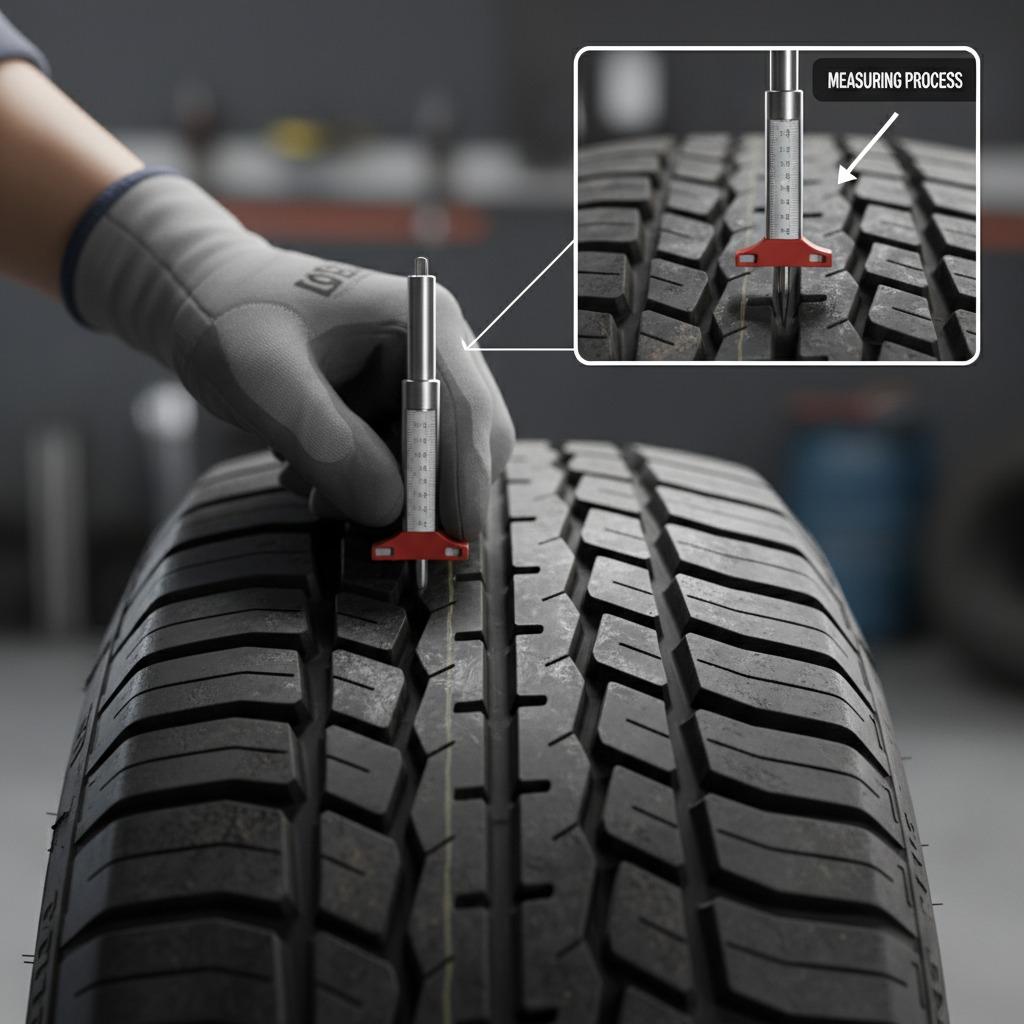
The economic benefits of implementing a system for automatic tire pressure adjustment are substantial. When tires are underinflated, their rolling resistance increases, forcing the engine to work harder and consume more fuel to maintain speed. The U.S. Department of Energy estimates that for every 1 PSI drop in pressure across all four tires, fuel economy can decrease by as much as 0.3%. An automated system prevents this gradual loss of efficiency, potentially saving hundreds of dollars in fuel costs over the life of the vehicle. Simultaneously, it extends the lifespan of the tires themselves. Improper inflation causes uneven tread wear—underinflation wears the outer edges, while overinflation wears the center. By keeping the pressure perfect, the system ensures the tire wears evenly across its entire surface, maximizing its usable life and delaying the costly expense of replacement.
The Ultimate Convenience in Vehicle Maintenance
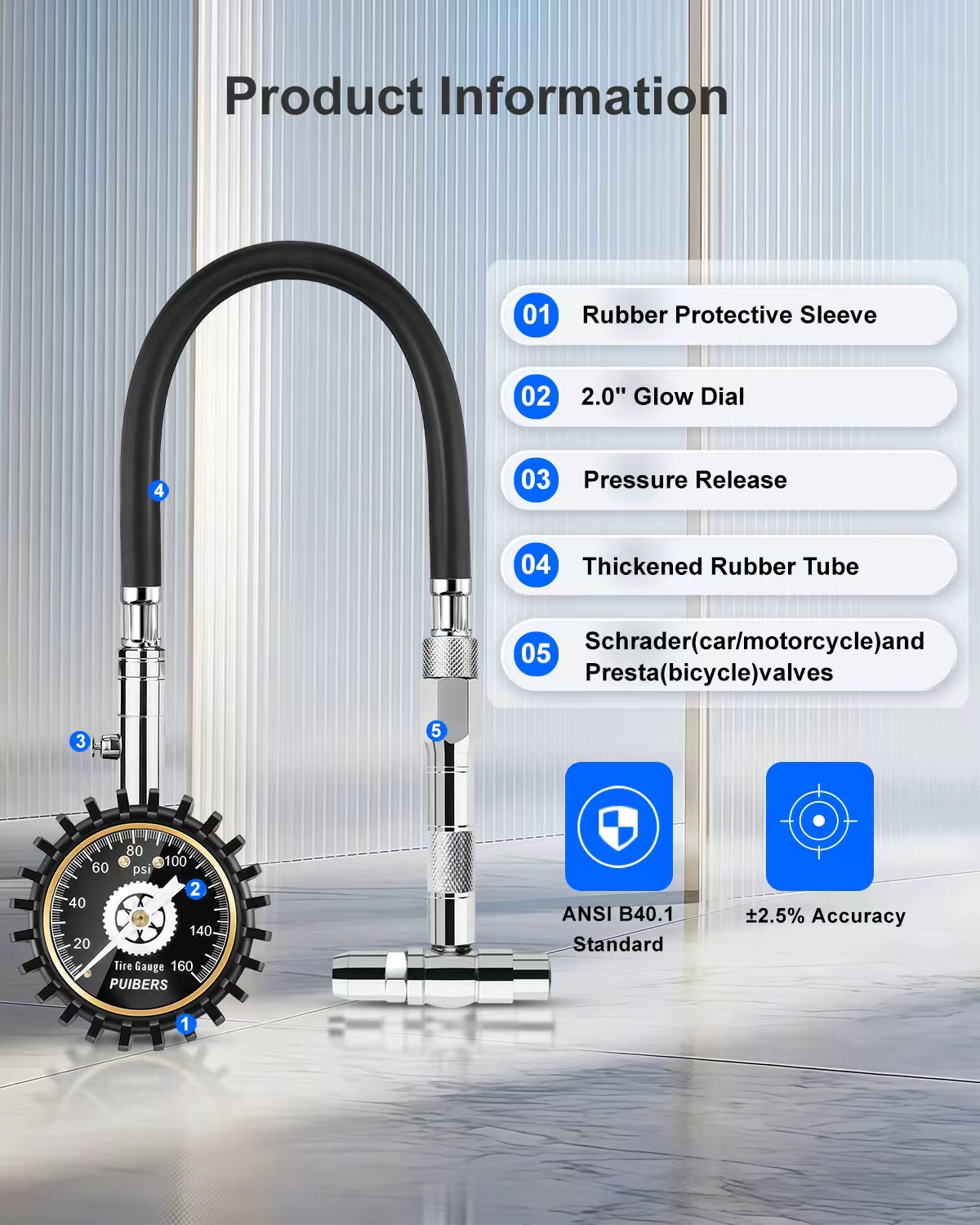
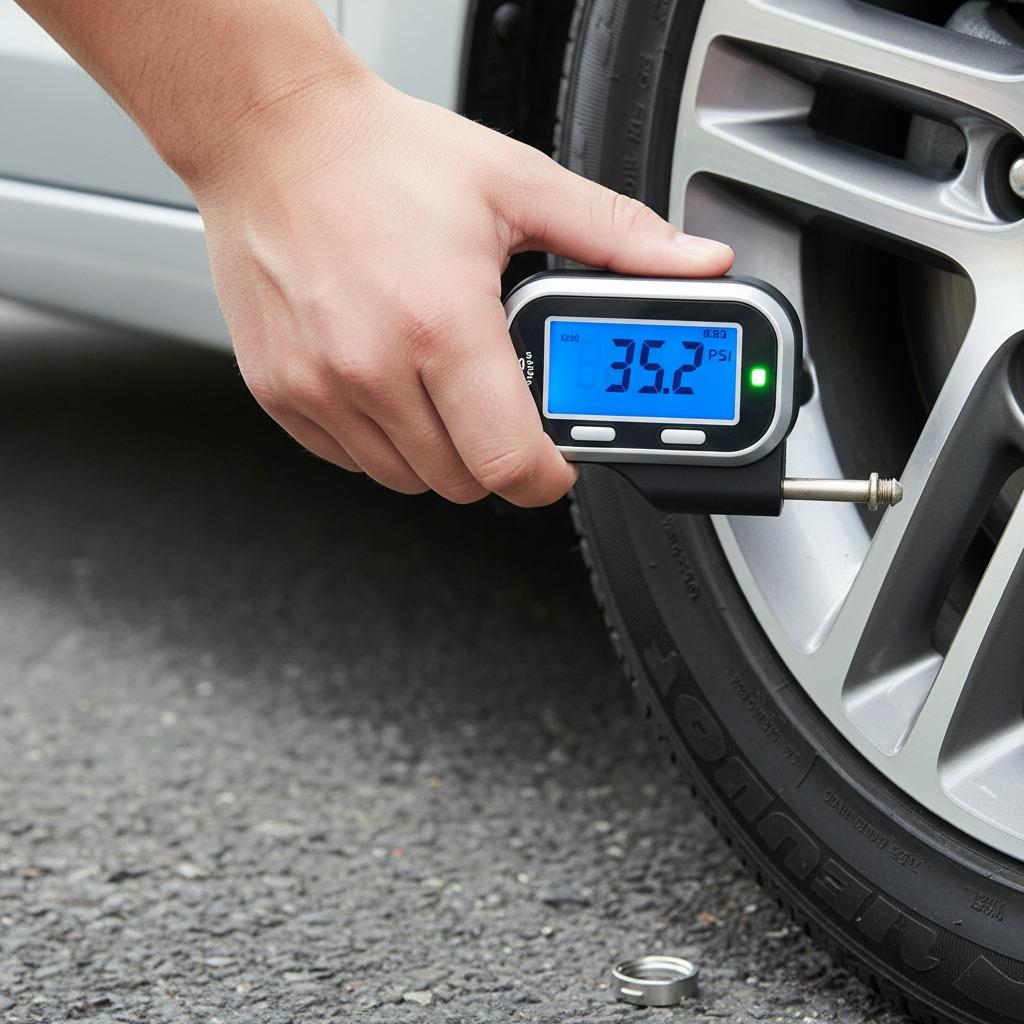
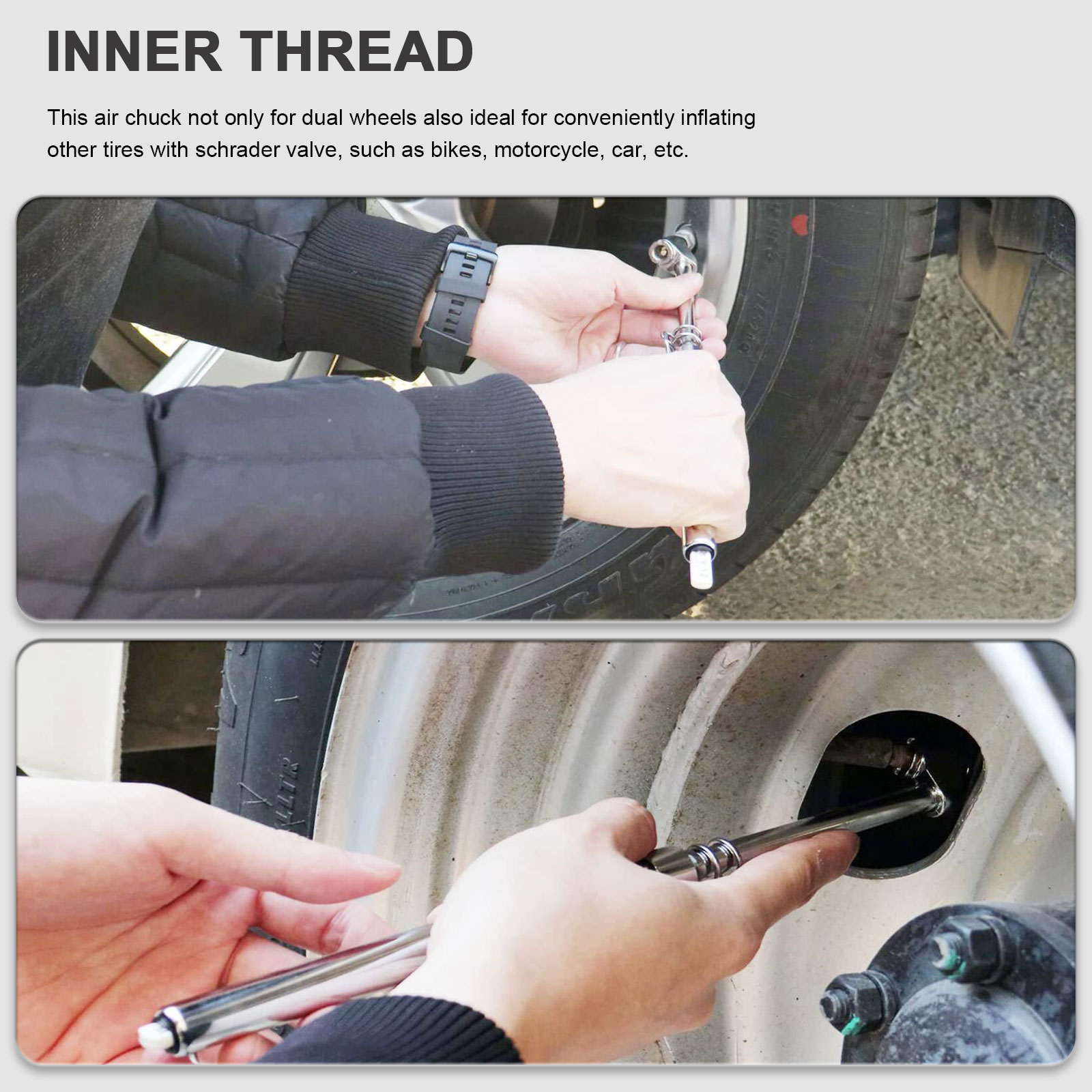
For the modern driver, convenience is key. The routine task of manually checking tire pressure is often neglected because it can be inconvenient and messy. It requires finding a reliable gauge, locating a functioning air compressor at a service station, and dealing with dirty valve caps in all weather conditions. The automatic tire calibrator completely removes this burden from the vehicle owner. It is a true 'set it and forget it' technology that handles a vital maintenance task autonomously. This provides not only peace of mind but also frees up valuable time, ensuring the vehicle is always performing at its best without requiring any manual intervention from the driver for this specific task.
Applications Across Diverse Industries
While the concept of automatic tire pressure adjustment is becoming more common in luxury passenger cars, its roots and most impactful applications are found in the commercial and off-road sectors. For long-haul trucking fleets, these systems are revolutionary, minimizing roadside downtime from tire issues, maximizing fuel efficiency across millions of miles, and improving safety for drivers. In agriculture and construction, Central Tire Inflation Systems (CTIS) allow operators to lower tire pressure in the field for better traction and reduced soil compaction, then reinflate them for efficient and safe road travel between sites. The military has long used this technology on its vehicles to ensure mobility across challenging terrains, from sand to mud. As the technology becomes more compact and affordable, its integration into the mainstream automotive market is set to redefine our expectations for standard vehicle features.