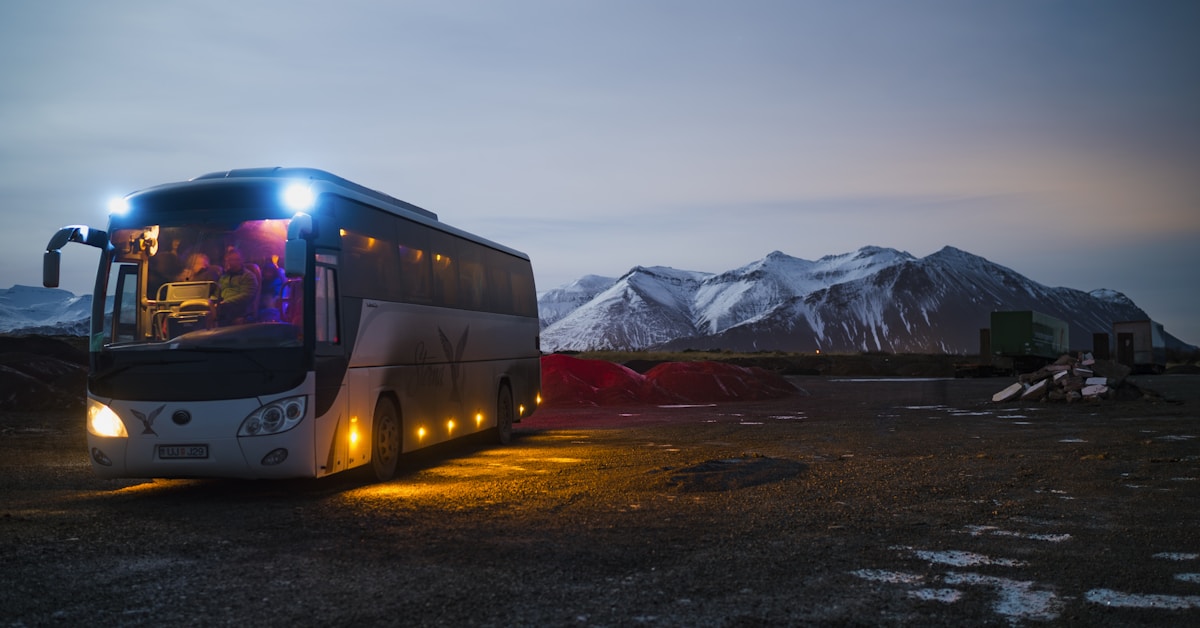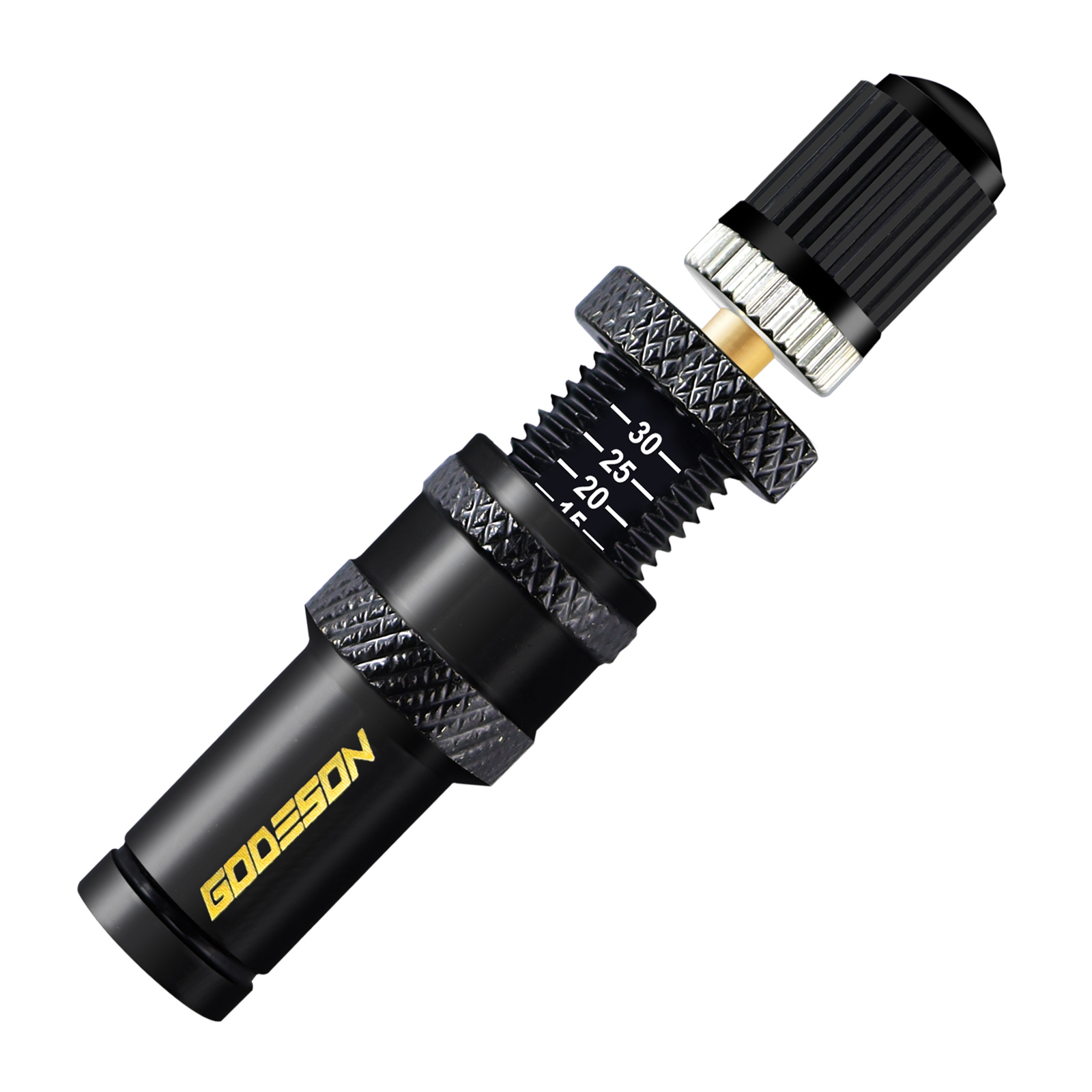

Introduction: From Basic Tools to Smart Adventure Ecosystems
Gone are the days when automotive outdoor gear meant just a spare tire, a folding shovel, and a tent tossed in the trunk. As global interest in overlanding, camping, and off-road adventures surges—paired with the rise of electric vehicles (EVs) and sustainable living—the industry has undergone a radical transformation. 2025 marks a pivotal year where tools and gear are no longer afterthoughts but integral parts of a connected, eco-friendly, and adventure-ready ecosystem. From solar-powered camp setups to AI-enhanced utility tools, let’s explore how automotive outdoor gear has evolved to meet the demands of modern explorers.
1. The Shift to Electrification & Off-Grid Independence
The rise of EVs and hybrid vehicles has reshaped outdoor gear, with a focus on sustainable power solutions and compatibility with electric mobility:
Suggested image: Infographic showing a complete off-grid setup (solar panels on a camper, portable power stations, EV reverse charging) powering camping appliances.
Key Innovations:
• EV-Powered Camping: Modern gear leverages vehicles’ bidirectional charging capabilities. For example, EVs like the Ford F-150 Lightning can power camp stoves, projectors, and even entire tents via their external outlets, turning cars into mobile power hubs.
• Solar-Integrated Gear: Brands like 星空梦屋 (Starry Dream House) have redefined RVs with 1100W-2200W solar charging systems paired with 45kWh-85kWh lithium-ion batteries, enabling up to 14 days of off-grid camping—no need for campground hookups. Their models even offer reverse EV charging to replenish electric tow vehicles.
• Portable Power Stations: Compact, high-capacity power banks designed for outdoor use now integrate seamlessly with EVs, providing backup energy for tools, lighting, and appliances during remote adventures.
2. Sustainability: Eco-Friendly Materials Take Center Stage
As consumers prioritize environmental responsibility, automotive outdoor gear is embracing circular design and renewable materials:
Suggested image: Collage showing recycled plastic fishing nets turned into car seat fabrics, wine cork-infused textiles, and bamboo camping tools—with percentage labels for material sourcing.
Industry Leaders Paving the Way:
• Ford: The automaker transforms ocean plastic waste into durable outdoor gear components, including 线束夹 (wire harness clips) for the Bronco Sport and potential future uses in antenna housings and floor rails.
• Audi: Its E-tron GT uses Econyl (recycled nylon from fishing nets) for carpets and floor mats, while the A3’s seats are 89% recycled PET bottle fabric. Even concept cars like the Skysphere feature sustainable eucalyptus wood and synthetic leather.
• Volvo: By 2030, the brand will phase out animal leather entirely, replacing it with Nordico—a material made from recycled PET bottles, sustainable forest fibers, and repurposed wine corks from the beverage industry.
• Camping Gear Brands: Tents, folding chairs, and storage solutions now commonly use recycled polyester, bamboo, and hemp, reducing reliance on virgin plastics and minimizing environmental impact.
3. Smart Integration: Tech-Enhanced Adventure Experiences
Automotive outdoor gear is no longer "dumb"—it’s getting smarter, with AI, app connectivity, and automation simplifying outdoor tasks:
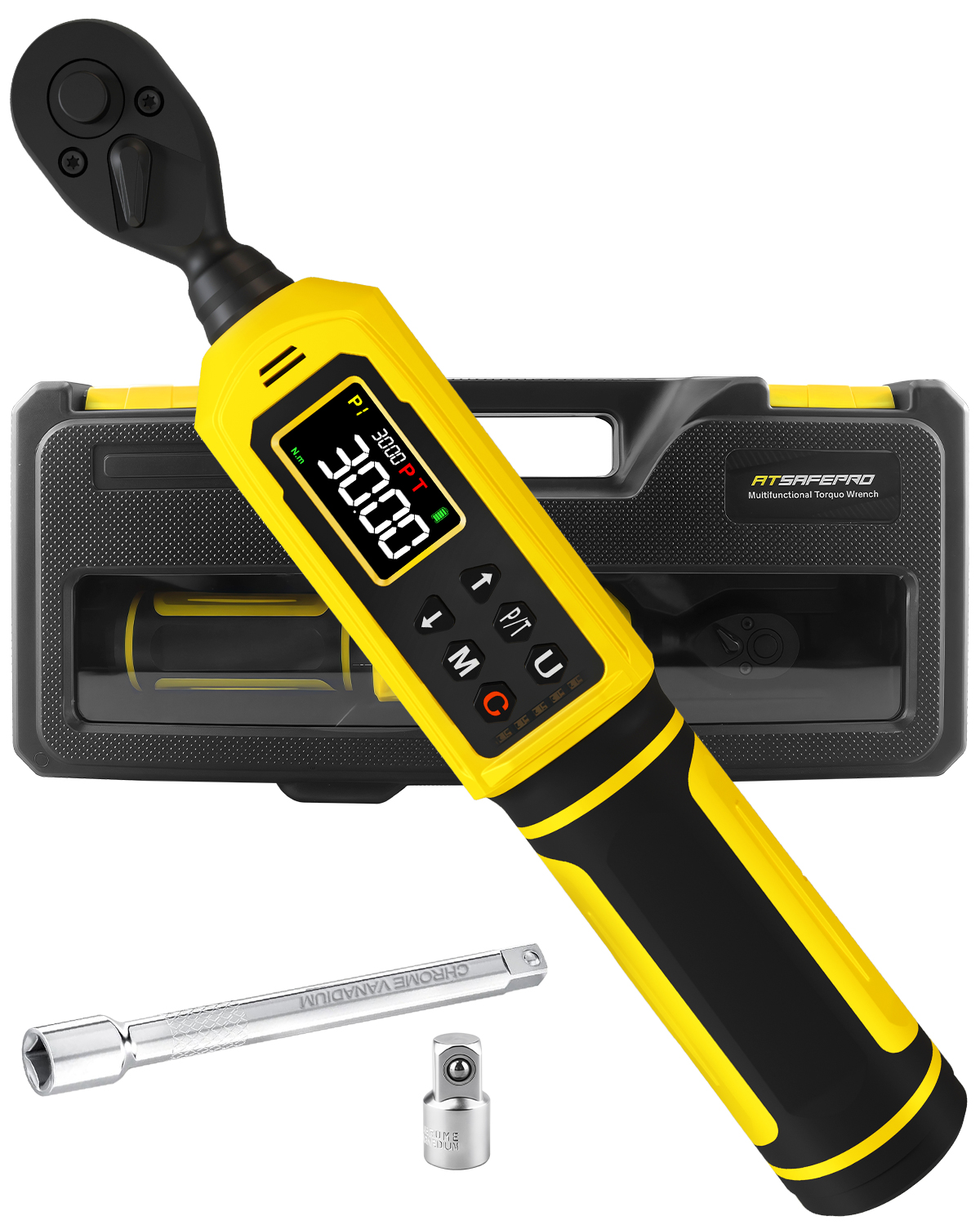
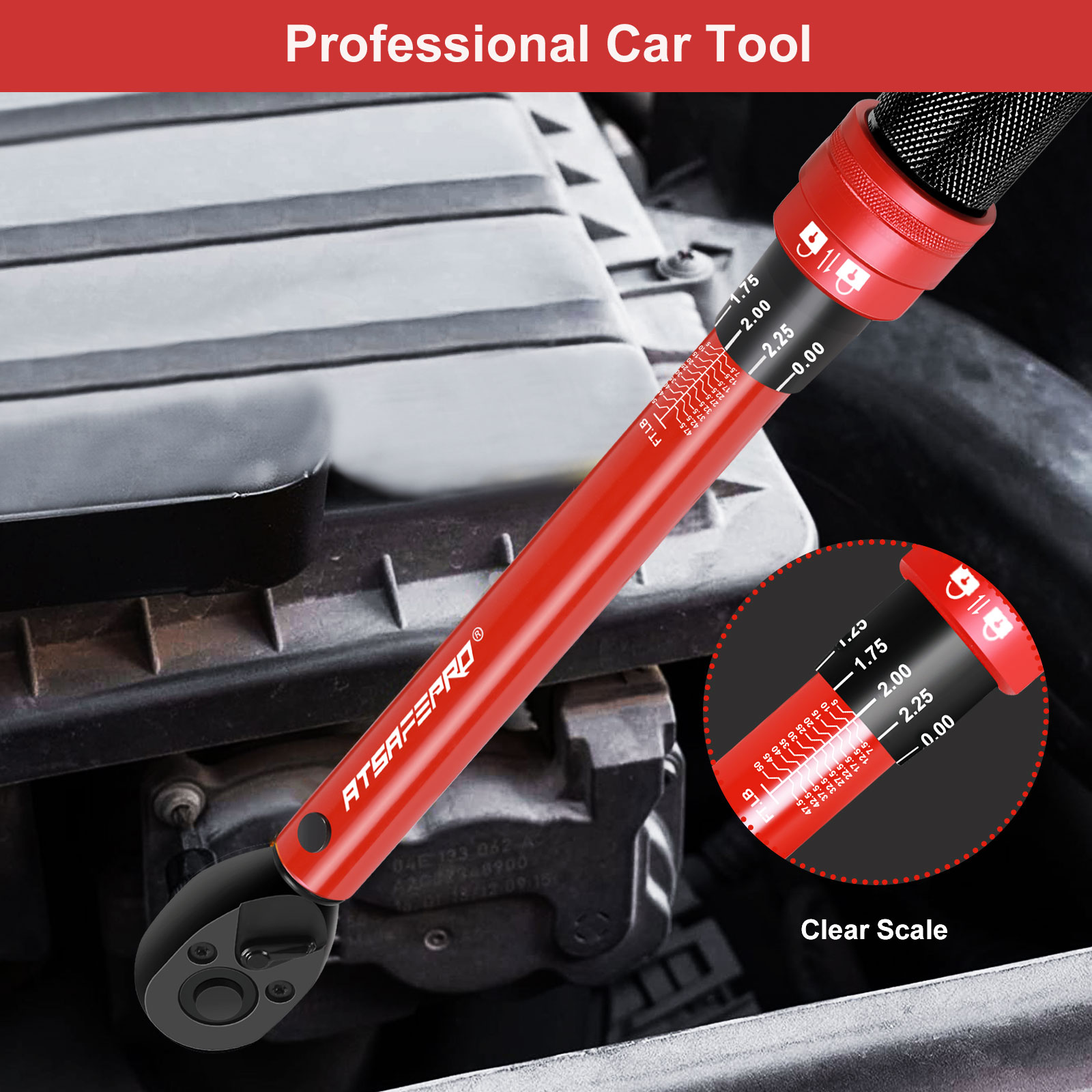
Suggested image: Screenshot of a mobile app controlling a smart camper (lighting, temperature, solar charging) alongside a close-up of an AI-powered torque wrench with digital readouts.
Game-Changing Tech:
• Smart Campers: 星空梦屋’s RVs feature the world’s first intelligent control system for motorhomes, allowing users to adjust lighting, locks, air conditioning, and water heaters via voice commands or a mobile app—eliminating the need for multiple remotes. Their models also include fully automated hitching and unhitching, turning a 30-minute chore into a 5-minute task.
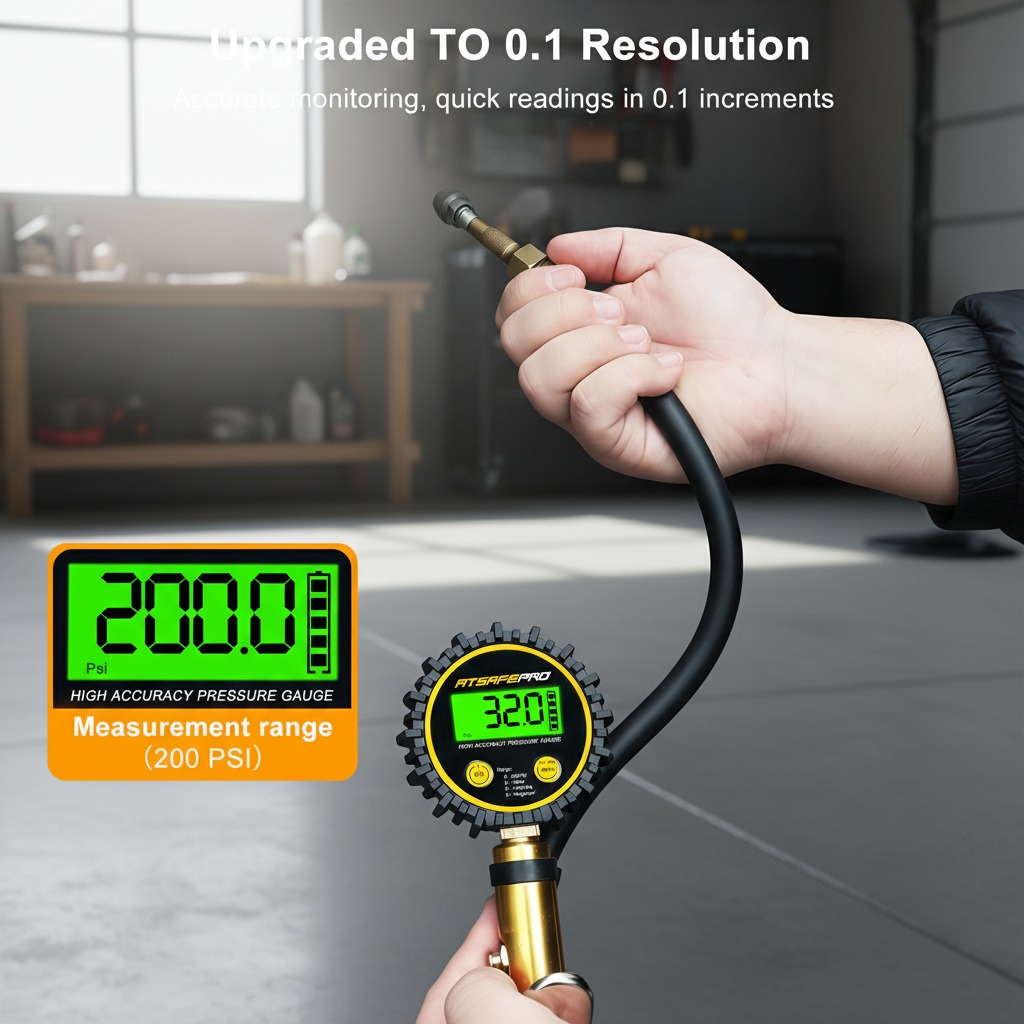
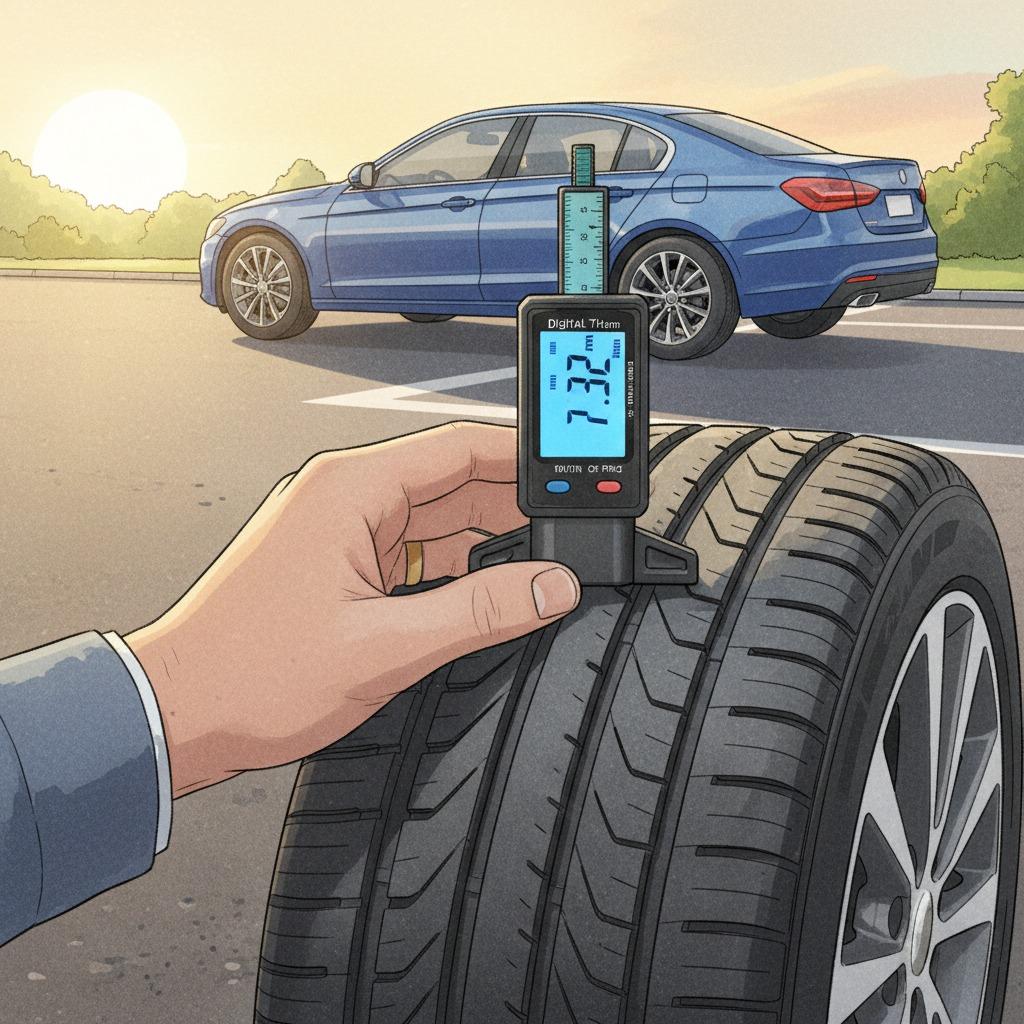
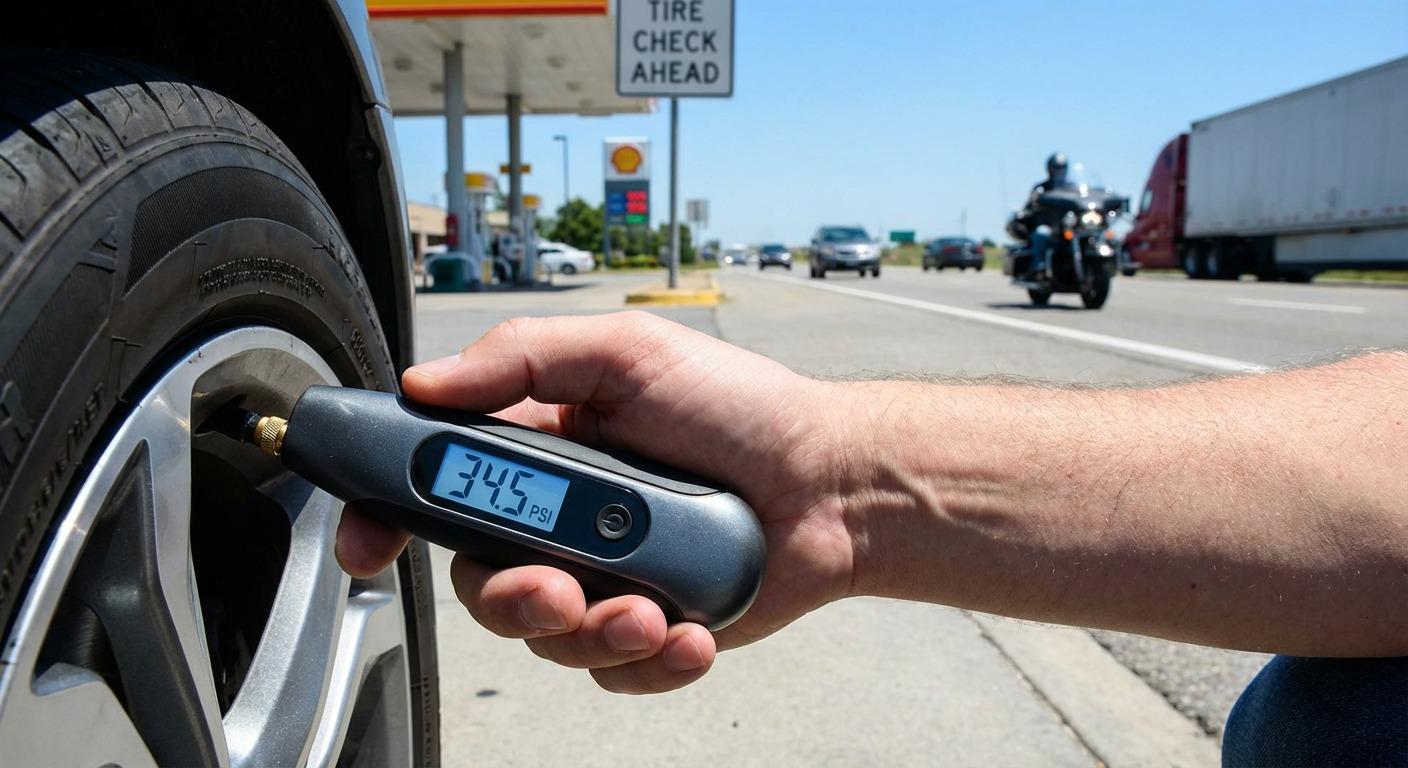
• Tool Innovation: Automotive outdoor tools (like torque wrenches, tire inflators, and jump starters) now come with digital displays, Bluetooth connectivity, and error-detection technology, making them more user-friendly for beginners and precise for enthusiasts.
• Safety & Convenience: Gear like roof rack 射灯 (spotlights) with motion sensors, waterproof tactical storage boxes with app-controlled locks, and solar-powered emergency beacons enhance both safety and ease of use during outdoor trips.
4. Versatility & Customization: Gear for Every Adventure
Modern consumers demand gear that adapts to diverse activities—from off-roading and fishing to family camping and digital nomadism:
Suggested image: Collage of an Iveco Daily Camper with customizable 外挂板 (external mounting plates) for fishing rods, bicycles, and fuel tanks; a foldable outdoor kitchen; and a pop-up roof tent.
Standout Examples:
• Iveco Daily Camper: This "mobile LOFT" features a non-load-bearing body, large internal space, and DIY-friendly design. It can be customized with fishing rod holders, bike racks, or a portable kitchen, while standard features like a 3-meter awning, 29-liter water tank, and T-MAX winch cater to off-road and camping needs alike.
• Modular Systems: Brands now offer interchangeable gear systems—think roof racks that switch from carrying kayaks to cargo boxes, or camping chairs that convert into backpacks. This versatility reduces clutter and caters to multi-activity lifestyles.
• Crossover Appeal: Gear now bridges "car" and "outdoor" use cases, such as seat covers that double as picnic blankets, or trunk organizers that transform into camping tables—perfect for urban dwellers who want adventure-ready gear without sacrificing daily utility.
5. Global Market Growth & Future Outlook
The automotive outdoor gear industry is booming, driven by rising adventure tourism, EV adoption, and sustainability awareness. Key trends to watch by 2030:
• Market Expansion: The global market for automotive camping gear is projected to grow at a CAGR of 8.2%, with Asia-Pacific leading growth as Chinese brands like 星空梦屋 expand into Europe and North America.
• EV-Centric Innovation: Gear will become even more integrated with EVs, including lightweight, aerodynamic designs to preserve range and AI-powered energy management systems.
• Sustainability as Standard: Recycled and biodegradable materials will no longer be premium add-ons but baseline requirements, as governments implement stricter environmental regulations.
• Hyper-Personalization: Customizable gear bundles tailored to specific activities (e.g., "overlanding essentials" or "digital nomad kits") will gain popularity, driven by consumer demand for personalized experiences.
Conclusion: Gear That Grows With Your Adventures
The evolution of automotive outdoor gear reflects a broader shift in how we interact with our vehicles and the great outdoors. What was once functional is now smart, sustainable, and versatile—empowering explorers to go further, stay longer, and leave a smaller footprint. As EVs become more mainstream and consumers crave authentic, eco-friendly adventures, the industry will continue to innovate, blurring the lines between car, gear, and lifestyle.
Whether you’re a weekend camper, a seasoned off-roader, or a digital nomad, 2025’s automotive outdoor gear offers something for everyone—proving that the best adventures are built on gear that works as hard as you do.
Data sources: China Economic Net, Southern Finance and Economics Network, China Automotive News, Industry Market Research Reports