
Ensuring your vehicle is safe for the road involves several routine checks, but few are as critical as monitoring the health of your tires. Your tires are the only point of contact between your car and the pavement, directly influencing braking, handling, and overall stability. A key aspect of this maintenance is regularly checking your tire tread, and the most accurate way to do this is with a proper tire tread depth gauge. This simple device can provide crucial information about your tire’s condition, helping you identify potential safety issues before they become serious problems and letting you know when it’s time for a replacement.
Understanding the Importance of Tire Tread Depth
Tire treads are designed with intricate patterns of grooves and channels for a specific reason: to provide grip and evacuate water from beneath the tire. When driving on wet surfaces, these channels are essential for preventing a dangerous phenomenon known as hydroplaning, where a layer of water builds up between the tire and the road, causing a loss of traction and control. As a tire wears down, the depth of these grooves diminishes, reducing its ability to effectively channel water away. This results in significantly longer braking distances, especially in rain or snow, and a much higher risk of skidding. In most jurisdictions, there is a legal minimum tread depth, typically 2/32 of an inch. Driving with tires worn below this limit is not only unsafe but can also result in fines and failed vehicle inspections. Regularly performing a tire depth measurement ensures you are both safe and compliant with the law.
Choosing the Right Tire Tread Depth Tool
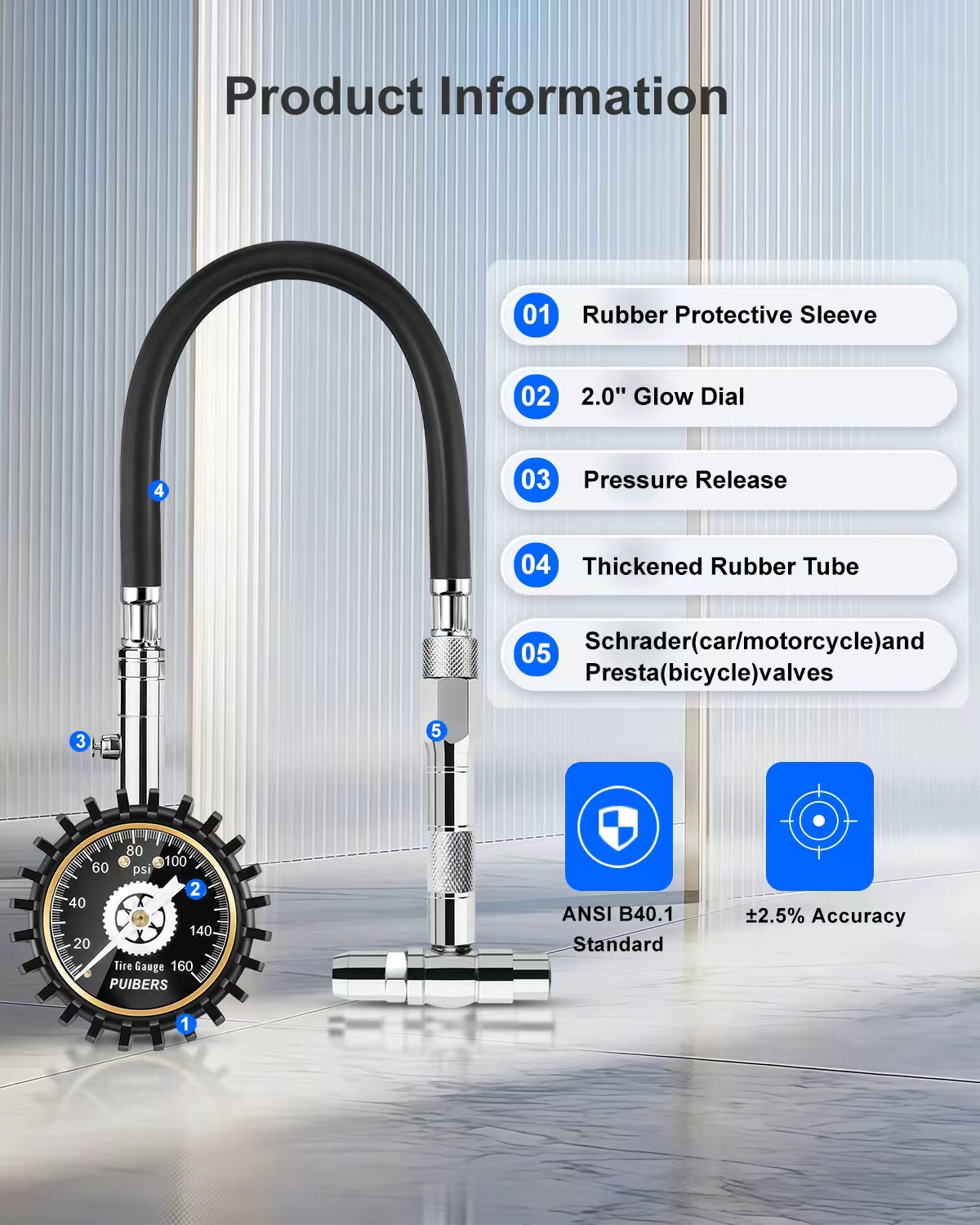
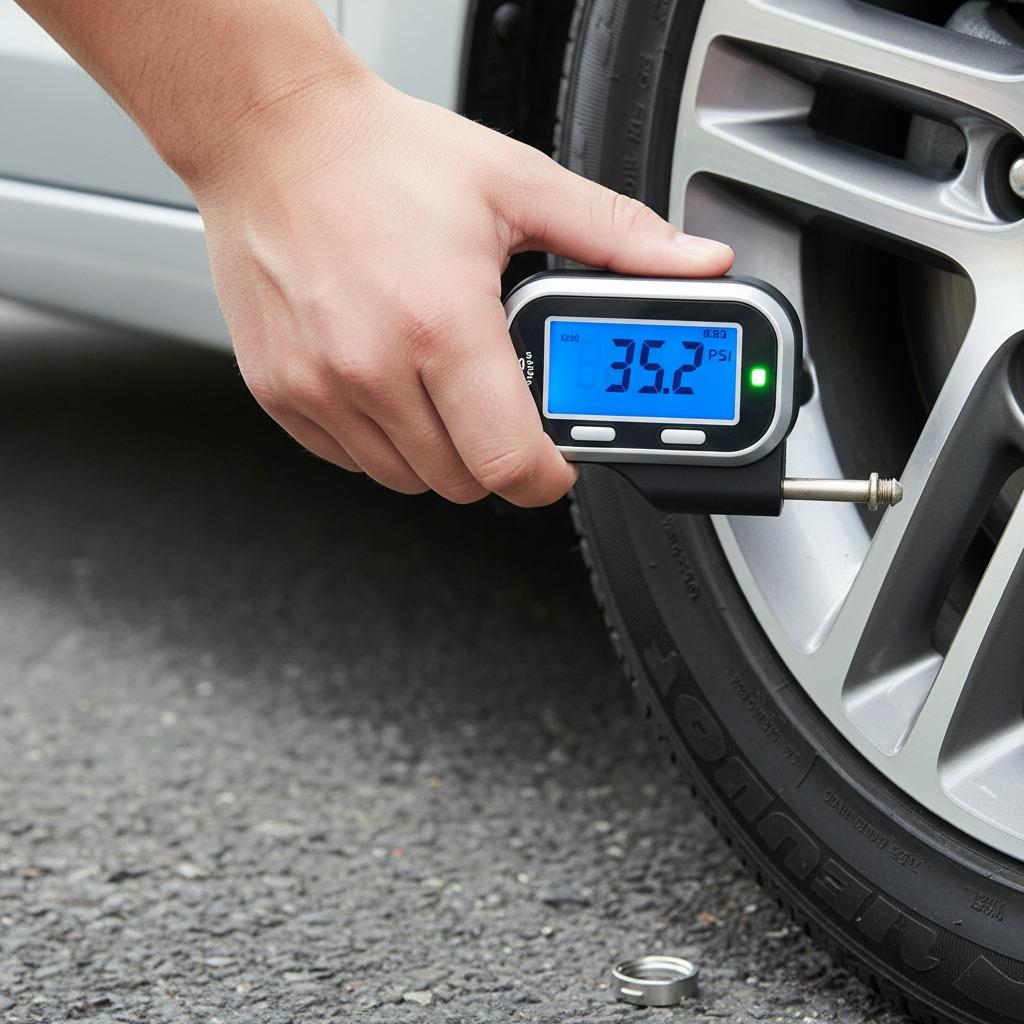
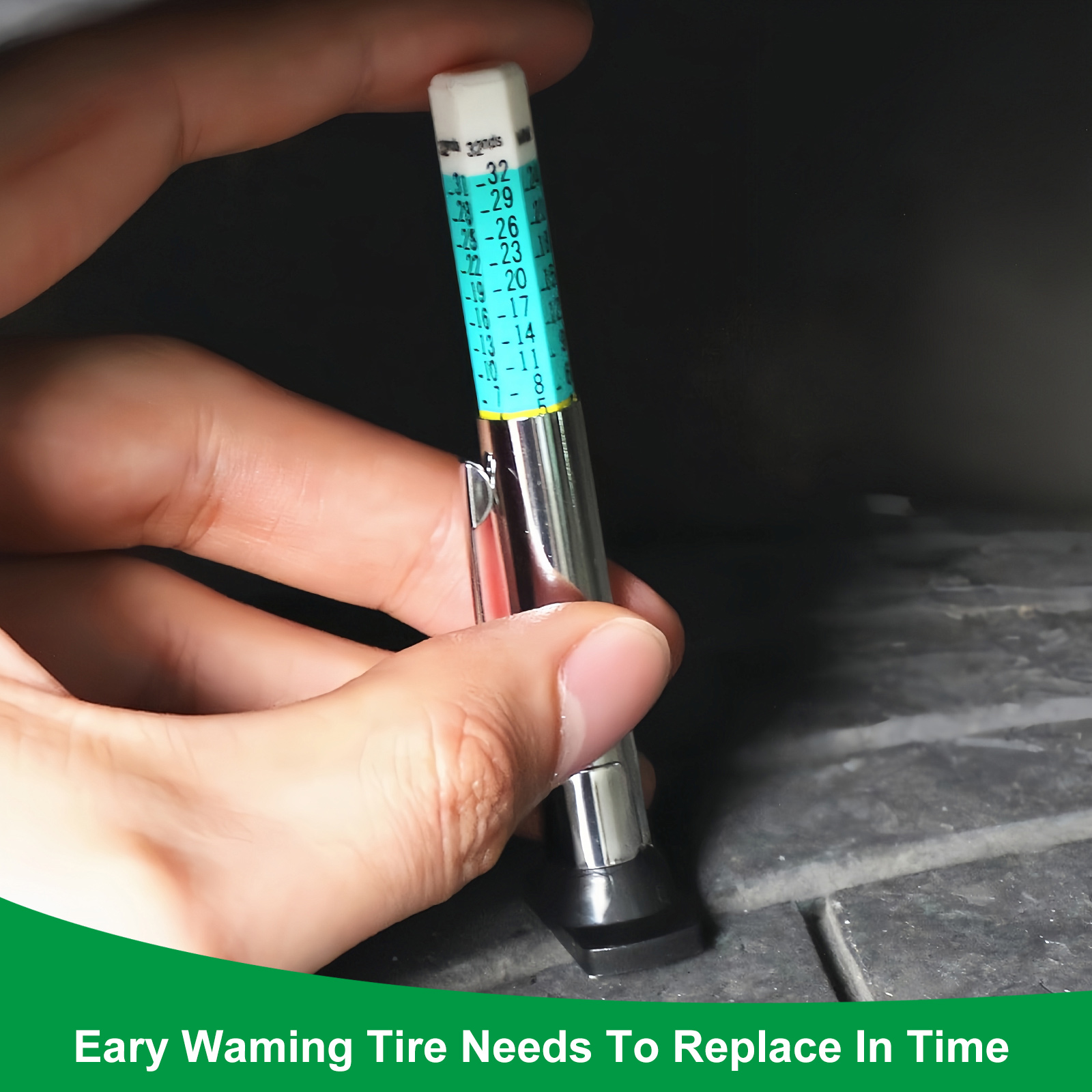
When it comes to selecting a tire tread depth tool, you have a few options, each with its own advantages. The most common types are digital, dial, and stick gauges. Digital gauges are highly popular due to their precision and ease of use; they display the exact measurement on an LCD screen, eliminating any guesswork. Dial gauges, with their clock-like face and needle, are also very accurate and easy to read for those who prefer an analog display. The simplest and most affordable option is the stick or probe gauge, which uses a sliding measurement stick to indicate the depth. While less technologically advanced, it is perfectly effective for the task. Regardless of the type you choose, owning a dedicated tool is a small investment that pays huge dividends in safety and peace of mind. These tools are readily available at auto parts stores and online, making them accessible to every car owner.
A Simple Guide: How to Measure Tire Tread Depth
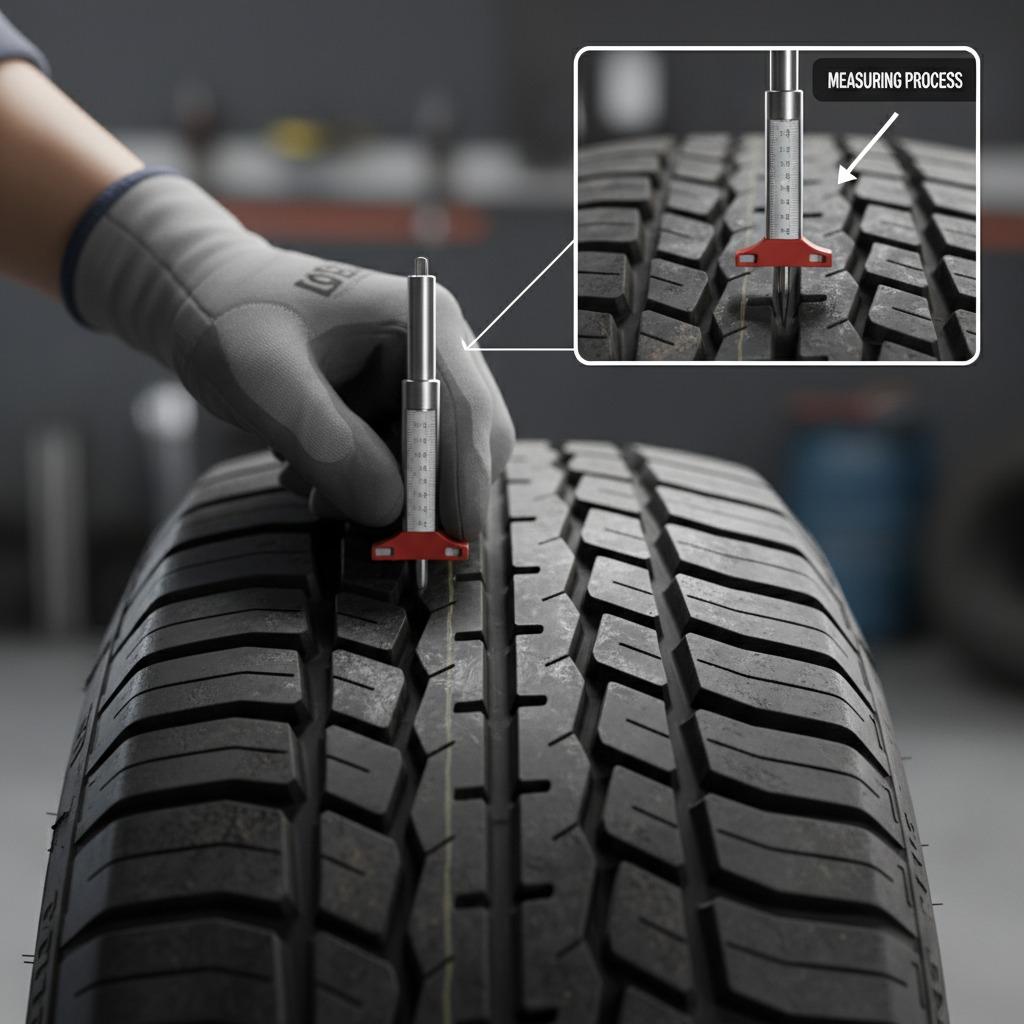
The process of how to measure tire tread depth is straightforward and takes only a few minutes. First, park your car on a flat, level surface to ensure you get an accurate reading. Take your tire tread depth gauge and insert the pin or probe into one of the main circumferential grooves of the tire. It's important to place the probe on the flat part of the tread, not on the raised bumps, which are known as tread wear indicator bars. Once the probe is in the groove, press the base of the gauge down firmly until it is flush with the surrounding tread blocks. Now, you can read the measurement. For a comprehensive check, you should repeat this tire depth measurement on the inner, middle, and outer grooves of each tire. This helps you not only determine the overall wear but also identify any uneven wear patterns, which could indicate issues with alignment or inflation.
The Penny Test: A Quick Check Without a Gauge
If you find yourself without a dedicated tool, there is a well-known trick you can use for a quick assessment: the penny test. This method is not as precise as using a gauge but can give you a general idea of your tire's condition. To perform the test, take a standard penny and place it upside down, with Abraham Lincoln's head facing you, into a tread groove. If the top of Lincoln's head is obscured by the tread, you have more than 2/32 of an inch remaining, which is generally considered safe. However, if you can see all of his head, it's a strong indicator that your tire tread is at or below the legal minimum, and you should replace your tires immediately. While useful in a pinch, this test should not replace a proper measurement with an accurate tire tread depth tool.
What Your Tire Depth Measurement is Telling You
Interpreting the readings from your gauge is simple. A new tire typically has a tread depth of 10/32 to 11/32 of an inch. If your measurement is 6/32 of an inch or more, your tires have plenty of life left. When the depth reaches 4/32 to 5/32 of an inch, you should start considering replacements, as their performance in wet or snowy conditions will be noticeably reduced. At 3/32 of an inch, you are approaching the wear limit and should plan for replacement very soon. Anything at or below 2/32 of an inch is unsafe and requires immediate action. Furthermore, inconsistent readings across a single tire can diagnose other problems. If the center is more worn than the edges, it suggests over-inflation. If both edges are worn, it indicates under-inflation. Wear on just one side often points to a wheel alignment problem, which should be addressed by a professional.
Proactive Maintenance for a Safer Drive
Regularly checking your tire tread is a fundamental part of responsible vehicle ownership. It’s a simple, quick task that provides invaluable insight into the safety and performance of your vehicle. By investing in an inexpensive tire tread depth gauge and incorporating this check into your monthly maintenance routine, you can catch wear early, address underlying issues like poor alignment, and ensure you replace your tires before they become a danger to you and others on the road. Don’t wait for a scheduled service or a failed inspection; take control of your vehicle’s safety by making tire tread measurement a regular habit.