
Winter’s snow, ice, and frigid temperatures put extra stress on tires—and poor maintenance can turn even top-quality winter tires into safety hazards. To keep your winter tires performing at their best, follow this straightforward guide.
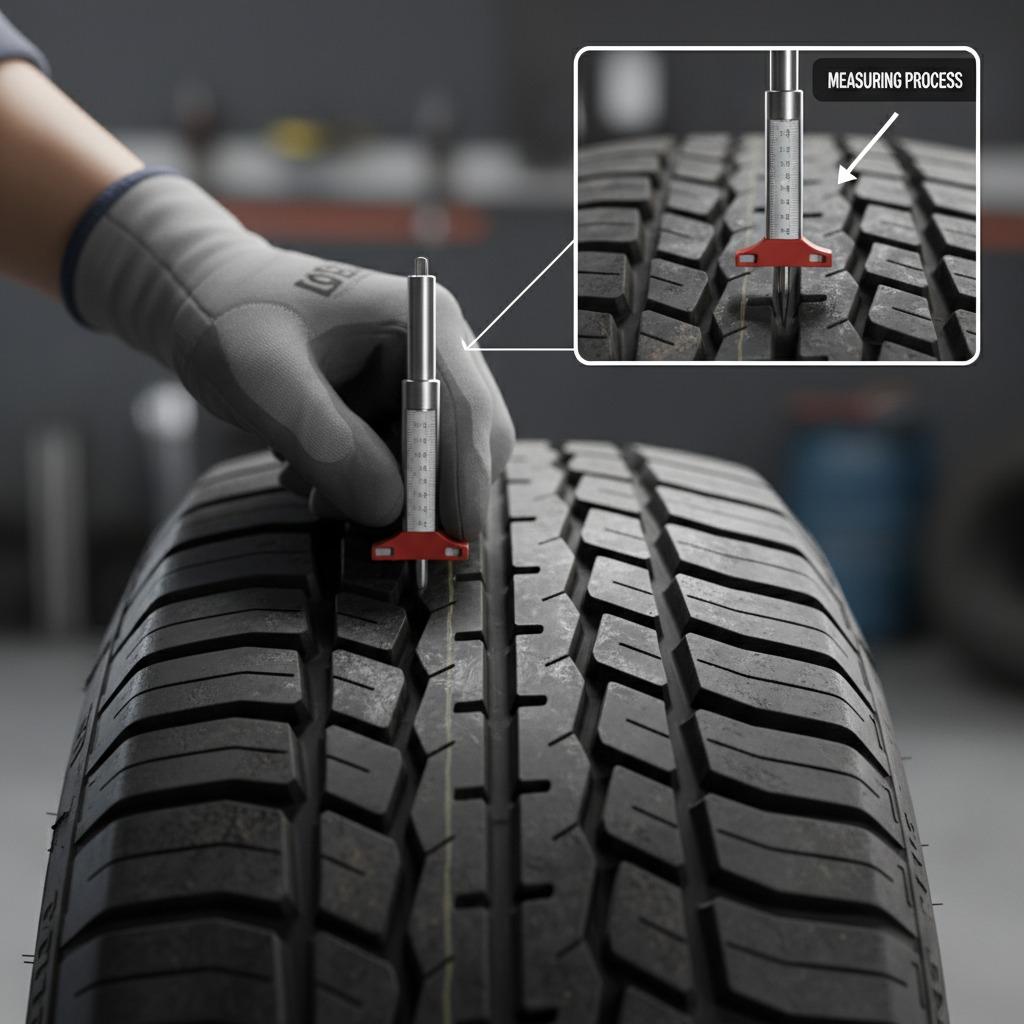
First, prioritize tread depth checks. Winter tires rely on deep treads to bite into snow and channel slush away from the tire’s surface. The minimum safe tread depth for winter driving is 6/32 of an inch (4.8mm)—any shallower, and you’ll lose critical traction. A simple way to test this is the penny trick: insert a penny into the tread groove with Lincoln’s head facing down. If you can see the top of Lincoln’s head, it’s time to replace the tires. Do this check monthly during winter—snow and ice wear tread faster than dry pavement.
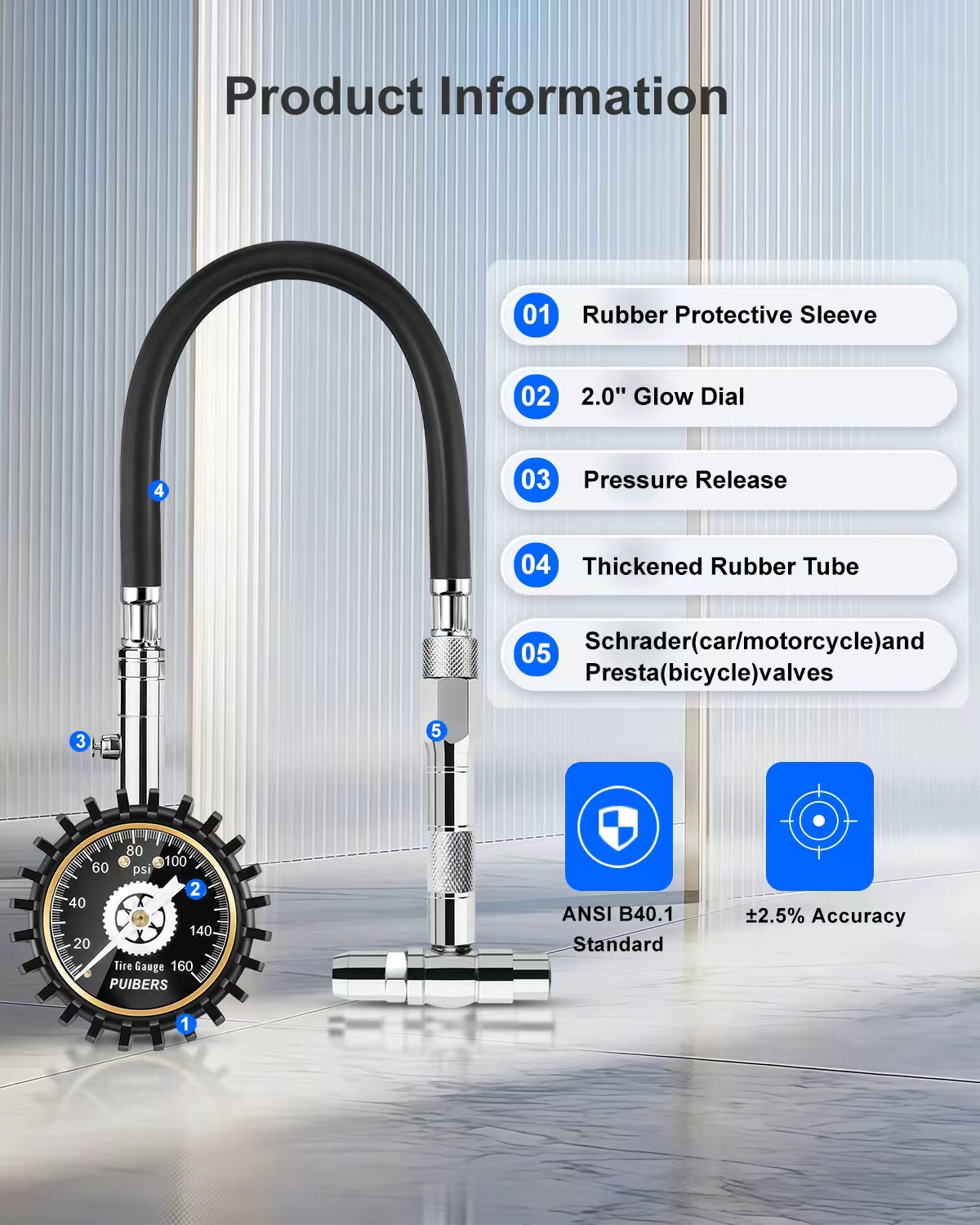
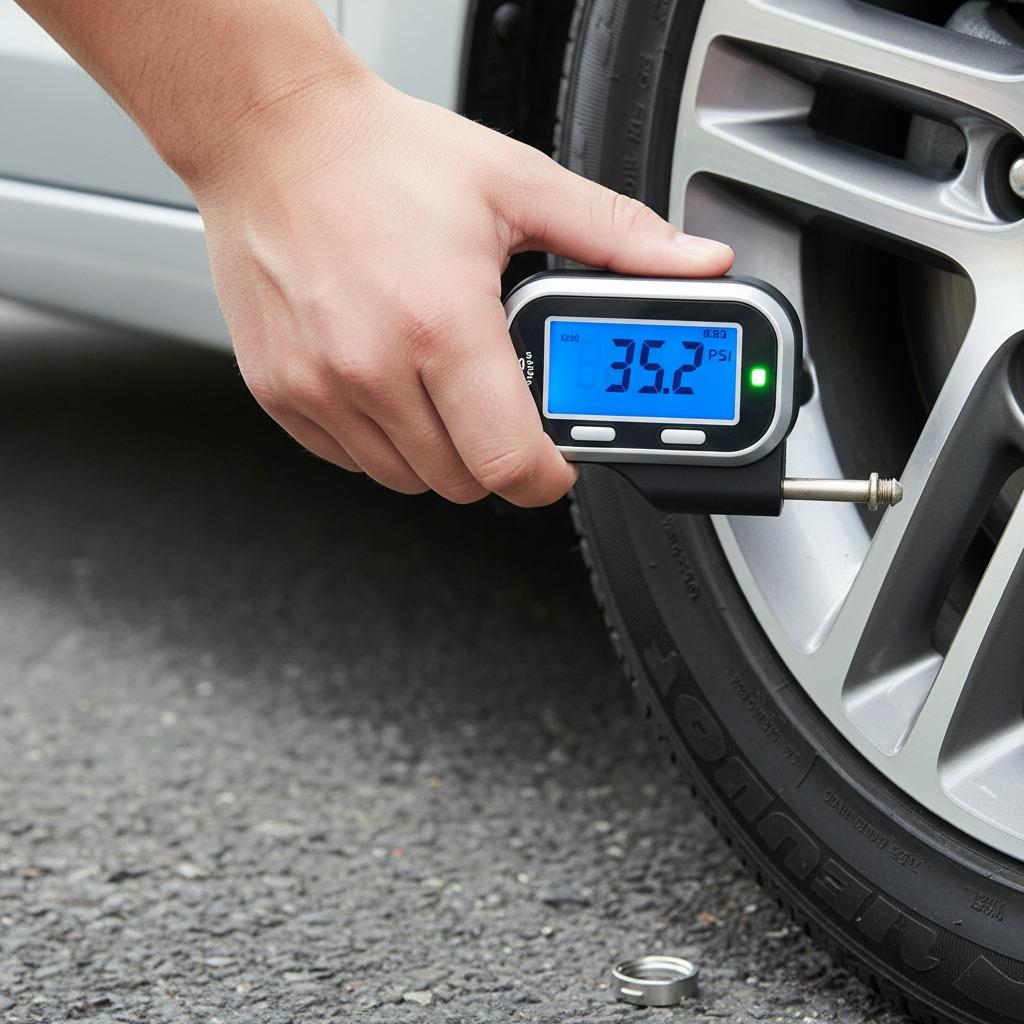
Next, monitor tire pressure closely. Cold air causes tire pressure to drop: for every 10°F (5.6°C) temperature drop, pressure decreases by about 1-2 PSI. Underinflated winter tires have less grip on ice and snow, and they wear unevenly. Check pressure at least once a month (when tires are cold, as driving heats them up and skews readings) and inflate to 3-5 PSI higher than your car’s summer tire pressure recommendation—this compensates for winter pressure loss. Always use a digital pressure gauge for accuracy; analog gauges can be off by 2-3 PSI.
Don’t forget to clean tread grooves regularly. After snowstorms, packed snow and ice often get stuck in the tread’s voids, reducing traction. Use a small, stiff-bristled brush (or even a screwdriver, gently) to scrape out debris—focus on deep grooves where snow builds up most. This takes just a minute after each drive and ensures your tires can grip the road properly for your next trip.
When winter ends, store your tires correctly to extend their life. First, clean them thoroughly with soap and water to remove salt and road grime (salt can corrode rubber over time). Then, dry them completely to prevent mold growth. Store them in a cool, dry place—avoid direct sunlight, heaters, or damp areas, as these speed up rubber aging. If space allows, stack tires horizontally or hang them (for unmounted tires) to avoid pressure points that cause flat spots.
By following these steps, you’ll keep your winter tires in top shape for 3-4 winter seasons. Remember: winter tire maintenance isn’t just about longevity—it’s about keeping you and your passengers safe when roads are at their most dangerous.
Related to this production :