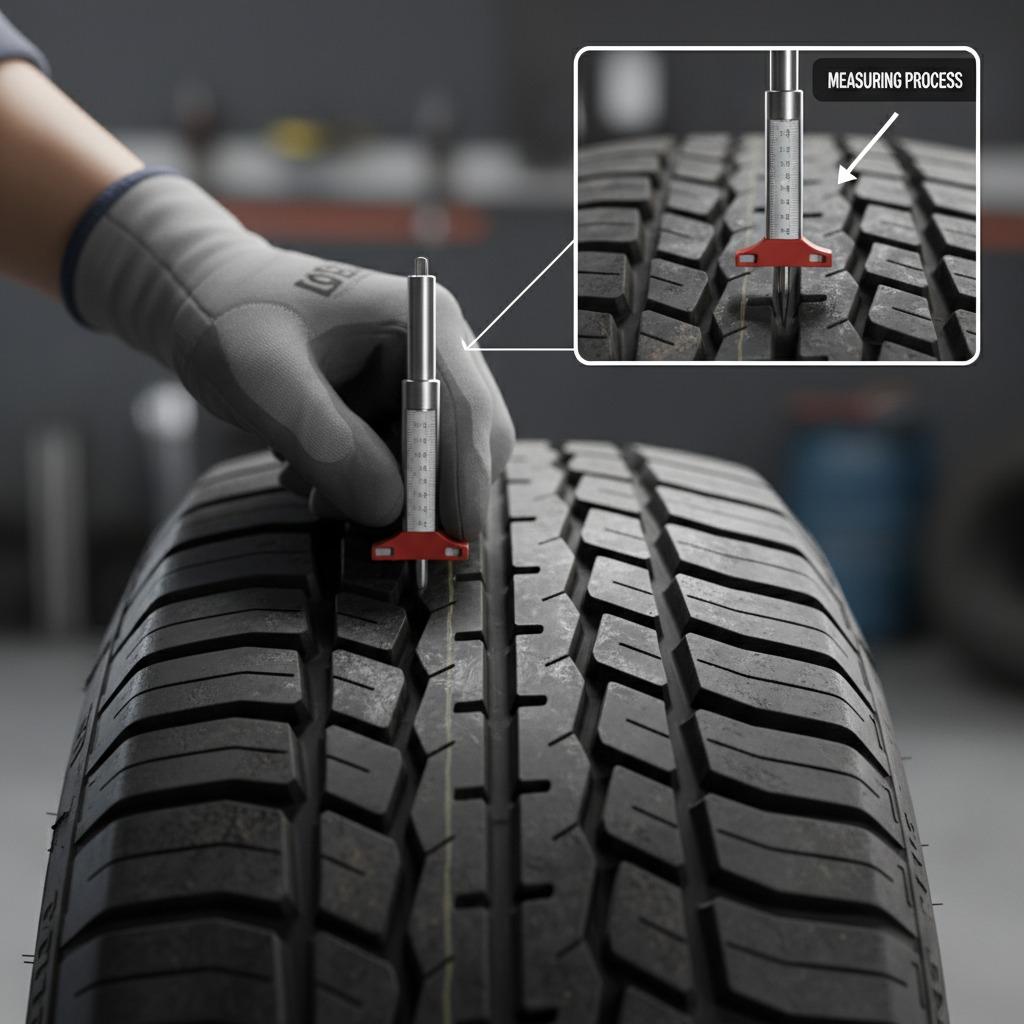

Understanding the Importance of Tire Gauges for Safe Driving
Tire gauges are essential tools that every driver should have in their toolkit to ensure vehicle safety and efficiency. These devices measure the air pressure in your tires, helping you maintain optimal levels that directly impact handling, fuel economy, and tire longevity. Imagine gliding down a highway with the confidence that your tires are perfectly inflated—no guesswork, just precision. In today's fast-paced world, where roads are bustling and conditions vary, relying on tire gauges can prevent accidents and save you money on unexpected repairs.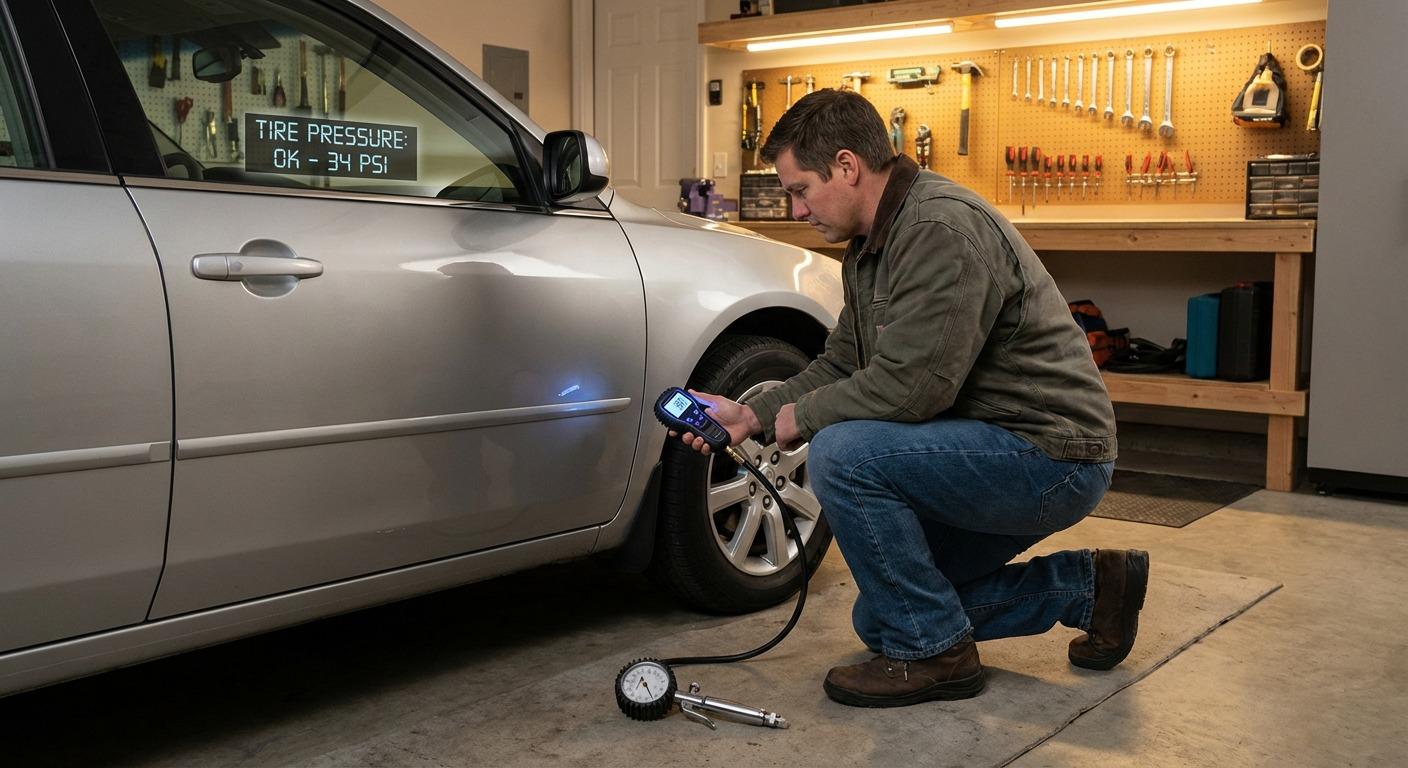
Exploring Tire Pressure Gauges: The Foundation of Tire Maintenance
Tire pressure gauges come in various forms, each designed to provide accurate readings for different needs. At their core, they act as the first line of defense against underinflation or overinflation, which can lead to uneven wear or blowouts. Picture a simple yet reliable tire pressure gauge slipping effortlessly onto your valve stem, delivering a quick PSI reading that tells you everything you need to know. Whether you're a daily commuter or an off-road adventurer, incorporating a quality tire pressure gauge into your routine ensures your vehicle performs at its best, reducing the risk of hydroplaning in rain or skidding on dry pavement.
From basic models that rely on mechanical action to advanced electronic versions, tire pressure gauges have evolved to meet modern demands. They are compact, portable, and easy to use, making them ideal for roadside checks or pre-trip inspections. By regularly using a tire pressure gauge, you not only enhance safety but also extend the life of your tires, potentially saving hundreds in replacement costs over time.
The Rise of Digital Tire Gauges: Precision at Your Fingertips
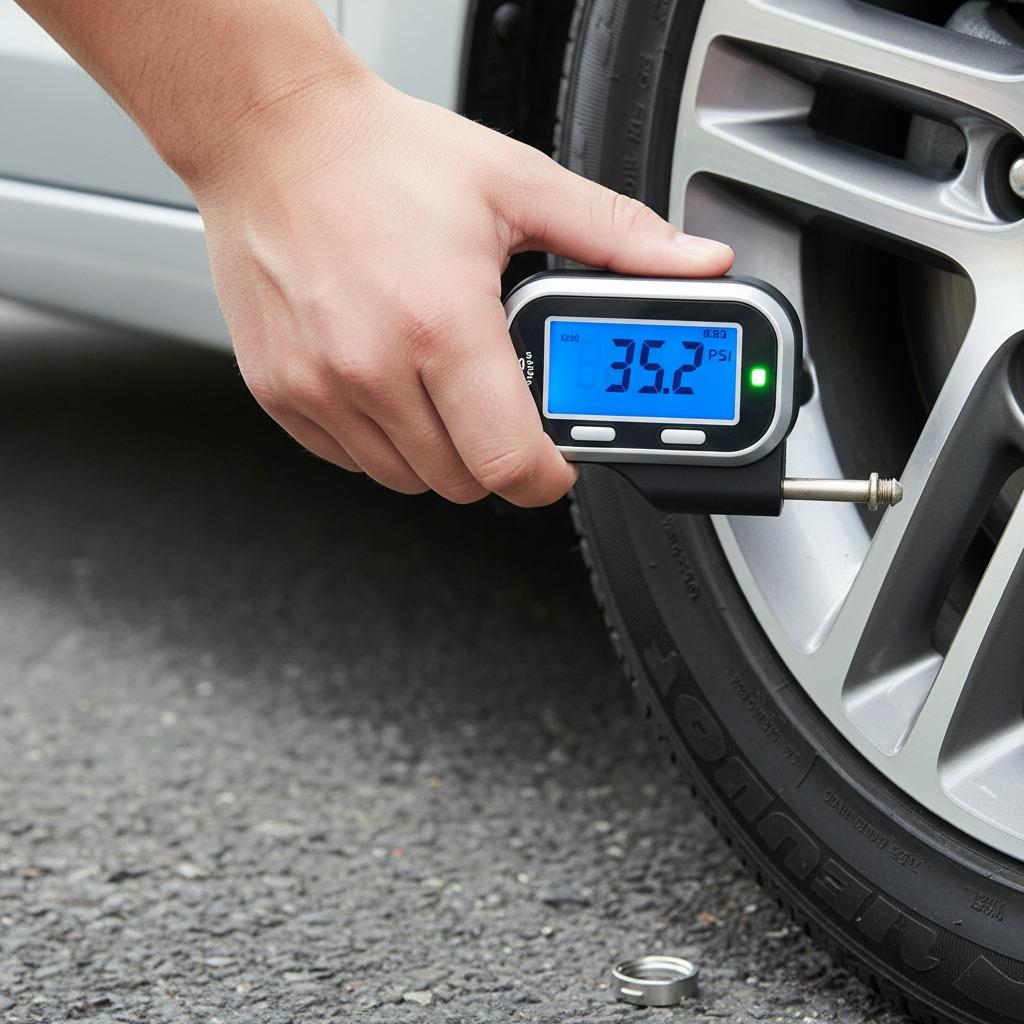
Digital tire gauges represent the pinnacle of convenience and accuracy in tire monitoring technology. These battery-powered wonders feature clear LCD screens that display readings in real-time, often with backlighting for low-light conditions. Envision holding a sleek digital tire gauge that beeps softly upon connection, instantly showing you if your pressures are within the manufacturer's recommended range. Unlike their mechanical counterparts, digital tire gauges minimize user error, providing consistent results even in challenging environments like cold garages or dusty trails.
What sets the best digital tire gauge apart is its multifunctionality—many include features like memory recall for previous readings or automatic shut-off to preserve battery life. For tech-savvy drivers, these gauges integrate seamlessly with smartphone apps for logging data over time, turning tire maintenance into a proactive habit. Investing in a top-rated digital tire gauge means you're not just measuring pressure; you're gaining insights that optimize your driving experience and fuel efficiency.
Classic Appeal of Analog Tire Gauges: Reliability Without Batteries
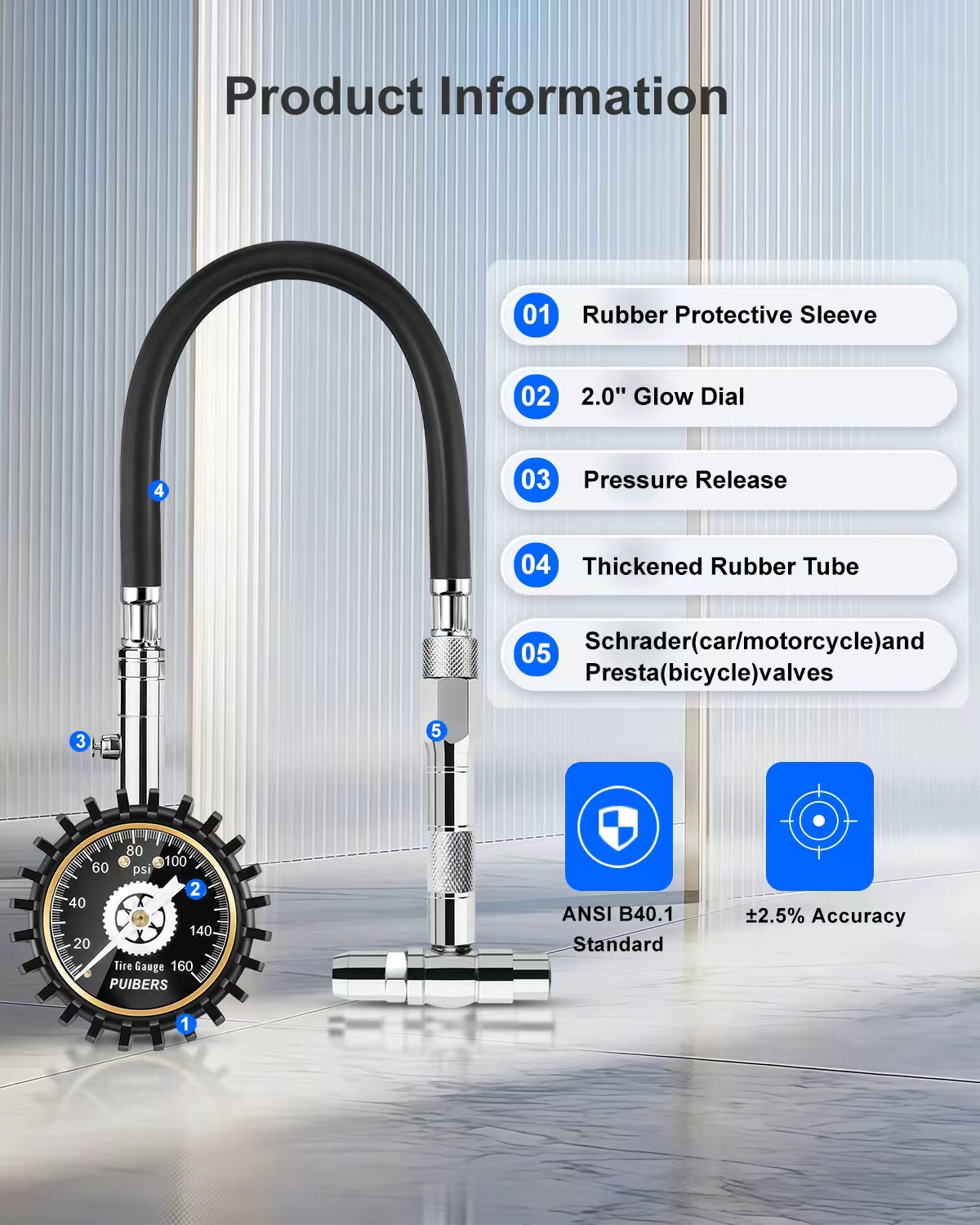
For those who prefer a no-fuss approach, analog tire gauges offer timeless reliability without the need for electronics. These sturdy devices use a sliding rod or dial mechanism to indicate pressure, providing a tactile feedback that's satisfying to use. Think of the satisfying click as an analog tire gauge locks onto the valve, revealing the pressure through a clear, easy-to-read scale. Their durability shines in rugged conditions, where digital models might falter due to battery issues or extreme temperatures.
Analog tire gauges are often more affordable and require zero maintenance, making them a staple in many garages. They embody simplicity, allowing you to focus on the essentials of tire care without distractions. Whether you're checking pressures before a long road trip or maintaining a fleet of vehicles, an analog tire gauge delivers dependable performance that has stood the test of time.
Tire Pressure Monitors: Beyond Basic Gauges for Continuous Vigilance
Tire pressure monitors take tire safety to the next level by providing ongoing surveillance rather than one-off checks. Installed directly in the wheels or as aftermarket systems, these devices alert you to pressure drops via dashboard warnings or mobile notifications. Visualize driving with peace of mind, knowing a tire pressure monitor is silently watching for issues like slow leaks from punctures or natural deflation over time. This continuous monitoring is especially valuable for long-haul drivers or those in remote areas where stopping to use a manual gauge isn't feasible.
Modern tire pressure monitors often pair with your vehicle's onboard computer, offering detailed diagnostics that go beyond simple PSI readings. They can detect temperature fluctuations that affect pressure and even suggest adjustments based on load or weather. By integrating a tire pressure monitor into your setup, you elevate your vehicle's safety profile, reducing the chances of tire-related failures that could lead to costly towing or repairs.
Selecting the Best Tire Pressure Gauge for Your Needs
Choosing the best tire pressure gauge depends on your driving habits, vehicle type, and budget. For everyday use, a versatile digital tire gauge might be ideal, offering quick reads and portability. If you value robustness over gadgets, an analog tire gauge provides straightforward accuracy without complications. And for comprehensive coverage, combining a tire pressure monitor with a handheld best tire pressure gauge ensures you're covered in every scenario.
Consider factors like measurement range (typically 0-100 PSI for cars), ease of reading, and build quality when shopping. The best tire pressure gauge isn't just about numbers—it's about the confidence it instills in your daily drive. Regular use of these tools can improve fuel economy by up to 3%, according to automotive experts, translating to real savings at the pump.
Maintaining Optimal Tire Pressure: Tips and Best Practices
To maximize the benefits of tire gauges, establish a routine for checking pressures monthly or before long journeys. Always consult your vehicle's manual for recommended PSI levels, as they vary by model and load. Use your tire pressure gauge in a cool environment to avoid heat-induced inaccuracies, and deflate or inflate as needed for balance across all tires.
Beyond gauges, rotate tires every 6,000 miles and inspect for wear patterns that might indicate pressure issues. By treating tire gauges as indispensable allies, you transform routine maintenance into a safeguard for adventure. Whether it's a digital tire gauge for precision or an analog tire gauge for simplicity, these tools empower you to drive smarter and safer.
In conclusion, tire gauges are more than accessories—they're vital for longevity, efficiency, and peace of mind on the road. Embracing tire pressure gauges, digital or analog, alongside tire pressure monitors, equips you to handle whatever the journey brings. Make the switch to the best tire pressure gauge today and feel the difference in every mile.