

Commercial vehicles (trucks, vans, fleets) have unique 胎压检测 needs due to heavy loads and long hours on the road. For light-duty vans, check pressure every week—they often carry variable loads, which alter pressure needs. Heavy-duty trucks require daily checks: inspect all tires (including spares and trailers) before each trip, as a single underinflated tire can reduce fuel efficiency by 5% and cause premature wear. Use a heavy-duty gauge (capable of 80+ PSI) for trucks with high-pressure tires. When hauling maximum loads, increase pressure by 8-10 PSI (within tire limits) to support weight. For fleets, implement a scheduled check system—assign drivers to log pressure readings, and use digital gauges that sync data to a central system for tracking. Overlooking commercial vehicle pressure checks leads to costly downtime, tire replacements, and safety risks. Tailoring checks to heavy-use needs protects both assets and drivers.
Tire Pressure Checks for Commercial Vehicles: Trucks, Vans, and Fleet
- Company news

Advanced Torque Wrench Tips, Maintenance, and Common Mistakes to Avoid
Torque Wrench Calibration: Why It’s Essential for Accuracy Proper Torque Wrench Maintenance to Extend Its Lifespan Common Torque Wrench Mistakes Even Experienced Mechanics Make When to Replace Your Torque Wrench
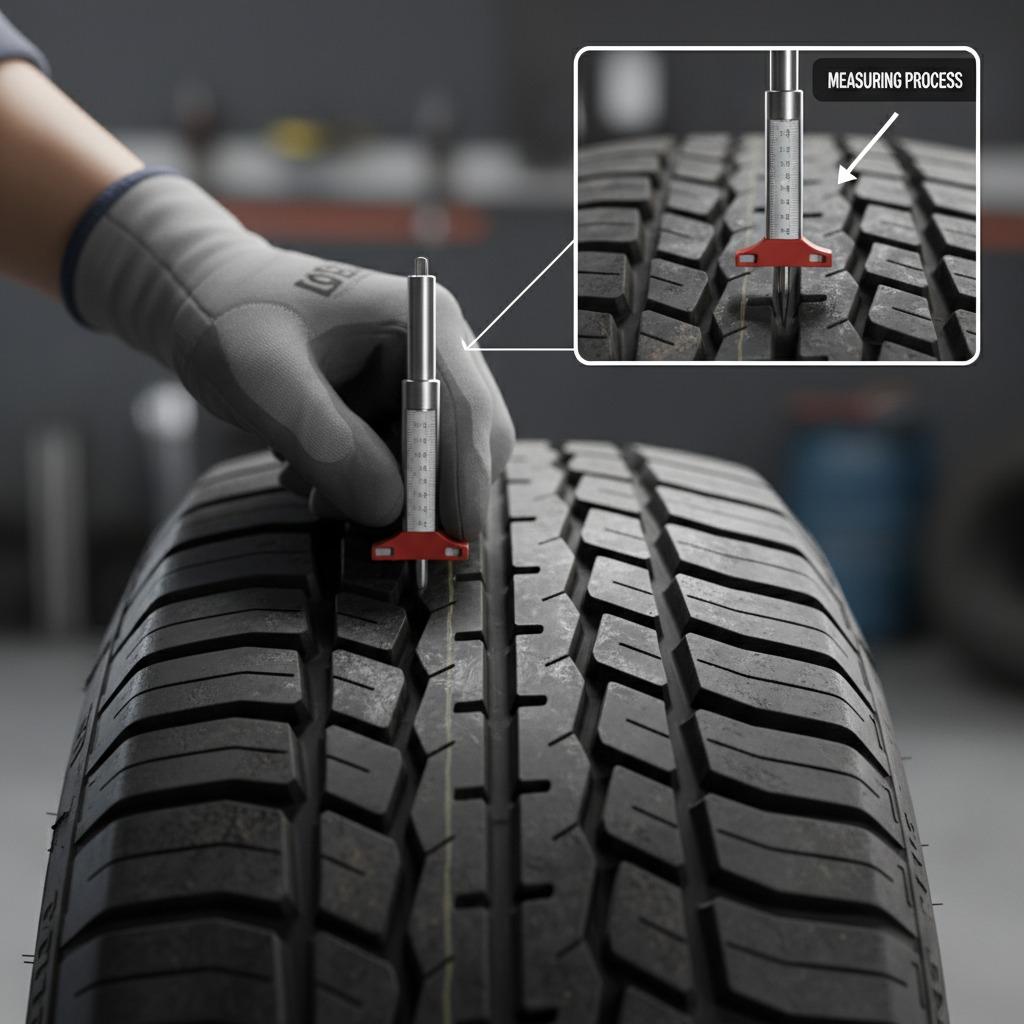
How to Choose the Best Tire Tread Depth Gauge for Car & Motorcycle Safety
Learn how to pick a reliable tire tread depth gauge for accurate tire safety checks. ATSAFEPRO shares expert tips on glow-in-the-dark design, precision measurement, and portable build for daily vehicle maintenance.
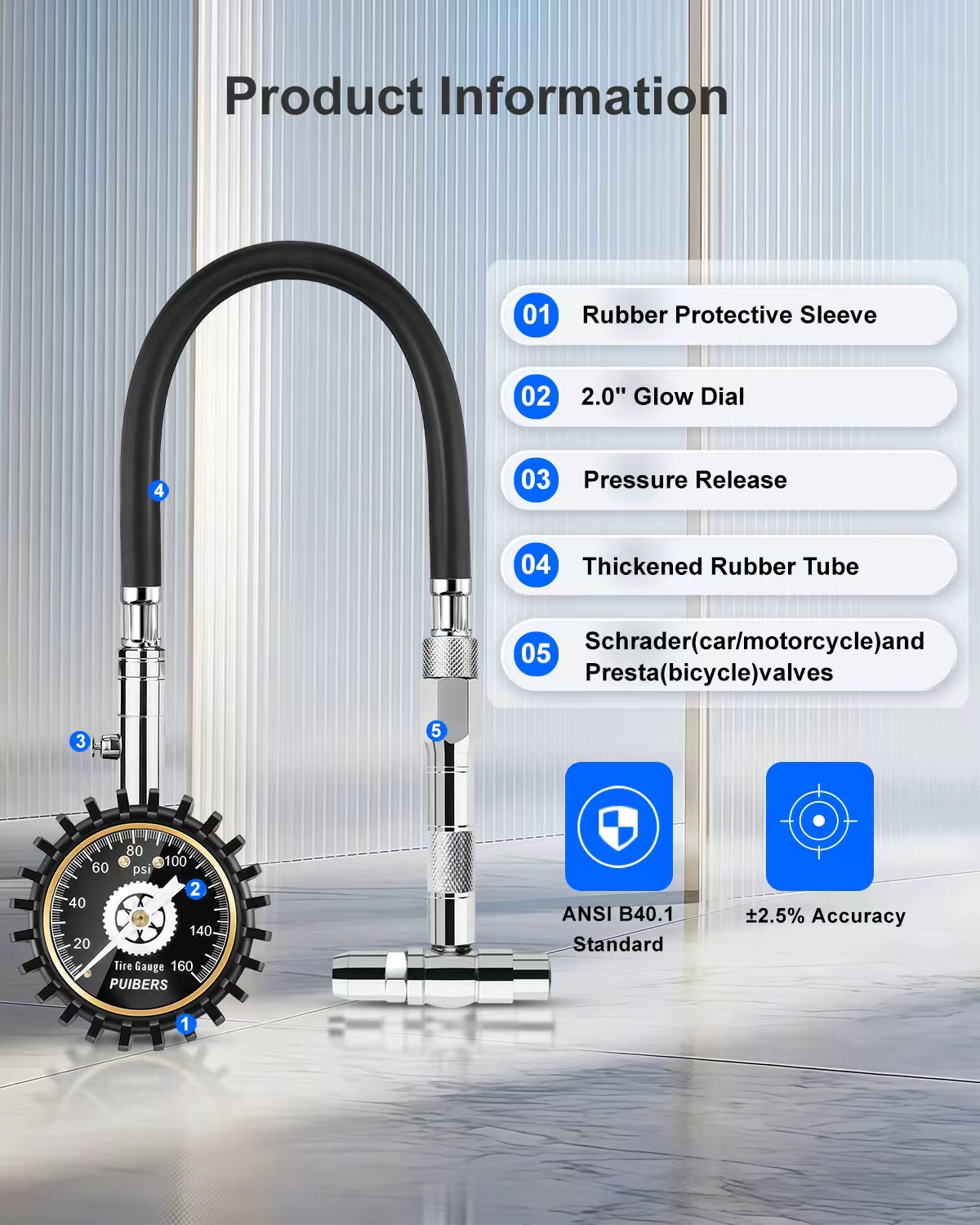
How to Choose the Best Tire Pressure Gauge for Car, Bike & Motorcycle Maintenance
Discover the ideal accurate tire pressure gauge for safe car, bike and motorcycle maintenance. ATSAFEPRO shares expert insights on ±2.5% accuracy, glow dial and universal valve compatibility.

How to Choose the Best Tire Pressure Gauge for Car, Bike & Motorcycle Maintenance
Discover the ideal accurate tire pressure gauge for safe car, bike and motorcycle maintenance. ATSAFEPRO shares expert insights on ±2.5% accuracy, glow dial and universal valve compatibility.
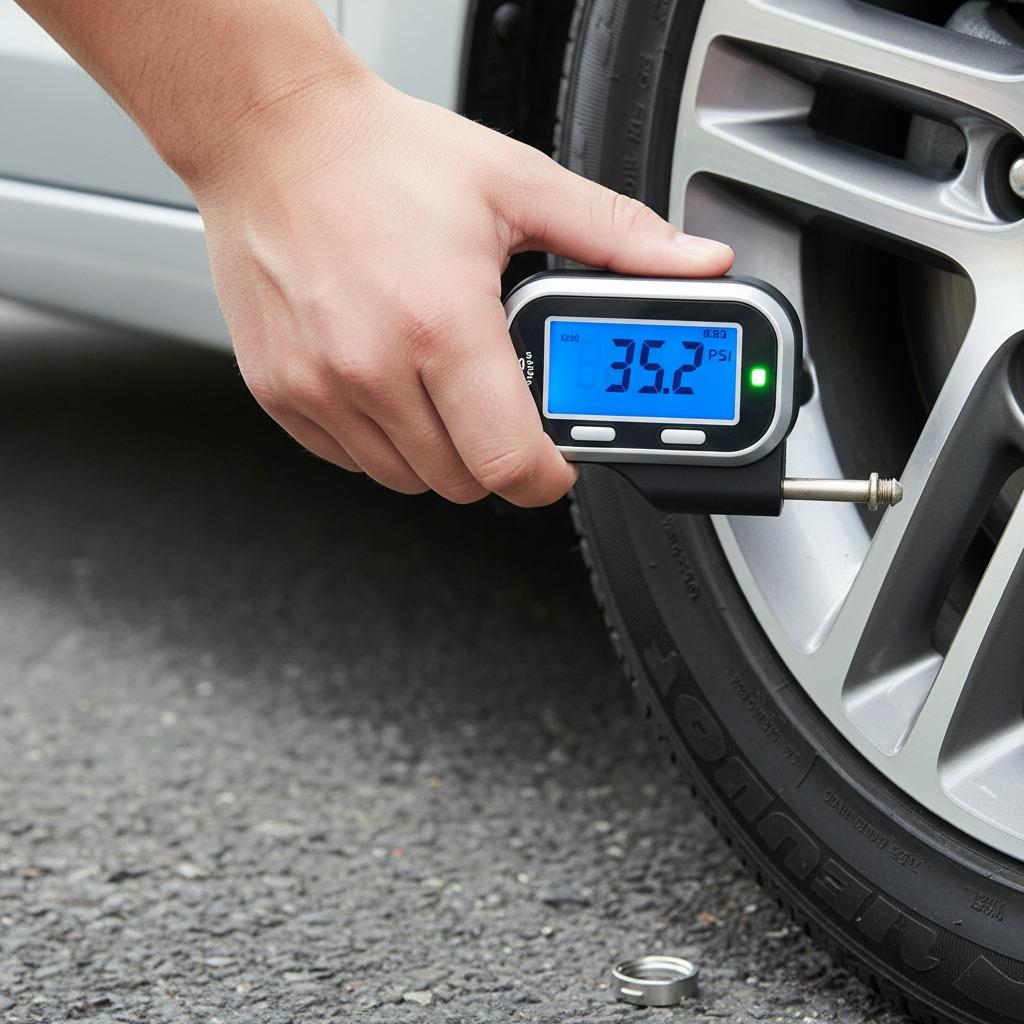
How to Choose the Best Mechanical Tire Pressure Gauge for Car, Bike & Motorcycle Safety
Discover the most reliable mechanical tire pressure gauge for accurate tire maintenance. ATSAFEPRO shares ANSI-certified accuracy, durable design, and universal fit tips for cars, bikes, and motorcycles.

China's Arbor Day: Celebrating Nature's Legacy
1. Introduction to China's Arbor Day 2. The Historical Roots and Significance 3. Modern Celebrations and Nationwide Participation 4. Environmental Impact and Global Influence 5. Challenges and Future Visions 6. Personal Reflections and Calls to Action