
Maintaining proper tire pressure is one of the simplest yet most overlooked aspects of vehicle care. Many drivers only think about tire pressure when a warning light pops up, but waiting for that alert could put you at risk. Weekly checks take less than five minutes and can save you from costly repairs or dangerous accidents.
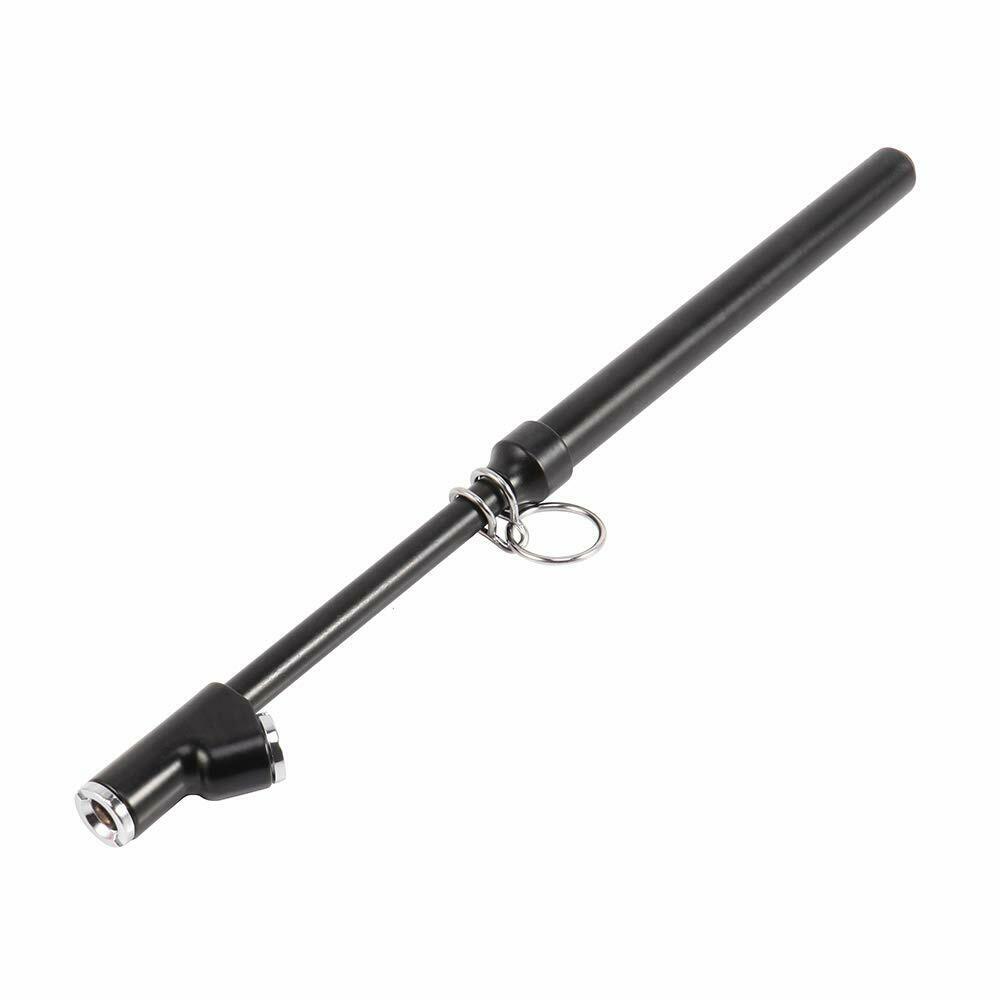
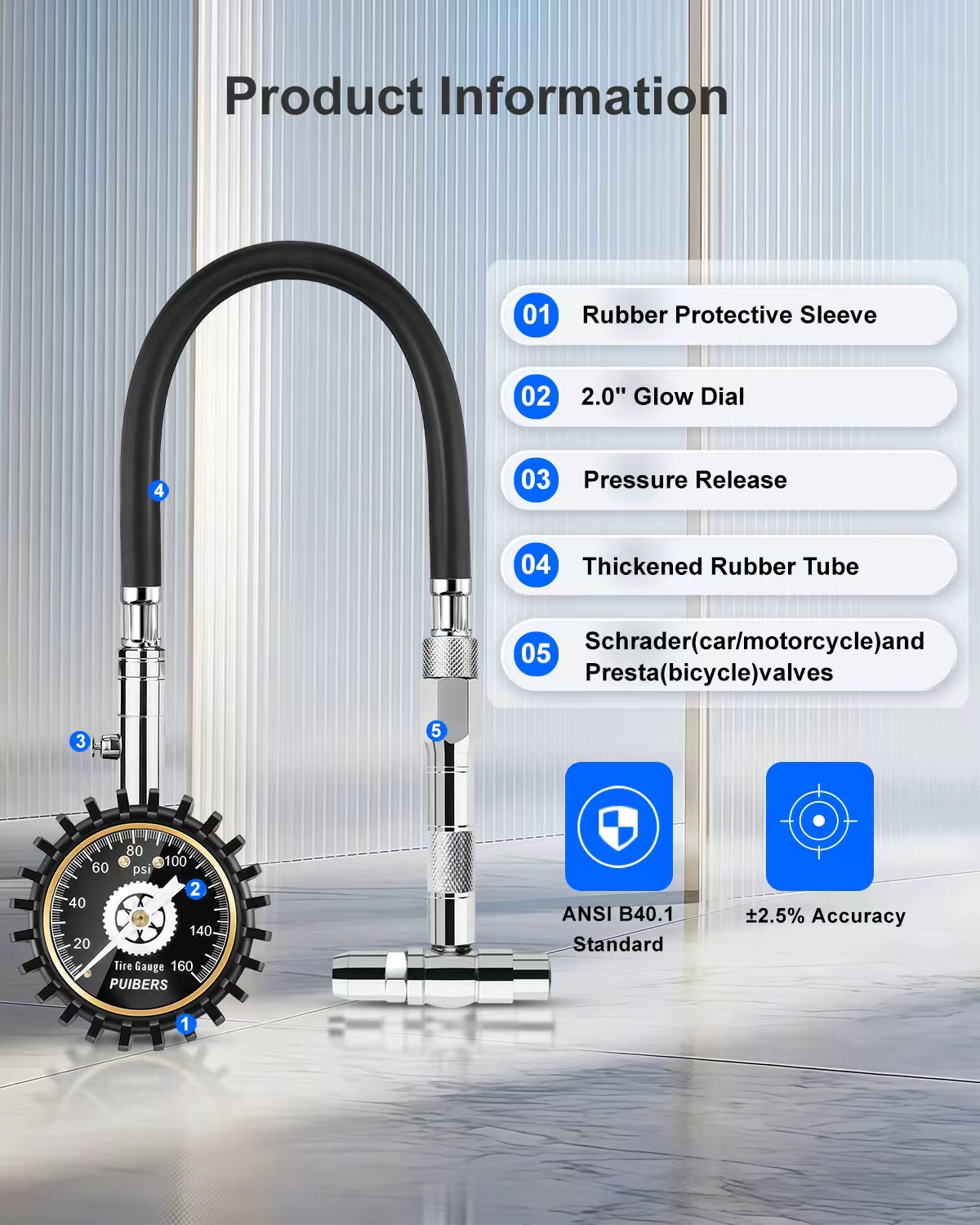
First, you need the right tool: a quality tire pressure gauge. Digital gauges are affordable and easy to read, making them perfect for beginners. Start by checking your vehicle’s recommended pressure, which is usually found on a sticker inside the driver’s door jamb or in the owner’s manual. Don’t rely on the pressure listed on the tire itself—that’s the maximum pressure, not the ideal level.
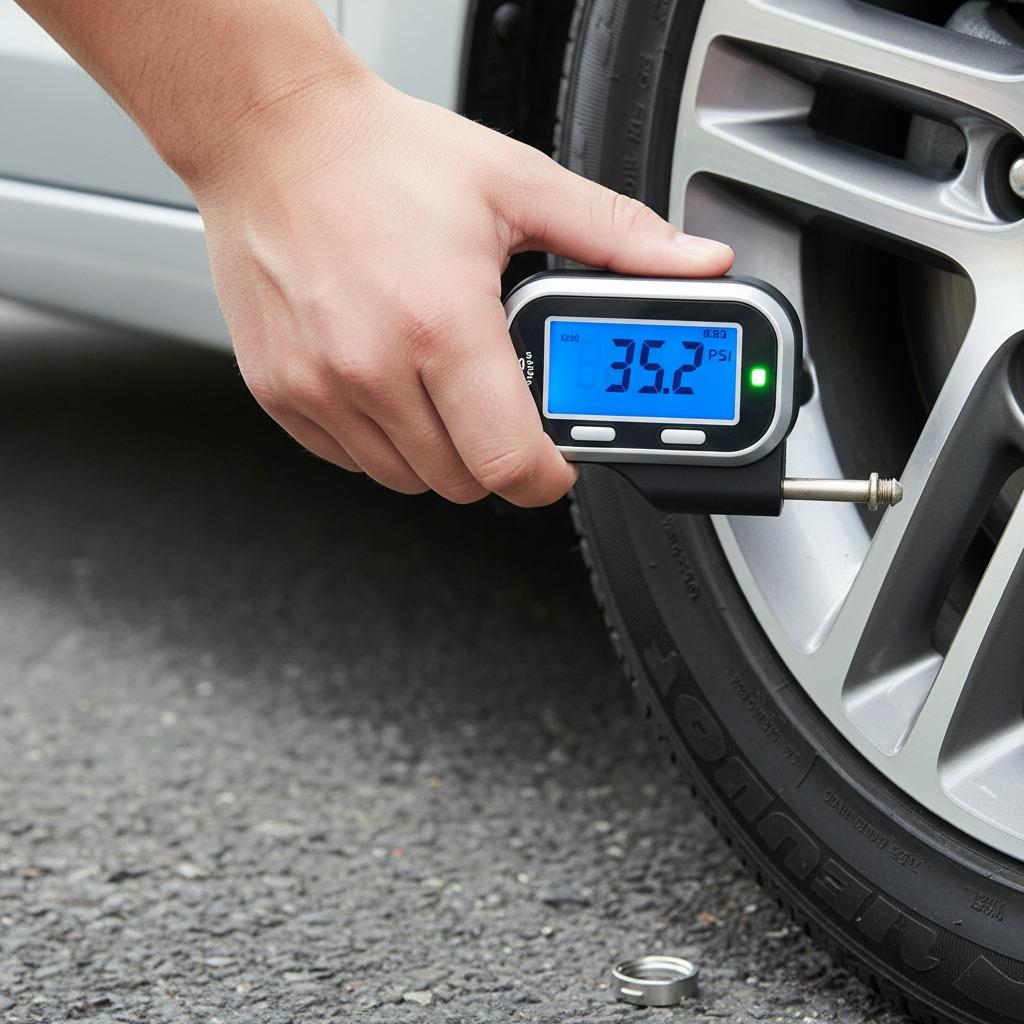
Next, check your tires when they’re cold. Driving heats up tires, which increases pressure temporarily, leading to inaccurate readings. Remove the valve cap, press the gauge firmly onto the valve stem, and note the reading. If it’s too low, add air in small increments and check again. If it’s too high, release a little air and recheck.
Consistent weekly checks help your tires wear evenly, improving their lifespan. They also boost fuel efficiency—underinflated tires can reduce gas mileage by up to 3%. Most importantly, proper pressure ensures better traction, especially in wet or icy conditions, keeping you and your passengers safe. Make it part of your Sunday morning routine, and you’ll notice the difference in your vehicle’s performance.