
We know tire pressure is important, but life gets busy. The good news? Proper tire maintenance takes almost no time at all. Here’s a simple guide to making your tire pressure gauge a seamless part of your monthly routine.
When to Check: The best time to check your tires is when they are "cold"—meaning the car has been parked for at least three hours. Driving heats up the tires and air inside, increasing the pressure and giving you a false reading.
The Simple Process:
-
Find the Recommended PSI: Check your vehicle’s owner’s manual or the sticker on the driver’s side door jamb (not the sidewall of the tire!).
-
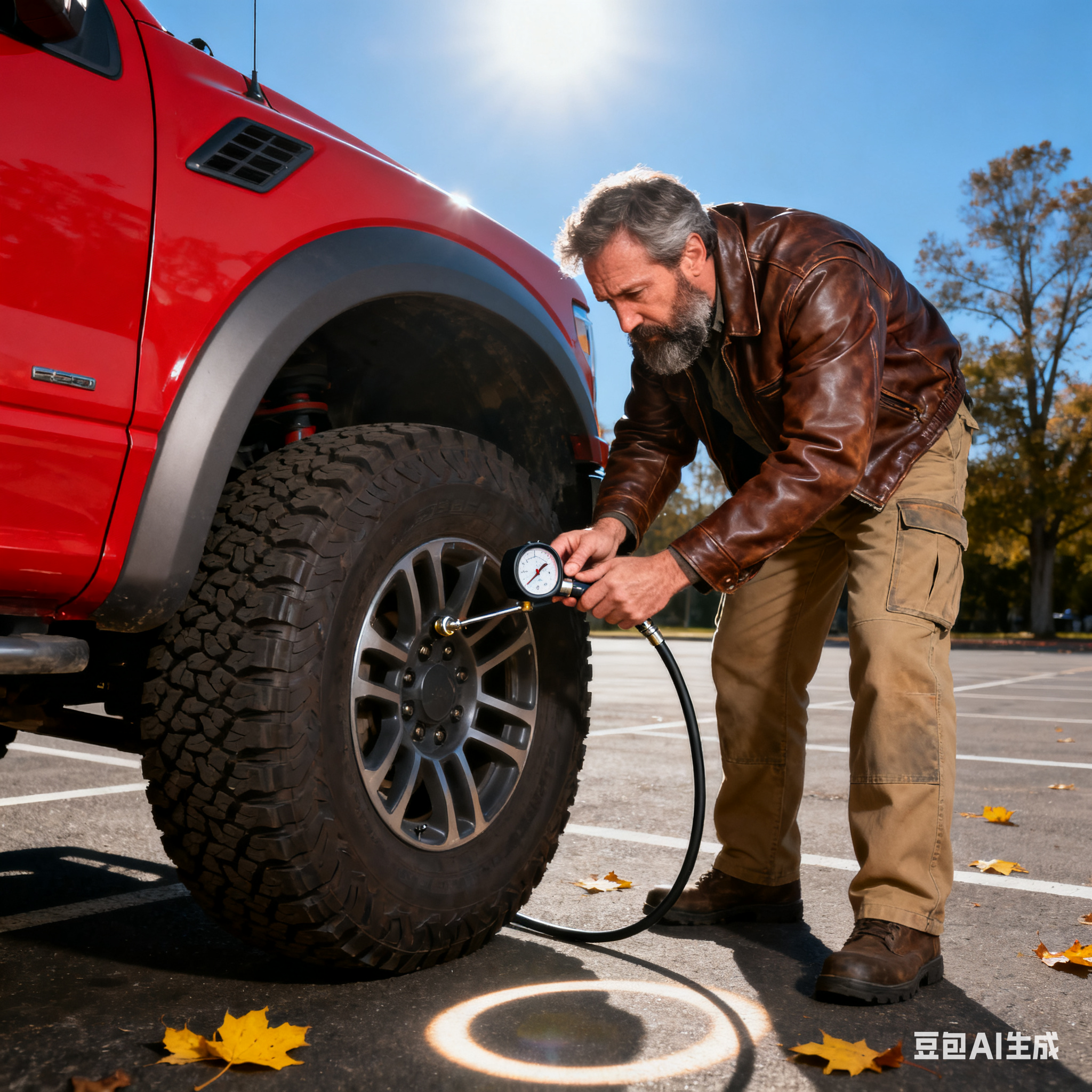
Check the Pressure: Remove the valve stem cap from one tire. Press the gauge firmly onto the stem until the hissing sound stops. Note the reading.
-
Compare and Inflate: Compare the reading to the recommended PSI. If it’s low, use an air compressor to add air, checking frequently with your gauge until you hit the target.
-
Repeat: Do this for all four tires, and don’t forget the spare!
Pro Tip: Make it a habit. Pair it with another monthly task, like the first weekend of the month or when you fill your gas tank. In just two minutes, you’ve ensured a safer, more efficient, and cheaper month of driving.
The Bottom Line: Consistency is key. A monthly check with a reliable gauge is all it takes to maintain perfect tire health.