
A Beginner’s Guide to Using a Torque Wrench: Why It Matters and How to Do It Right
Why Torque Wrenches Are Non-Negotiable for Mechanical Work
If you’ve ever changed a tire, worked on your car’s engine, or performed any mechanical work, you’ve likely heard of a torque wrench. But do you know why it’s so important, or how to use it correctly? A torque wrench is a specialized tool designed to apply a specific amount of force (torque) to fasteners like bolts and nuts. Using the right torque is critical for ensuring that fasteners are tight enough to stay in place, but not so tight that they break or damage the components they’re securing. In this beginner’s guide, we’ll explain why torque wrenches matter, the different types available, and step-by-step instructions for using one correctly.
The Dangers of Incorrect Torque: Too Loose vs. Too Tight
First, let’s understand why torque matters. When you tighten a bolt or nut, applying too little torque can cause it to loosen over time, leading to vibrations, damage to components, or even safety hazards (e.g., a loose wheel can come off while driving). Applying too much torque, on the other hand, can strip the threads of the bolt or nut, damage the component being secured (e.g., a wheel hub or engine part), or even break the bolt entirely. This is especially important for critical components like wheels, brake calipers, and engine parts, where proper torque is essential for safety and performance. A torque wrench takes the guesswork out of tightening fasteners, ensuring that you apply the exact amount of force recommended by the manufacturer.
Types of Torque Wrenches: Which One Is Right for You?
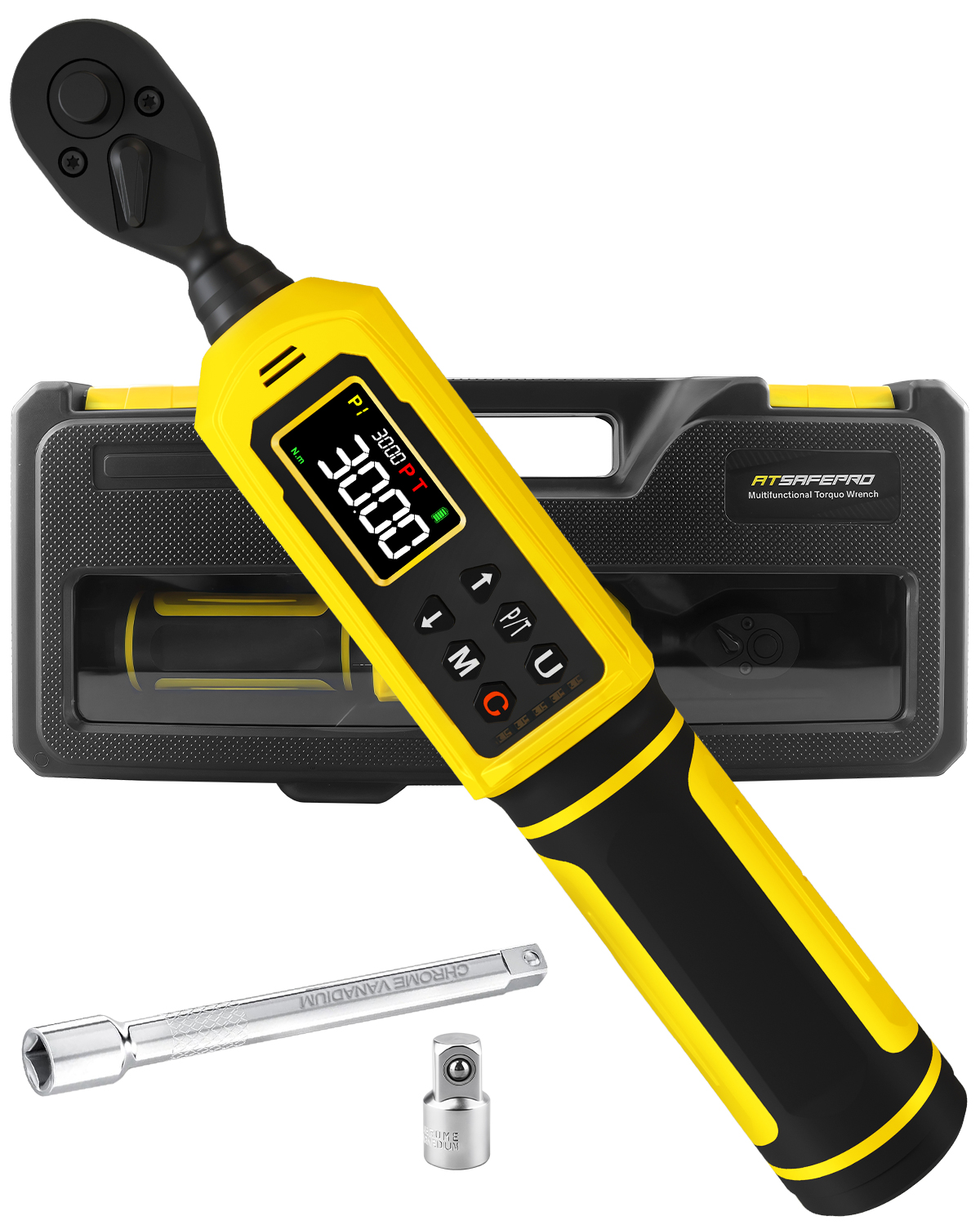
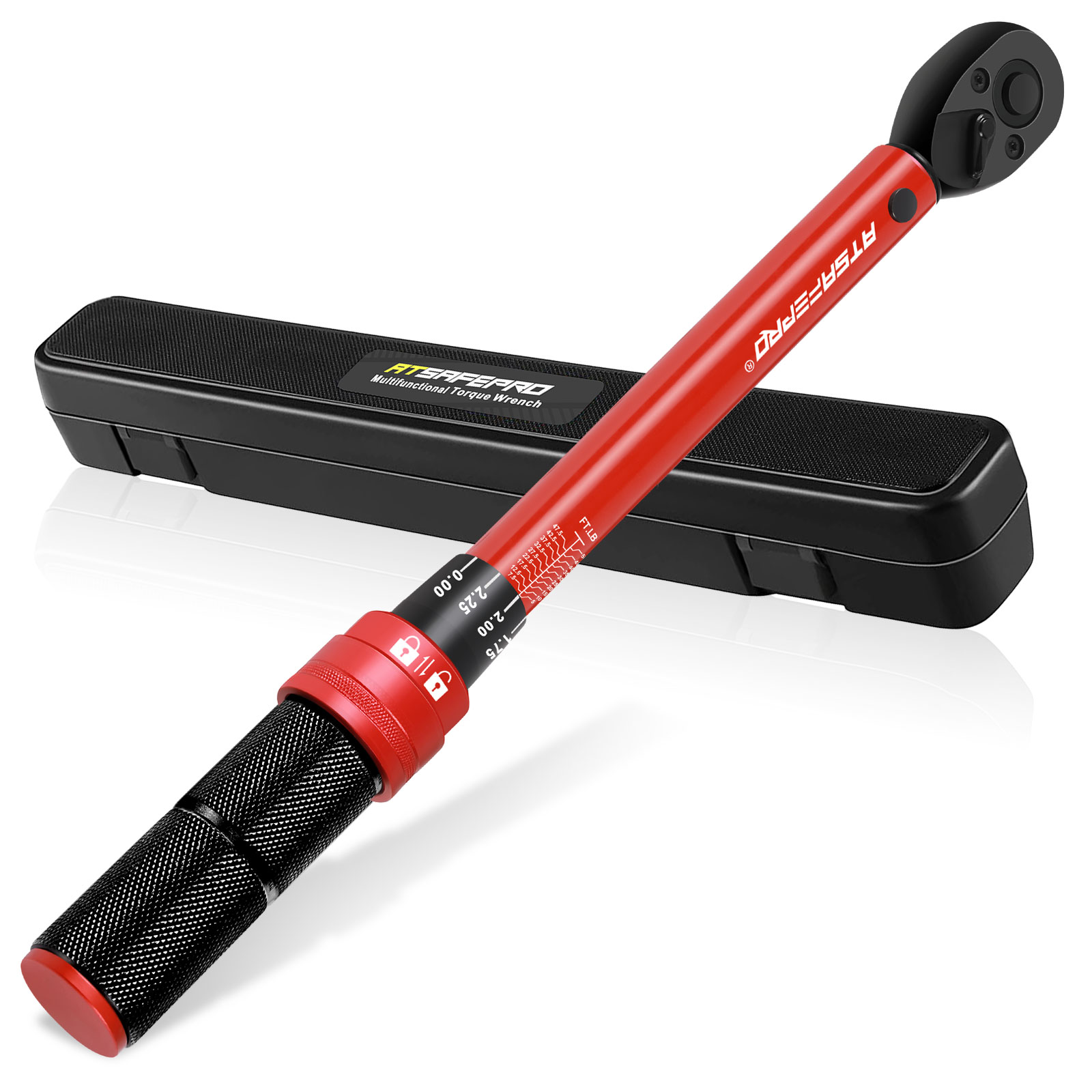
There are several types of torque wrenches available, each with its own advantages and use cases. The most common types are beam torque wrenches, click torque wrenches, digital torque wrenches, and dial torque wrenches. Beam torque wrenches are the most basic and affordable—they have a simple design with a beam that bends as torque is applied, and a scale to read the torque value. Click torque wrenches are the most popular for home mechanics; they “click” when the set torque is reached, alerting you to stop applying force. Digital torque wrenches feature an electronic display that shows the torque value, making them easy to read and often more precise. Dial torque wrenches have a dial that displays torque, offering high accuracy but being slightly more fragile than other types. Choosing the right type depends on your needs: home mechanics may prefer a click torque wrench for its ease of use, while professionals may opt for a digital or dial wrench for precision.
Step-by-Step: How to Use a Torque Wrench Correctly
Using a torque wrench correctly is simple once you know the steps. First, check the manufacturer’s recommended torque value for the fastener you’re tightening—this information can be found in your vehicle’s owner’s manual or a repair guide. Next, set the torque wrench to the recommended value: for click torque wrenches, turn the handle until the desired torque is aligned with the indicator. For digital wrenches, use the buttons to set the torque (be sure to check if it’s in foot-pounds or newton-meters, as different regions use different units). Before using, ensure the wrench is calibrated—calibration ensures accuracy, and most torque wrenches should be calibrated every 12 months or after heavy use. When tightening the fastener, hold the torque wrench by the handle (not the shaft) and apply steady, even force. Stop immediately when you hear a click (for click wrenches) or when the digital display shows the set torque. After use, reset the torque wrench to the lowest setting to extend its lifespan—this relieves tension on the internal spring and prevents damage.