
4X4 Off-Road Driving Tips and Precautions
Driving a 4X4 off-road is an exhilarating experience, but it requires skill, preparation, and respect for the terrain. Even with a capable vehicle, improper handling can lead to accidents, vehicle damage, or getting stranded. Here are essential tips and precautions to help you navigate off-road trails safely and confidently.
Master the Basics of 4X4 Modes
Before hitting the trails, familiarize yourself with your vehicle’s 4X4 settings. Most 4X4s offer 2H (2WD high-range), 4H (4WD high-range), and 4L (4WD low-range). Use 2H for regular paved roads to save fuel. Switch to 4H when tackling loose surfaces like gravel, sand, or light mud—this mode provides extra traction without sacrificing speed. Reserve 4L for extreme conditions: steep inclines/declines, deep mud, rocks, or when you need maximum torque at low speeds (e.g., crawling over obstacles). Remember to engage 4L only when the vehicle is stationary or moving very slowly (under 5 mph) to avoid damaging the drivetrain.
Adjust Your Driving Style for Terrain
Off-road terrain demands adaptability. On mud or sand, maintain a steady speed to prevent getting bogged down—momentum helps you stay on top, but avoid excessive speed that could cause loss of control. For rocky terrain, go slow and use 4L to crawl over obstacles. Choose the path with the largest rocks (they offer better traction) and keep your wheels straight when climbing to distribute weight evenly. When crossing water, check depth first (never exceed your vehicle’s wading limit) and drive slowly to avoid creating a bow wave that could flood the engine.
Maintain Proper Tire Pressure
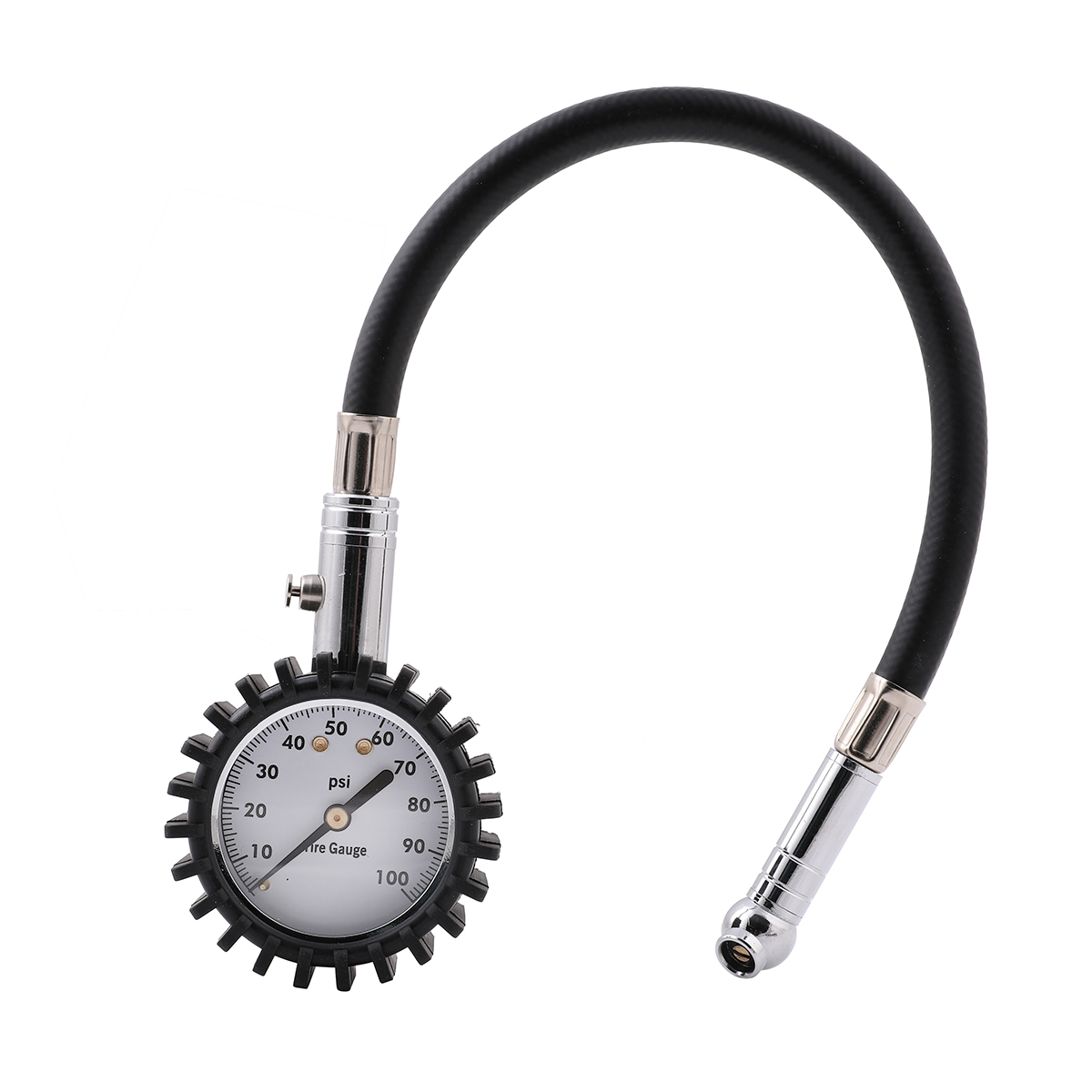
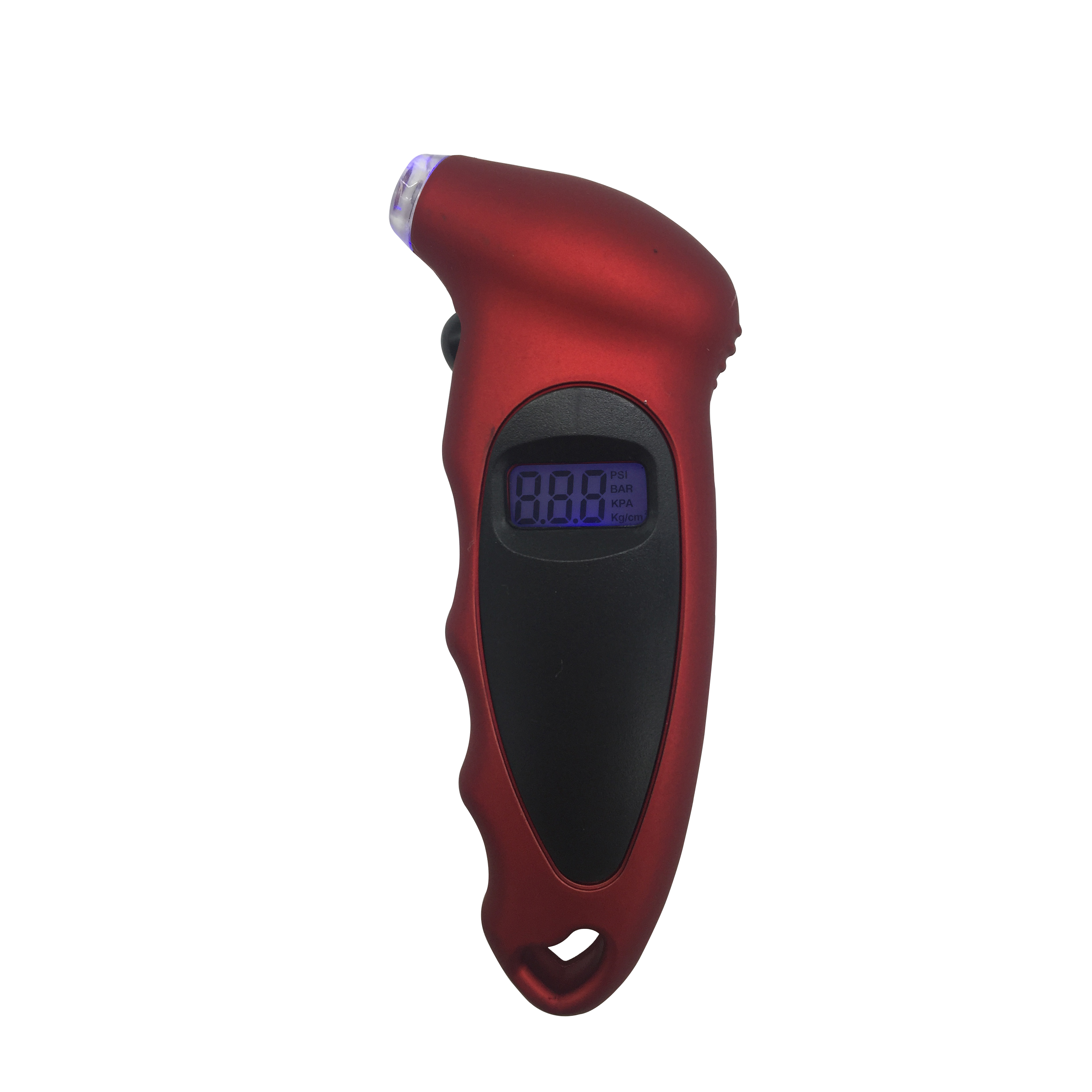
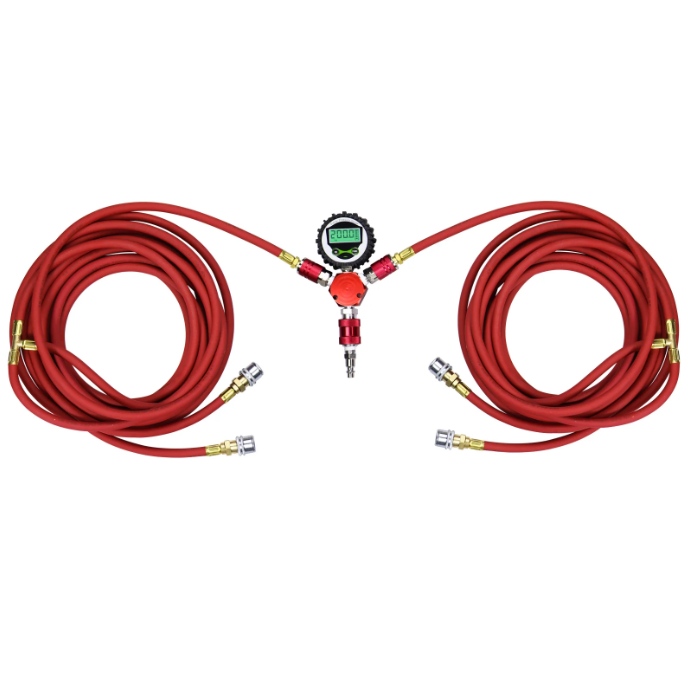
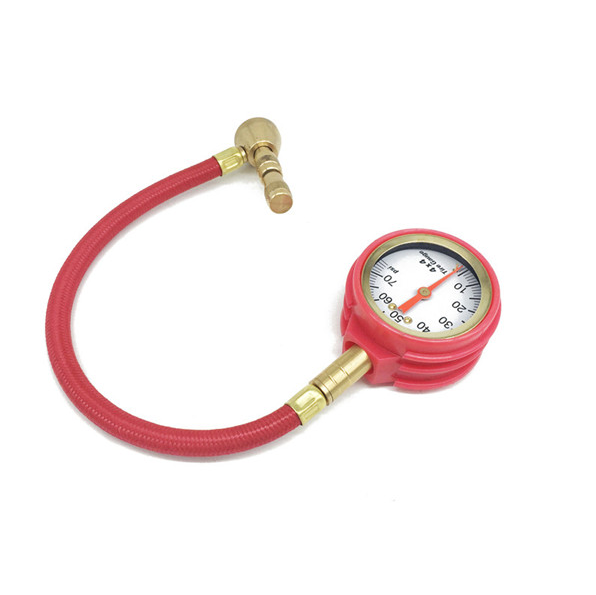
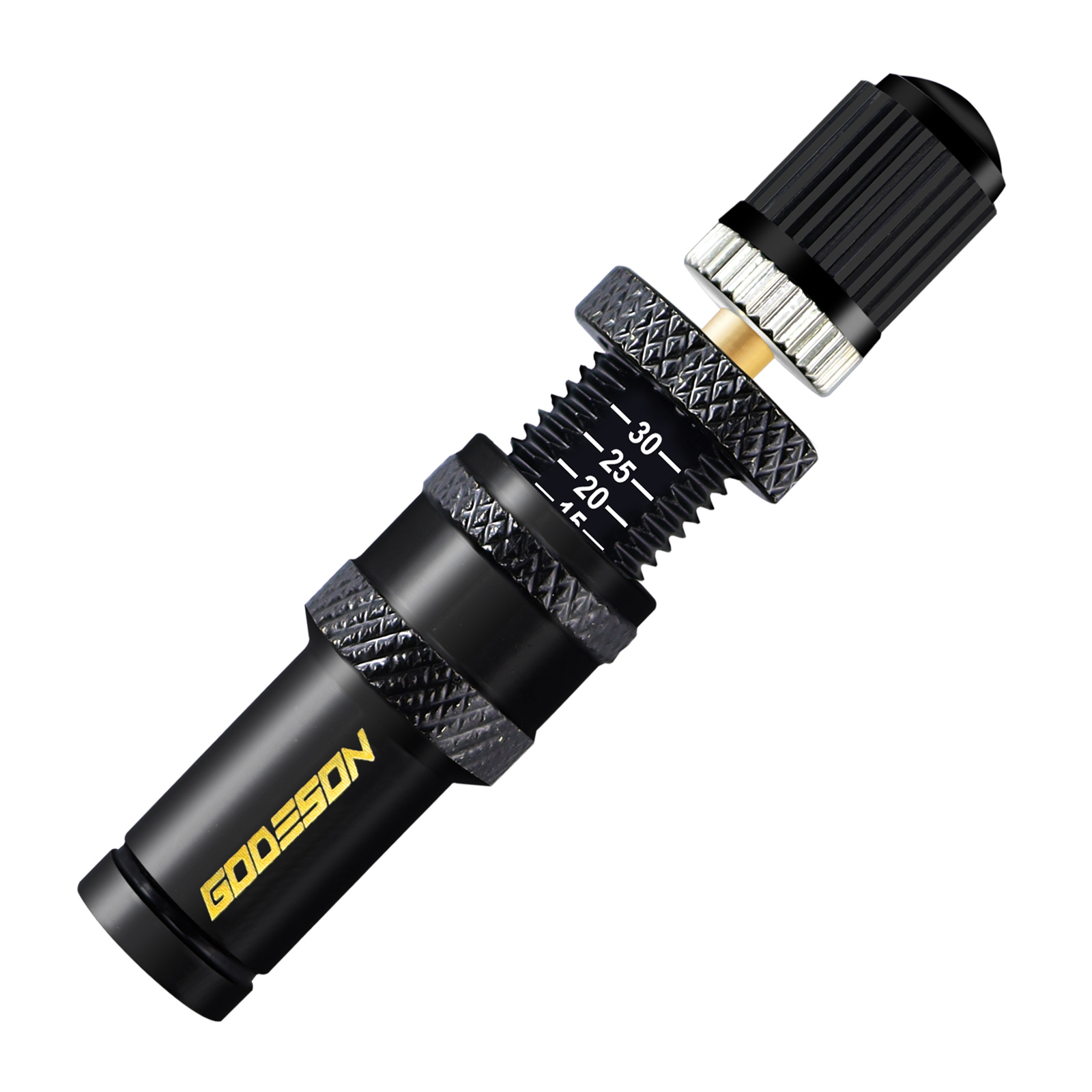
Tire pressure is critical for off-road performance. Reduce pressure (typically to 15–25 psi, depending on tires and terrain) when driving on soft surfaces like sand or mud. Lower pressure increases the tire’s contact area with the ground, improving traction. Remember to reinflate to manufacturer-recommended levels before returning to paved roads to prevent uneven wear or handling issues. Always carry a portable air compressor and a pressure gauge.
Use Momentum Wisely
Momentum can be your ally, but it’s a double-edged sword. Too little momentum and you might get stuck; too much and you risk losing control or damaging the vehicle. Approach obstacles at a steady, controlled speed. For steep hills, accelerate gently before ascending to build enough momentum, then maintain it without sudden bursts. When descending, use engine braking (shift to a lower gear) instead of riding the brakes—overheating brakes can lead to failure.
Know Your Vehicle’s Limits
Even the most rugged 4X4 has its limits. Check your owner’s manual for specifications like ground clearance, approach/departure angles, and weight capacity. Avoid obstacles taller than your vehicle’s ground clearance, and don’t attempt slopes steeper than 30–35 degrees unless you’re an experienced driver. Overloading the vehicle with gear reduces ground clearance and strains the drivetrain, increasing the risk of breakdowns.
Safety First
Never off-road alone—bring a buddy or join a group. Tell someone your planned route and return time. Pack essential gear: a recovery kit (tow straps, shackles, a winch), first-aid supplies, a flashlight, extra water, and non-perishable food. Check weather conditions beforehand—flash floods and mudslides can turn trails dangerous in minutes. Always wear your seatbelt, and avoid distractions (put your phone away unless using it for navigation).
Post-Trip Maintenance
After an off-road adventure, inspect your vehicle thoroughly. Clean mud and debris from undercarriage components (mud can trap moisture and cause rust). Check tires for cuts or embedded rocks, and inspect brakes, suspension, and drivetrain for damage. Change the oil and filter more frequently if you drive in dusty or muddy conditions—contaminants can accelerate wear.
Off-roading in a 4X4 is about skill, preparation, and respect for nature and your vehicle. By following these tips, you’ll minimize risks, maximize fun, and ensure many safe adventures ahead. Remember: the goal is to conquer the trail, not to push your vehicle beyond its capabilities.