
A Beginner’s Guide to Reliable Inflation
Introduction: Why a Quality Car Air Pump Matters
A flat tire can ruin a road trip, commute, or outdoor adventure—unless you have a reliable car air pump. But with dozens of models on the market, from compact handhelds to heavy-duty portable units, choosing the right one can feel overwhelming. This guide breaks down the key factors beginners need to consider, ensuring you pick a pump that’s easy to use, compatible with your vehicle, and ready for emergencies.
1. Determine Your Core Needs: Daily Use vs. Emergency Scenarios
The first step in choosing a car air pump is defining how you’ll use it. Ask yourself:
• Daily Commute & Regular Maintenance: Do you need a pump for topping off tire pressure (common for fuel efficiency) or occasional small leaks? A compact, battery-powered or 12V cigarette lighter model will suffice—prioritize portability and ease of storage.
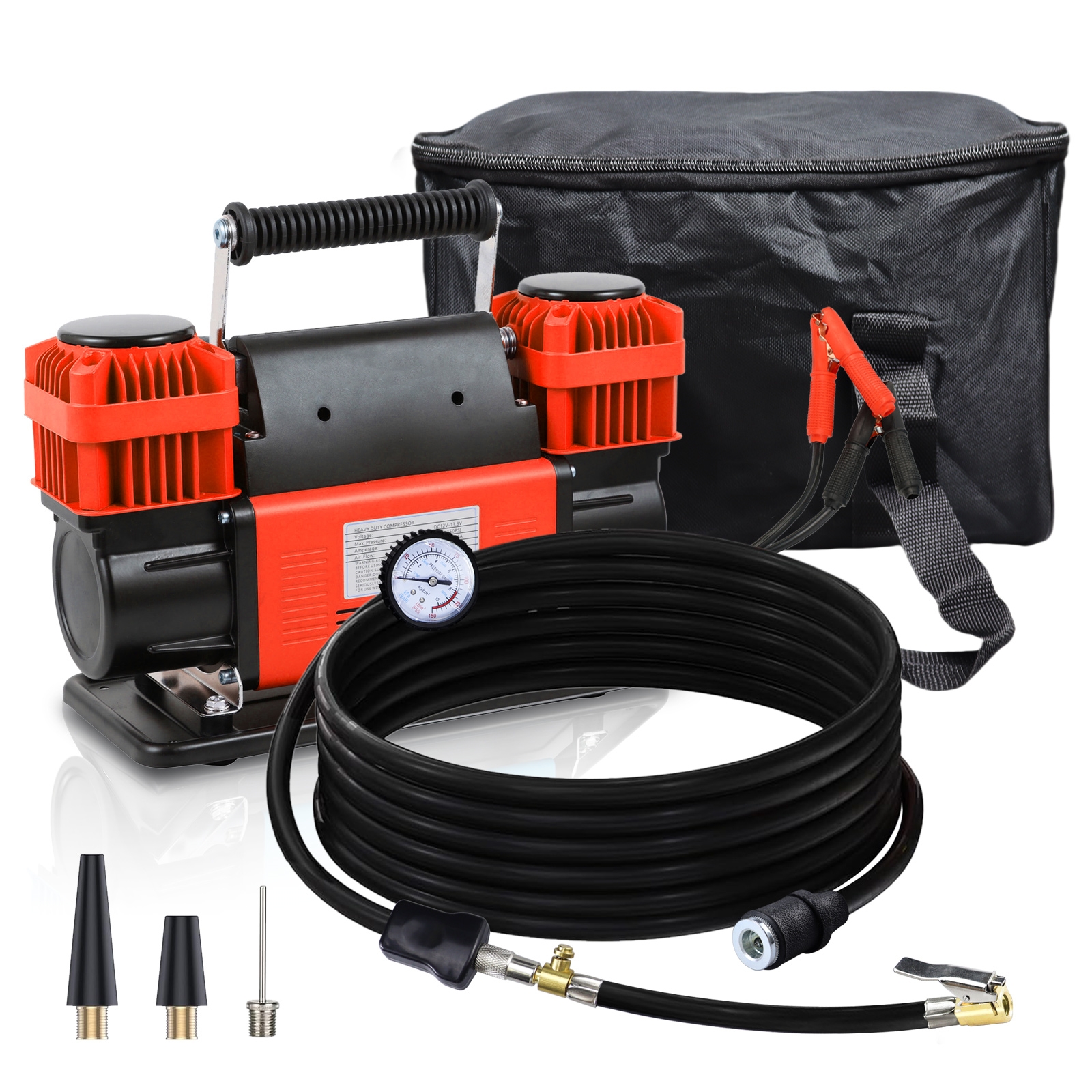
• Long Road Trips & Off-Road Adventures: For remote areas or larger tires (SUVs, trucks, RVs), opt for a heavy-duty 12V pump with higher pressure and airflow. Look for models with built-in pressure gauges and durable hoses to handle rough conditions.
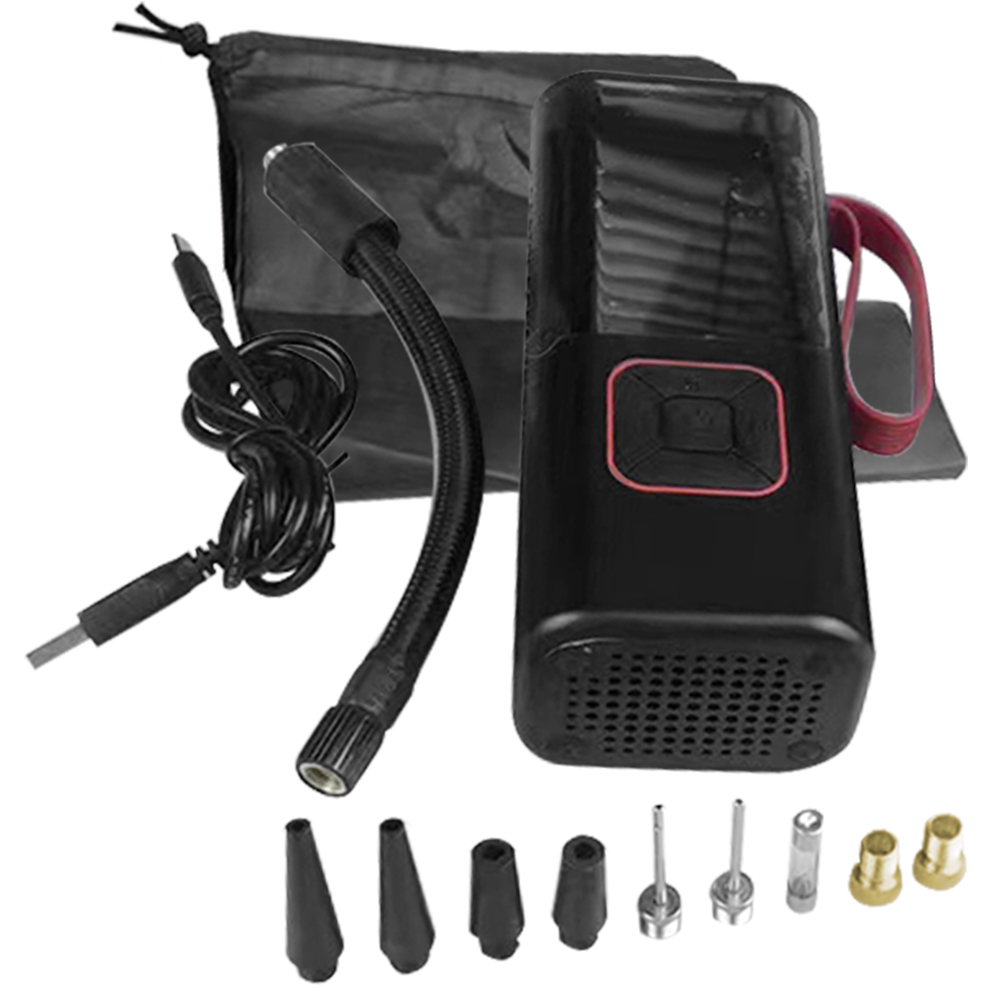
• Multi-Purpose Use: If you also need to inflate bike tires, sports equipment, or camping gear, choose a pump with interchangeable nozzles and adjustable pressure settings (PSI/BAR).
2. Key Technical Specs to Check: Pressure, Airflow, and Power Source
Don’t get intimidated by specs—focus on these three critical features:
• Maximum Pressure (PSI/BAR): Most car tires require 30–35 PSI (2–2.4 BAR). Ensure the pump’s maximum pressure (usually 100–150 PSI) exceeds your needs to avoid straining the motor. For SUVs or trucks, aim for 150+ PSI.
• Airflow Rate (CFM/LPM): This determines how fast the pump inflates tires. A rate of 1–2 CFM (28–56 LPM) works for standard cars, while 2+ CFM is better for larger tires (reduces inflation time from 5+ minutes to 2–3 minutes per tire).
• Power Source:
◦ 12V Cigarette Lighter: Most common—plug directly into your car’s outlet. Ideal for in-vehicle use but requires the engine to be on (to avoid draining the battery).
◦ Battery-Powered (Rechargeable): Portable and cordless, perfect for quick top-ups or emergencies without access to a car outlet. Look for 20V+ batteries for longer runtime.
◦ USB-C Charging: Compact and compatible with phones/laptops—great for urban commuters but less powerful for full tire inflation.
3. User-Friendly Features That Make a Difference
For beginners, ease of use is non-negotiable. Look for these practical features:
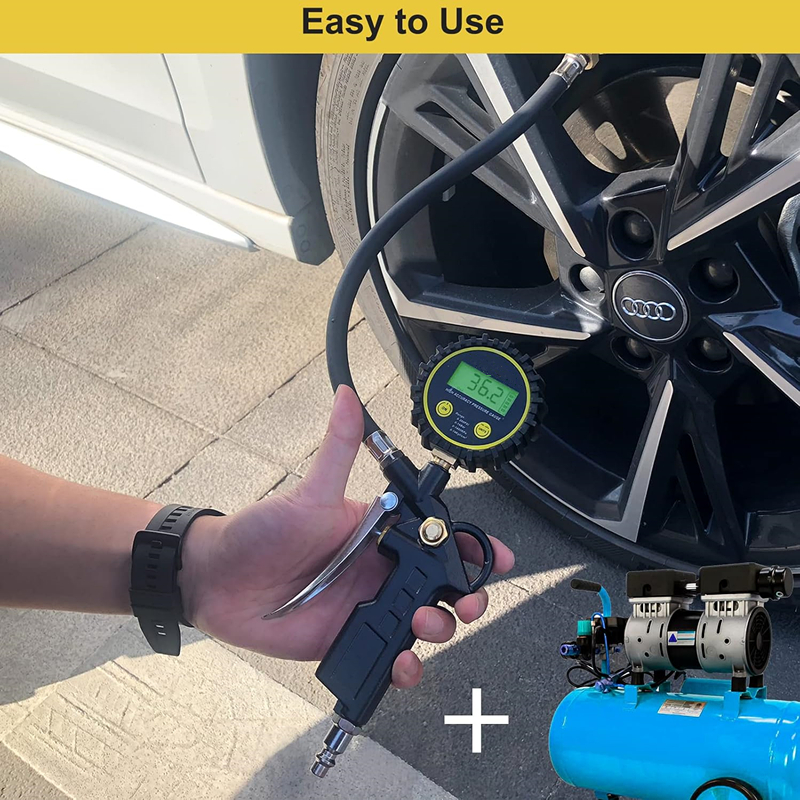
• Digital Pressure Gauge: More accurate than analog dials (±0.5 PSI) and easier to read, especially in low light. Many models offer preset pressure modes (car, bike, ball) for one-touch operation.
• Auto-Shutoff Function: Prevents over-inflation by stopping the pump once the desired pressure is reached—critical for avoiding tire damage.
• Portability & Storage: A lightweight (2–5 lbs) pump with a carrying case or built-in handle fits easily in your trunk or glove box. Avoid bulky models unless you have specific heavy-duty needs.
• Durability: Check for reinforced hoses (to resist kinking/breaking) and weather-resistant materials (important for outdoor use). Brands like EPAuto, Michelin, and AstroAI are known for reliable build quality.
Conclusion: Pick a Pump That Fits Your Lifestyle
Choosing the right car air pump doesn’t have to be complicated. By focusing on your usage needs, key technical specs, and user-friendly features, you’ll find a model that’s reliable, easy to use, and ready for whatever the road throws at you. For most beginners, a 12V digital pump with auto-shutoff and interchangeable nozzles is the perfect balance of functionality and affordability—invest in one today, and never get stranded with a flat tire again!
https://www.godesontools.com/