
Advanced Torque Wrench Tips, Maintenance, and Common Mistakes to Avoid
Torque Wrench Calibration: Why It’s Essential for Accuracy
Even the best torque wrenches lose accuracy over time, which is why regular calibration is critical. Calibration ensures that the wrench applies the exact torque you set, preventing over-tightening or under-tightening of fasteners. Most manufacturers recommend calibrating your torque wrench every 12 months, or after 5,000 uses—whichever comes first. If you drop the wrench, expose it to extreme temperatures, or notice inconsistent results (e.g., fasteners loosening after tightening), it’s time to have it calibrated. You can have your wrench calibrated by a professional tool shop or use a calibration service—avoid attempting to calibrate it yourself, as this can damage the tool and lead to inaccurate readings. A properly calibrated torque wrench not only ensures safety but also extends the life of your fasteners and components.
Proper Torque Wrench Maintenance to Extend Its Lifespan
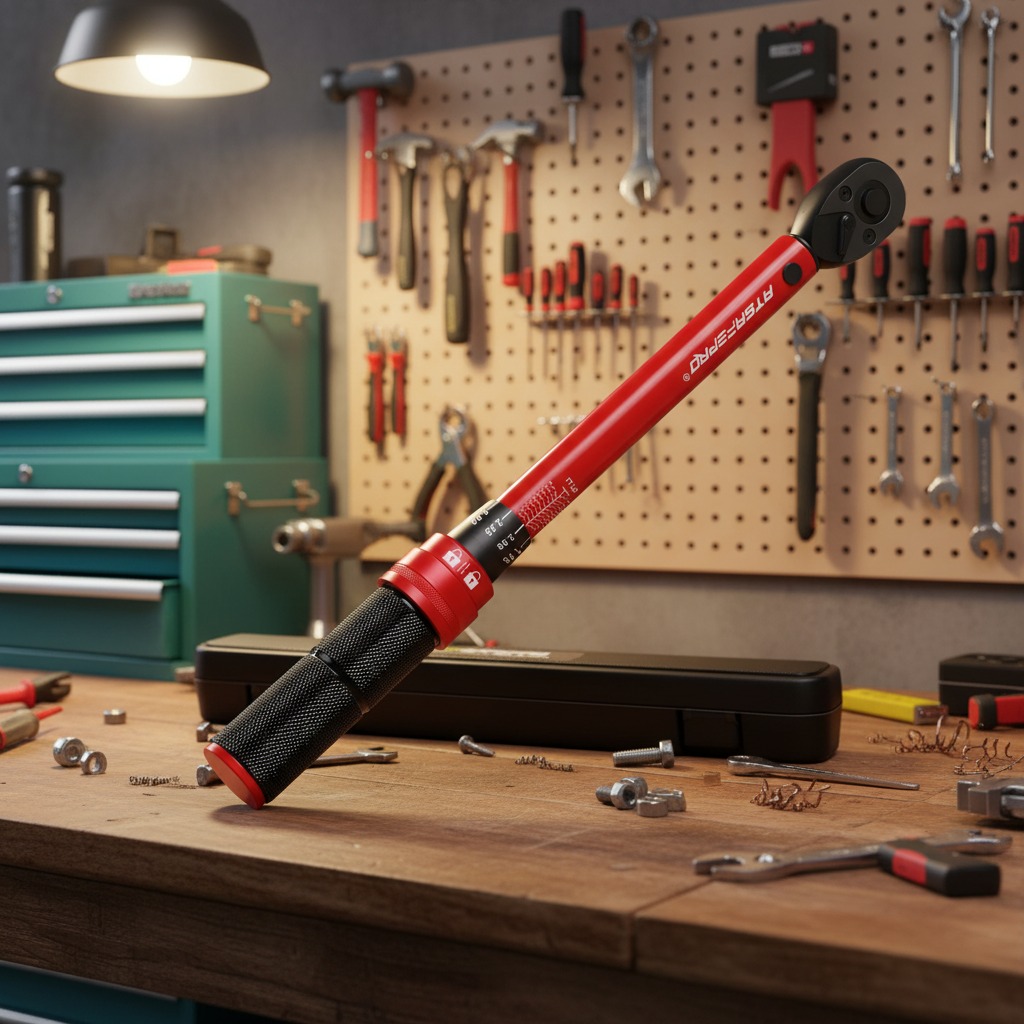
Taking care of your torque wrench will ensure it lasts for years and remains accurate. After each use, wipe down the wrench with a clean cloth to remove dirt, grease, and debris—build-up can damage the internal components and affect performance. Store the wrench in a dry, cool place, away from direct sunlight and extreme temperatures, which can weaken the internal spring. For click torque wrenches, always reset the torque to the lowest setting when not in use—this relieves tension on the spring and prevents it from losing elasticity over time. Avoid using the torque wrench as a regular wrench (e.g., to loosen tight bolts), as this can damage the internal mechanism. If your wrench has a removable socket, clean the socket regularly and inspect it for wear or damage—worn sockets can slip and cause inaccurate torque application.
Common Torque Wrench Mistakes Even Experienced Mechanics Make
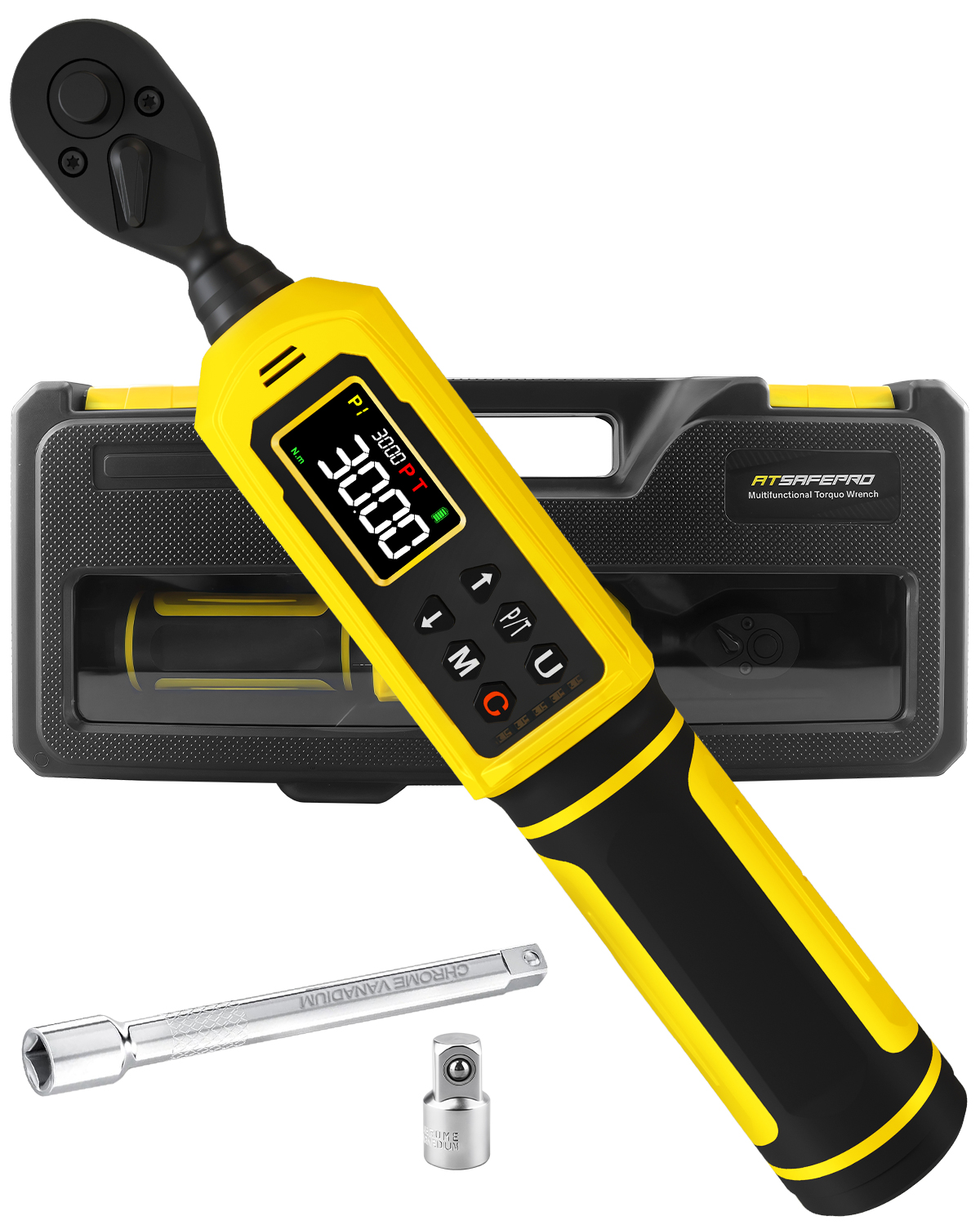
Even seasoned mechanics can make mistakes when using a torque wrench, which can lead to component damage or safety hazards. One of the most common mistakes is ignoring the torque unit—confusing foot-pounds (ft-lbs) with newton-meters (N·m) can result in applying the wrong amount of force (1 ft-lb = 1.3558 N·m). Always check the unit specified in your repair guide and set the wrench accordingly. Another mistake is applying extra force after hearing the click (for click torque wrenches)—the click indicates the set torque has been reached, and additional force will over-tighten the fastener. Using the wrong socket size is also a common error: a socket that’s too small or too large can slip, damage the bolt head, and lead to inaccurate torque readings. Additionally, holding the torque wrench by the shaft (instead of the handle) changes the torque applied, as it shortens the lever arm—always grip the handle firmly at the end.
When to Replace Your Torque Wrench
Like any tool, torque wrenches have a lifespan, and knowing when to replace them is important for safety and accuracy. If your wrench fails calibration (i.e., it can’t be adjusted to apply the correct torque), it’s time to replace it. Signs of wear, such as a loose handle, inconsistent clicking, or a digital display that malfunctions, also indicate that the wrench is no longer reliable. If you use the wrench frequently (e.g., for professional work), you may need to replace it every 3-5 years, even if it passes calibration—wear and tear on internal components can affect its performance over time. Investing in a high-quality torque wrench is worth it, as a cheap, low-quality wrench is more likely to lose accuracy and fail prematurely. By avoiding common mistakes, maintaining your wrench, and replacing it when necessary, you can ensure safe and accurate torque application for all your mechanical work.