
Analog Ball Pressure Gauges: The Classic Workhorse
Pros:
-
Durability: Built with mechanical components, they are often more robust and can withstand drops and rough handling better than digital models.
-
No Batteries Needed: They are always ready to use. You never have to worry about a dead battery ruining your pre-game check.
-
Simplicity: Easy to use with no complicated buttons or settings. What you see is what you get.
-
Cost-Effective: Generally, analog gauges are less expensive than their digital counterparts.
Cons:
-
Reading Precision: Reading the tiny increments on a dial can be tricky and is subject to human error (parallax error).
-
Lack of Features: They typically don’t offer extra features like backlights or easy unit switching (PSI/BAR).
Best For: Coaches, schools, community centers, and anyone who needs a rugged, reliable tool that can handle frequent use in various conditions.
Digital Ball Pressure Gauges: The Modern Precision Tool
Pros:
-
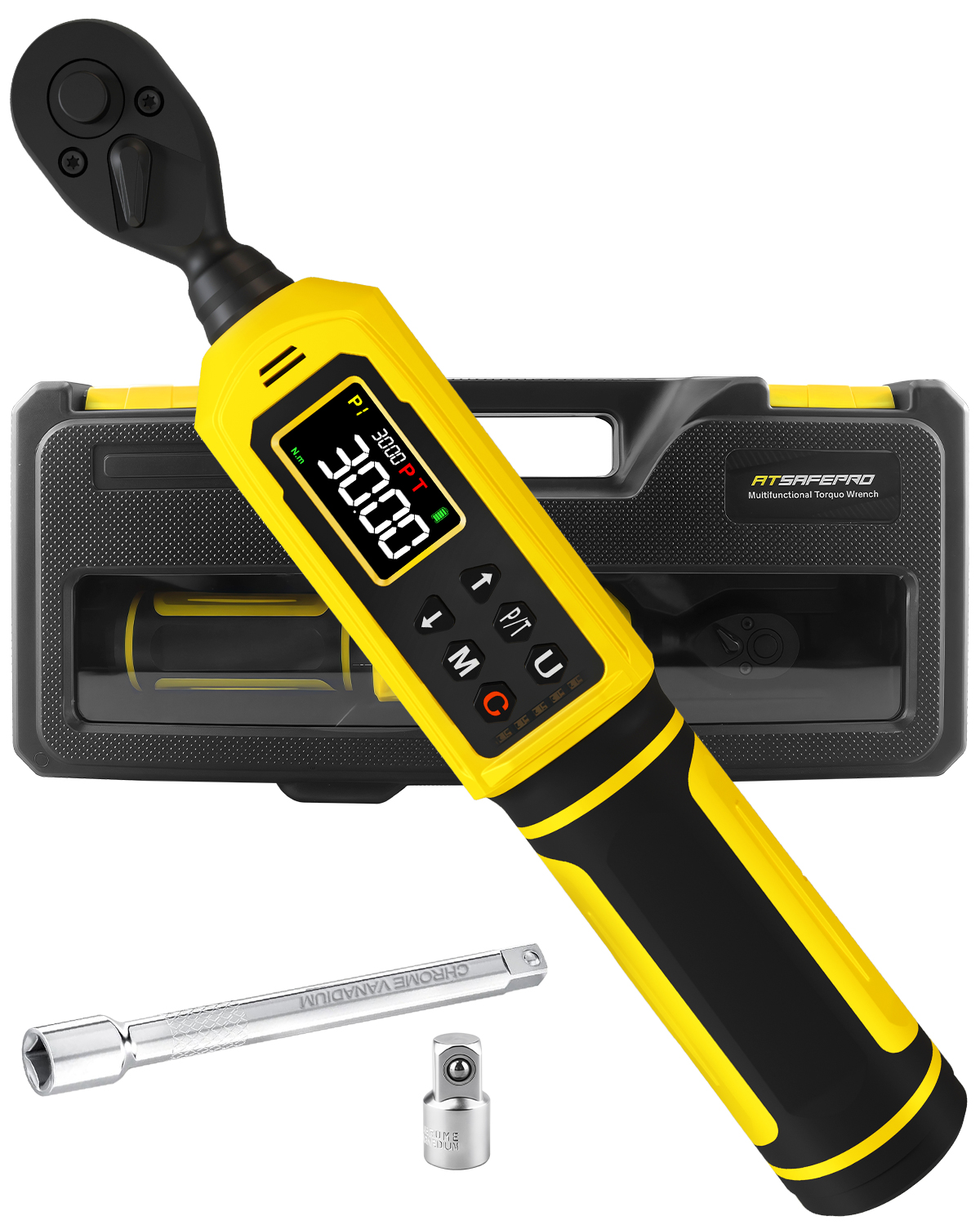
Superior Accuracy: They provide a clear, precise numerical readout, eliminating any guesswork.
-
Ease of Reading: Large LCD screens are easy to read, often even in low light conditions with a backlight.
-
Advanced Features: Many models can easily switch between PSI, BAR, and kg/cm². Some even have "bleed" valves to release air easily.
-
Zero Error: Digital gauges often have a "zero" function to calibrate before each use.
Cons:
-
Requires Batteries: You are dependent on battery power. A dead battery means a useless tool until it's replaced.
-
More Fragile: Electronic components and an LCD screen are more susceptible to damage from impacts or moisture.
-
Higher Cost: Digital gauges are typically more expensive.
Best For: Professional teams, serious athletes, league officials, and equipment managers who require the highest level of accuracy and convenience.
The Verdict: Your choice depends on your priorities. For ultimate durability and simplicity, choose analog. For pinpoint accuracy and modern features, choose digital.