
Understanding the Ball Gauge: An Essential Precision Tool
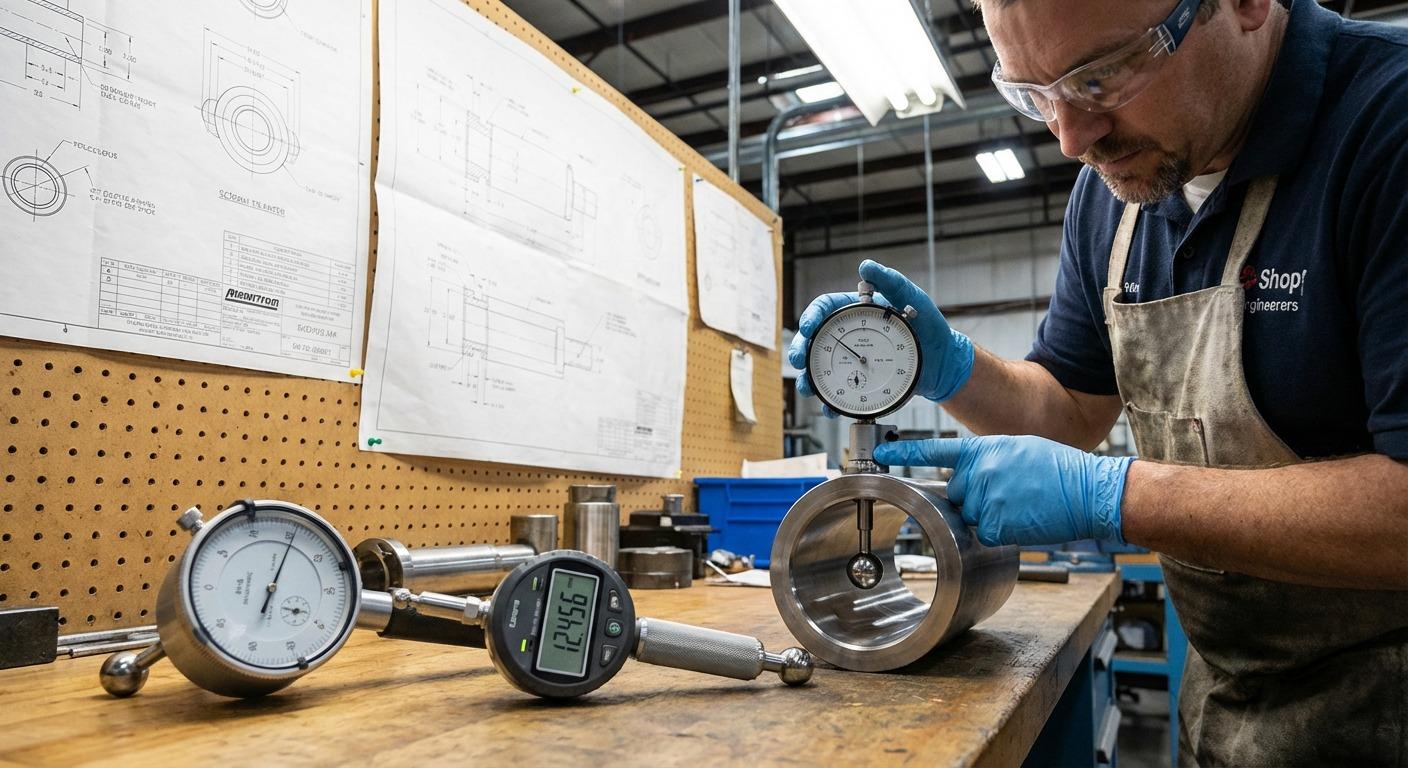
In the world of manufacturing and quality control, the ball gauge stands out as a vital instrument for ensuring accurate measurements. A ball gauge is designed to measure internal diameters with remarkable precision, using a spherical probe that makes it ideal for inspecting bores, holes, and cylindrical components. Whether you're working in automotive, aerospace, or general engineering, incorporating a ball gauge into your toolkit can significantly enhance measurement reliability. This tool's ability to handle complex geometries sets it apart from standard calipers or micrometers, providing results that are both consistent and repeatable.
Exploring the Ball Gauge Tool: Features and Applications
The ball gauge tool comes in various forms, each tailored to specific needs in precision engineering. At its core, the ball gauge tool features a ball-shaped contact point that minimizes errors caused by surface irregularities. This design allows for smooth insertion into tight spaces, making it perfect for gauging the internal dimensions of pipes, valves, and machined parts. Traditional ball gauge tools are often mechanical, relying on a spring-loaded mechanism to indicate size deviations. They are widely used in workshops where high-volume inspections are common, offering durability and ease of use without the need for batteries or electronics.
One key advantage of the ball gauge tool is its versatility across different materials and tolerances. For instance, in the production of engine components, engineers rely on this tool to verify that piston bores meet exact specifications, preventing issues like excessive wear or poor fit. Its robust construction ensures it can withstand the rigors of daily industrial use, and calibration is straightforward, maintaining accuracy over time. When selecting a ball gauge tool, consider factors like the range of sizes it can measure—typically from a few millimeters to several inches—and the resolution needed for your application.
The Rise of the Digital Ball Gauge: Modern Precision at Your Fingertips
Advancements in technology have introduced the digital ball gauge, revolutionizing how professionals approach internal measurements. Unlike its analog counterparts, a digital ball gauge integrates electronic readouts for instant, high-resolution data display, often accurate to within 0.001 inches. This tool typically includes a LCD screen, data output ports for computer integration, and features like absolute or incremental measurement modes. The digital ball gauge is particularly valuable in environments requiring traceability, such as quality assurance labs, where measurements must be logged for compliance with standards like ISO 9001.
The digital ball gauge excels in scenarios demanding speed and precision. For example, in the assembly of medical devices, where tolerances are extremely tight, this tool allows technicians to quickly assess component fits without disrupting workflow. Many models also offer user-friendly interfaces with zero-setting functions and data memory, reducing human error and improving efficiency. Battery life is another plus, often lasting hundreds of hours, making the digital ball gauge a reliable choice for field inspections or remote operations.
Comparing Ball Gauge Tools: Analog vs. Digital Options
When deciding between a traditional ball gauge tool and a digital ball gauge, it's essential to weigh their strengths. The analog ball gauge tool is cost-effective and doesn't require power sources, making it ideal for basic shop floor tasks. It's less susceptible to electronic failures, which is crucial in harsh environments like foundries or oil rigs. However, reading analog scales can introduce subjectivity, potentially leading to minor inconsistencies.
In contrast, the digital ball gauge provides unparalleled accuracy and ease of reading, with features like audible alerts for out-of-tolerance measurements. This makes it indispensable for high-precision industries such as electronics or pharmaceuticals. While initially more expensive, the investment in a digital ball gauge pays off through reduced rework and enhanced data management. Both types of ball gauge tools should be regularly calibrated using certified standards to ensure ongoing reliability.
Best Practices for Using a Ball Gauge in Your Workflow
To maximize the benefits of a ball gauge, proper handling and maintenance are key. Start by cleaning the tool before each use to avoid contamination that could skew results. When measuring, apply gentle pressure to ensure the ball contact point seats correctly without deforming the workpiece. For the digital ball gauge, always check the battery status and perform a zero reset in a controlled environment.
In practical applications, integrate the ball gauge tool into a comprehensive inspection routine. For instance, in automotive manufacturing, use it alongside CMM (Coordinate Measuring Machines) for a multi-layered verification process. Training staff on the nuances of both analog and digital versions ensures consistent results across teams. Additionally, store the ball gauge in a protective case to prevent damage to the delicate ball probe, extending its lifespan.
Selecting the Right Ball Gauge for Your Needs
Choosing the appropriate ball gauge depends on your specific requirements. If budget is a concern and you're dealing with straightforward measurements, opt for a reliable ball gauge tool with a mechanical dial. For advanced needs involving data logging and sub-micron accuracy, the digital ball gauge is the superior choice. Consider the measurement range, environmental resistance (like IP ratings for dust and water), and compatibility with your existing equipment.
Many suppliers offer customizable options, such as extended handles for deep bores or specialized balls for unique materials. By evaluating these factors, you can select a ball gauge that aligns with your operational goals, ultimately boosting productivity and quality control. In today's competitive landscape, investing in the right measurement tools like the ball gauge is not just beneficial—it's essential for maintaining excellence.
Future Trends in Ball Gauge Technology
Looking ahead, the evolution of the ball gauge tool and digital ball gauge promises even greater innovations. Integration with IoT (Internet of Things) could enable real-time data sharing across manufacturing networks, facilitating predictive maintenance and automated adjustments. Wireless connectivity in digital models might allow seamless integration with Industry 4.0 systems, transforming how inspections are conducted.
Materials science advancements could lead to lighter, more durable ball probes resistant to corrosion, expanding applications into new sectors like renewable energy. As precision demands grow, the ball gauge will continue to adapt, ensuring it remains a cornerstone of metrology. For professionals, staying informed about these developments means staying ahead in an ever-evolving field.
In summary, whether you choose a classic ball gauge tool or embrace the digital ball gauge, these instruments are indispensable for achieving superior measurement accuracy. By understanding their features, applications, and best practices, you can elevate your quality control processes and drive better outcomes in your projects.