
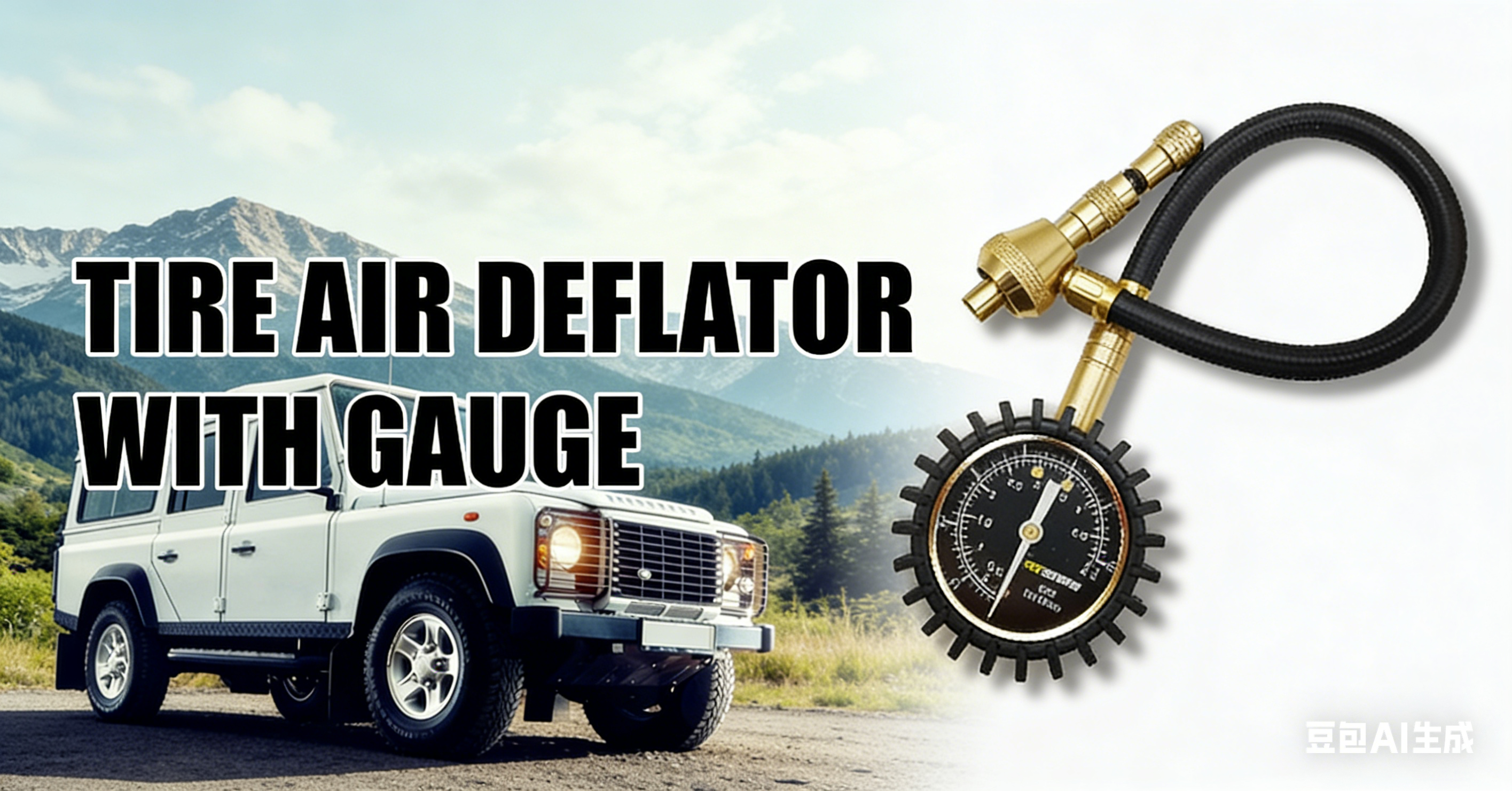
Beginner’s Guide to Airing Down Tires Off-Road: When, Why, and How Low to Go
If you’ve ever seen seasoned off-road drivers stop at the trailhead to adjust their tire pressure, you’ve witnessed one of the most important habits in off-roading: airing down. Lowering your tire pressure before heading into rough terrain can turn a stressful, stuck-filled trip into a smooth, controlled adventure—even for beginners.
This guide breaks down everything you need to know: what airing down really does, when you should do it, how much air to release, and how to safely air back up before returning to pavement.
What Is Airing Down?
Airing down means intentionally lowering your tire pressure below the standard factory-recommended pressure for street driving. Most vehicles run around 30–35 PSI on paved roads, but off-road conditions often call for much lower pressure, typically between 15–20 PSI, and even less in deep sand or extreme terrain.
Softer tires flex more, creating a larger contact area with the ground. This bigger footprint improves traction, smooths out the ride, and keeps you from spinning or sinking on loose, uneven surfaces.
Why Airing Down Works: Better Traction & Comfort
Think of it like wearing snowshoes instead of regular boots. Boots focus your weight on a small area and make you sink; snowshoes spread your weight so you stay on top. Airing down works the same way for your tires.
Here are the key benefits:
-
Larger contact patch: Spreads your vehicle’s weight over more surface area, preventing sinking in sand, mud, or snow.
-
Improved grip: A flexible tire wraps around rocks, roots, and ruts instead of bouncing over them, maintaining constant traction.
-
Smoother ride: Lower pressure acts like extra suspension, absorbing shocks from rough trails and reducing strain on your vehicle.
-
Gentler on trails: Softer tires cause less damage to dirt and gravel paths, supporting responsible off-roading.
When Should You Air Down?
Airing down isn’t always necessary—but it makes a huge difference in these conditions:
-
Sand: Beaches, dunes, desert washes
-
Rocky trails: Loose rocks, uneven terrain
-
Mud & wet clay: Slippery, soft ground
-
Snow: Winter trails and packed snow
-
Gravel & washboard roads: Long stretches of rough, bumpy dirt
You can usually skip airing down on:
-
Well-maintained dirt roads
-
Short, smooth gravel sections
-
Hard-packed, stable terrain
-
Any trail where you’ll quickly return to pavement
A simple rule: if the ground is loose, soft, or uneven, airing down will help.
How Low Should You Go? PSI Guide by Terrain
Ideal pressure depends on your vehicle weight, tire size, and terrain. These are safe, practical starting points:
|
Terrain Type
|
Recommended PSI
|
Notes
|
|---|---|---|
|
Gravel / Washboard
|
25–30 PSI
|
Small drop for comfort and stability
|
|
Rocky Trails
|
18–25 PSI
|
Lets tires conform to rocks
|
|
Mud
|
18–22 PSI
|
Improves flotation; avoid going too low
|
|
Sand
|
12–18 PSI
|
Lower for softer sand
|
|
Snow
|
20–25 PSI
|
Similar to mud for better grip
|
Important tips:
-
Heavier trucks and fully loaded rigs should stay toward the higher end of each range.
-
Without special beadlock wheels, avoid going below 15 PSI to prevent tires from popping off the rim.
-
Start conservative—you can always release more air, but you need a compressor to add it.
How to Air Down: Step-by-Step
Airing down is simple, but consistency and accuracy matter.
What You’ll Need
-
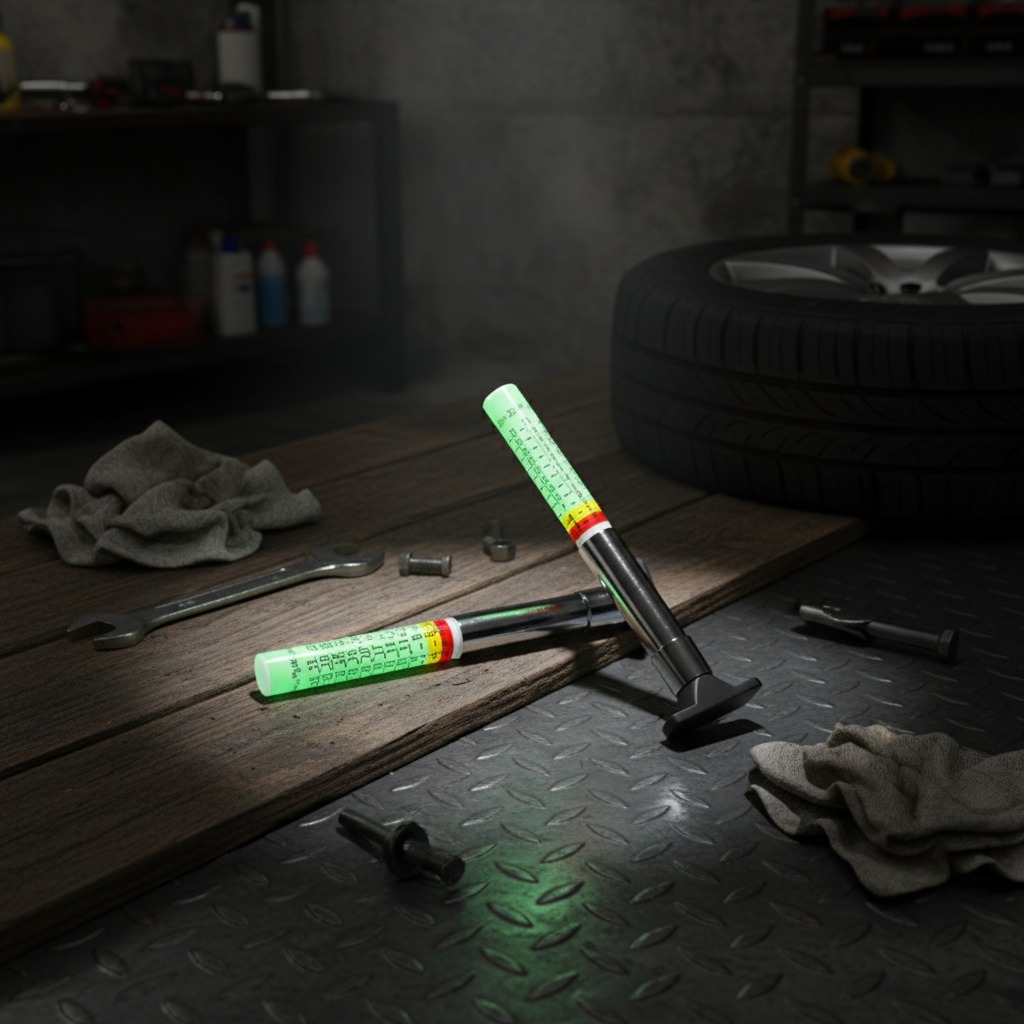
Accurate tire pressure gauge
-
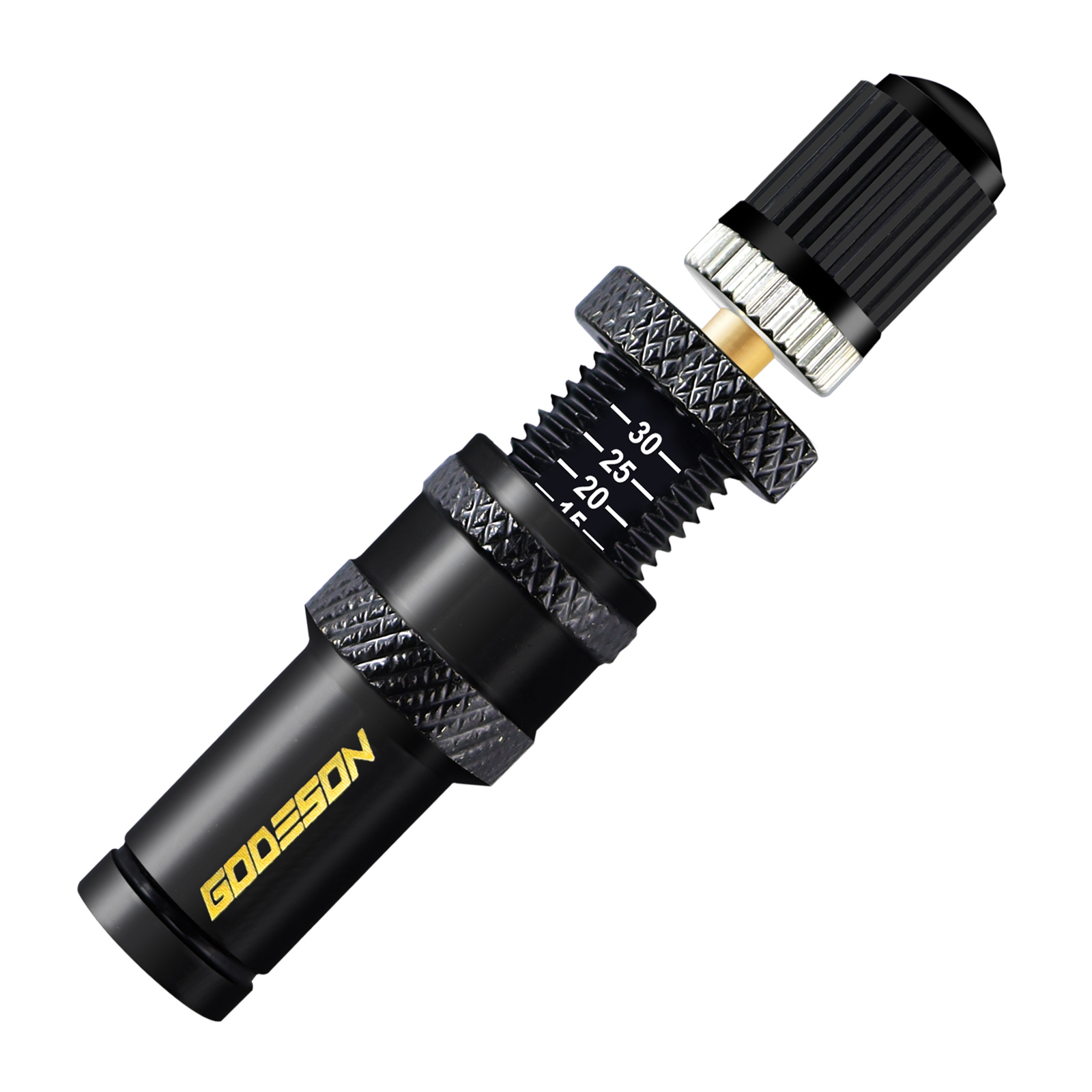
Tire deflator or valve core removal tool (speeds up the process)
-
Portable air compressor (to refill later)
Steps
-
Check your current tire pressure first.
-
Choose your target PSI based on the terrain.
-
Release air from the valve stem.
-
Check pressure often to avoid going too low.
-
Make sure all four tires are at the same pressure for stable handling.
-
Drive slowly at first to let the tires settle.
The Most Important Step: Airing Back Up
Forgetting to re-inflate your tires before driving on pavement is dangerous. Low-pressure tires on roads build up extreme heat, which leads to blowouts, uneven wear, poor handling, and longer stopping distances.
Always air your tires back up to normal street pressure before getting on the highway. A portable 12V compressor is not a luxury—it’s essential off-road gear.
Common Mistakes to Avoid
-
Going too low without beadlock wheels
-
Leaving home without a portable compressor
-
Running uneven pressure across tires
-
Forgetting to re-inflate before pavement
-
Using low-quality, inaccurate pressure gauges
Essential Gear for Airing Down
You don’t need expensive equipment, but reliable tools make the job faster and safer:
-
Precision tire pressure gauge
-
Quick tire deflators
-
Portable 12V air compressor
-
Valve core removal tool for fast deflation
With this guide, you can air down confidently, improve your off-road experience, and keep your tires and vehicle safe.