
Bike Tire Pressure: How to Get It Right for Safety and Speed
Many cyclists overlook tire pressure, but it’s one of the easiest ways to improve your bike’s performance, comfort, and safety. Too little pressure causes slow, sluggish rides and increases the risk of flats; too much pressure makes the ride bumpy and reduces traction. Here’s how to find and maintain the perfect pressure.
First, find your tire’s recommended pressure range. Every bike tire has a sidewall with printed numbers like “35–65 psi” (pounds per square inch) or “2.4–4.5 bar” (1 bar = 14.5 psi). This range is determined by the tire’s size, material, and intended use (e.g., road bike tires have higher pressure ranges than mountain bike tires). Start in the middle of the range—you can adjust up or down based on your weight, riding style, and terrain.
Adjust for your weight. Heavier riders need higher pressure to support their weight and prevent the tire from sagging (which causes rolling resistance). If you’re over 200 pounds, aim for the upper end of the recommended range. Lighter riders (under 150 pounds) can use the lower end for a more comfortable ride. For example, a road tire with a 80–120 psi range: a 180-pound rider might use 100 psi, while a 130-pound rider could use 90 psi.
Adjust for terrain. Road bikes: ride on smooth pavement, so higher pressure (80–120 psi) reduces rolling resistance and speeds you up. Mountain bikes: ride on dirt, rocks, or mud, so lower pressure (25–50 psi) increases traction (the tire can conform to the terrain better). Gravel bikes: a middle ground (40–70 psi)—enough pressure for speed on gravel, but not so much that you lose traction on rough spots.
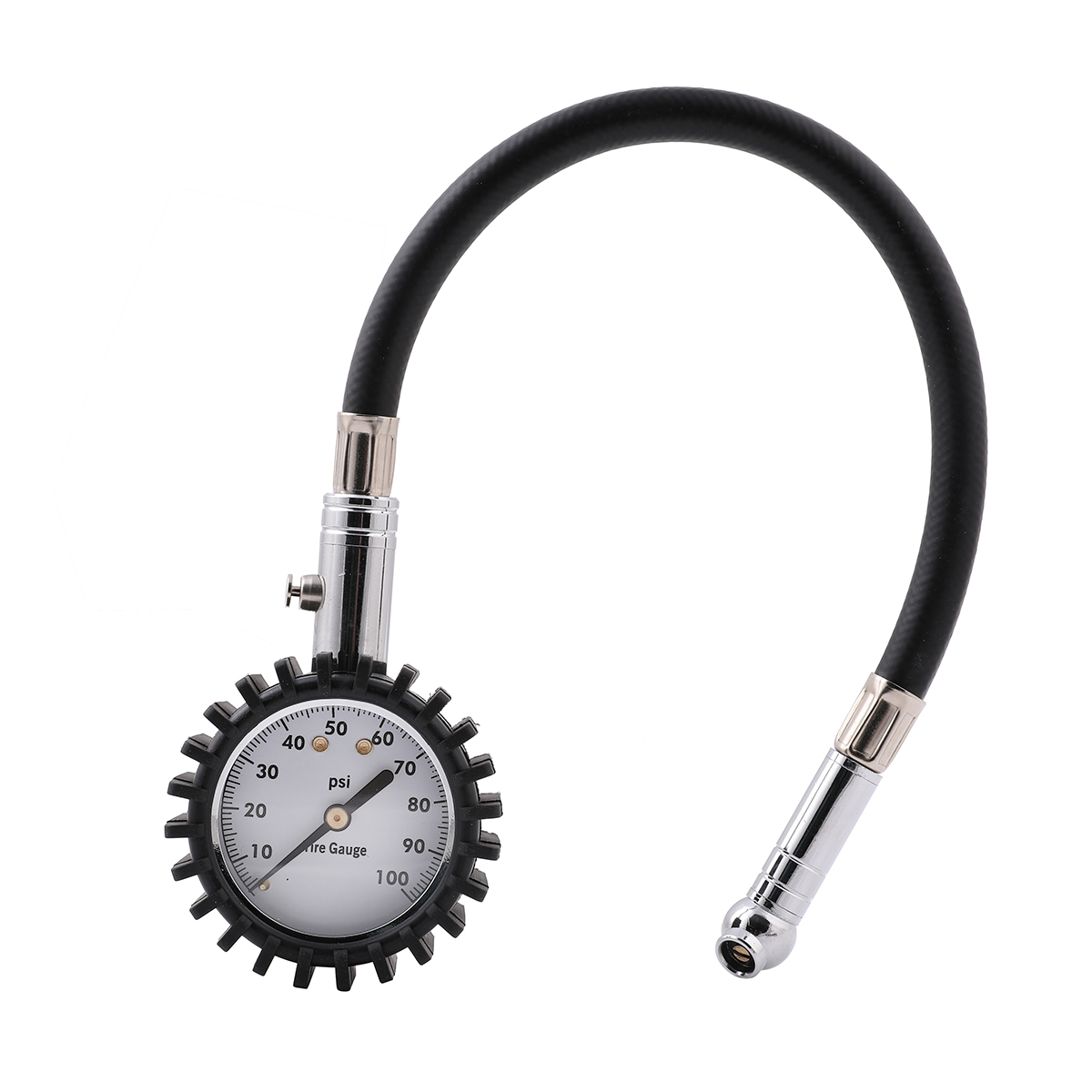
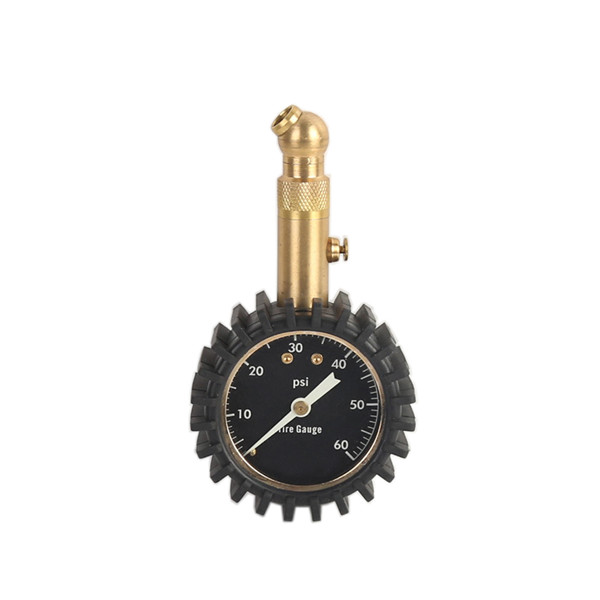
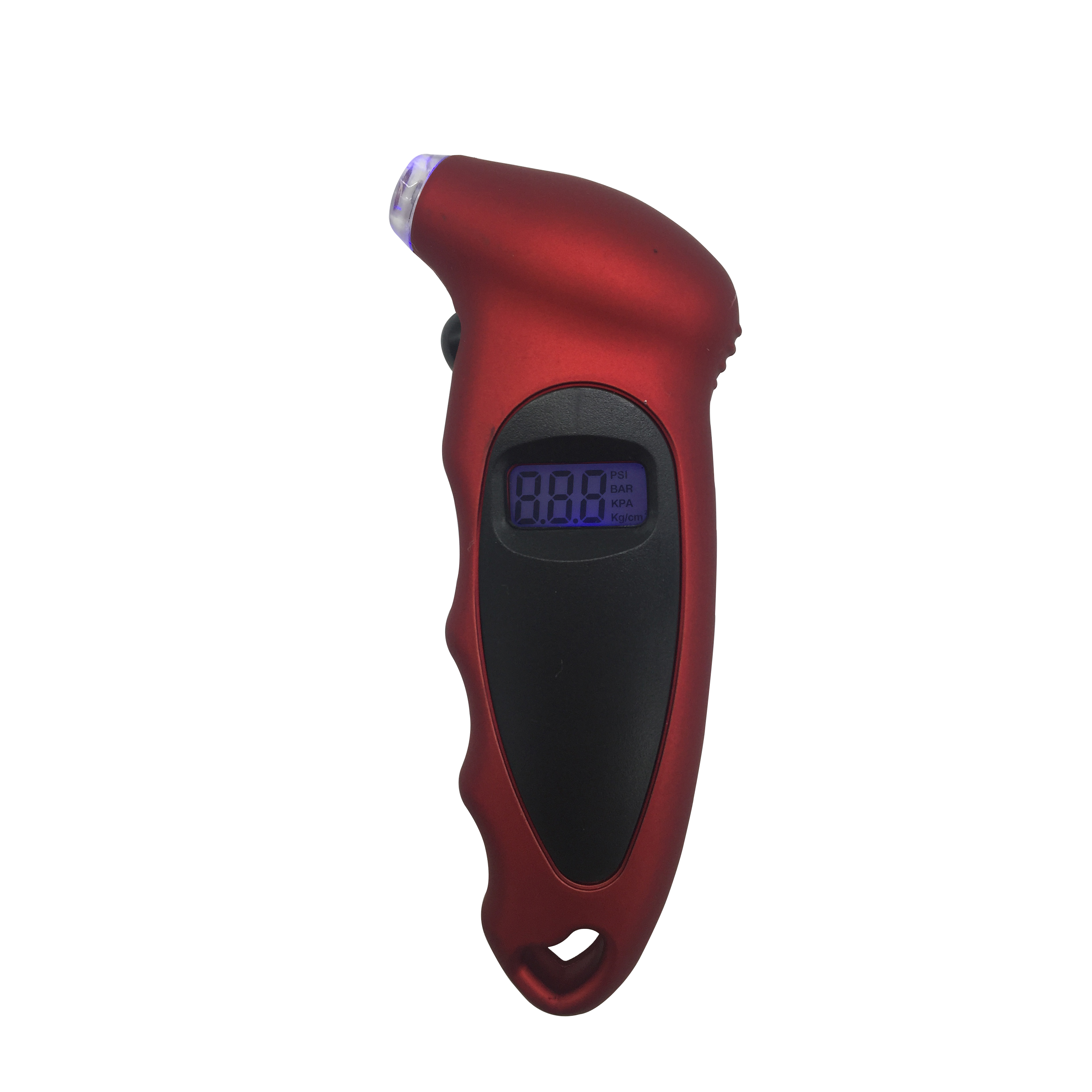
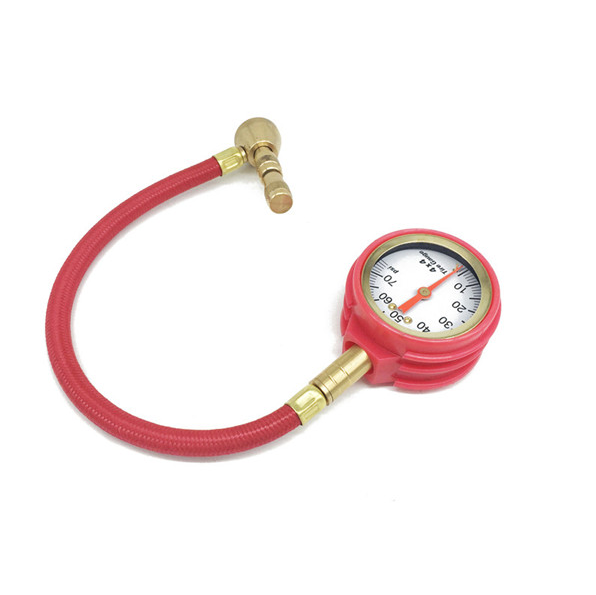
Check pressure regularly. Tire pressure decreases over time (even if the tire isn’t flat)—lose 1–2 psi per week. Check it before every ride with a reliable gauge (a floor pump with a gauge is best; small handheld gauges can be inaccurate). If you hit a pothole or a rock, check pressure afterward—you might have a slow leak.
Avoid overinflating. Never exceed the maximum pressure listed on the tire sidewall. Overinflated tires are more likely to blow out (especially when hitting bumps) and have less contact with the ground, reducing traction. Underinflated tires are also risky—they can pinch the inner tube between the tire and rim (causing a “snake bite” flat) or damage the tire’s sidewall.
Taking 30 seconds to check and adjust your tire pressure before each ride will make your bike faster, more comfortable, and safer—It’s one of the best “free” upgrades you can give your bike.