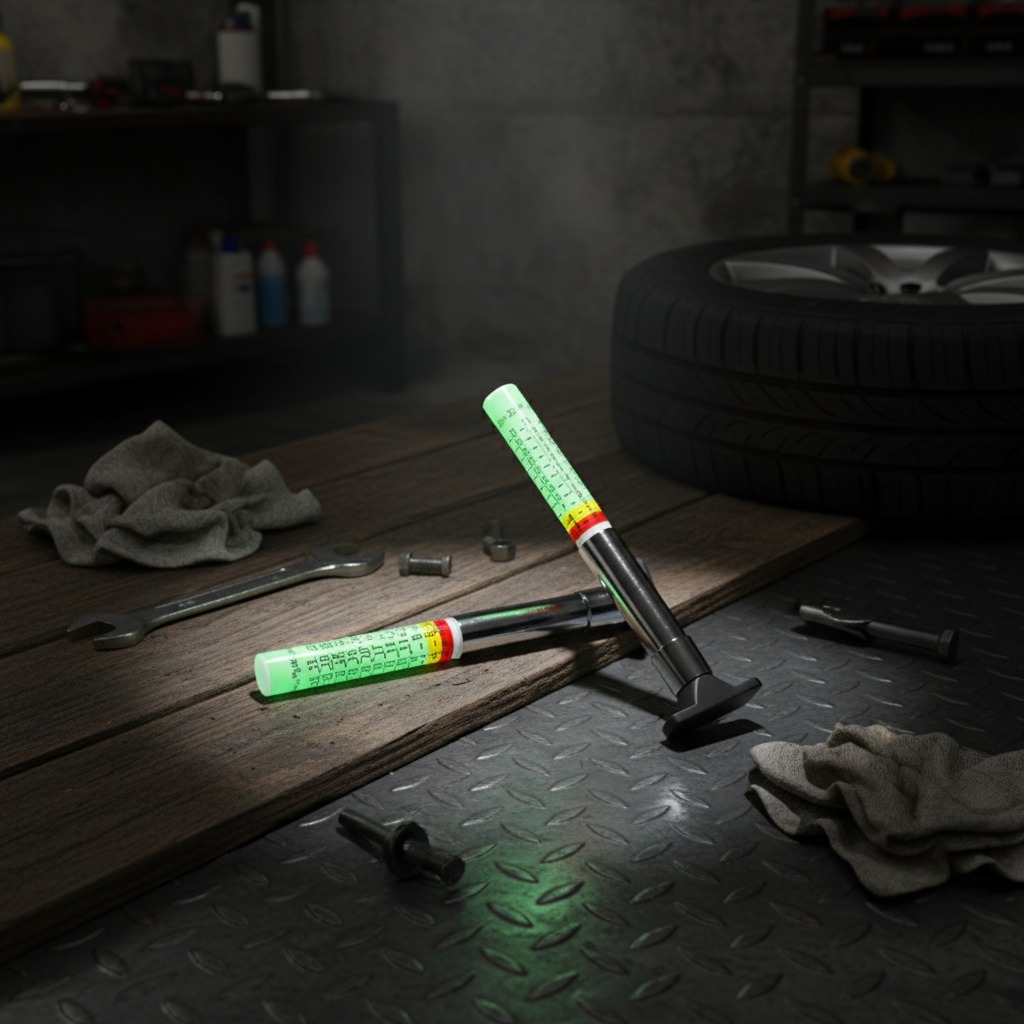

Car Emergency Kit: What to Pack for Unexpected Breakdowns
A car emergency kit is a must-have for every driver— you never know when you’ll get a flat tire, run out of gas, or break down on the side of the road. A well-stocked kit can help you handle minor issues yourself, stay safe while waiting for help, and even save lives in serious emergencies. Here’s what to include in your car emergency kit.
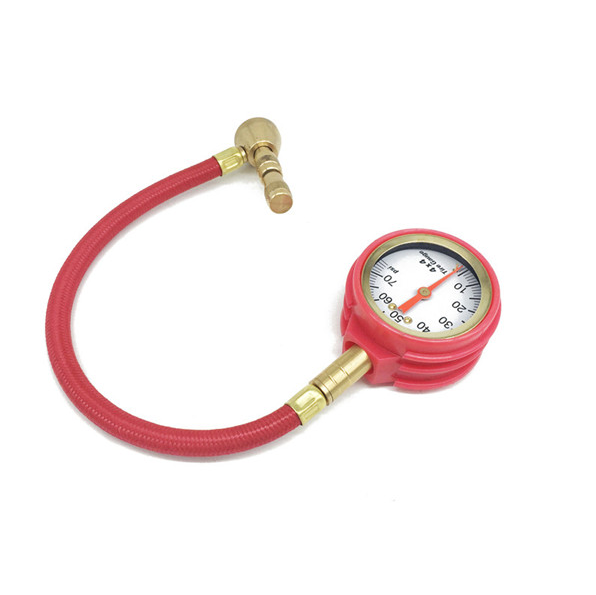
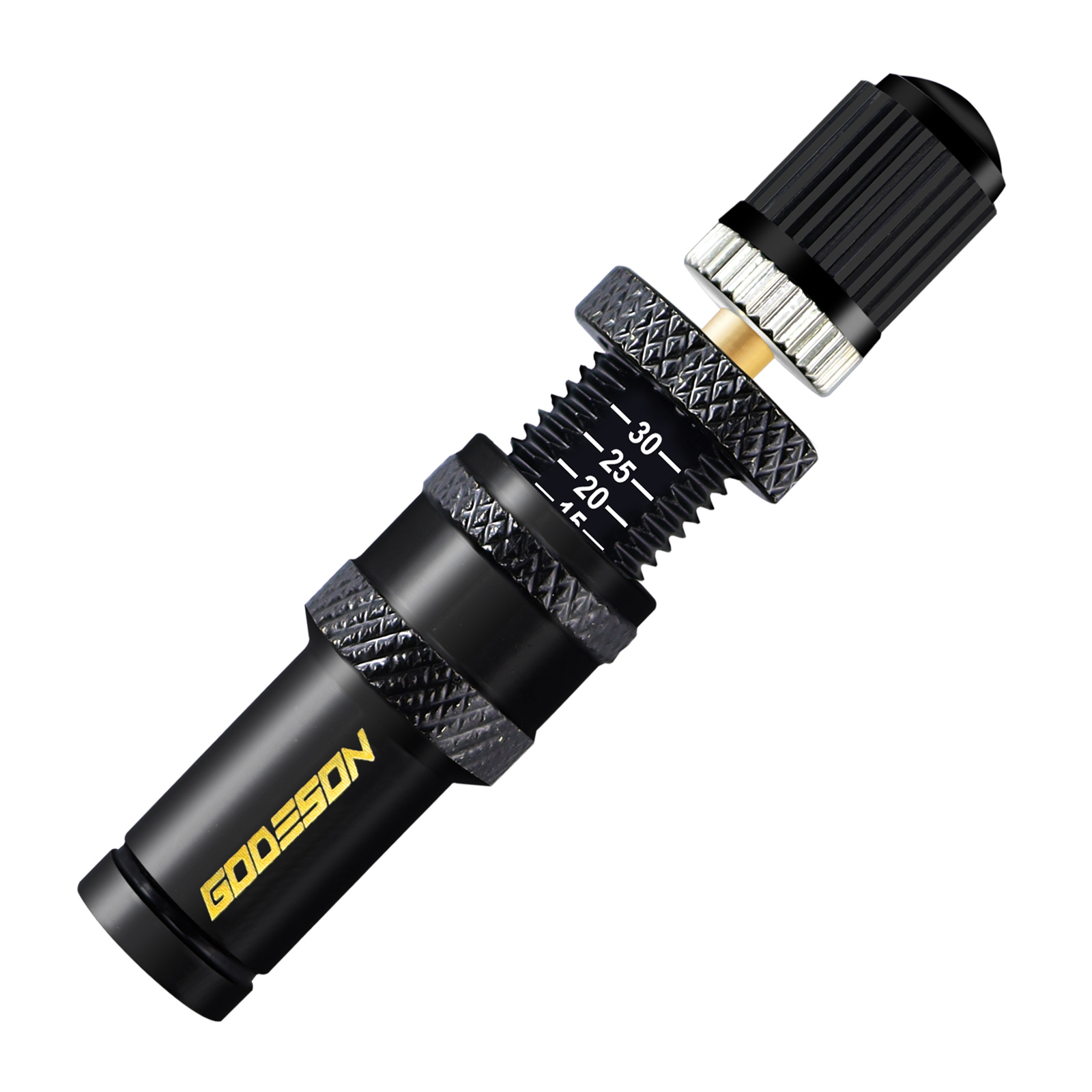
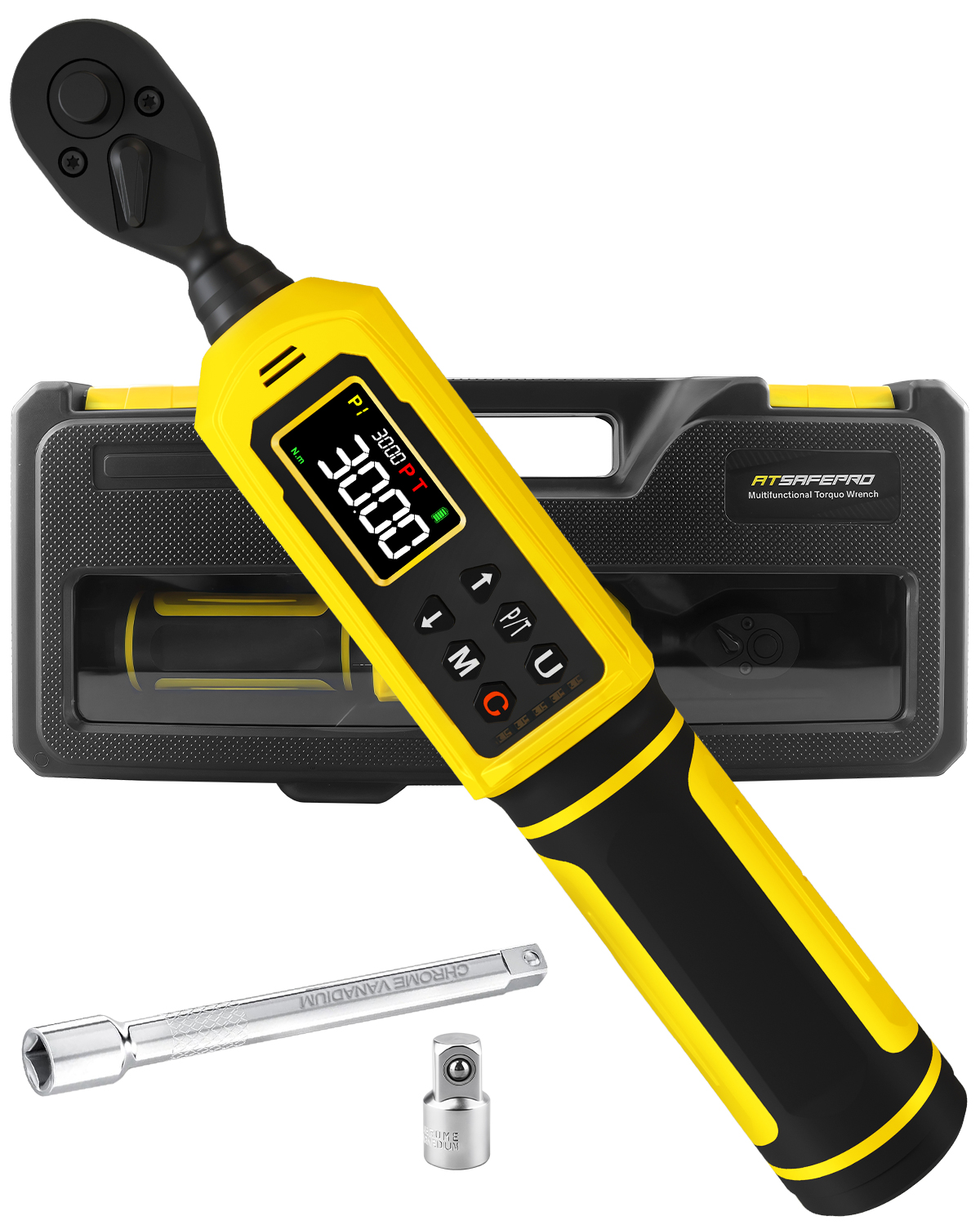
First, include tools for minor repairs. Pack a tire repair kit (with a plug tool, rubber plugs, and a CO2 inflator—for fixing small punctures) and a spare tire (make sure it’s inflated and in good condition). Add a jack and a lug wrench (to change the spare tire) and a multi-tool (with pliers, a knife, and screwdrivers—for small repairs). Include jumper cables (to jump-start a dead battery) and a portable jump starter (a battery-powered device that doesn’t require another car—great for solo drivers). Add a flashlight (with extra batteries or a rechargeable one) and a headlamp (to keep your hands free while working).
Pack supplies for staying safe and comfortable. Include a reflective vest (to make you visible to other drivers, especially at night) and reflective triangles or flares (to warn other cars of your broken-down vehicle—place them 100–200 feet behind your car on the road). Add a blanket (wool or emergency mylar blanket— to stay warm if you’re stranded in cold weather) and extra clothes (a jacket, hat, gloves, and socks—even in summer, nights can be cold). Pack water (at least 1 liter per person) and non-perishable snacks (like granola bars, nuts, or dried fruit— to stay hydrated and full while waiting for help). Include a first-aid kit (with bandages, antiseptic wipes, pain relievers, and tweezers—for minor injuries).
Add items for communication and navigation. Include a charged cell phone and a car charger (to keep your phone powered—you’ll need it to call for help). Add a portable phone charger (a power bank— in case your car’s charger doesn’t work). Include a map and compass (or a GPS device— to find your location if you’re lost, especially in areas with no cell service). Add a list of emergency contacts (roadside assistance, insurance company, and family members— to call for help).
Include supplies for serious emergencies. Pack a fire extinguisher (ABC-rated— to put out small fires, like a engine fire). Add a window breaker and seatbelt cutter (a tool that can break car windows and cut seatbelts— essential if you’re trapped in your car after an accident). Include a whistle (to signal for help if you’re stranded in a remote area). Add a small fire starter kit (matches or a lighter in a waterproof container— to start a fire for warmth or signaling, if safe to do so).
Customize the kit for your climate and needs. If you live in a cold climate, add an ice scraper, snow brush, and a bag of sand or cat litter (to add traction if your car is stuck in snow or ice). If you live in a hot climate, add sunscreen, a hat, and extra water. If you have kids, add baby wipes, diapers, and extra snacks for them. If you drive long distances, add more water and food (enough for 24–48 hours).
Store the kit in an easy-to-reach place. Keep the kit in the trunk or back seat— make sure you can get to it even if the car is broken down. Check the kit every 6 months: replace expired food or water, recharge portable devices, and make sure tools are in good condition.
A well-stocked car emergency kit gives you peace of mind— you’ll be prepared for whatever the road throws at you