
Understanding the Essentials of a Tire Pressure Gauge
Maintaining the correct tire pressure in your vehicle is crucial for safety, fuel efficiency, and longevity of your tires, and a reliable tire pressure gauge is the key tool to achieve this. Imagine gliding down the highway with the confidence that your tires are optimally inflated, preventing blowouts or uneven wear that could lead to costly repairs. A tire pressure gauge serves as your vigilant companion, providing precise measurements in pounds per square inch (PSI) or other units, ensuring your ride remains smooth and secure. Whether you're a daily commuter navigating bustling city streets or an off-road adventurer tackling rugged terrains, selecting the right tire pressure gauge can make all the difference in your driving experience.
In the world of automotive maintenance, tire pressure gauges come in various forms, each designed to cater to different needs and preferences. From compact digital tire gauge models that offer quick digital readouts with backlit displays for easy visibility in low light, to sturdy mechanical tire gauge options that rely on analog dials for a straightforward, no-battery-required operation, there's a tool suited for every toolkit. Accurate readings from these devices not only help in adhering to manufacturer-recommended PSI levels but also contribute to reducing your vehicle's rolling resistance, potentially saving you money at the pump. As you explore the options, consider factors like durability, ease of use, and precision, which are hallmarks of the best tire pressure gauge available today.
Digital Tire Gauge: Precision at Your Fingertips
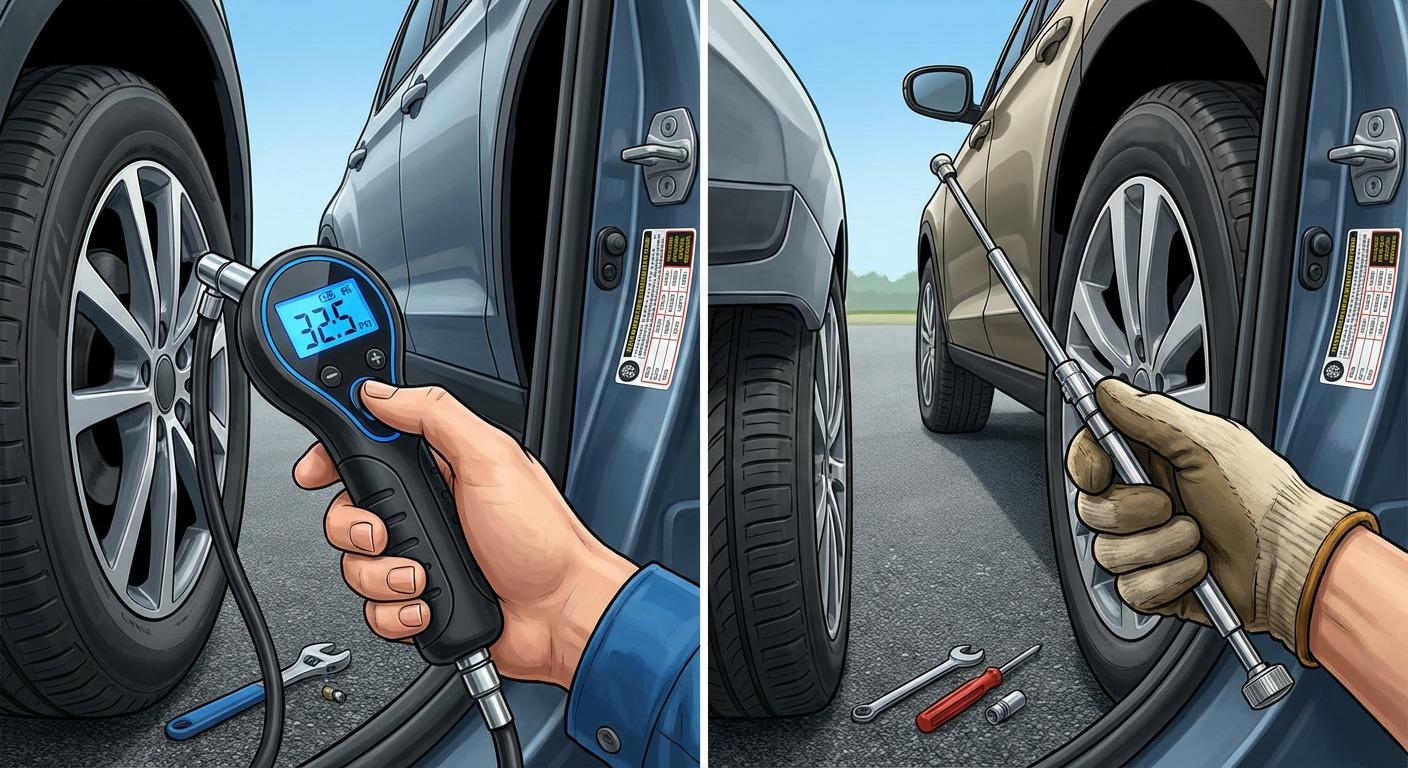
The digital tire gauge represents the pinnacle of modern convenience in tire maintenance, transforming a routine check into a seamless, tech-savvy process. Picture this: with a simple press of a button, its LED screen illuminates, displaying the exact pressure in bold, easy-to-read numbers, often down to the decimal point for unparalleled accuracy. These gauges, frequently equipped with automatic shut-off features to preserve battery life, are ideal for those who value speed and reliability in their diagnostics. Unlike their mechanical counterparts, a digital tire gauge minimizes user error by eliminating the need to interpret needle positions, making it a favorite among professional mechanics and tech enthusiasts alike.
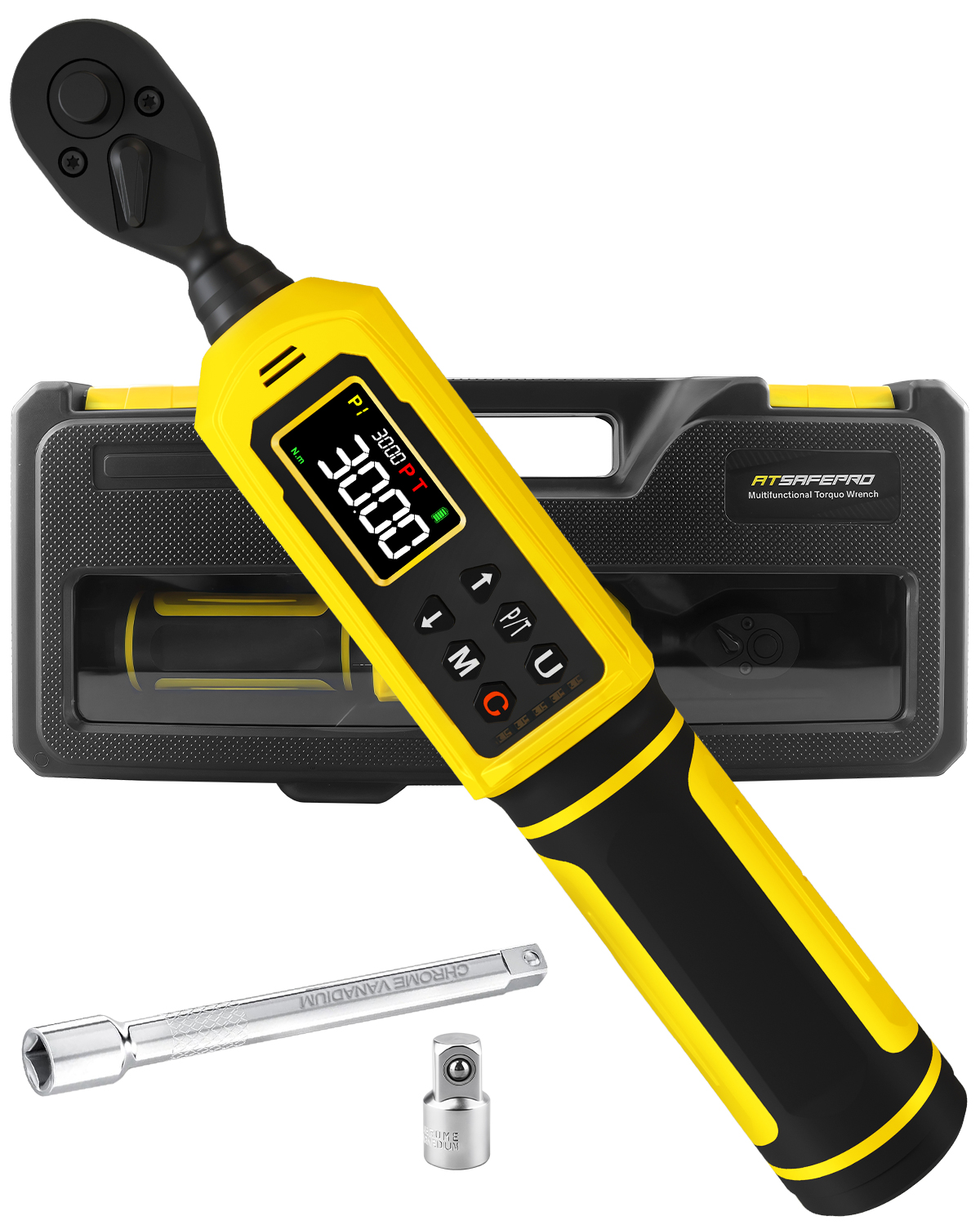
What sets the best digital tire gauge apart is its robust build, often featuring ergonomic designs that fit comfortably in the palm of your hand, with valves that securely connect to your tire's stem without air leakage. Many models include additional functionalities like memory recall for previous readings or even Bluetooth connectivity to pair with smartphone apps for logging maintenance history. For instance, during a long road trip, you can swiftly check pressures at rest stops, ensuring your adventure remains uninterrupted. However, to maintain its precision over time, regular tire gauge calibration is essential; this involves comparing readings against a known standard, such as a certified calibration device, to adjust for any drift in accuracy. Neglecting this step could lead to misguided inflations, compromising your vehicle's performance.
Mechanical Tire Gauge: Timeless Reliability and Simplicity
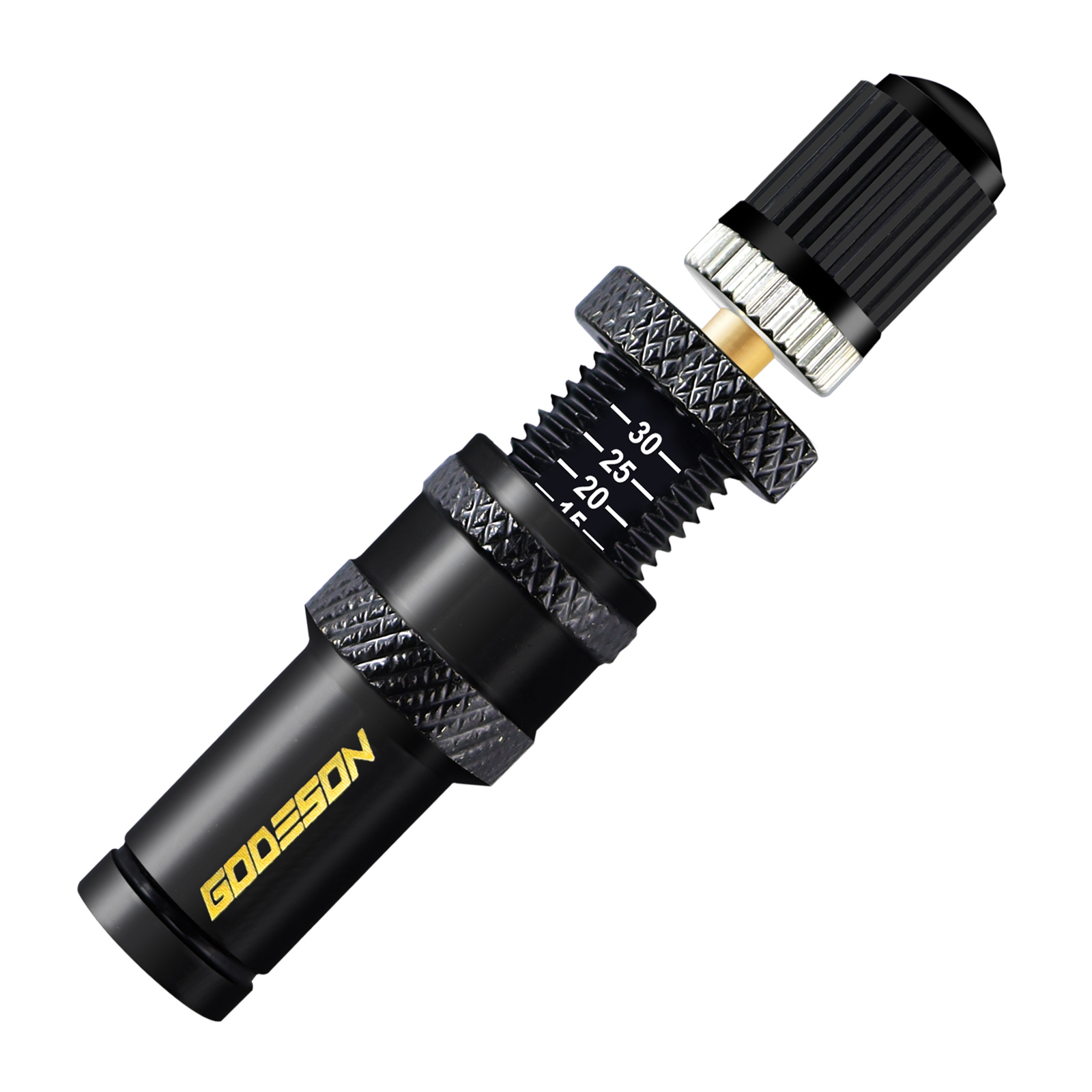
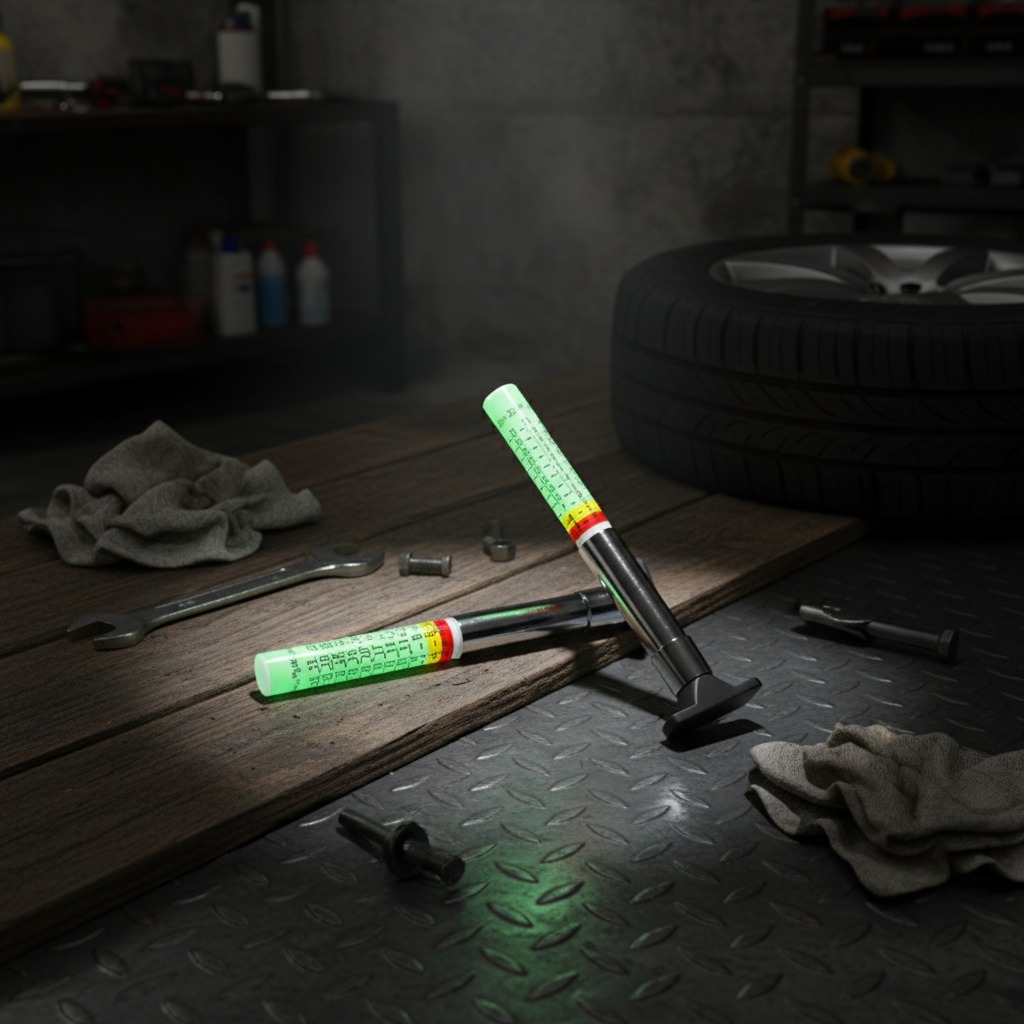
For those who appreciate the tactile assurance of traditional tools, the mechanical tire gauge offers a dependable, no-frills approach to monitoring tire health. Envision a sturdy metal or plastic body with a sliding plunger or pencil-style design that extends to reveal pressure markings etched clearly along its length. Press it firmly onto the tire valve, and the internal mechanism compresses a spring, pushing the indicator to the corresponding PSI level—simple, effective, and free from electronic dependencies. This type of tire pressure gauge is particularly valued in garages or workshops where batteries might fail, providing consistent performance in harsh conditions like extreme temperatures or dusty environments.
The charm of a mechanical tire gauge lies in its robustness and portability; many are pocket-sized, with protective caps to shield the valve from damage. While they may lack the digital precision of electronic models, high-quality versions deliver readings accurate to within 1-2 PSI, sufficient for most everyday needs. When choosing the best mechanical tire gauge, look for one with a wide pressure range—typically 0 to 100 PSI—to accommodate everything from bicycles to heavy-duty trucks. Durability is key, as these gauges often withstand drops and rough handling better than their digital siblings. To ensure longevity, periodic tire gauge calibration remains advisable, perhaps using a reference gauge to verify alignment and reset if necessary, keeping your measurements trustworthy.
Mastering How to Use a Tire Gauge Effectively
Knowing how to use a tire gauge correctly is as important as owning a quality one, turning potential guesswork into precise maintenance rituals. Start by parking your vehicle on a level surface and letting the tires cool if they've been driven extensively, as heat can inflate readings by several PSI. Remove the valve cap from the tire stem, then firmly attach the gauge's nozzle— for a digital tire gauge, wait for the beep or display to stabilize; for mechanical, give it a quick press and read immediately to avoid air loss. Deflate or inflate as needed using your air compressor, rechecking with the gauge until you hit the target pressure, usually found on a sticker inside your driver's door or owner's manual.
This process, when done routinely, not only enhances safety by reducing the risk of tire failures but also optimizes fuel economy—studies show underinflated tires can decrease mileage by up to 3%. For the best results, incorporate tire gauge calibration into your routine every few months or after heavy use. If you're using a pencil-style mechanical tire gauge, gently tap it to reset the indicator between readings, ensuring no residual pressure skews the next measurement. Beginners might practice on multiple tires to build familiarity, appreciating how a well-calibrated tool provides consistent feedback. Whether opting for a digital or mechanical tire gauge, mastering these steps empowers you to maintain peak vehicle performance effortlessly.
Selecting the Best Tire Pressure Gauge for Your Needs
Choosing the best tire pressure gauge boils down to aligning the tool's features with your lifestyle and vehicle type. For urban drivers seeking quick checks, a compact digital tire gauge with auto-backlight shines in convenience, while off-roaders might prefer the indestructible nature of a mechanical tire gauge that won't falter in remote areas. Price points vary widely, from budget-friendly mechanical options under $10 to advanced digital models exceeding $50, but investing in quality pays off through accurate, long-lasting service. Always verify the gauge's range matches your tires' requirements—passenger cars typically need 30-35 PSI, while SUVs may demand more.
Beyond basics, consider user reviews highlighting ease of tire gauge calibration and real-world accuracy. Brands known for automotive excellence often incorporate user-friendly designs, like angled heads for hard-to-reach valves or glow-in-the-dark dials for nighttime use. Remember, the best tire pressure gauge isn't just about measurement; it's about fostering a proactive approach to vehicle care that enhances every journey. By integrating regular checks into your schedule, you'll notice smoother handling, even tread wear, and a newfound sense of control over your automotive world.
Why Regular Tire Pressure Checks Matter
In conclusion, a dependable tire pressure gauge is more than a gadget—it's an essential ally in safe, efficient driving. Whether you lean toward the precision of a digital tire gauge or the simplicity of a mechanical one, understanding how to use a tire gauge and prioritizing tire gauge calibration ensures your vehicle performs at its best. With the right tool in hand, you'll navigate roads with assurance, saving time, money, and perhaps even lives through vigilant maintenance. Embrace this small habit, and watch how it transforms your driving experience into something truly reliable and enjoyable. (Word count: 1,128)