
The Unsung Hero of Your Workshop: Choosing the Perfect Air Hose
Compressed air is the lifeblood of many workshops, garages, and industrial settings, powering everything from nail guns and impact wrenches to paint sprayers and sanders. While the air compressor gets most of the attention, the critical link that delivers that power to your tool is the humble air hose. Selecting the right one is not just a matter of convenience; it directly impacts tool performance, efficiency, and your overall safety. An inadequate hose can starve a powerful tool of the air it needs, leading to frustratingly poor results and wasted energy. This guide will walk you through the essential considerations for choosing the perfect hose for your needs, ensuring you get the most out of your pneumatic tools.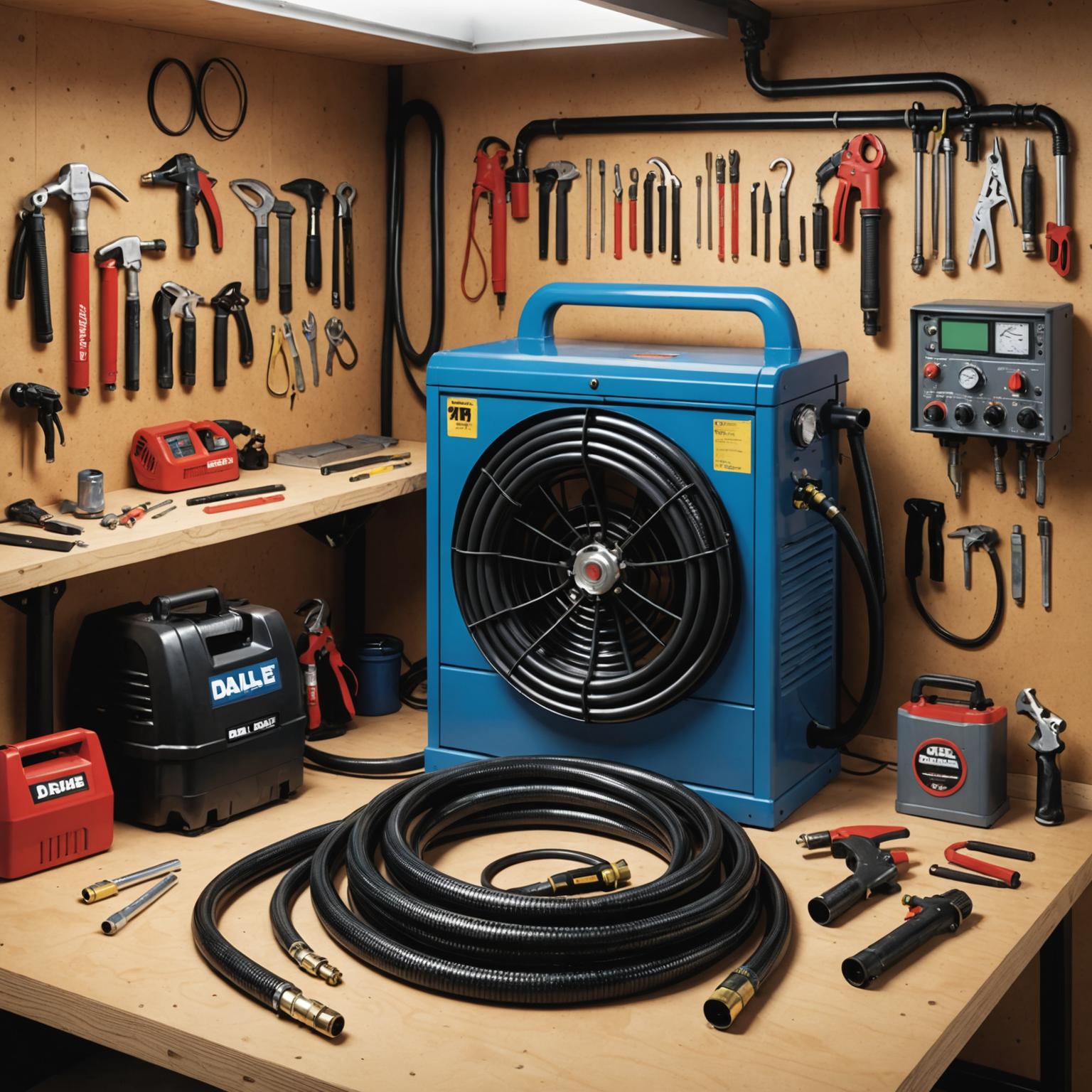
Understanding the Vital Role of an Air Compressor Hose
At its core, an air compressor hose is a simple conduit designed to transport pressurized air from the compressor's tank to a pneumatic tool. However, its role is far more significant than that simple description implies. The right hose ensures a consistent and adequate volume of air, measured in Cubic Feet per Minute (CFM), reaches the tool. If the hose is too long or too narrow, it can cause a pressure drop, meaning the tool won't operate at its peak capacity. This is especially noticeable with high-demand tools like grinders or sanders. Furthermore, a quality hose is a safety device. Hoses are rated for a specific maximum pressure (PSI), and using a hose with a lower rating than your compressor's output can lead to a dangerous rupture. Investing in a durable, correctly-sized air compressor hose is an investment in the productivity and safety of your entire compressed air system.
Choosing Your Material: PVC Air Hose vs. Rubber Air Hose
One of the first decisions you'll face is the material of the hose, with the two most common options being Polyvinyl Chloride (PVC) and rubber. Each has distinct advantages and disadvantages. A PVC air hose is often favored by DIY enthusiasts and in workshops where budget is a key consideration. It is lightweight, making it easy to maneuver around a project, and generally has good abrasion resistance. However, its main drawback is its performance in cold weather. As temperatures drop, a PVC hose can become very stiff and difficult to coil, and in extreme cold, it can even become brittle and crack. It is best suited for indoor use in temperature-controlled environments.
On the other hand, a rubber air hose is the preferred choice for most professional and heavy-duty applications. Its primary benefit is superior flexibility, which it maintains even in freezing conditions. This makes it far easier to handle and less prone to kinking. Rubber is also exceptionally durable, offering excellent resistance to punctures, chemicals, and oil. The trade-offs are that it is significantly heavier than PVC and typically more expensive. A rubber air hose can also leave black scuff marks on surfaces, which might be a concern in certain finishing applications. For demanding industrial environments or outdoor work in variable climates, the durability and flexibility of rubber are often worth the extra weight and cost.
Essential Factors to Consider Before You Buy
Beyond the material, several other specifications are crucial for selecting the right hose. The inside diameter (ID) is perhaps the most important. A larger ID allows more airflow (higher CFM) and is essential for high-consumption tools. A 1/4-inch ID hose is fine for small tools like brad nailers, but a 3/8-inch or even 1/2-inch ID hose is necessary for impact wrenches, sanders, and paint sprayers to function correctly. Hose length is another critical factor. While it’s tempting to buy a very long hose for maximum reach, remember that longer hoses create more friction and lead to a greater pressure drop. The best practice is to choose a hose that is just long enough for your workspace with a little extra slack, and consider moving the compressor closer if needed. Always check the pressure rating, ensuring the hose's maximum PSI is higher than your compressor's maximum output pressure. Finally, pay attention to the end fittings, which are typically 1/4-inch NPT (National Pipe Thread) male connectors. Ensure they are made of a durable material like brass to prevent corrosion and ensure a tight, leak-free seal with your couplers.
Proper Care and Safety for Your Air Hose
To ensure a long service life and safe operation, proper maintenance is key. Before each use, give your hose a quick visual inspection, looking for any cracks, bulges, cuts, or worn spots, especially near the fittings. Never use a damaged hose. When you're finished working, don't just drop the hose on the floor. The best way to store it is on a dedicated hose reel, which prevents kinking and protects it from being stepped on or driven over. If you don't have a reel, coil it loosely and hang it on a hook. Try to store it out of direct sunlight and away from extreme temperatures, as UV rays and heat can degrade the material over time. For safety, always wear eye protection when working with compressed air and be sure to release the pressure from the hose before attempting to disconnect any tools or fittings. A little care goes a long way in keeping your equipment in top shape.
Making the Right Connection for Your Tools
Choosing the right air hose is a foundational step in building an effective and safe compressed air setup. By understanding the differences between a flexible rubber air hose and a lightweight PVC air hose, you can select the material that best fits your work environment and budget. Paying close attention to critical specifications like inside diameter, length, and PSI rating ensures your tools will receive the power they need to perform at their best. By making an informed decision, you are not just buying a hose; you are making a smart investment in the efficiency, power, and safety of your entire workshop.