
Choosing the right air hose for your pneumatic tools can seem like a simple task, but the a wide array of options available can be overwhelming. The proper hose is more than just a tube for delivering compressed air; it's a critical component that directly impacts the performance, efficiency, and safety of your entire setup. Whether you're a DIY enthusiast working in your garage or managing a large-scale manufacturing facility, understanding the key factors in selecting a hose will save you time, money, and frustration. This guide will walk you through the essential considerations to ensure you find the perfect match for your needs.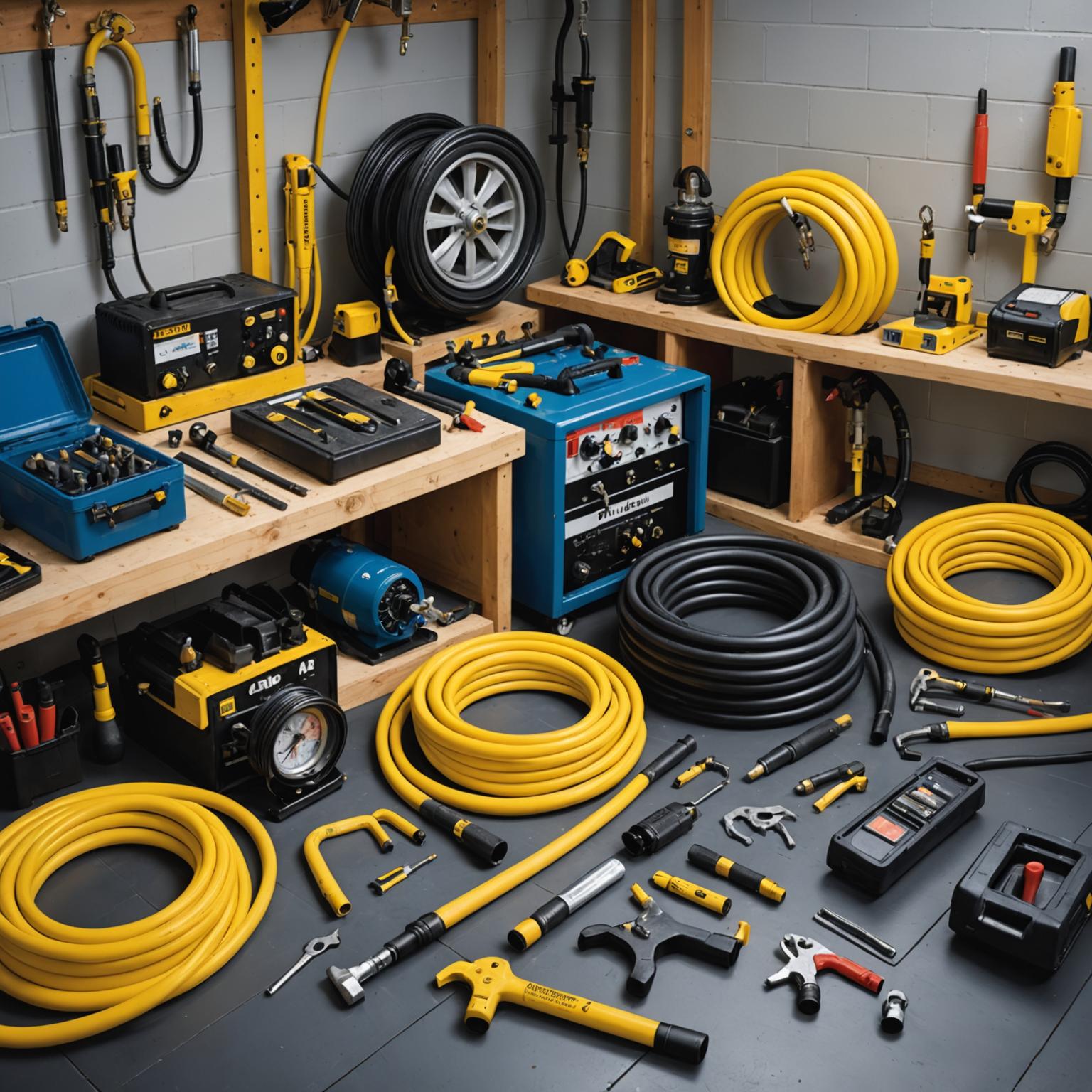
1. Hose Material: The Foundation of Performance
The material of your hose is arguably the most important decision you'll make, as it dictates flexibility, durability, weight, and weather resistance. The most common options are rubber, PVC, and hybrid polymers. A rubber air hose is a classic choice, renowned for its superior flexibility, even in cold temperatures. It lays flat, resists kinking, and is extremely durable, making it ideal for rough environments. However, it can be heavier and more expensive than other options. PVC hoses are lightweight and affordable but become stiff and difficult to manage in the cold, and they are more prone to cracking over time. Hybrid hoses offer a compromise, blending the flexibility of rubber with the lighter weight of PVC, providing a great all-around performance for many users.
2. Diameter and Length: Balancing Power and Reach
The inner diameter (ID) of a hose determines the volume of air it can deliver, measured in Cubic Feet per Minute (CFM). A larger ID allows for more airflow with less pressure drop over distance. For most common air tools like nail guns or impact wrenches, a 3/8-inch ID is standard. However, high-demand tools like sanders or paint sprayers may require a 1/2-inch or larger hose to operate at peak performance. Hose length is a trade-off between convenience and efficiency. A longer hose provides greater reach, but it also results in a more significant pressure drop from the compressor to the tool. It's best to choose the shortest length that will comfortably accommodate your workspace to ensure your tools receive optimal pressure and power.
3. Pressure Rating: A Critical Safety Factor
Every air hose has a maximum pressure rating, typically measured in Pounds per Square Inch (PSI). It is crucial to select a hose with a PSI rating that exceeds the output of your air compressor and the requirements of your most demanding tool. Using a hose with an insufficient pressure rating is a significant safety hazard that can lead to a burst, causing potential injury and property damage. Always check the manufacturer's specifications on both your compressor and tools, and choose a hose that provides a safe margin. For heavy-duty applications, a robust industrial air hose is designed to handle consistently higher pressures and more demanding cycles without failing.
4. Fittings and Couplers: Ensuring a Secure Connection
The fittings on the ends of the hose are what connect it to your compressor and tools. Most hoses in North America come with 1/4-inch National Pipe Thread (NPT) fittings, which are the standard for most consumer and professional air tools. These are typically made of brass or steel for durability. It's important to ensure these fittings are properly installed and sealed with thread tape or sealant to prevent air leaks, which waste energy and reduce tool performance. High-quality, crimped-on fittings are generally more reliable than user-installed ones. The type of quick-connect coupler you use also matters, as different styles (e.g., Industrial, Automotive, ARO) are not compatible with each other. Standardizing on one type across all your tools and hoses simplifies your workflow.
5. Storage and Management: The Role of Air Hose Reels
Proper storage is key to extending the life of your hose and maintaining a safe work environment. Leaving a hose coiled on the floor creates a serious trip hazard and exposes it to damage from being stepped on or run over. This is where air hose reels become invaluable. Available in manual, spring-retractable, or motorized versions, reels keep your workspace organized and protect your investment. Retractable air hose reels are particularly popular for their convenience, allowing you to pull out the exact length of hose you need and retracting it neatly when you're finished. For a demanding industrial air hose, a heavy-duty steel reel is a necessity to manage the weight and ensure long-term reliability in a professional setting. Investing in a good management system like a reel pays for itself in longevity and safety.