
Understanding the Essential Tire Gauge for Trucks

For heavy-duty vehicles like trucks, maintaining optimal tire pressure is crucial, and a reliable tire gauge for trucks becomes an indispensable tool in any driver's kit. This device, designed specifically for the larger tires and higher pressures of commercial and off-road trucks, ensures that you can monitor and adjust tire inflation with precision, preventing costly downtime and enhancing overall safety. Imagine navigating long hauls across rugged terrains; a malfunctioning tire due to improper pressure could spell disaster, but with the right tire gauge for trucks, you gain peace of mind knowing your rig is ready for the road.
Trucks, whether they're hauling freight on highways or tackling construction sites, bear immense loads that demand robust tire performance. A tire gauge for trucks typically features a wider measurement range, often up to 200 PSI or more, to accommodate the demands of these vehicles. Unlike standard car gauges, these are built tougher, with durable housings that withstand the vibrations and harsh conditions of trucking life. Picture the relief of checking pressures at a rest stop, the gauge's clear digital or analog display cutting through the dusk, revealing if your tires are holding up under the weight of your cargo.
Exploring the Tire Gauge with Flashlight Feature
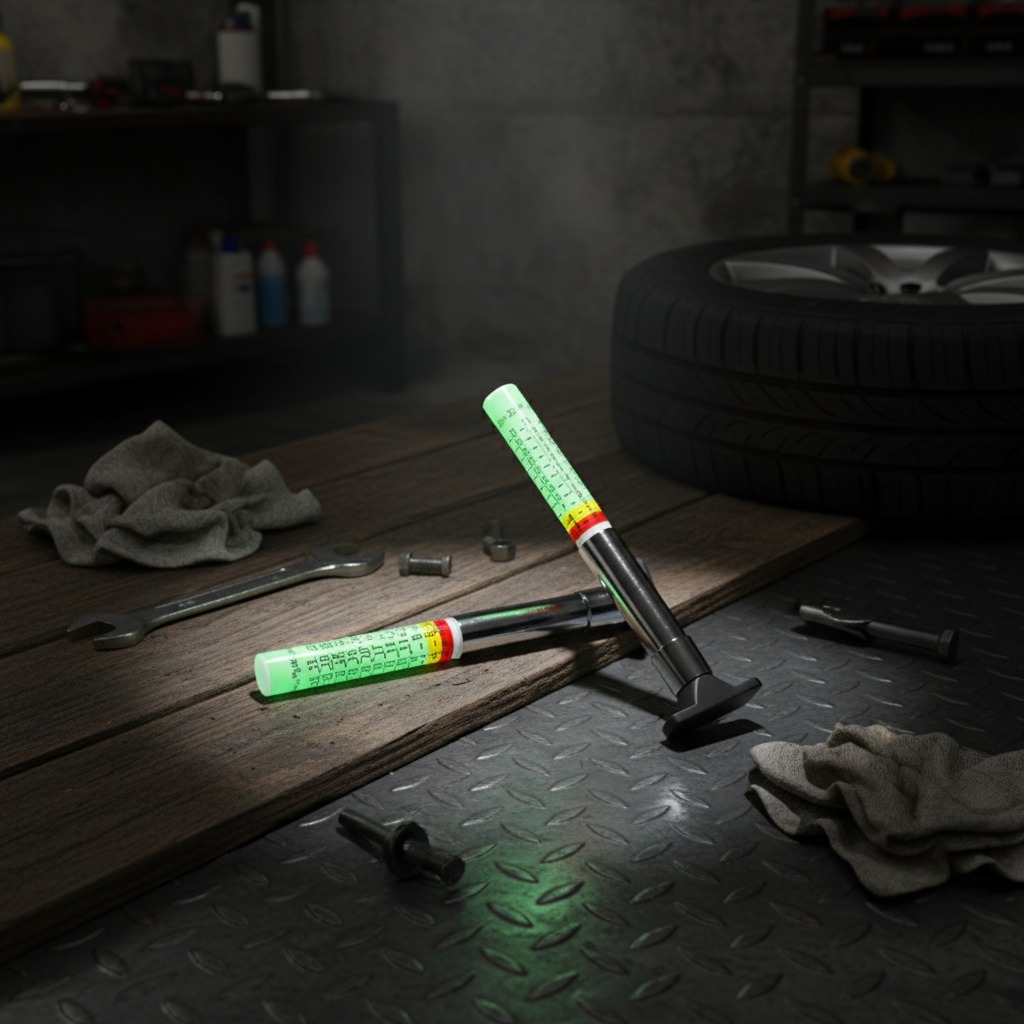
One standout variant is the tire gauge with flashlight, a game-changer for nighttime inspections or low-light environments common in trucking. This integrated feature illuminates the valve stem, allowing you to read pressures accurately without fumbling for a separate light source. Envision pulling into a dimly lit truck stop after a grueling shift; the tire gauge with flashlight pierces the shadows, its beam steady and focused, ensuring no detail is missed in your pre-trip checks.
The convenience of a tire gauge with flashlight extends beyond mere visibility. It often pairs with ergonomic designs for easy one-handed operation, making it ideal for drivers who need to perform quick assessments while on the move. These gauges are crafted from high-impact materials, resistant to drops and exposure to road grime, embodying the resilience required in the trucking world. Whether you're verifying pressures before dawn or after sunset, this tool transforms a routine task into an efficient, hassle-free process, saving time and reducing the risk of overlooked issues.
How to Check Tire Pressure Effectively
Knowing how to check tire pressure is fundamental to safe trucking, and it starts with selecting the appropriate tire gauge for trucks. Begin by parking on a level surface and letting the tires cool if they've been driven recently, as heat can inflate readings. Remove the valve cap, press the gauge firmly onto the stem to expel air, and note the reading—aim for the manufacturer's recommended PSI, usually found on the door jamb or owner's manual.
When using a tire gauge for trucks, listen for the hiss of escaping air, which confirms a proper seal, then compare the value against your truck's specs. If it's low, inflate slowly while monitoring with the gauge to avoid overfilling. This methodical approach, illustrated by the satisfying click of the gauge locking in, not only maintains tire integrity but also optimizes fuel efficiency. Drivers often describe the process as empowering, turning what could be a tedious chore into a confident ritual that safeguards their livelihood.
For added precision in how to check tire pressure, incorporate a routine schedule—daily for long-haul operations or weekly for local routes. Tools like the tire gauge with flashlight prove invaluable here, especially in varied lighting conditions. By mastering these steps, truckers can detect gradual leaks or uneven wear early, painting a vivid picture of proactive maintenance that keeps wheels turning smoothly mile after mile.
Ensuring Tire Gauge Compatibility for Your Truck
Tire gauge compatibility is a critical consideration when equipping your truck, as not all gauges suit every tire type or system. For trucks with standard Schrader valves, most tire gauges for trucks will fit seamlessly, but those with larger commercial tires or specialized setups, like run-flat systems, may require adapters or heavy-duty models. Visualize selecting a gauge that matches your fleet's needs, its robust chuck gliding effortlessly onto valves without slipping, ensuring reliable results every time.
Compatibility extends to digital versus analog preferences; digital tire gauges for trucks often offer Bluetooth connectivity for logging data, while analog ones provide a straightforward, no-battery reliability favored by seasoned drivers. Check for features like dual-head designs for inner and outer dual tires on tractor-trailers, preventing the frustration of inaccessible valves. A compatible tire gauge with flashlight enhances this by lighting up hard-to-reach spots, making compatibility not just about fit but about functionality in real-world scenarios.
To verify tire gauge compatibility, consult your truck's manual and test the tool on a few valves before committing. This diligence pays off in seamless integration, where the gauge becomes an extension of your vehicle's maintenance ecosystem, vividly demonstrating how the right choice bolsters operational efficiency and longevity.
The Impact of Tire Pressure on Driving Performance
The impact of tire pressure on driving is profound, particularly for trucks where margins for error are slim. Underinflated tires increase rolling resistance, guzzling fuel and straining the engine, while overinflation leads to uneven wear and reduced traction, heightening accident risks on wet or icy roads. Envision cruising at highway speeds; proper pressure, verified by your tire gauge for trucks, keeps the ride stable, the hum of tires a steady companion rather than a warning.
Beyond efficiency, the impact of tire pressure on driving affects handling and braking—low pressure can cause blowouts under load, turning a routine maneuver into chaos, whereas balanced inflation ensures responsive steering and shorter stopping distances. Truckers report feeling the difference immediately: smoother rides, less sway in crosswinds, and a tangible boost in confidence. Integrating checks with a tire gauge with flashlight during night drives amplifies safety, illuminating both the valve and the path to better performance.
Long-term, maintaining ideal pressure through regular use of a compatible tire gauge for trucks extends tire life, cutting replacement costs and minimizing environmental impact from discarded rubber. This ripple effect underscores how something as simple as monitoring PSI influences everything from daily commutes to cross-country journeys, painting a comprehensive portrait of tire pressure as the unsung hero of trucking.
In wrapping up, investing in a quality tire gauge for trucks, especially one with flashlight capabilities, equips you to handle how to check tire pressure with ease, ensures compatibility across your fleet, and mitigates the impact of tire pressure on driving. These tools don't just measure air; they safeguard journeys, fuel savings, and peace of mind on the open road.