
Understanding Digital Pressure Gauges
Digital pressure gauges represent a significant advancement in pressure measurement technology, offering precision and reliability for various industrial and commercial applications. Unlike traditional analog gauges, digital pressure gauges provide clear, easy-to-read displays and enhanced accuracy, making them indispensable in modern settings. The main keyword, digital pressure gauges, highlights their core functionality: converting pressure readings into digital signals for immediate and accurate interpretation. These devices are widely used in sectors like manufacturing, HVAC systems, and oil and gas, where monitoring pressure is critical for safety and efficiency.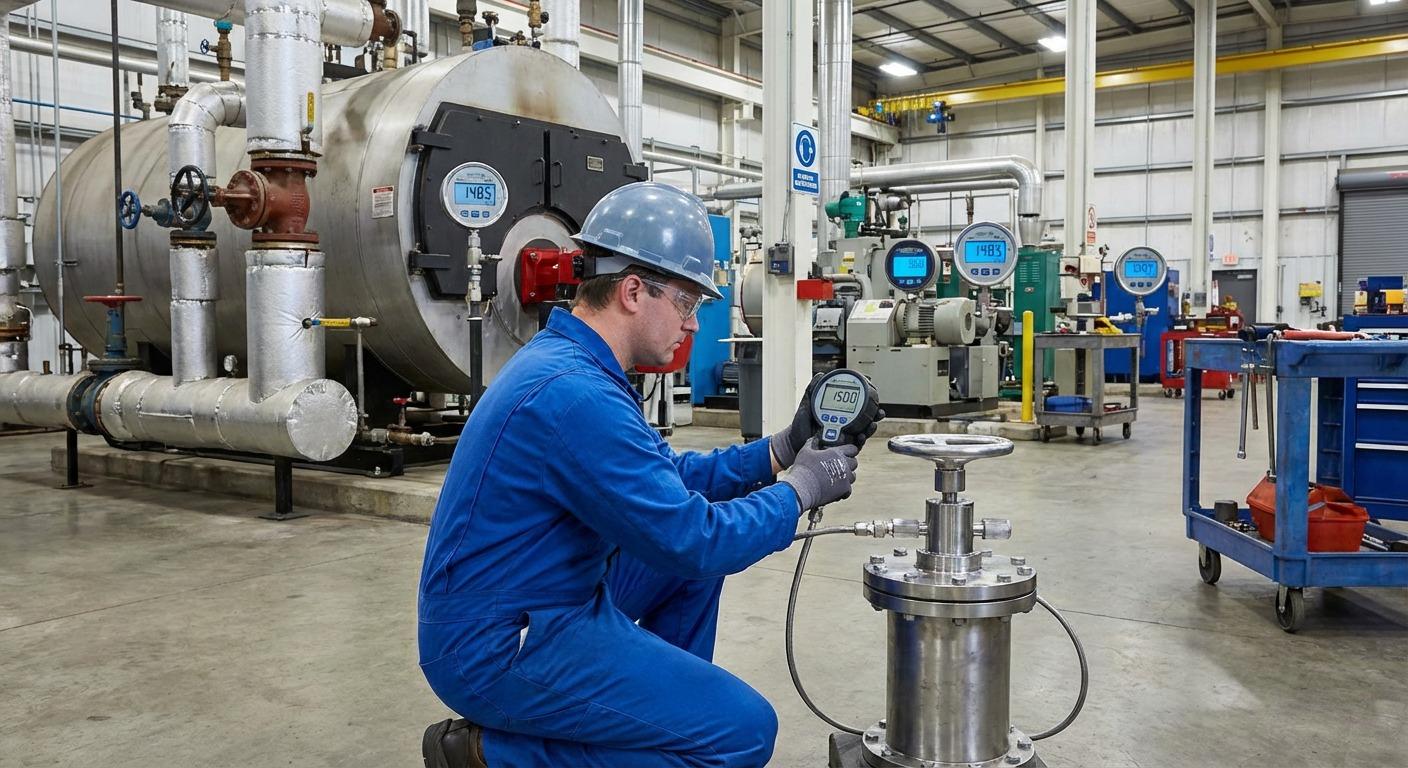
The Importance of Pressure Gauge Calibration
Pressure gauge calibration ensures that your digital pressure gauges deliver trustworthy measurements over time. Calibration involves comparing the gauge's output against a known standard to detect and correct any deviations. Regular pressure gauge calibration is essential because environmental factors, wear and tear, or mechanical stress can cause inaccuracies, potentially leading to operational failures or safety hazards. For instance, in high-stakes environments like chemical processing plants, even a small error in pressure readings can have catastrophic consequences. Industry standards, such as those from the American Society of Mechanical Engineers (ASME), recommend calibration intervals based on usage intensity—typically every six to twelve months for most digital models. This process not only extends the lifespan of the equipment but also complies with regulatory requirements, ensuring your operations run smoothly and safely.
Step-by-Step Guide to Calibrating Pressure Gauges
Calibrating pressure gauges is a straightforward yet meticulous procedure that can be performed in-house or by certified professionals. Begin by selecting a reliable calibration standard, such as a deadweight tester or a master pressure gauge with traceability to national standards. For digital pressure gauges, connect the device to the calibration setup and apply a series of known pressure levels, starting from zero and increasing incrementally up to the gauge's maximum range. Record the displayed values and compare them to the applied pressures; any discrepancies indicate the need for adjustments via the gauge's built-in zeroing function or software interface. It's crucial to document each step, including date, technician details, and before-and-after readings, to maintain an audit trail. Advanced digital models often feature automated calibration protocols, reducing human error and saving time. If your gauges are exposed to extreme conditions, consider environmental compensation during calibrating pressure gauges to account for temperature or humidity effects. By following these steps, you can achieve accuracy within ±0.1% of full scale, far surpassing many analog counterparts.
Applications of Pressure Gauges in Steam Systems
Pressure gauges for steam applications demand specialized features to handle the unique challenges of high-temperature, high-pressure steam environments. Steam systems are prevalent in power generation, food processing, and sterilization processes, where precise pressure control prevents boiler explosions and optimizes energy use. Digital pressure gauges tailored for these applications often incorporate robust materials like stainless steel housings and seals resistant to corrosion from moist steam. For example, in a typical industrial boiler setup, these gauges monitor steam pressure to maintain safe operating levels between 100-200 psi, alerting operators to fluctuations that could signal leaks or over-pressurization. Selecting the right model involves considering factors such as pressure range (up to 10,000 psi for high-energy systems), response time, and compatibility with aggressive media. Moreover, integrating digital pressure gauges with IoT-enabled monitoring systems allows real-time data logging and remote diagnostics, enhancing predictive maintenance in steam applications. Statistics from the International Energy Agency show that efficient steam pressure management can reduce energy consumption by up to 20% in manufacturing facilities, underscoring the value of these specialized tools.
Advantages and Innovations in Digital Pressure Technology
The shift to digital pressure gauges brings numerous benefits, including superior resolution and data output options like RS-232 or Bluetooth connectivity for seamless integration with control systems. These innovations enable trend analysis and automated reporting, which are vital for industries adhering to ISO 9001 quality standards. In comparison to mechanical gauges, digital versions offer battery-powered portability and resistance to vibration, ideal for field testing in construction or automotive sectors. Recent advancements, such as wireless digital pressure gauges, allow for distributed sensor networks in large-scale operations, minimizing wiring costs and improving accessibility. When it comes to pressure gauge calibration, digital tools often include self-diagnostic features that flag when recalibration is needed, reducing downtime. For steam-specific uses, innovations like non-contact sensors mitigate contamination risks in hygienic environments, such as pharmaceutical production. Overall, investing in high-quality digital pressure gauges not only boosts measurement accuracy but also supports sustainability goals by optimizing resource use—studies indicate that precise pressure control can cut waste by 15-25% across various applications.
Maintenance Tips for Longevity and Accuracy
To maximize the performance of your digital pressure gauges, implement a proactive maintenance routine that includes routine visual inspections for damage and cleaning with non-abrasive materials. Store gauges in controlled environments to avoid exposure to dust or extreme temperatures, which can affect sensor integrity. For calibrating pressure gauges, always use certified equipment and train personnel on proper techniques to prevent mishandling. In steam applications, regular flushing of lines prevents scale buildup that could impair readings. By adhering to manufacturer guidelines—such as those from leading brands like WIKA or Ashcroft—you can ensure your devices maintain accuracy for years. Remember, neglecting maintenance can lead to costly recalibrations or replacements, with industry reports estimating annual savings of thousands through diligent care. Embracing these practices positions your operations for enhanced reliability and compliance in an increasingly regulated world.