
Ready to buy a tire pressure gauge? You’ll find two main types: digital and analog (dial or pencil). Both are effective, but they have different strengths. Let’s break down the options so you can choose the best tool for your needs.
1. The Digital Gauge
-
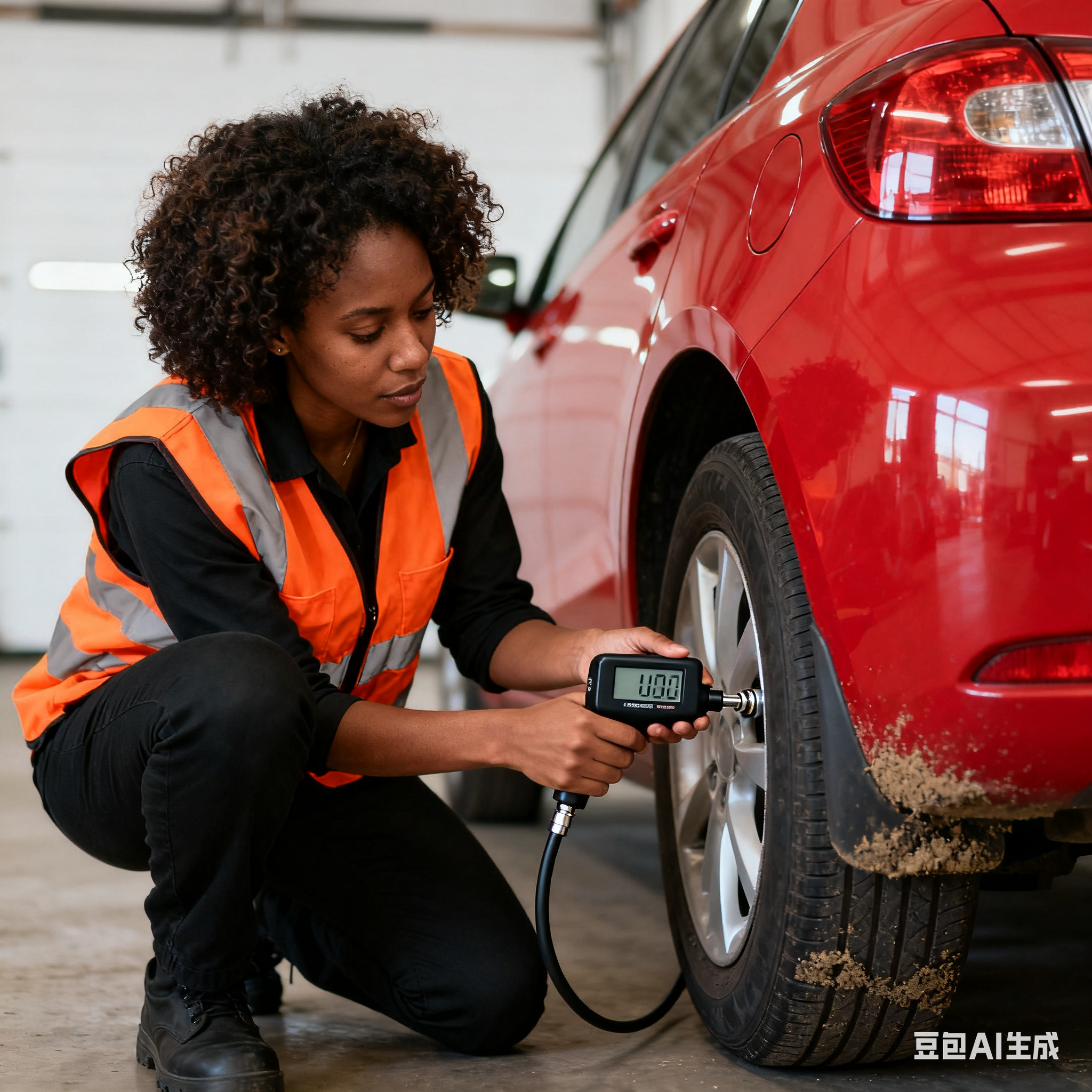
Pros: Extremely easy to read with a bright LCD screen. They often have backlights for night use and can switch between different units (PSI, BAR, kPa). Many feature high accuracy.
-
Cons: Requires a battery. Can be more expensive than basic analog models. Might not be as durable if dropped frequently.
-
Best For: Those who want the easiest reading experience, have difficulty reading small dials, or appreciate modern technology.
2. The Dial (Analog) Gauge
-
Pros: Very robust and durable. No batteries required. The needle and dial face are easy for many people to interpret, and they offer a good balance of accuracy and price.
-
Cons: Can be slightly harder to read than a digital screen. The internal mechanism can be knocked out of calibration if dropped hard.
-
Best For: The everyday driver who wants a reliable, no-fuss tool that will last for years.
3. The Pencil (Stick) Gauge
-
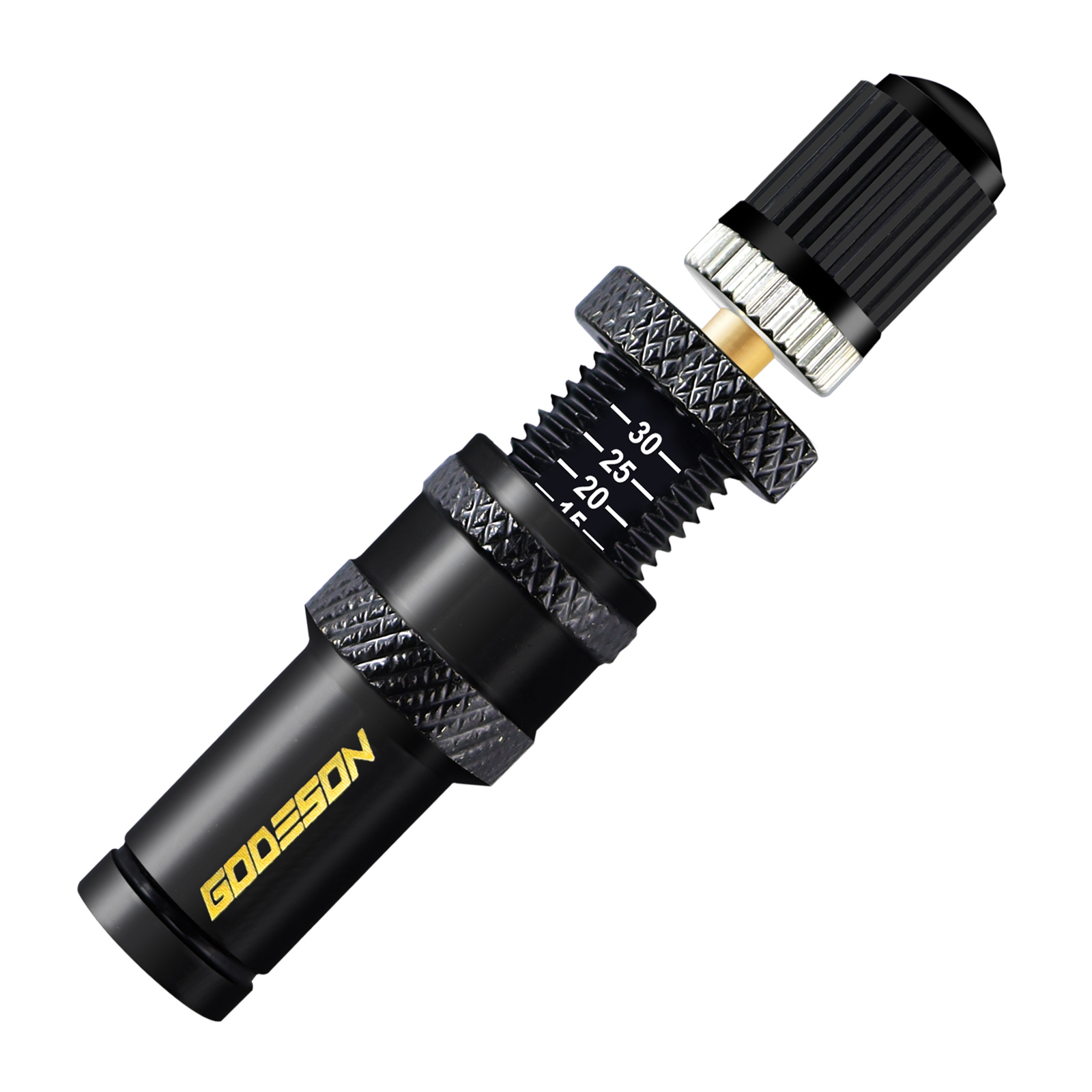
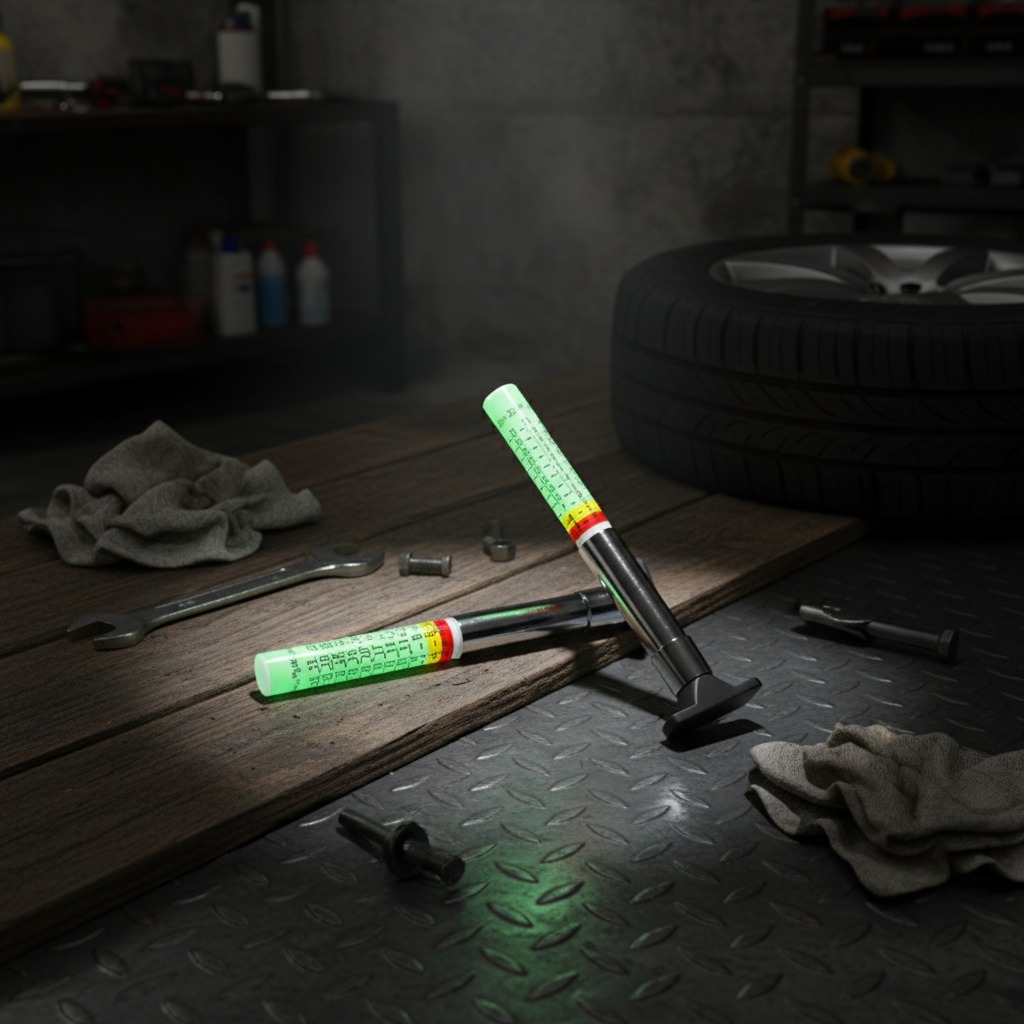
Pros: The most compact and inexpensive option. It’s simple, with a ruler-like stick that slides out of a sleeve to show the pressure.
-
Cons: Generally the least accurate of the three types. The internal spring can wear out over time, and the small numbers can be difficult to read.
-
Best For: Keeping in a glove box as a basic emergency checker, but not recommended as your primary tool for regular maintenance.
The Bottom Line: For most people, a good-quality dial gauge or an entry-level digital gauge is the perfect choice. Invest in one that feels sturdy and is easy for you to read. Accuracy and ease of use are what matter most.