
Digital vs. Click-Type Torque Wrenches: Which Is Better for You?
Digital and click-type torque wrenches are the two most popular options—but which one fits your needs? The answer depends on your project type, budget, and preference for simplicity vs. tech features. Let’s break down their pros, cons, and best uses:
Click-Type Torque Wrenches
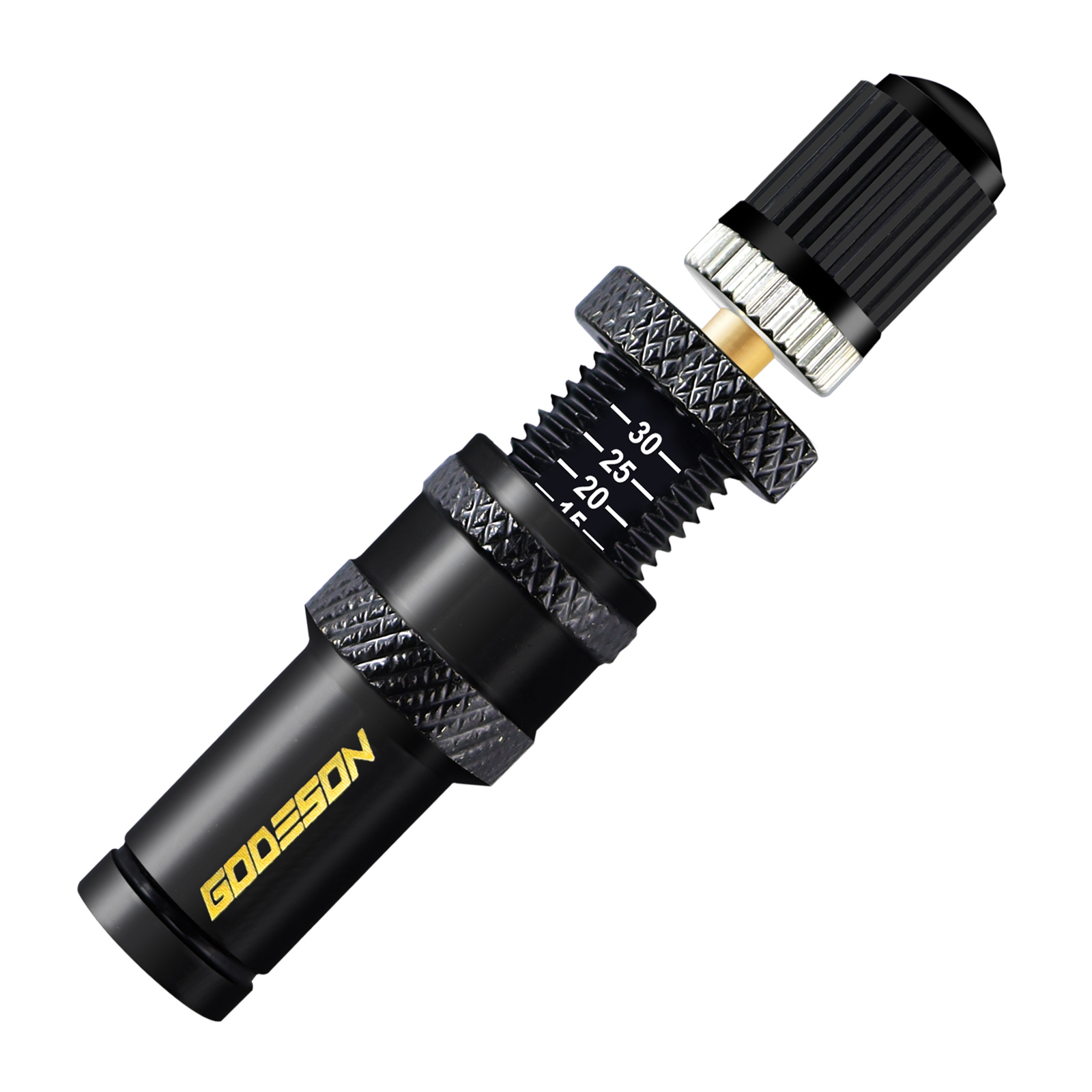
How They Work: You set a torque value using a manual knob; when you reach that value, the wrench emits a “click” (and a slight physical “give”) to alert you.
Pros:
· Durable: No batteries or electronic parts to break—great for messy jobs (e.g., greasy engine work) or outdoor use (rain, dust).
· Affordable: Budget models start at \(30–\)50; pro-grade options (like Snap-on) cost \(150–\)300 but last for decades.
· Easy to Use: No screens to read or buttons to press—perfect for beginners or anyone who prefers a “no-fuss” tool.
Cons:
· Harder to Read for Small Values: The torque scale is printed on the handle, which can be hard to see in low light or for tiny ranges (e.g., 2–10 in-lbs).
· No Extra Features: You can’t store torque data, switch units automatically, or get a visual alert—just the click.
Best For:
· DIYers (furniture assembly, bike repairs, basic car work).
· Anyone working in harsh conditions (garages, construction sites) where electronics might fail.
· Beginners who want a reliable tool without a steep learning curve.
Digital Torque Wrenches
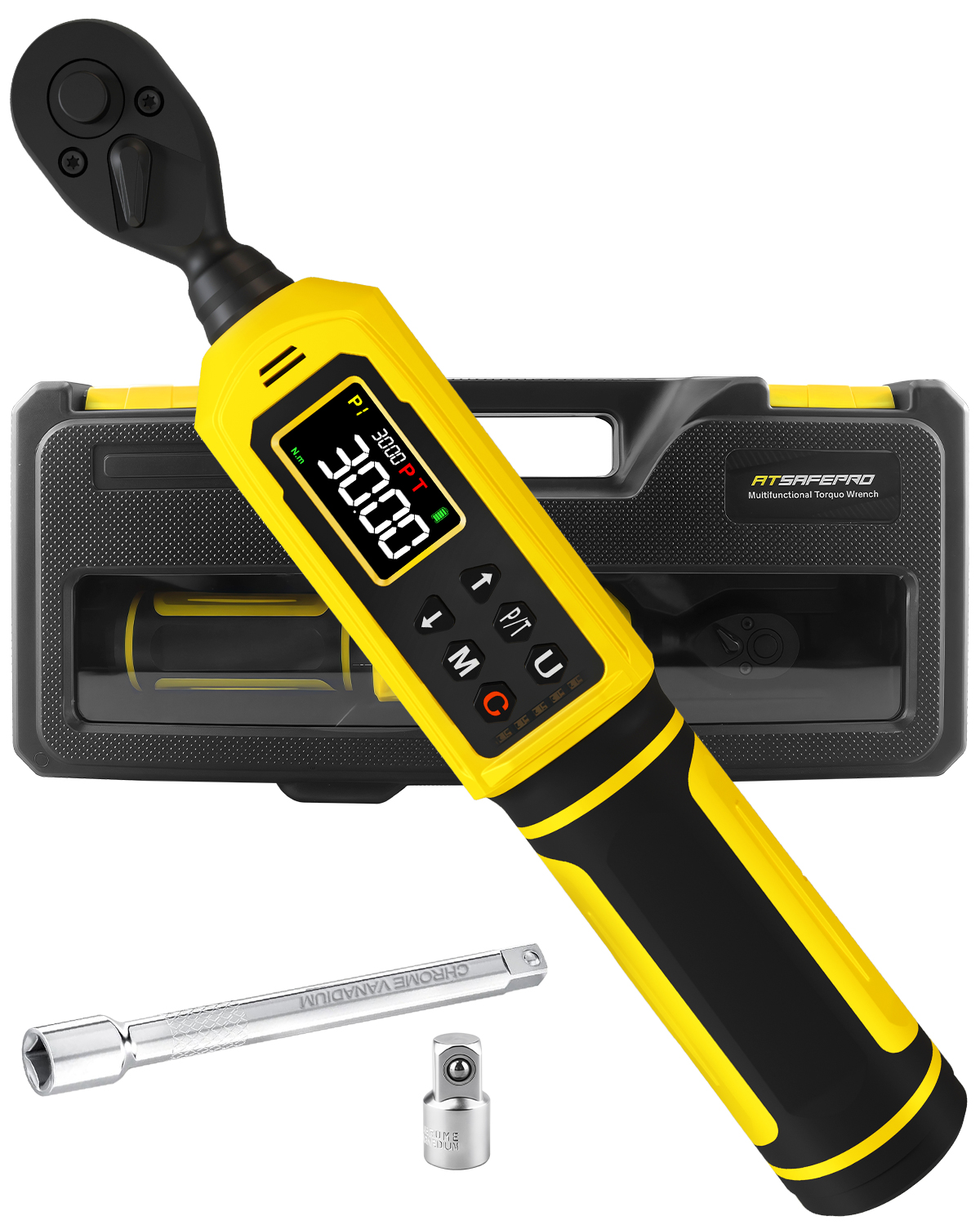
How They Work: An internal sensor measures torque, displaying the value on an LCD screen. Most models beep, flash, or vibrate when you reach the set spec.
Pros:
· Easy to Read: Backlit screens show torque in real time (ft-lbs, N·m, in-lbs) with clear numbers—great for low-light garages or small ranges.
· Extra Features: Many models store up to 100 torque readings (useful for professionals who need to document work), have a “peak hold” function (locks in the maximum torque applied), and auto-shutoff to save batteries.
· Precise for Tiny Ranges: Digital wrenches are more accurate for small torque values (e.g., 1–5 in-lbs) than click-type—perfect for electronics or jewelry repairs.
Cons:
· Battery-Dependent: If the batteries die, the wrench is useless (always keep spares on hand).
· More Expensive: Budget digital wrenches start at \(50–\)80; pro models cost \(200–\)500.
· Less Durable: Electronic parts can fail if the wrench is dropped or exposed to heavy moisture (avoid using them for messy engine work).
Best For:
· Professionals (mechanics, electronics technicians) who need to track torque data.
· Anyone working with small, delicate parts (e.g., smartphone repairs, RC cars).
· Users who prefer visual/audible alerts (instead of relying on a “feel” for the click).