
You don’t need an electric vehicle to drive more sustainably. Even if you have a gas-powered car, small changes to your driving habits and maintenance routine can reduce your carbon footprint and save you money on gas. I drive a 2020 Ford F-150 (a pickup truck, which isn’t known for being eco-friendly), but by following these tips, I’ve cut my gas usage by 15%.
First, drive smoothly. Rapid acceleration and hard braking waste gas—instead, accelerate slowly and coast to a stop when possible. I used to speed up quickly when merging onto the highway, but now I take my time. Not only do I use less gas, but my drives are also more relaxing.
Second, reduce idle time. If you’re waiting for someone (like at a school pickup or a drive-thru), turn off your engine. Idling for just 10 minutes a day wastes about 3 gallons of gas per month. I keep a small portable charger in my car so I can turn off the engine and still use my phone—no more sitting with the car running.
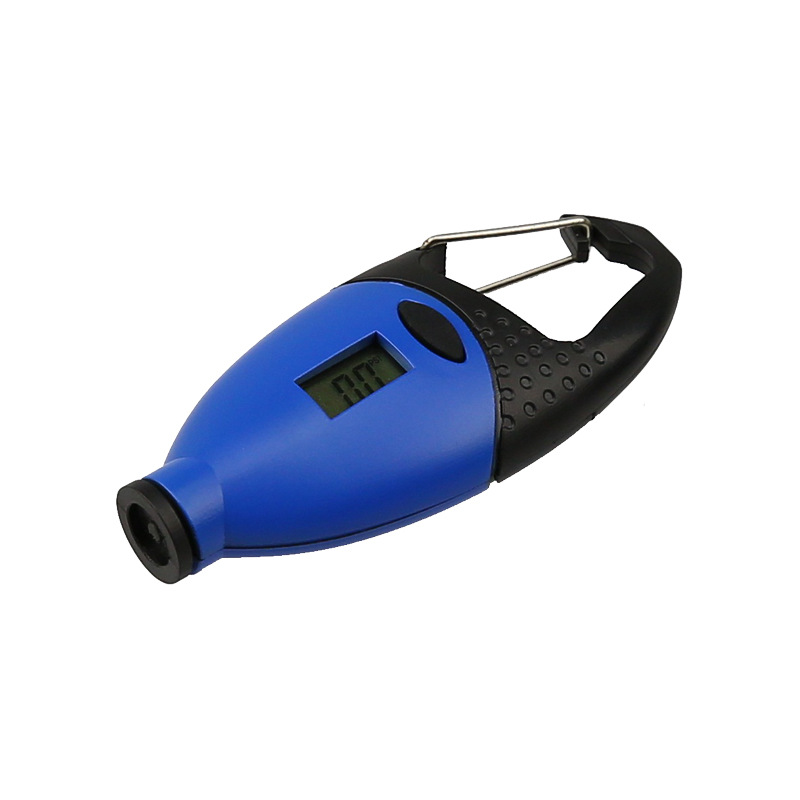
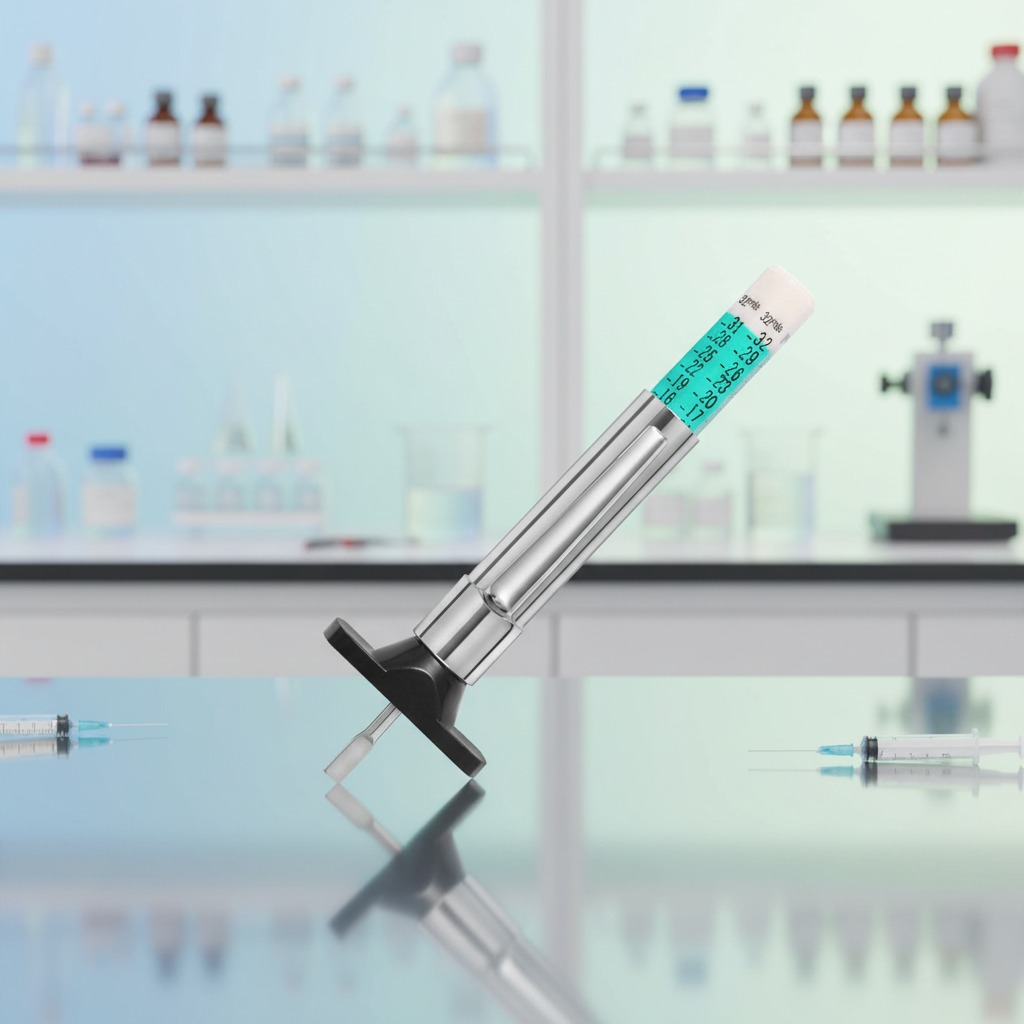
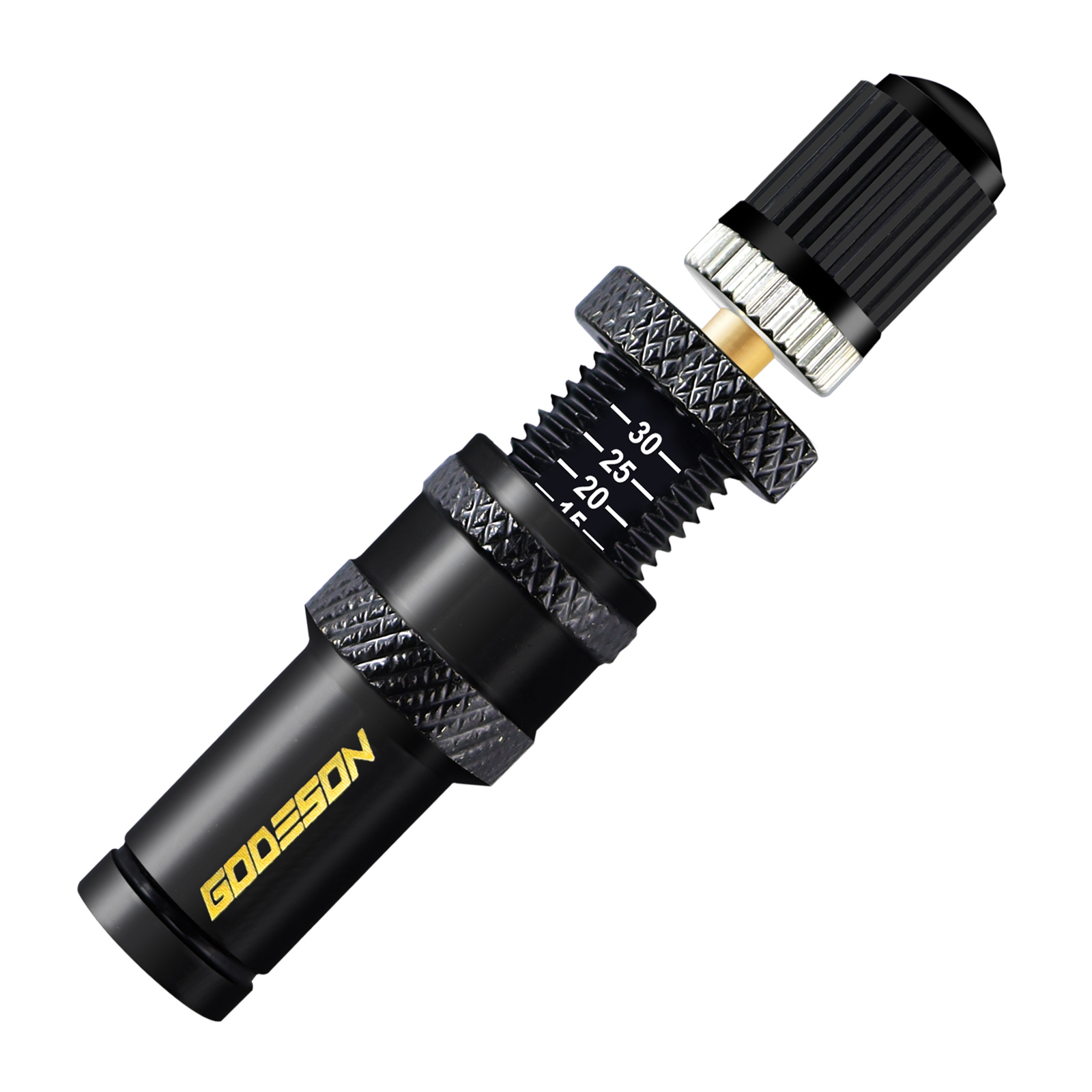
Third, keep your car well-maintained. A dirty air filter, low tire pressure, or old spark plugs can all reduce fuel efficiency. I change my air filter every 15,000 miles (instead of waiting for the dealership to tell me), and I check my tire pressure once a week. After replacing my old spark plugs, I noticed my truck had more power and used less gas.
Fourth, lighten your load. Carrying heavy items in your trunk or bed wastes gas—every 100 pounds adds about 1% to your fuel usage. I used to keep a bunch of tools and sports equipment in my truck bed, but now I only bring what I need. Removing a 50-pound toolbox saved me about 0.5 miles per gallon.
Finally, avoid high speeds. Driving 75 mph instead of 65 mph increases fuel usage by about 10%. I used to speed to get to work faster, but now I leave 5 minutes earlier and drive at the speed limit. I still get to work on time, and I save money on gas.
Eco-friendly driving isn’t about being perfect—it’s about making small changes. Even if you only cut your gas usage by 5%, you’re helping the planet and your wallet.
related to this production