
Torque Wrenches have become an essential tool in the world of mechanical and engineering applications, ensuring precision and safety in various industries. These devices are designed to apply a specific amount of torque to fasteners, preventing over-tightening that could lead to damage or failure. In this article, we'll explore the intricacies of Torque Wrenches, with a special focus on their aerospace-specific variants, which play a critical role in high-stakes environments where accuracy is paramount.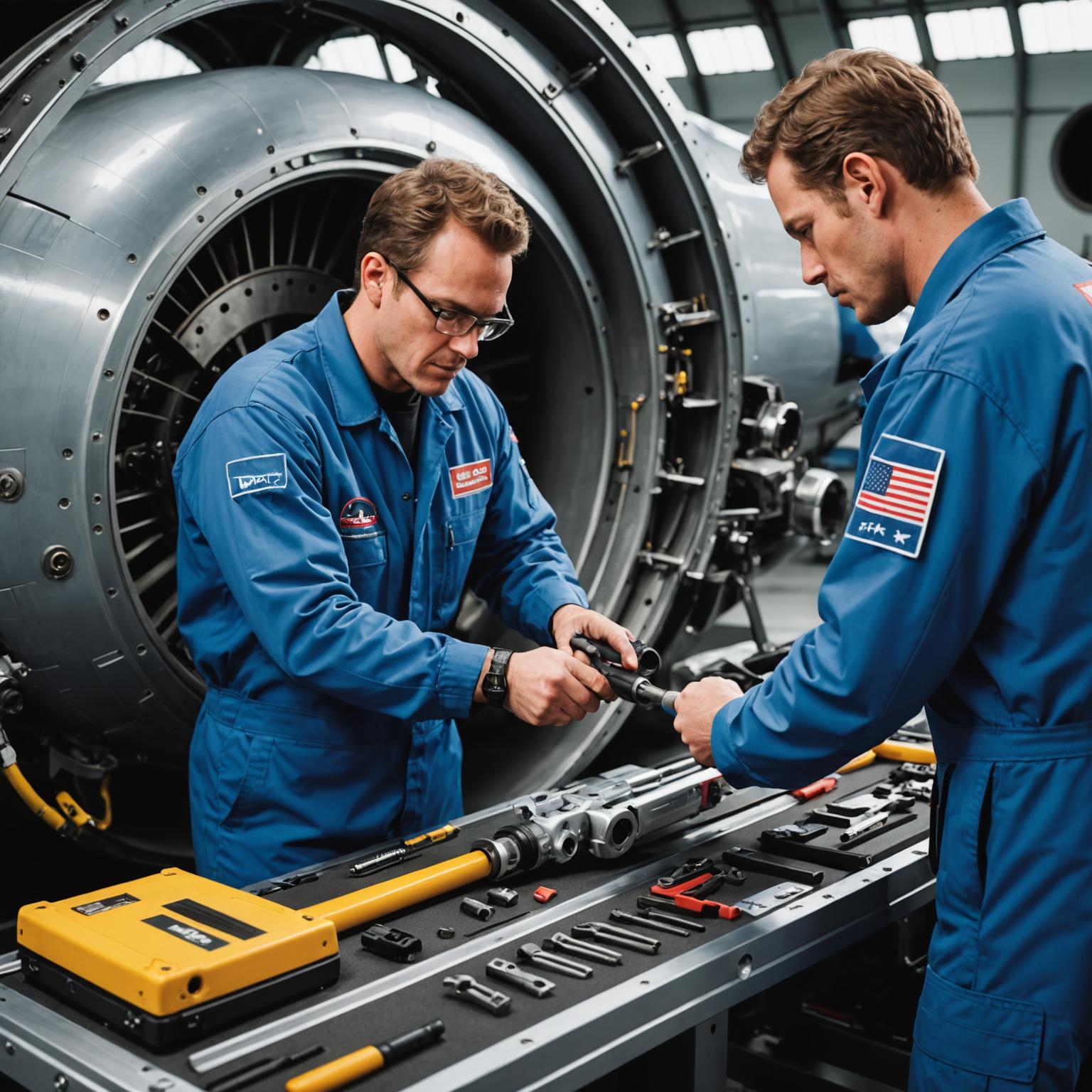
The Basics of Torque Wrenches
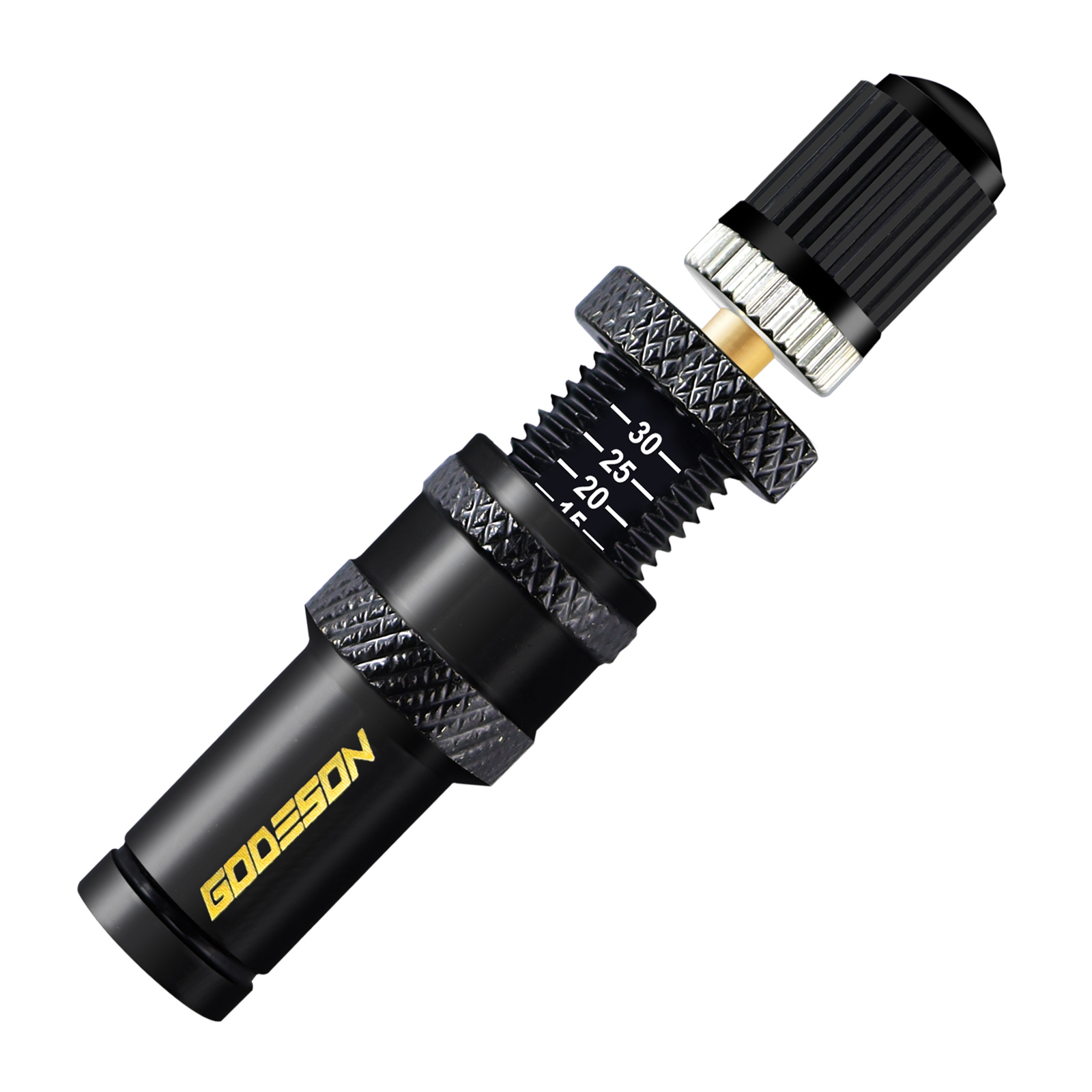
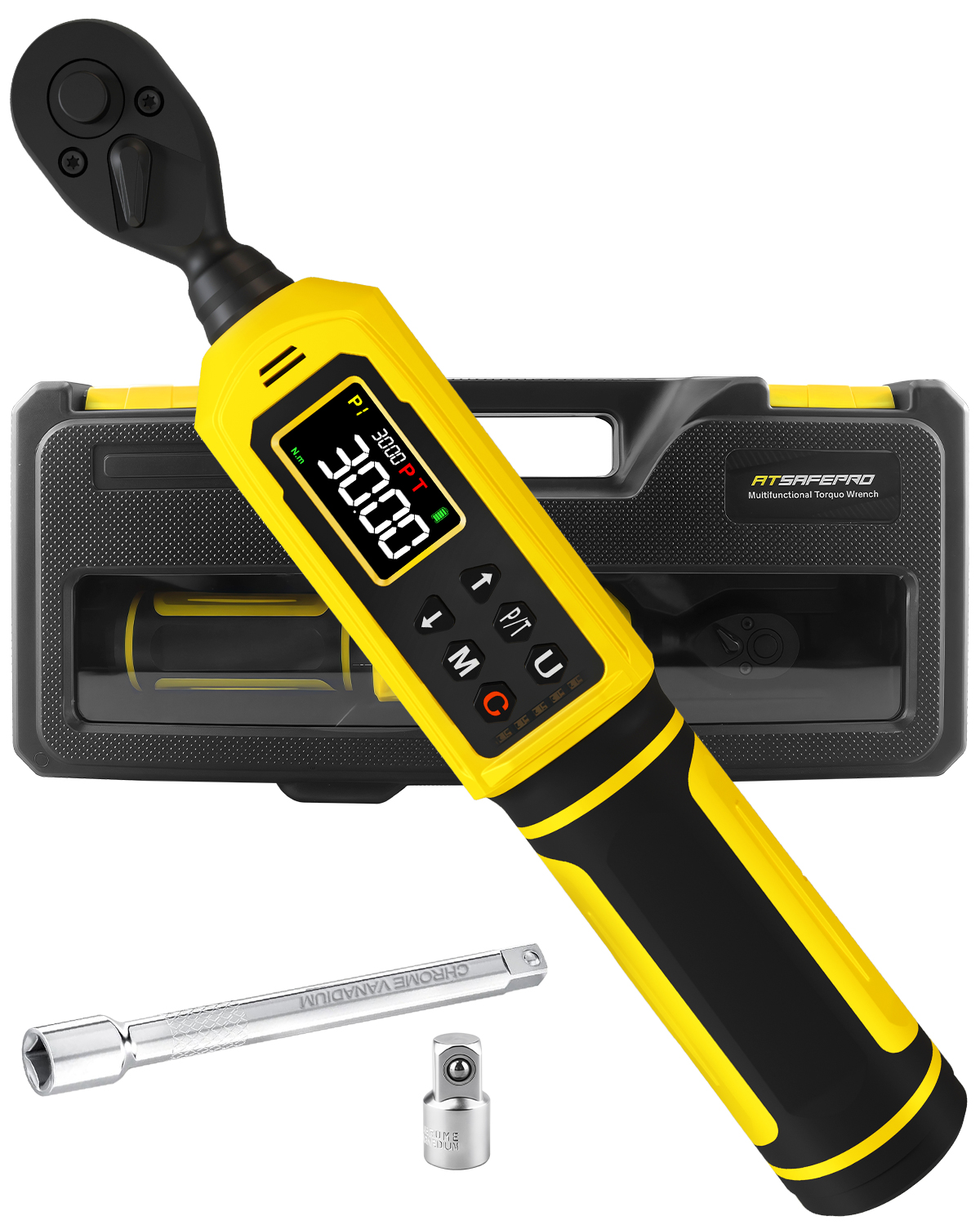
In the realm of mechanical tools, Torque Wrenches stand out for their ability to deliver exact force, much like a skilled artisan carefully tightening the strings of a finely crafted instrument. Picture a workshop where every bolt must be secured with mathematical precision; that's where these wrenches shine. They feature a calibrated mechanism, often including a click-type or digital display, that alerts the user once the desired torque level is reached. This not only enhances efficiency but also safeguards against common pitfalls like stripping threads or causing structural weaknesses. Torque Wrenches are versatile, appearing in automotive repair shops, construction sites, and even everyday maintenance tasks, making them indispensable for professionals who demand reliability.
Exploring Aerospace-Specific Torque Wrenches
Aerospace-Specific Torque Wrenches represent the pinnacle of engineering innovation, tailored for the rigorous demands of the aviation and space sectors. Imagine working on an aircraft fuselage, where even a minor miscalculation could compromise the integrity of a multimillion-dollar machine hurtling through the skies at supersonic speeds. These specialized wrenches are engineered with lightweight materials like aerospace-grade aluminum or titanium, ensuring they don't add unnecessary weight to the tools carried by technicians. They often incorporate advanced features such as electronic sensors for real-time data logging, which helps in maintaining compliance with stringent industry standards like those set by the FAA. The precision of Aerospace-Specific Torque Wrenches is vividly apparent in their ability to handle extreme temperatures and vibrations, making them ideal for assembling satellites or jet engines where failure is not an option.
The Evolution and Technology Behind Torque Wrenches
Over the decades, Torque Wrenches have evolved from simple manual devices to sophisticated, tech-infused tools that embody the spirit of modern innovation. Envision the early models, bulky and mechanical, giving way to sleek, digital versions that provide audible and visual feedback, almost like a symphony conductor guiding an orchestra. This progression has been driven by advancements in materials science and electronics, allowing for greater accuracy and user-friendly designs. For instance, many contemporary Torque Wrenches now include Bluetooth connectivity, enabling seamless integration with computer systems for quality control and data analysis. In the context of aerospace applications, this technology ensures that every fastener is tightened with the exact force required, reducing the risk of in-flight failures and enhancing overall safety. The descriptive allure of these tools lies in their ability to blend rugged durability with cutting-edge precision, much like a master sculptor chiseling a flawless statue from marble.
Applications and Benefits in Various Industries
The applications of Torque Wrenches extend far beyond the workshop, weaving into the fabric of multiple industries with profound benefits. In the automotive sector, they ensure that engine components are assembled correctly, preventing costly recalls and improving vehicle longevity. Transitioning to aerospace, Aerospace-Specific Torque Wrenches are instrumental in the construction of airframes and propulsion systems, where the consequences of error are catastrophic. These tools help maintain the structural integrity of aircraft, allowing them to withstand the immense pressures of flight and the harsh conditions of outer space. Their benefits are not just technical; they also translate to cost savings by minimizing waste and rework, while enhancing worker confidence through reliable performance. Vividly, one can imagine a team of engineers on an assembly line, each Torque Wrench clicking into place like the beat of a well-rehearsed drum, synchronizing efforts for peak efficiency.
Selecting the Right Torque Wrench for Your Needs
When it comes to choosing a Torque Wrench, the decision hinges on factors like torque range, accuracy, and intended use, painting a picture of personalized tool selection. For general purposes, a standard click-type model might suffice, offering simplicity and affordability. However, for aerospace endeavors, opting for Aerospace-Specific Torque Wrenches is crucial, as they are calibrated to handle the unique challenges of that field, such as extreme precision requirements and environmental resilience. These models often come with certification from regulatory bodies, ensuring they meet global standards. The process of selection is akin to choosing a bespoke suit—tailored to fit the job perfectly. Users should consider ergonomic designs for prolonged use, as well as calibration maintenance to preserve accuracy over time. By investing in the right Torque Wrench, professionals can elevate their work, ensuring every project is executed with the highest standards of quality and safety.
Maintenance and Best Practices for Longevity
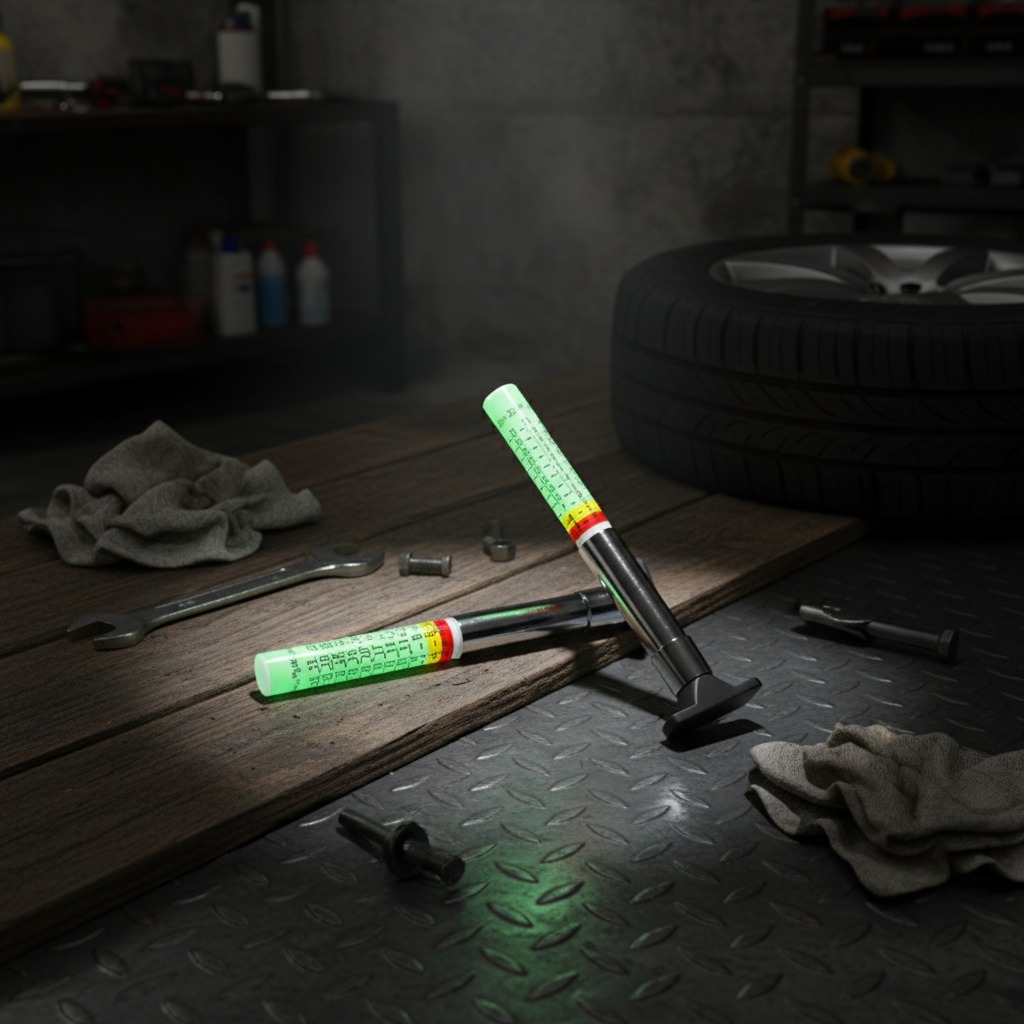
To maximize the lifespan and performance of Torque Wrenches, proper maintenance and adherence to best practices are essential, much like nurturing a high-performance athlete. Regular calibration is key, as even minor drifts can lead to inaccuracies that compromise results. For Aerospace-Specific Torque Wrenches, this might involve specialized servicing to account for exposure to harsh elements. Users should store these tools in protective cases, away from moisture and extreme temperatures, to prevent corrosion or damage. Best practices include conducting routine checks before each use, documenting torque applications for traceability, and training personnel on correct handling techniques. This meticulous care not only extends the tool's life but also reinforces a culture of precision in the workplace. In essence, treating Torque Wrenches with the respect they deserve ensures they continue to deliver reliable service, day after day.
The Future of Torque Wrenches in Innovation
Looking ahead, the future of Torque Wrenches is bright, intertwined with emerging technologies that promise even greater advancements. Envision smart Torque Wrenches integrated with AI, capable of learning from past applications and suggesting optimal settings in real-time. In the aerospace industry, Aerospace-Specific Torque Wrenches could evolve to include predictive analytics, flagging potential issues before they arise and further enhancing safety protocols. This forward-thinking approach will likely see these tools becoming lighter, more intuitive, and environmentally sustainable, aligning with global efforts toward greener manufacturing. The descriptive evolution of Torque Wrenches reflects a broader trend in engineering, where tools not only meet current needs but also anticipate future challenges, driving innovation across sectors. As we conclude, it's clear that Torque Wrenches, especially their aerospace-specific counterparts, will remain at the forefront of precision engineering, shaping a safer and more efficient world.