
Understanding the Versatility of PU Hose in Modern Applications
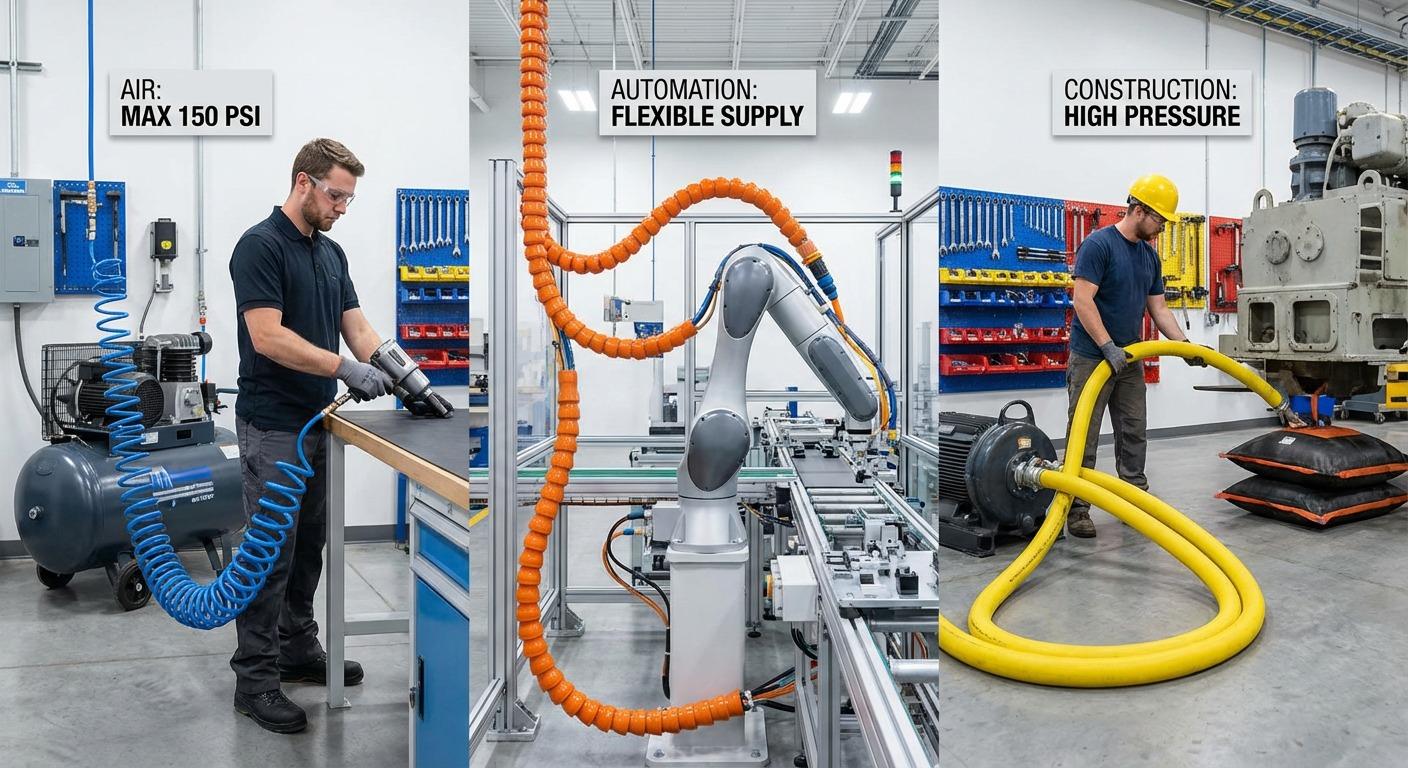
When it comes to reliable pneumatic and hydraulic systems, the PU hose stands out as a go-to solution for its exceptional durability and flexibility. A PU hose, made from polyurethane material, offers superior resistance to abrasion, chemicals, and environmental factors, making it ideal for industries ranging from automotive to manufacturing. This type of hose ensures seamless fluid and air transfer without compromising on performance, which is why it's increasingly popular in demanding work environments.
Exploring Polyurethane Hose: Key Features and Benefits
A polyurethane hose, often referred to simply as a PU hose, is engineered for high-performance applications where flexibility and strength are paramount. One of the standout features of the polyurethane hose is its lightweight construction, which allows for easy handling and installation compared to heavier rubber alternatives. It boasts excellent tensile strength, capable of withstanding pressures up to 10 bar or more, depending on the specific design. Additionally, the material's inherent flexibility means it can bend without kinking, ensuring consistent flow rates even in tight spaces. This makes the polyurethane hose particularly valuable in automated machinery and robotics, where precise movements are crucial.
The benefits extend to its resistance to oils, fuels, and solvents, reducing the risk of degradation over time. For instance, in workshops or construction sites, a polyurethane hose can endure repeated use without cracking or leaking, extending its lifespan and lowering replacement costs. Environmental adaptability is another plus; it performs well in temperatures from -40°C to 80°C, suitable for both indoor and outdoor setups. Safety is enhanced too, as the non-toxic nature of polyurethane minimizes health risks during handling. Overall, investing in a quality polyurethane hose translates to reliable operations and fewer downtimes.
The Advantages of Choosing a Flexible PU Hose
For applications requiring maneuverability, the flexible PU hose emerges as an optimal choice. This variant of the PU hose is designed with enhanced elasticity, allowing it to navigate complex routing without restricting airflow or fluid dynamics. Its flexibility prevents stress points that could lead to failures in rigid hoses, making it perfect for pneumatic tools like air guns and spray systems. In automotive repair, a flexible PU hose facilitates quick connections to various fittings, speeding up tasks and improving efficiency.
What sets the flexible PU hose apart is its balance of softness and durability. It can expand and contract during pressure changes without losing shape, which is essential for dynamic environments such as conveyor systems or medical equipment. Moreover, its smooth inner bore reduces friction, promoting efficient energy transfer and conserving power in compressed air lines. Users often appreciate how a flexible PU hose integrates seamlessly into existing setups, often with standard quick-connect fittings, minimizing the need for custom adaptations. This adaptability not only saves time but also reduces overall system costs.
PU Air Hose: Ideal for Pneumatic Systems
In pneumatic applications, the PU air hose excels due to its optimized design for air delivery. Specifically crafted for compressed air tools and machinery, this hose type maintains airtight integrity under varying pressures, preventing leaks that could compromise productivity. A PU air hose is typically available in various diameters, from 4mm to 16mm, allowing customization based on flow requirements—smaller sizes for precision tasks like airbrushing, and larger for heavy-duty impacts.
The material's low moisture absorption ensures that air remains dry, which is critical for preventing corrosion in downstream components. In manufacturing plants, a PU air hose supports high-speed operations, such as in assembly lines where consistent air pressure is vital. Its coilable nature also aids in storage, as it can be neatly wound without permanent deformation. Compared to PVC hoses, the PU air hose offers better UV resistance, making it suitable for outdoor pneumatic uses like inflating tires or powering jackhammers on construction sites.
Maintenance is straightforward; regular inspections for wear and proper coiling after use can extend its service life to several years. This reliability makes the PU air hose a staple in workshops, where downtime from hose failures can be costly.
Comparing PU Hose Options and Selection Tips
Selecting the right PU hose involves considering factors like length, diameter, and end fittings. A standard PU hose might suffice for general purposes, but for specialized needs, opting for a polyurethane hose with reinforced walls provides extra protection against punctures. The flexible PU hose shines in mobile applications, while the PU air hose is tailored for air-specific tasks. Always match the hose's pressure rating to your system's maximum output to avoid bursts—typically, look for hoses rated at least 1.5 times the operating pressure.
Color-coding options, such as blue for air or red for water, help in organized setups, reducing mix-ups in multi-line systems. It's also wise to check for certifications like RoHS for environmental compliance. By understanding these nuances, users can choose a PU hose that aligns with their operational demands, ensuring safety and efficiency.
Applications and Future Trends in PU Hose Technology
Beyond traditional uses, the PU hose is finding its way into emerging fields like 3D printing and drone technology, where lightweight and flexible tubing is essential for filament extrusion or control lines. In agriculture, a flexible PU hose supports irrigation systems with its chemical resistance to fertilizers. The PU air hose is gaining traction in renewable energy setups, powering pneumatic actuators in wind turbines.
Looking ahead, advancements in polyurethane formulations promise even greater temperature tolerances and eco-friendly compositions, reducing environmental impact. As industries prioritize sustainability, recyclable PU hose options are on the rise, blending performance with green initiatives. Whether for daily operations or innovative projects, the PU hose continues to evolve as a versatile essential.
In summary, from the robust polyurethane hose to the agile flexible PU hose and efficient PU air hose, these products offer unmatched reliability. Choosing the appropriate type can significantly enhance system performance, proving that a simple hose can make a big difference in productivity and safety.