
Understanding the Torque Wrench: Your Essential Tool for Precision Fastening

When it comes to mechanical work, whether in automotive repair, assembly lines, or home DIY projects, the torque wrench stands out as an indispensable tool. A torque wrench is designed to apply a specific amount of torque to a fastener, ensuring that bolts and nuts are tightened to the manufacturer's exact specifications without over- or under-tightening. This precision is crucial for maintaining the integrity of machinery and vehicles, preventing failures that could lead to accidents or costly repairs. In this article, we'll delve into the world of torque wrenches, exploring their types, uses, and why incorporating a precision torque wrench or manual torque wrench into your toolkit can make all the difference.
The Basics of a Torque Wrench
At its core, a torque wrench measures and applies rotational force, or torque, in units like foot-pounds (ft-lbs) or Newton-meters (Nm). Traditional models, often referred to as manual torque wrenches, rely on the user's physical input to achieve the desired tightness. These tools typically feature a handle and a ratcheting head that clicks or signals when the preset torque level is reached, alerting the operator to stop applying force. This mechanism prevents damage from excessive tightening, which can strip threads or warp components. For everyday tasks like changing a tire or assembling furniture, a basic manual torque wrench suffices, offering reliability without the need for batteries or electronics.
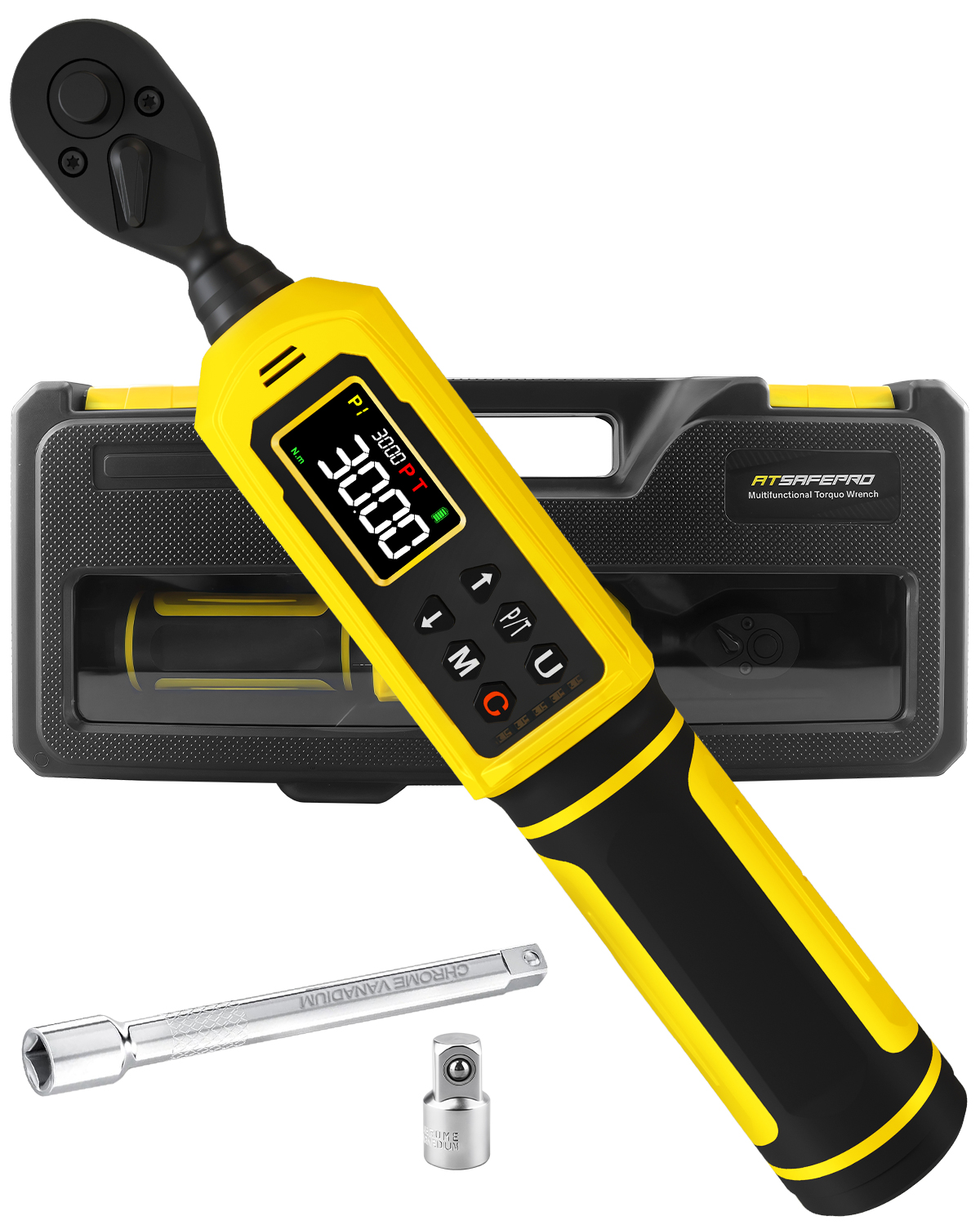
The evolution of this tool has introduced the precision torque wrench, which takes accuracy to the next level. These advanced variants are calibrated to extremely tight tolerances, often within 2% accuracy, making them ideal for professional settings such as aerospace or medical device manufacturing. A precision torque wrench might include digital displays for real-time torque readings or adjustable scales for fine-tuning. Unlike standard wrenches, they minimize human error, ensuring consistent results across multiple uses. Whether you're a mechanic fine-tuning an engine or a hobbyist building custom bikes, understanding how a torque wrench operates—through beam, dial, or click types—helps select the right one for your needs.
Why Choose a Manual Torque Wrench for Everyday Reliability
Manual torque wrenches have been a staple in toolboxes for decades due to their simplicity and durability. These wrenches don't require power sources, making them portable and ready for immediate use in any environment, from garages to remote job sites. A well-made manual torque wrench can last a lifetime with proper care, such as storing it at its lowest setting to preserve the spring mechanism and calibrating it annually. They're particularly valued in automotive applications, where specifications for lug nuts or cylinder head bolts demand exact torque to avoid issues like wheel detachment or gasket failures.
One key advantage of a manual torque wrench is its affordability. Entry-level models start at around $20, providing accessible precision for beginners. For those tackling home repairs, such as installing shelf brackets or bike components, this type of torque wrench ensures safety and longevity. However, it's essential to match the wrench's range to the task— a 10-150 ft-lb manual torque wrench covers most household and light automotive jobs. Regular maintenance, like cleaning the drive head and checking for wear, keeps it performing optimally, reinforcing why it's a go-to choice for reliable, hands-on fastening.
Exploring the Precision Torque Wrench for Professional Accuracy
For tasks requiring unwavering exactness, the precision torque wrench shines. These tools are engineered with high-grade materials, like chrome-vanadium steel, to withstand heavy use while delivering measurements as accurate as ±1%. In industries like aviation or electronics, where even minor deviations can compromise safety, a precision torque wrench is non-negotiable. Digital versions, for instance, allow users to set alerts for torque thresholds, logging data for quality control records. This level of sophistication reduces rework and enhances efficiency, saving time and resources in high-stakes environments.
Selecting a precision torque wrench involves considering factors like torque range, drive size (1/4-inch for small fasteners, 1/2-inch for larger ones), and calibration certificates for traceability. They're often used in conjunction with torque adapters to reach tight spaces, expanding their versatility. For professionals, investing in a precision torque wrench pays off through compliance with standards like ISO 6789, which governs torque tool accuracy. Whether calibrating aircraft parts or assembling precision instruments, this tool ensures every turn is measured and controlled.
Applications and Best Practices for Using a Torque Wrench
Torque wrenches find applications across diverse fields. In automotive repair, they're vital for engine builds, where improper torque can lead to catastrophic failures. A manual torque wrench is perfect for routine maintenance like brake caliper bolts, while a precision torque wrench suits high-performance tuning. In construction, they secure structural bolts; in cycling, they prevent carbon fiber damage from over-tightening pedals.
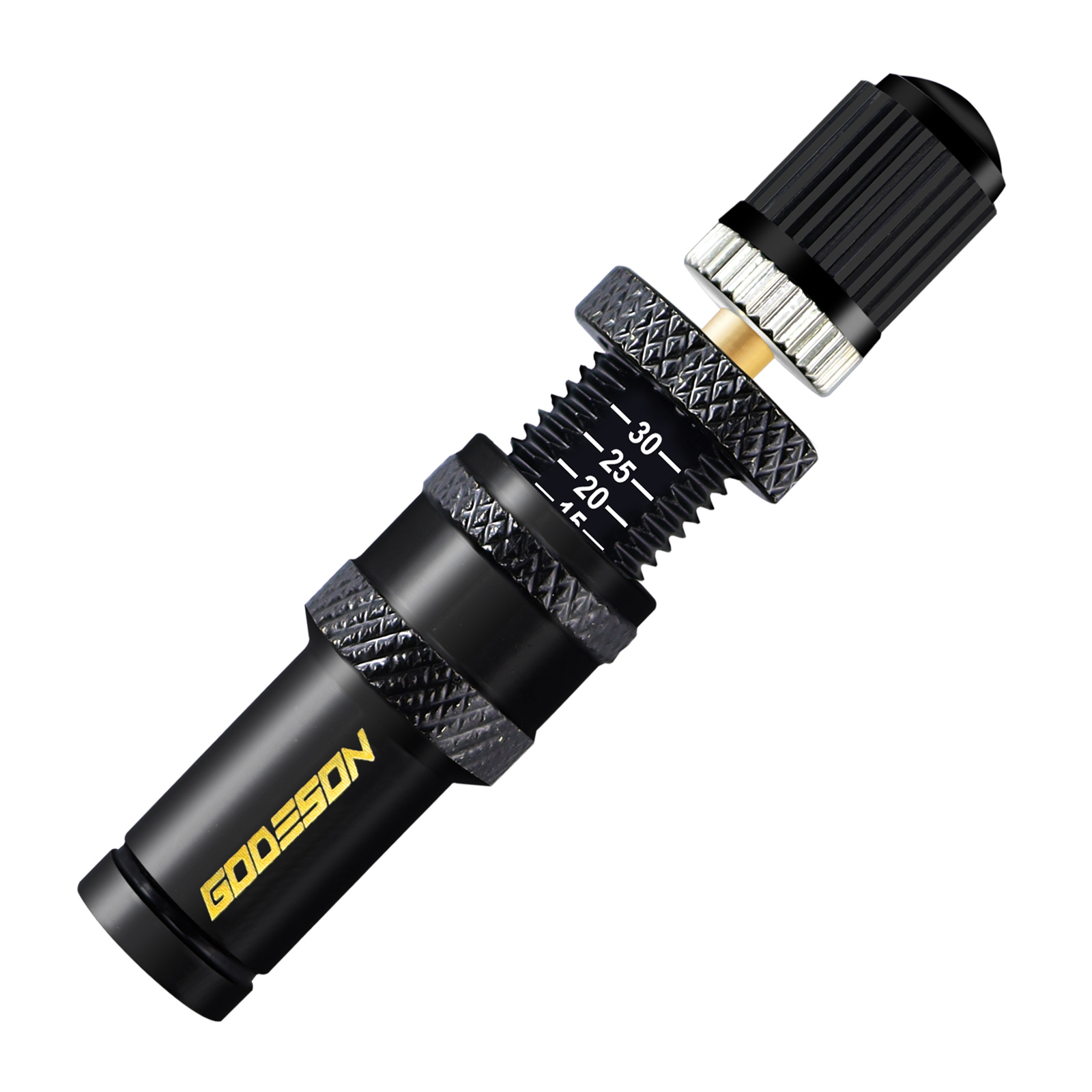
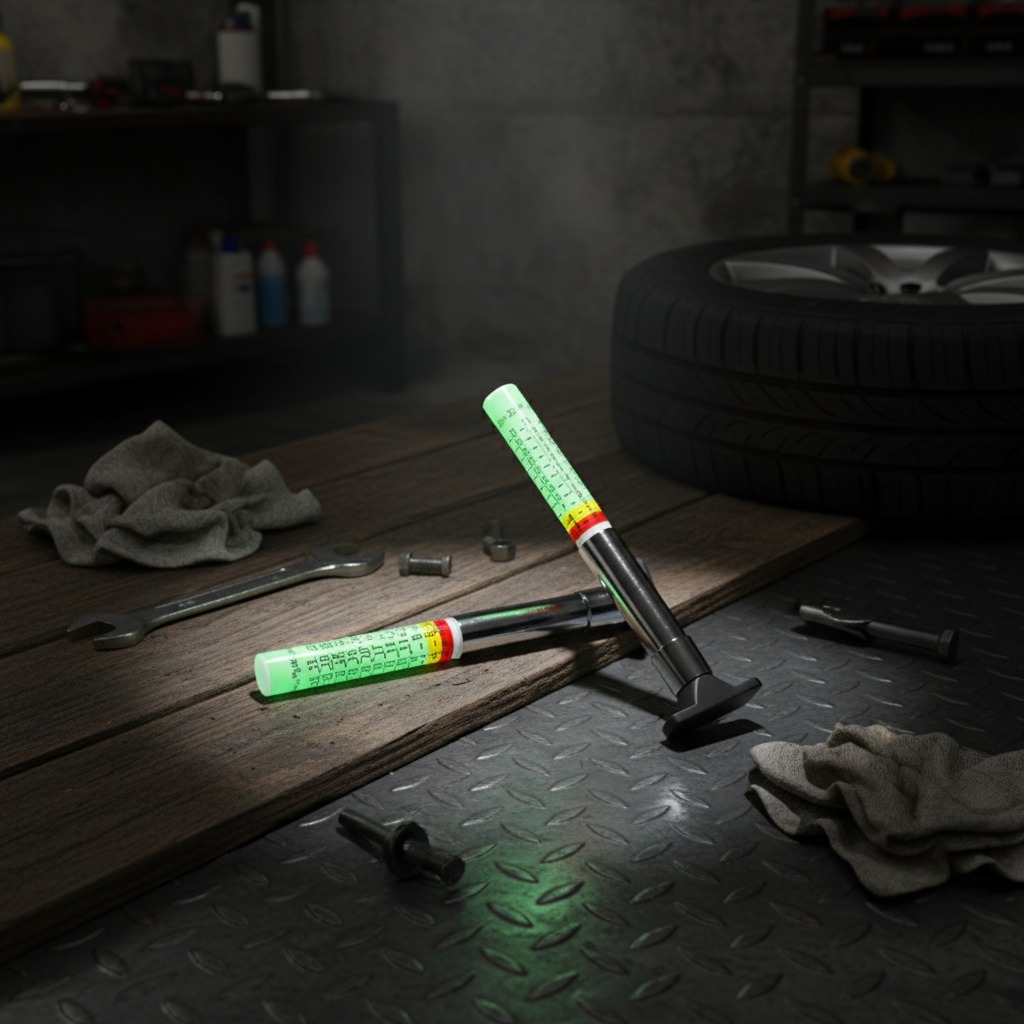
Best practices include always consulting the equipment manual for torque specs, applying steady pressure without jerking, and using the right extension to avoid altering calibration. After use, zero out the wrench and store it properly. For critical jobs, pair it with a torque checker to verify accuracy. By following these steps, users maximize the tool's effectiveness, ensuring safe and durable results.
Maintaining and Selecting the Right Torque Wrench
Maintenance is key to longevity. For a manual torque wrench, avoid dropping it and lubricate moving parts periodically. Precision models may need professional recalibration every few months, depending on usage intensity. When buying, opt for reputable brands offering warranties and consider sets with multiple heads for versatility.
In summary, whether opting for a straightforward manual torque wrench or a high-tech precision torque wrench, this tool elevates any fastening task. Its role in preventing errors underscores its value, making it a must-have for professionals and enthusiasts alike. With proper use and care, a torque wrench becomes more than a tool—it's a safeguard for quality and safety in every project.