
The Off-Roader's Secret Weapon: Mastering Terrain with Ease
For anyone who has felt the call of the wild, the allure of unpaved paths, and the thrill of conquering challenging terrain, off-roading is more than a hobby; it's a passion. A critical part of that passion is understanding your vehicle and how to adapt it to the environment. One of the most fundamental adjustments an off-roader makes is altering tire pressure. This simple act can transform a vehicle's capability, but it has traditionally been a tedious and imprecise task. That's where the modern solution comes in: the automatic tire deflator. This innovative device has revolutionized trail preparation, turning a time-consuming chore into a quick, accurate, and hands-free process, allowing drivers to focus more on the adventure ahead.
Understanding the Automatic Tire Deflator
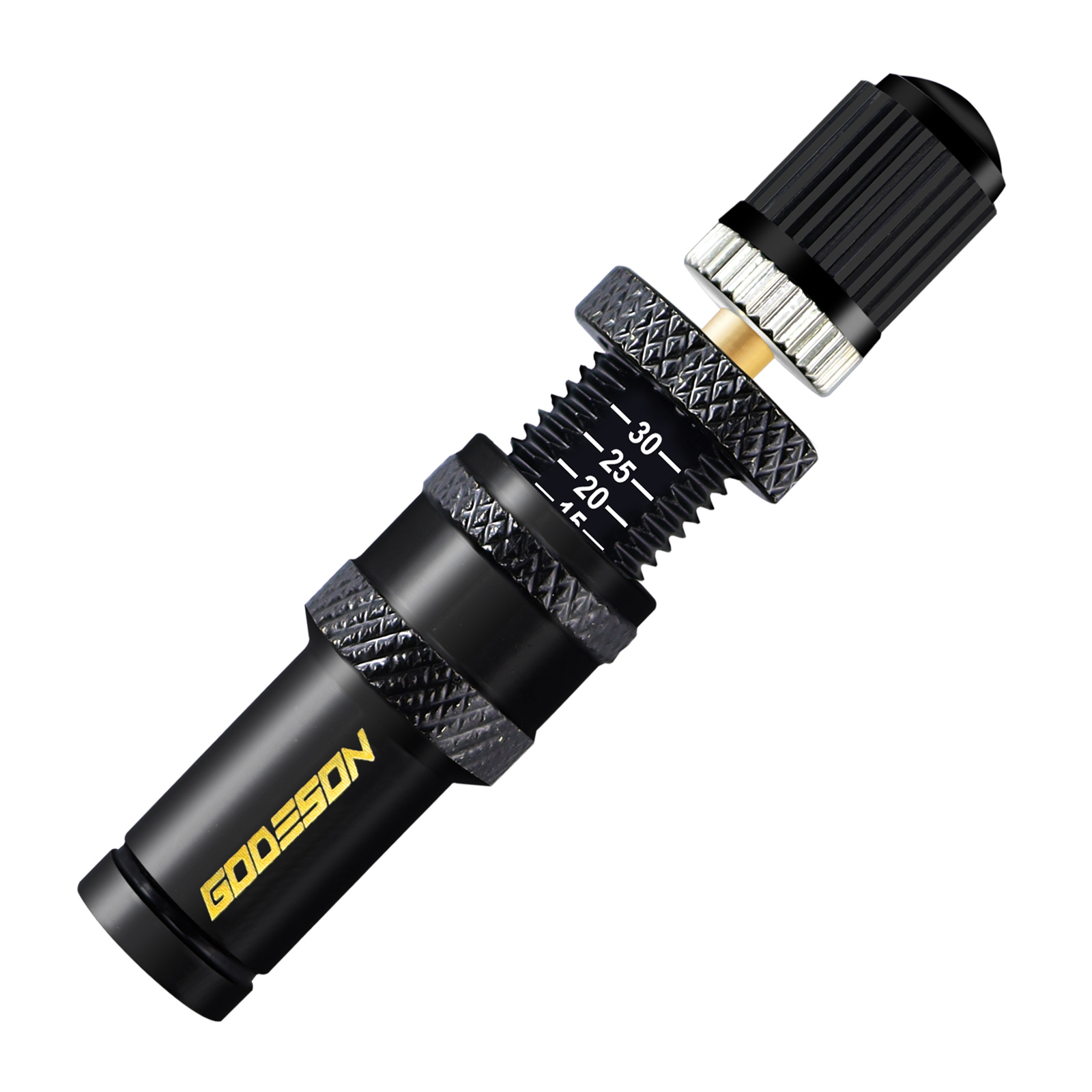
So, what exactly sets an automatic deflator apart from simply pressing a valve stem with a key? At its core, an automatic deflator is a specialized tire deflator valve that is designed to release air from a tire until a predetermined pressure is reached, at which point it automatically stops. Unlike manual methods that require constant checking with a separate pressure gauge, these devices are a 'set it and forget it' solution. You simply screw them onto the valve stems of your tires, and they do all the work. The most advanced versions can be considered an automated tire deflation system, sometimes allowing for the deflation of all four tires simultaneously. This technology eliminates the guesswork and inconsistency of manual deflation, ensuring each tire is at the precisely desired pressure for optimal performance on sand, rock, or mud. It saves valuable time at the trailhead, a period that most enthusiasts would rather spend planning their route or simply enjoying the scenery.
Why Lowering Tire Pressure is Crucial Off-Road
Airing down, or lowering your tire pressure, is not just a preference; it's a foundational technique for effective off-roading. The primary benefit is a significant increase in traction. When you reduce the pressure, the tire's footprint—the amount of rubber in contact with the ground—expands. This larger contact patch provides a much better grip on loose surfaces like sand, gravel, and snow, preventing your vehicle from getting bogged down. Secondly, a softer tire acts as an additional component of your suspension, absorbing impacts from rocks, roots, and ruts more effectively. This leads to a dramatically smoother and more comfortable ride for everyone inside the vehicle. Finally, a more pliable tire is less susceptible to punctures from sharp objects. Instead of being pierced, the tire can deform and envelop the obstacle, reducing the risk of a flat tire in a remote location. This makes managing your tire pressure not just about performance, but also about safety and vehicle preservation.
The Magic of the Preset Pressure Regulator
The most remarkable feature of these devices is the integrated automatic tire pressure regulator. This is the mechanism that allows for hands-free operation. Before you even head out, you can calibrate the deflators to your desired off-road pressure, whether it's 15 PSI for rocky trails or 10 PSI for deep sand. Once calibrated, the setting is saved. When you arrive at the trail, you just screw one onto each tire's standard inflation valve for tires, and the internal spring-loaded mechanism gets to work. Air is released until the internal pressure of the tire matches the preset pressure of the deflator, at which point the valve closes automatically. This precision is something that is nearly impossible to achieve manually, especially when trying to match the pressure across all four tires. An automatic tire pressure regulator ensures perfect balance, which is vital for predictable handling and stability on uneven ground.
Choosing the Right Tire Deflation Tool
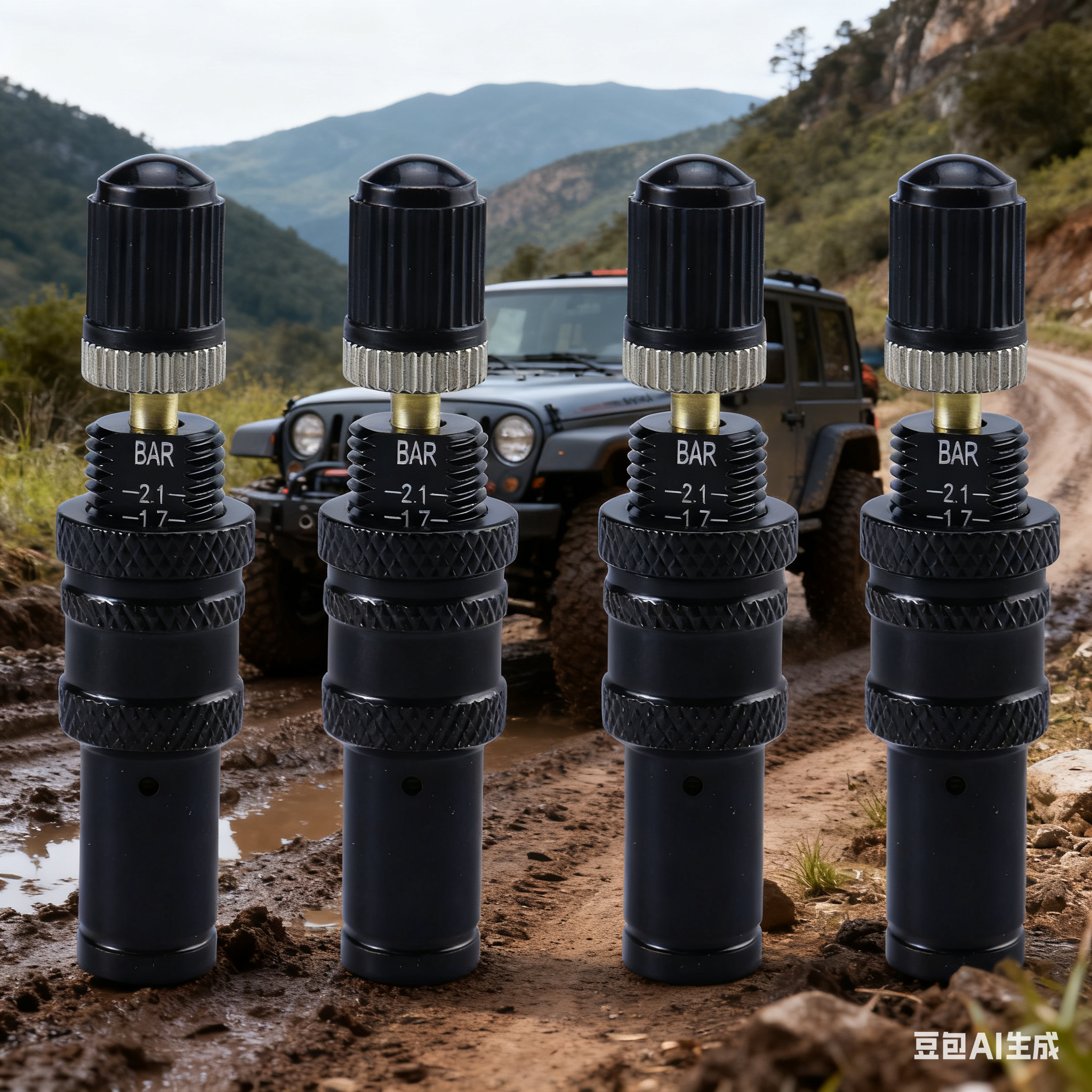
When you start shopping for this essential piece of equipment, you'll find a variety of options. The most common and popular type is the screw-on, pre-settable deflator. These are sold in sets of four and are praised for their reliability and ease of use. For those seeking even more convenience, some systems integrate hoses that connect all four tires to a central manifold, allowing for even faster and more centralized deflation and re-inflation. Regardless of the specific design, this tire deflation tool is a must-have for any serious adventurer. When selecting a car tire deflator, look for durable materials like brass or stainless steel that can withstand the harsh conditions of the trail. Positive reviews regarding accuracy and reliability are also key indicators of a quality product. Investing in a good tire deflation tool is as important as investing in a good set of tires or a reliable recovery kit.
From Deflation to Re-Inflation: The Complete Cycle
Of course, airing down is only half the process. Once you've conquered the trail and are ready to return to the pavement, you must re-inflate your tires to their standard highway pressure. Driving on under-inflated tires at high speeds is extremely dangerous; it generates excessive heat, can lead to catastrophic tire failure, and causes poor handling and fuel economy. This is why a complete off-road air management setup includes both a deflator and a portable air compressor. The automatic deflator interacts with the standard inflation valve for tires (typically a Schrader valve), and a quality compressor will connect to that same valve to air back up. The convenience of an automatic tire deflator is perfectly complemented by the efficiency of a high-quality portable compressor, creating a seamless system for transitioning from the street to the trail and back again.
The Unmatched Advantages of an Automated System
In summary, the benefits of adopting an automated tire deflation system are numerous and significant. The primary advantage is accuracy and consistency. Every tire is lowered to the exact same pressure, eliminating vehicle pull and ensuring balanced traction. The second major benefit is speed and convenience. What used to take 15-20 minutes of squatting and checking can now be accomplished in just a few minutes, while you're free to perform other vehicle checks or prepare your gear. This convenience cannot be overstated, especially in inclement weather. Using an advanced car tire deflator reduces wear and tear on your valve stems compared to constantly pushing and prodding them. Ultimately, this technology enhances not only your vehicle's capability but also your overall enjoyment of the off-road experience by removing one of the most tedious tasks associated with it. This tool truly elevates your preparation from a chore to a professional, efficient procedure.