
Ultimate Guide to Using an Industrial Torque Wrench for Precision Work
When it comes to tackling heavy-duty tasks in mechanical workshops or manufacturing settings, selecting the right industrial torque wrench is essential for ensuring accuracy and safety. This powerful tool applies a specific amount of torque to fasteners, preventing over-tightening or under-tightening that could lead to equipment failure. In this comprehensive how-to guide, we'll walk you through everything you need to know about the industrial torque wrench, from selection to practical application, with a focus on its role in professional environments.
Understanding the Basics of an Industrial Torque Wrench
An industrial torque wrench is a specialized hand tool designed for high-precision fastening in demanding conditions. Unlike standard wrenches, it measures and applies a precise rotational force, measured in foot-pounds or Newton-meters, to bolts and nuts. This is crucial for industries where even minor deviations can cause significant issues, such as in aerospace or automotive assembly lines.
To get started, familiarize yourself with the types available. Click-type torque wrenches release an audible click when the preset torque is reached, making them ideal for repetitive tasks. Digital versions offer real-time readings on an LCD screen, perfect for detailed logging in quality control processes. For heavy applications, opt for beam-style models that use a scale for visual confirmation. Always choose one calibrated for your specific torque range—typically from 20 to 1,000 foot-pounds for industrial use—to match the demands of your projects.
Before purchasing, consider the drive size. A 1/2-inch or 3/4-inch drive is common for industrial torque wrenches handling larger fasteners. Materials matter too; look for chrome-vanadium steel construction for durability against corrosion and wear. Regular calibration, ideally every six months or after 5,000 cycles, ensures ongoing accuracy. By understanding these fundamentals, you'll be better equipped to select a tool that enhances your workflow without unnecessary complications.
Step-by-Step Guide to Selecting the Perfect Industrial Torque Wrench
Step 1: Assess your needs. Determine the torque range required for your tasks. For instance, if you're working on large bolts in construction, you'll need a higher range than for finer automotive adjustments.
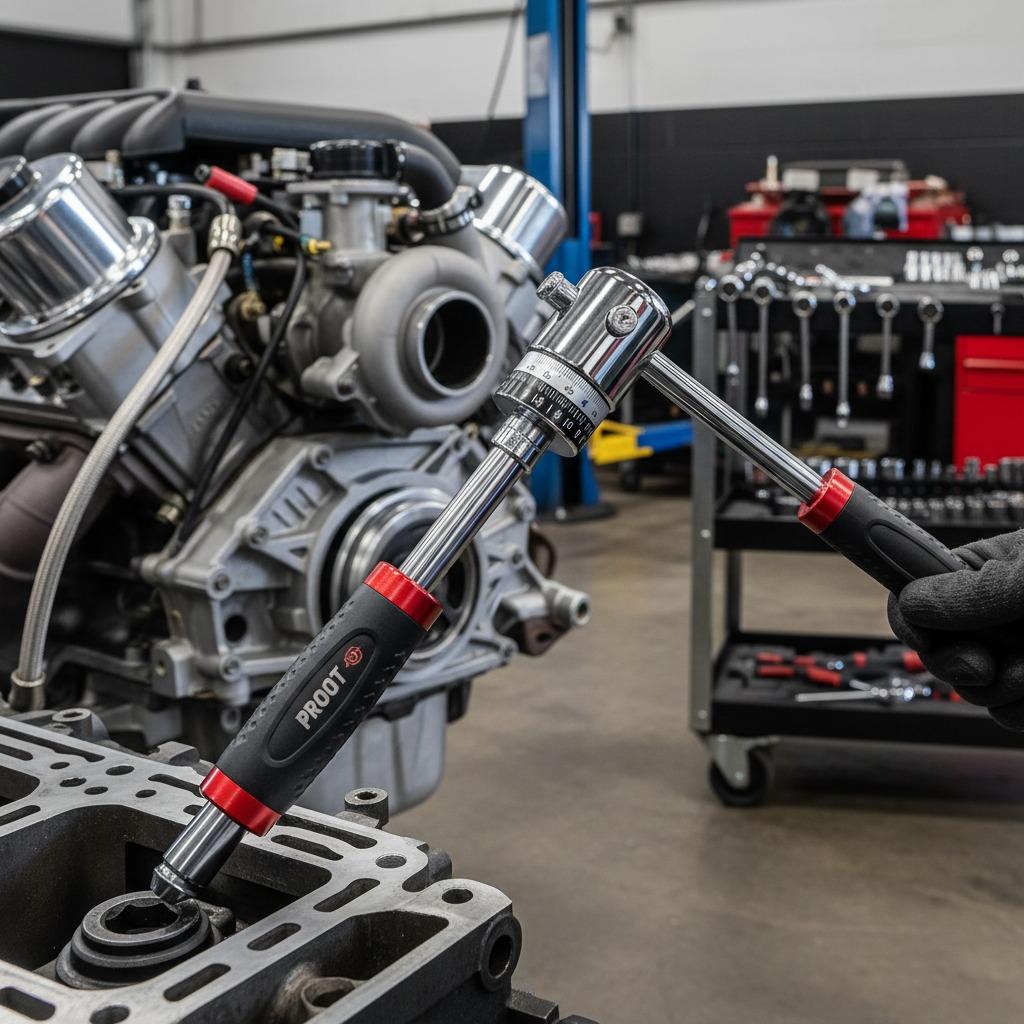
Step 2: Evaluate the environment. In oily or dusty workshops, choose a model with sealed mechanisms to prevent debris ingress. Ergonomics are key—opt for a handle that reduces hand fatigue during extended use, like the ergonomic red cylindrical handle found in high-quality professional tools.
Step 3: Check features for precision. Look for easy-to-read scales, whether analog or digital, that allow quick settings. A robust ratchet mechanism ensures smooth, bi-directional operation without slipping, which is vital for efficiency.
Step 4: Budget and brand reliability. While premium options might cost more, they offer longevity and warranty support. Test the tool's balance and weight to ensure it feels comfortable in your hand.
Following these steps, you'll invest in an industrial torque wrench that not only meets but exceeds your expectations, providing reliable performance over years of use. Remember, a well-chosen tool minimizes downtime and boosts productivity in professional settings.
Integrating a Torque Wrench for Heavy Machinery Applications
A torque wrench for heavy machinery is indispensable for maintaining massive equipment like excavators or industrial presses. These tools ensure that critical components, such as hydraulic fittings or engine mounts, are secured to manufacturer specifications, preventing vibrations or catastrophic failures.
Begin by reviewing the machinery's service manual for exact torque values. Set your torque wrench accordingly—most models allow adjustments via a micrometer-like scale on the handle. Position the wrench squarely on the fastener to avoid angled application, which can skew readings.
Apply steady, even pressure in a clockwise direction until the desired torque is achieved. For click-type models, listen for the signal and stop immediately to avoid over-torquing. In heavy machinery scenarios, use extensions or adapters only if rated for the torque level, as they can alter the force distribution.
After tightening, verify with a secondary check using a torque tester if available. This step is especially important in safety-critical applications, where under-torqued bolts could lead to accidents. Regularly inspect the wrench for wear, cleaning it with a soft cloth and light oil to maintain its precision.
By methodically using a torque wrench for heavy machinery, mechanics can extend equipment lifespan and ensure compliance with industry standards, ultimately saving time and resources.
Best Practices for Professional Mechanics Using Industrial Tools
As a professional mechanic, incorporating a professional torque wrench into your toolkit elevates your work from good to exceptional. These tools are built for the rigors of daily use, featuring durable builds that withstand drops and harsh chemicals.
Start your routine with a pre-use inspection: Check for any visible damage, ensure the scale is clear and readable, and zero the tool if it's a digital model. Always wear appropriate PPE, like gloves, to maintain grip and safety.
When applying the tool, work in a stable position—kneel or stand firmly to deliver consistent force. For sequential torquing on multiple fasteners, like in engine assembly, follow a star pattern to evenly distribute tension and avoid warping.
Maintenance is non-negotiable for a professional torque wrench. Store it in a protective case away from extreme temperatures, and avoid using it as a breaker bar, which can damage internal mechanisms. Schedule professional recalibration to keep it within ±4% accuracy, as required by ISO standards.
Incorporate industrial tools for mechanics like this into team training sessions. Teach apprentices the importance of precise settings and the consequences of improper use, fostering a culture of quality and safety in your workshop.
Advanced Tips for Maximizing Your Industrial Torque Wrench
To take your usage to the next level, explore accessories that complement your industrial torque wrench. Torque multipliers are great for ultra-high torque needs beyond 1,000 foot-pounds, while angle gauges help with multi-stage tightening processes.
Customize your approach for specific industries. In oil and gas, prioritize corrosion-resistant models; for automotive, focus on quick-release ratchets for faster swaps. Track usage with digital logging features to monitor tool performance and predict maintenance needs.
Troubleshooting common issues: If the wrench doesn't click or read correctly, it might need recalibration. For sticking adjustments, a drop of lubricant on the threads can resolve it. Always consult the manufacturer's guidelines for model-specific advice.
By adopting these advanced practices, you'll not only master the industrial torque wrench but also inspire confidence in your precision work. Whether you're a seasoned mechanic or leading a team, these tools empower you to deliver flawless results every time.
Why Invest in Quality Industrial Tools for Long-Term Success
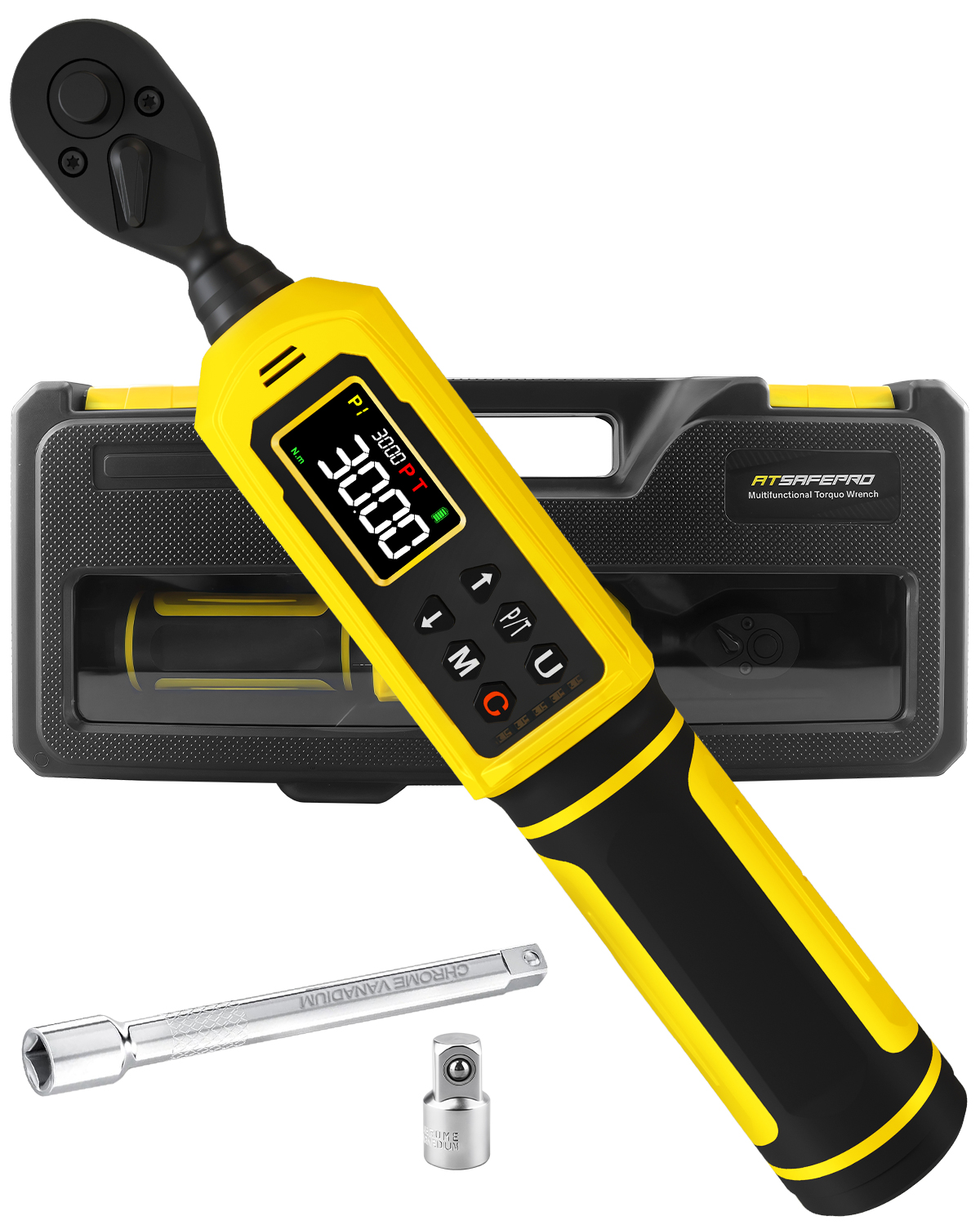
Investing in top-tier industrial tools for mechanics, such as a reliable professional torque wrench, pays dividends in efficiency and safety. These tools, like the ATSAFEPRO Professional Car Tool with its precision-engineered design and easy-to-read scale, are crafted for both enthusiasts and pros, offering smooth ratchet operation and durable construction that stands up to tough conditions.
From engine repairs to heavy machinery maintenance, the right torque wrench ensures every job is done right the first time. By following this guide, you're equipped to select, use, and maintain your industrial torque wrench effectively, enhancing your professional capabilities and project outcomes.
In summary, mastering the industrial torque wrench transforms routine tasks into precise, reliable operations. Embrace these steps, and watch your mechanical work reach new heights of excellence.