
Understanding the Essentials of a Tire Inflator Gauge

Maintaining proper tire pressure is crucial for vehicle safety, fuel efficiency, and overall performance. A tire inflator gauge is an indispensable tool that helps drivers monitor and adjust tire pressure accurately. Whether you're a daily commuter or an avid road tripper, having a reliable tire inflator gauge ensures your tires are always at the optimal PSI level recommended by your vehicle manufacturer. This simple device combines inflation capabilities with precise measurement, making it a must-have in any car owner's toolkit. In this article, we'll explore the benefits, types, and practical uses of tire inflator gauges to help you make informed decisions.
Why You Need a Tire Inflator Gauge in Your Vehicle
One of the primary reasons to invest in a tire inflator gauge is the impact it has on your driving safety. Underinflated or overinflated tires can lead to reduced traction, longer braking distances, and increased risk of blowouts. According to the National Highway Traffic Safety Administration, properly inflated tires can improve gas mileage by up to 3%, saving you money at the pump. A tire inflator gauge allows you to check pressure on the go, eliminating the guesswork often associated with traditional gas station pumps. It's portable, easy to use, and often comes with features like automatic shut-off to prevent overinflation. For families or those who frequently haul heavy loads, this tool provides peace of mind by ensuring even tire wear and extending the lifespan of your tires.
Beyond safety, a tire inflator gauge enhances convenience. Imagine arriving at a remote location with a slightly flat tire—no need to search for a service station when you can inflate it right there using your car's 12V outlet. Many models are compact enough to store in your glove compartment, weighing less than a pound. Regular use also helps in detecting slow leaks early, which can be caused by valve stem issues or road debris. By incorporating a tire inflator gauge into your routine maintenance, you'll avoid costly tire replacements and enjoy smoother rides. Experts recommend checking tire pressure at least once a month, and with this tool, the process takes mere minutes.
Exploring Digital Tire Inflator Gauges for Modern Precision
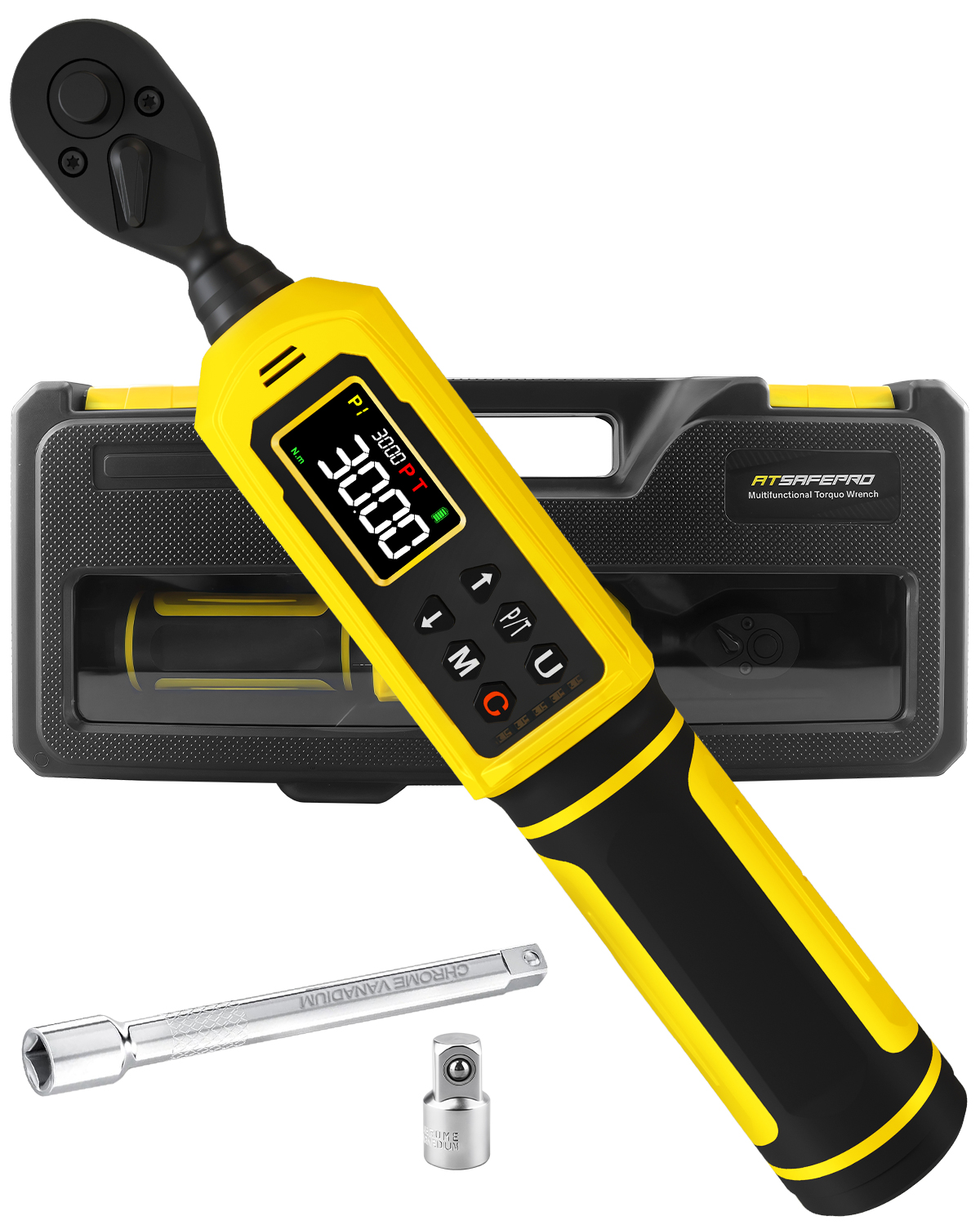
For those seeking advanced technology, a digital tire inflator gauge stands out as a superior choice. Unlike analog versions with dials that can be hard to read, digital tire inflator gauge models feature LED backlit displays that show pressure readings in real-time with accuracy up to 0.5 PSI. These gadgets often include programmable settings where you input your desired PSI, and the device automatically stops inflating once reached. This precision is especially useful for vehicles with varying tire requirements, like SUVs or trucks. Battery-powered options are available for portability, while corded ones plug into your car's power source for unlimited use during long journeys.
The appeal of a digital tire inflator gauge lies in its user-friendly interface. Many come with multiple adapters for cars, bikes, and even sports balls, making them versatile for household use. Durability is another key factor; high-quality digital models are built with shock-resistant housings and ergonomic grips to withstand daily handling. User reviews frequently praise their fast inflation rates, often filling a tire in under 5 minutes. If you're tired of imprecise measurements that lead to uneven tire wear, switching to a digital tire inflator gauge can transform your maintenance routine. It's not just about checking pressure—it's about smart, efficient vehicle care that aligns with today's tech-savvy lifestyle.
Comparing Tire Inflator Pressure Gauges: Analog vs. Digital
When selecting a tire inflator pressure gauge, understanding the differences between analog and digital variants is essential. A tire inflator pressure gauge, in its analog form, uses a mechanical needle and dial for readings, offering reliability without needing batteries. These are often more affordable and ideal for basic needs, providing quick visual feedback during inflation. However, they might require some practice to read accurately, especially in low-light conditions. On the flip side, digital tire inflator pressure gauges integrate electronics for enhanced accuracy and additional features like memory functions that recall previous pressure settings.
Tire inflator pressure gauges are designed for ease of integration into your car's emergency kit. Analog types are compact and don't rely on power, making them great for off-grid adventures. Digital ones, however, offer audible alerts for low pressure and can connect to apps on your smartphone for logging data over time. Both types ensure you maintain the 32-35 PSI range typical for passenger cars, but digital models excel in precision for high-performance vehicles. Consider your usage frequency: if you're checking tires weekly, a digital tire inflator pressure gauge might justify the extra cost with its long-term convenience.
Practical Tips for Using and Maintaining Your Tire Inflator Gauge
To get the most out of your tire inflator gauge, follow these best practices. First, always consult your vehicle's manual for the exact recommended pressure, as it varies by load and model. When using the tool, remove the valve cap, press the gauge firmly onto the stem, and listen for the hiss of air to confirm a proper seal. For inflation, attach the hose securely and monitor the gauge to avoid exceeding the target PSI. Store your tire inflator gauge in a cool, dry place to prevent damage from extreme temperatures, which can affect accuracy.
Regular calibration is key, especially for digital models—check against a known accurate gauge every few months. Clean the nozzle after use to remove debris that could cause leaks. If you're using a tire inflator gauge during winter, remember cold air decreases pressure by about 1 PSI per 10-degree drop, so adjust accordingly. For longevity, opt for brands with warranties, and avoid overworking the device on severely flat tires, which might require professional attention. By incorporating these habits, your tire inflator gauge will serve you reliably for years, contributing to safer and more efficient driving.
The Future of Tire Maintenance with Advanced Gauges
As automotive technology evolves, tire inflator gauges are becoming smarter. Future models may integrate with vehicle diagnostics via Bluetooth, alerting you to pressure drops through your dashboard. Innovations like solar-powered units or those with built-in compressors for multi-tire inflation are on the horizon. For now, a quality tire inflator gauge remains a foundational tool. Whether you choose a basic analog tire inflator pressure gauge or a feature-packed digital one, the investment pays off in safety and savings. Prioritize one in your next auto accessory purchase to elevate your driving experience.
In summary, a tire inflator gauge is more than a gadget—it's a guardian for your tires and your journey. With options like digital tire inflator gauges offering pinpoint accuracy, there's a perfect fit for every driver. Stay proactive about tire pressure, and you'll reap the rewards on every mile.