
Understanding the Importance of a Tire Pressure Gauge
A tire pressure gauge is an essential tool for any vehicle owner looking to maintain safety and efficiency on the road. Whether you're a daily commuter or an avid road tripper, monitoring your tire pressure regularly can prevent accidents, extend tire life, and save on fuel costs. This simple device measures the air pressure inside your tires, ensuring they are neither underinflated nor overinflated, which can lead to uneven wear or blowouts. In this article, we'll explore the world of tire pressure gauges, focusing on options like the analog tire pressure gauge, tire pressure gauge for cars, and portable tire pressure gauge, to help you choose the right one for your needs.
Why You Need a Tire Pressure Gauge for Cars
A tire pressure gauge for cars is specifically designed to handle the demands of automotive tires, providing accurate readings in pounds per square inch (PSI) or bars. Most car manufacturers recommend checking tire pressure monthly, and a reliable tire pressure gauge for cars makes this task straightforward. Underinflated tires can reduce fuel efficiency by up to 3%, according to the U.S. Department of Energy, while overinflation leads to a harsher ride and faster tread wear. Investing in a quality tire pressure gauge for cars ensures you're always prepared, especially before long drives or in varying weather conditions where pressure can fluctuate. For instance, cold mornings can drop tire pressure by about 1 PSI for every 10-degree decrease in temperature, making regular checks vital.
Exploring the Analog Tire Pressure Gauge
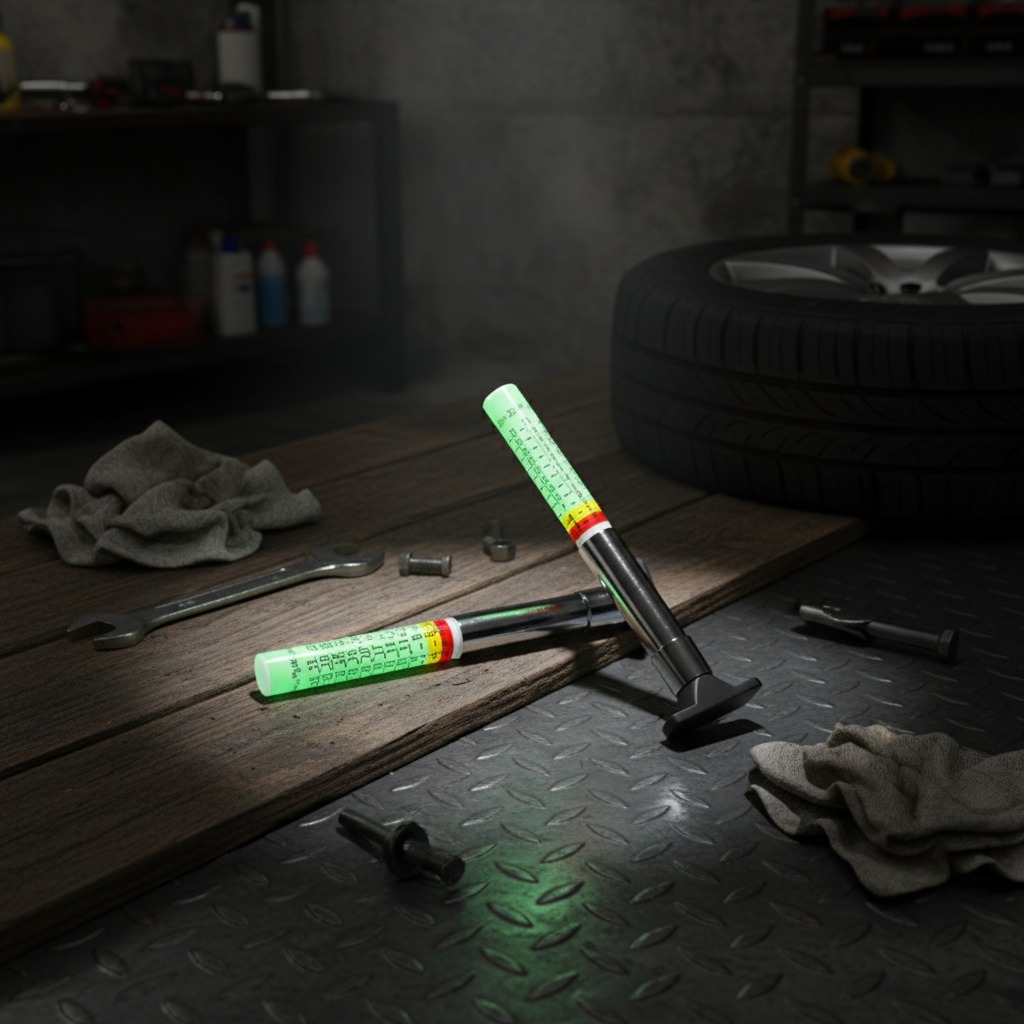
The analog tire pressure gauge offers a classic, no-fuss approach to measuring tire pressure, relying on mechanical components like a Bourdon tube to display readings on a dial or stick. Unlike digital versions that require batteries, an analog tire pressure gauge is always ready to use, making it a favorite for DIY mechanics and outdoor enthusiasts. Its simplicity means fewer chances of electronic failure, and many models are built to last with durable metal casings. When selecting an analog tire pressure gauge, look for one with a wide measurement range, typically from 0 to 100 PSI, to accommodate various vehicles from compact sedans to SUVs. Users appreciate how it provides an instant visual readout without buttons or screens, and it's often more affordable, starting at just a few dollars.
The Convenience of a Portable Tire Pressure Gauge
For those who travel frequently or maintain multiple vehicles, a portable tire pressure gauge is a game-changer. Compact and lightweight, this type fits easily in your glove compartment, toolbox, or even a backpack, allowing you to check pressures anywhere— at a gas station, on a remote trail, or during a family road trip. A good portable tire pressure gauge combines accuracy with ease of use, often featuring a flexible hose and ergonomic grip to reach all valve stems without hassle. Many models include built-in deflators or bleeder valves for quick adjustments on the spot. Safety experts emphasize that proper tire inflation can reduce the risk of tire failure by 70%, and having a portable tire pressure gauge ensures you're never caught off guard. Whether it's digital with backlighting for nighttime use or analog for reliability, portability adds an extra layer of preparedness to your driving routine.
How to Use a Tire Pressure Gauge Effectively
Using a tire pressure gauge correctly is straightforward but requires attention to detail for precise results. First, park your vehicle on a level surface and ensure the tires are cold, meaning they haven't been driven on for at least three hours. Remove the valve cap from the tire stem and press the gauge firmly onto it until you hear a short burst of air—this indicates a proper seal. Read the measurement immediately, as pressure can drop slightly after release. For an analog tire pressure gauge, align the needle with the scale; for digital ones, wait for the display to stabilize. Compare the reading to the recommended PSI found on the driver's door jamb or owner's manual, and adjust using an air compressor if needed. Repeat for all four tires, including the spare if possible. By incorporating this routine, you'll not only enhance vehicle performance but also contribute to environmental sustainability by reducing unnecessary fuel consumption and tire waste.
Comparing Types: Analog vs. Digital Tire Pressure Gauges
When deciding between an analog tire pressure gauge and its digital counterparts, consider your preferences for style and functionality. Analog models excel in environments where batteries might fail, such as extreme cold or heat, and they often provide a tactile satisfaction that's appealing to hands-on users. On the flip side, digital tire pressure gauges offer illuminated displays for low-light conditions and sometimes include features like memory functions to track pressure history. For cars specifically, a tire pressure gauge for cars in digital form might integrate with onboard systems via Bluetooth, alerting you to issues in real-time. However, for pure portability, a portable tire pressure gauge in analog design wins for its zero-maintenance appeal. Budget is another factor; analog options are generally cheaper and more widespread at auto parts stores. Ultimately, the best choice depends on your driving habits—if you're often on the go, prioritize a portable tire pressure gauge that suits your lifestyle without compromising accuracy.
Maintaining Your Tire Pressure Gauge for Longevity
To get the most out of your tire pressure gauge, proper maintenance is key. Store it in a dry place away from direct sunlight to prevent damage to seals or mechanisms, especially for an analog tire pressure gauge with rubber components. Clean the nozzle after each use to avoid debris buildup, which could skew readings. If your portable tire pressure gauge is digital, check the battery life periodically and replace as needed. Calibrating your device annually against a professional gauge at an auto shop ensures continued reliability. Remember, a well-maintained tire pressure gauge not only protects your tires but also your wallet—proper inflation can extend tire life by 4,700 miles on average, per tire industry studies. By treating this tool with care, you'll have a dependable companion for years of safe driving.
Final Thoughts on Choosing the Right Tire Pressure Gauge
In summary, a tire pressure gauge is more than just a gadget; it's a crucial ally in vehicle maintenance. Whether you opt for the straightforward analog tire pressure gauge, a dedicated tire pressure gauge for cars, or the versatile portable tire pressure gauge, the key is selecting one that fits your routine and delivers accurate results. Regular checks can transform your driving experience, boosting safety, efficiency, and peace of mind. Don't wait for a warning light or flat tire—equip yourself today and hit the road with confidence. With options available for every budget and need, there's no excuse not to stay on top of your tire pressure.