
Proper tire pressure is one of the most critical yet often overlooked aspects of vehicle performance, safety, and efficiency. For decades, drivers have relied on manual gauges and gas station air compressors. However, technology has evolved dramatically, leading to the development of the advanced 2 way tire inflation system. This sophisticated technology provides drivers with the unprecedented ability to not only inflate but also deflate their tires on the move, optimizing performance for any condition, from smooth highways to rugged off-road trails.
The Journey from Manual Checks to Intelligent Management
Historically, tire pressure management was a reactive process. A driver would manually check pressures, notice a tire was low, and then find a way to add air. The introduction of Tire Pressure Monitoring Systems (TPMS) was a significant step forward, providing real-time passive data. The next leap was the advent of automatic tire inflation systems, primarily seen in the commercial trucking industry. These systems could detect a drop in pressure and automatically add air from an onboard compressor to maintain a preset level. While incredibly useful for preventing under-inflation and slow leaks, they only addressed one half of the equation. The true revolution came with systems that integrated a tire deflation system, creating a fully dynamic management tool.
Understanding Dual Tire Inflation Technology
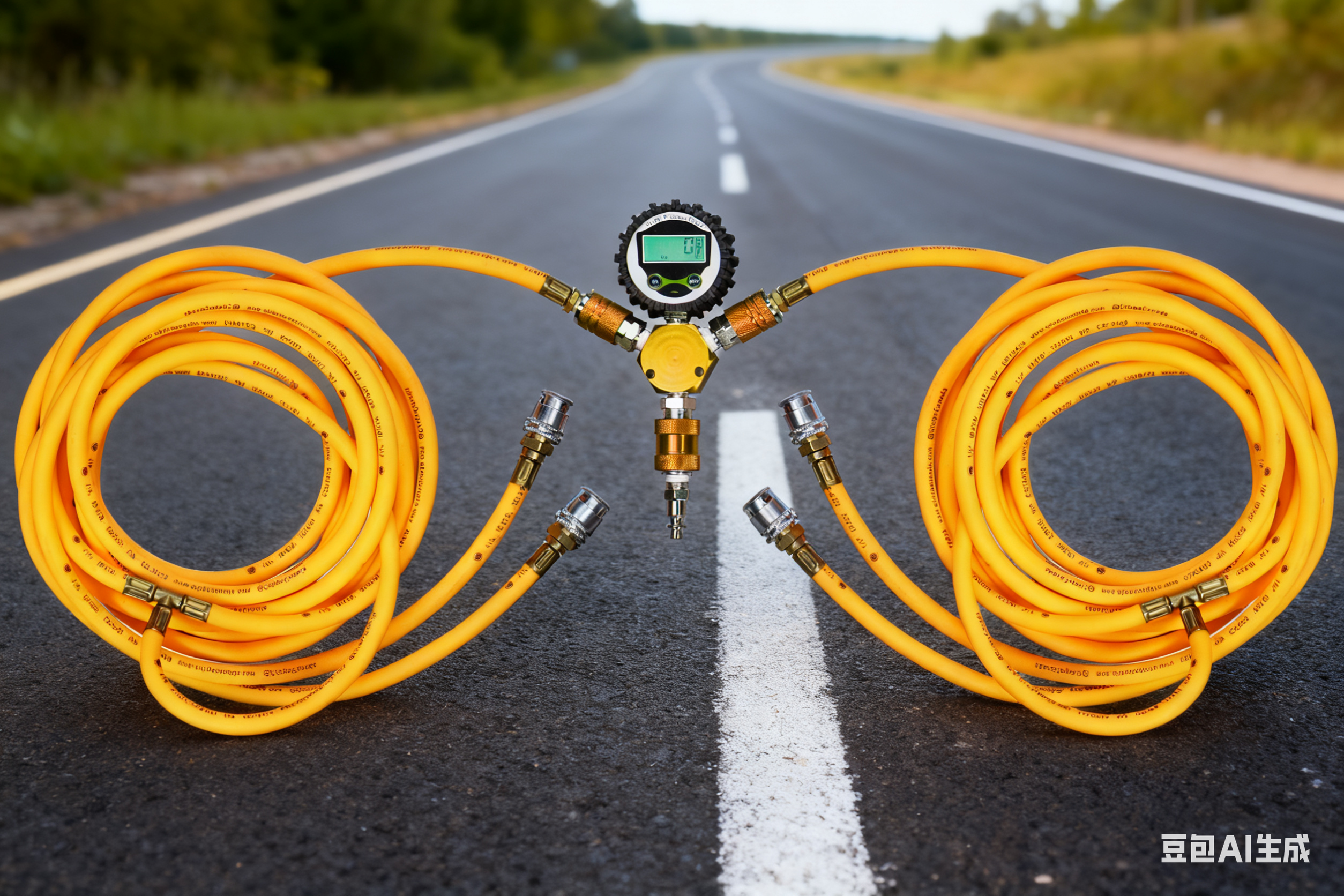
A 2 way tire inflation system is a marvel of engineering that centralizes control over one of the vehicle's most vital components. At its heart is an onboard air compressor, an electronic control unit (ECU), a network of air lines running to each wheel, and specialized rotary unions or hub caps that allow air to pass into the rotating tire. The ECU acts as the brain, constantly receiving data from pressure sensors at each wheel. When the driver selects a desired pressure setting—for example, a high pressure for highway driving or a low pressure for sand—the ECU gets to work. If tires are underinflated, it commands the compressor to send air. If they are overinflated for the desired terrain, it activates valves to precisely release air. This comprehensive approach is the essence of dual tire inflation technology, offering complete control in a way that was previously unimaginable.
The Strategic Advantage of a Tire Deflation System
The ability to purposefully reduce tire pressure is what sets these advanced systems apart. For anyone who ventures off-pavement, the benefits of a tire deflation system are immense. Lowering tire pressure, or 'airing down,' significantly increases the tire's footprint—the amount of rubber in contact with the ground. This simple change dramatically improves traction on soft surfaces like sand, mud, and snow by distributing the vehicle's weight over a larger area, preventing it from digging in and getting stuck. In the past, this was a tedious manual process. Now, with the push of a button, an integrated 2 way tire inflation system can handle the task in minutes. Furthermore, the most advanced versions offer intelligent tire deflation, where the system can suggest or automatically adjust to optimal pressures based on the vehicle's speed, load, or selected drive mode, ensuring peak performance and safety without driver guesswork.
Key Benefits of a Comprehensive System
Adopting a 2 way tire inflation system brings a multitude of advantages. First and foremost is performance and safety; the ability to adjust to the perfect pressure for any terrain provides superior traction, handling, and stability. Secondly, it extends tire life significantly. Consistently running at the correct pressure prevents the uneven wear and heat buildup associated with under-inflation, which is a leading cause of tire failure. Thirdly, fuel efficiency is improved. On paved roads, maintaining optimal highway pressure reduces rolling resistance, directly translating to better mileage. Finally, the convenience is unparalleled. It eliminates the time-consuming and often dirty process of manual adjustments, saving time and effort while reducing downtime for commercial operators. The system's automatic tire inflation capability also provides a crucial defense against slow leaks, often keeping a tire operational until it can be professionally repaired.
Applications Across Diverse Industries
The versatility of this technology makes it invaluable in various sectors. The long-haul trucking industry uses automatic tire inflation to maximize fuel economy and reduce costly roadside tire incidents. In agriculture, these systems allow farmers to lower tire pressure in the field to reduce soil compaction and then quickly re-inflate for road transport between fields. The military relies heavily on this technology for tactical vehicles to ensure mobility in any environment imaginable. For the recreational off-road community, a 2 way tire inflation system transforms a vehicle's capability, turning challenging obstacles into manageable terrain. This intelligent tire deflation and inflation capability is no longer a niche feature but a critical component for modern, high-performance vehicles.