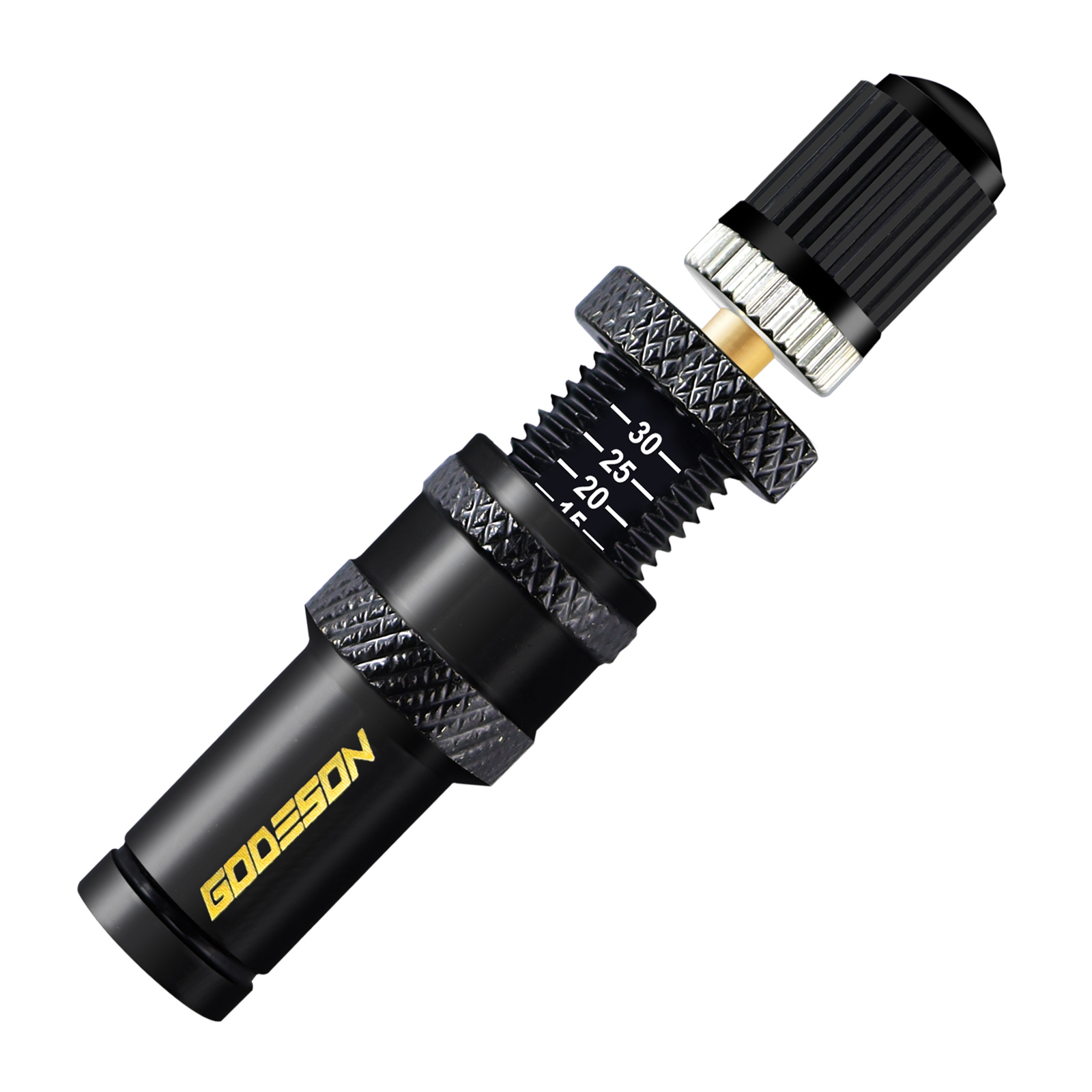

Introduction to Mechanical Tire Pressure Gauge
In the modern world of automotive maintenance, ensuring that your tires are inflated to the optimal level can significantly influence your vehicle's performance, fuel efficiency, and safety. The mechanical tire pressure gauge is a crucial tool that caters to this need, providing a reliable means to accurately measure and maintain tire pressure. With its time-tested design and simple mechanics, it remains a favorite among car enthusiasts and professionals alike.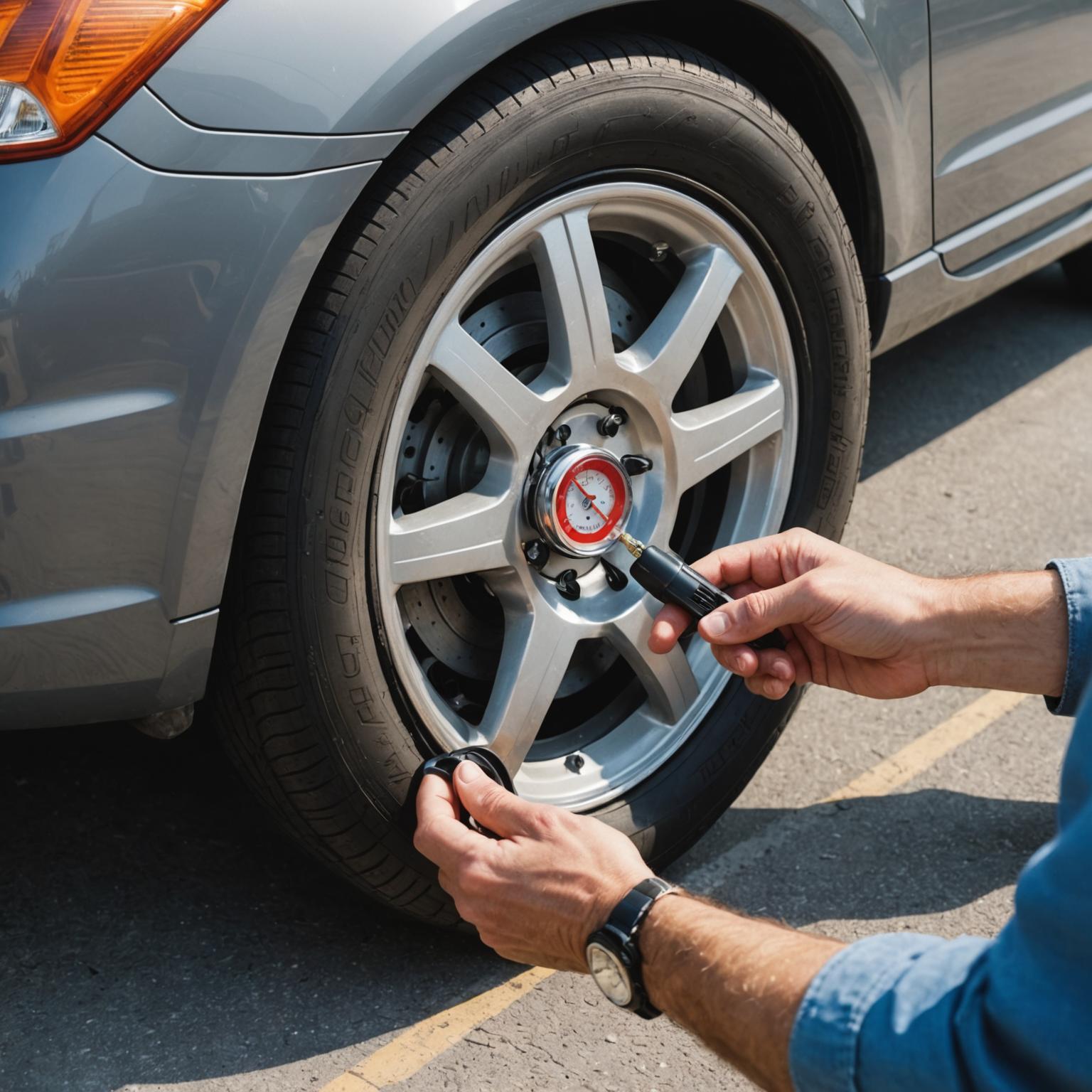
The Importance of Tire Pressure
Understanding the importance of tire pressure is pivotal. Incorrect tire pressure can lead to a variety of challenges. Under-inflated tires increase rolling resistance, which can reduce fuel efficiency drastically. Over-inflated tires, on the other hand, tend to have less contact with the road, which can decrease traction and increase the risk of a blowout. Both situations can drastically affect the handling and safety of a vehicle.
A tire pressure gauge is an essential companion in your car toolkit, providing straightforward readings without the need for batteries or digital interfaces. Its mechanical nature is what makes it so reliable – unaffected by weather conditions or complex electronics that may falter under harsh conditions. The gauge's simple yet effective design makes it easy for anyone to use.
Features of a Mechanical Tire Pressure Gauge
Mechanical tire pressure gauges are typically composed of a round dial, a small pipe to attach to the tire valve, and sometimes a needle indicator. They operate using a spring mechanism which compresses under the pressure from the tire, moving the needle to display the pressure reading. Despite their straightforward functioning, these devices offer remarkable precision.
A high-quality mechanical tire pressure gauge can be seen as an investment. With robust construction designed to withstand mishandling, it provides a durable solution that digital options can't always match. The elegance of its mechanical ingenuity shines in any condition, avoiding issues like battery drainage that might be seen with digital alternatives.
Advantages of Using Mechanical Gauges
There are numerous benefits in selecting a mechanical tire pressure gauge. Besides its unmatched reliability, the lack of batteries or charging needs sets it apart as a maintenance-free device – a true 'grab-and-go' gadget. This type of gauge is perfect for not only car owners but for cyclists and motorcycle enthusiasts, offering cross-version usability that many digital types cannot deliver.
Furthermore, its tactile nature – the physical interaction of the gauge as it locks onto the valve – provides intuitive sensing that many users prefer. This tactile approach often becomes a favored aspect for those who enjoy the manual functionality of mechanical devices.
The Perfect Tool for Every Vehicle Owner
Every vehicle owner should possess a dependable tire pressure gauge. While digital versions bring about a certain level of convenience, a mechanical tire pressure gauge delivers peace of mind with every use. For those who value durability, accuracy, and simplicity, this tool is indispensable. It is a solid choice that aligns with responsible vehicle maintenance practices, making it a staple in garages and glove compartments worldwide.
With innovation leading the automotive tools sector, new devices like the digital pressure gauge offer advanced features appealing to the tech-savvy driver. However, the unpretentious mechanical tire pressure gauge remains irreplaceable, continuing to provide timeless and trustworthy service for all tire maintenance needs.