
Introduction to Mechanical Torque Wrenches
Mechanical torque wrenches are essential tools in various industries, ensuring the application of the correct tightness of bolts and nuts. These tools are pivotal for maintaining the structural integrity and safety of many mechanical assemblies. In industrial settings, automotive repair shops, and even in some DIY projects, the mechanical torque wrench stands out for its reliability and efficiency. It is specifically designed to provide precision and consistency, making it indispensable in environments where the exact torque measurement is crucial.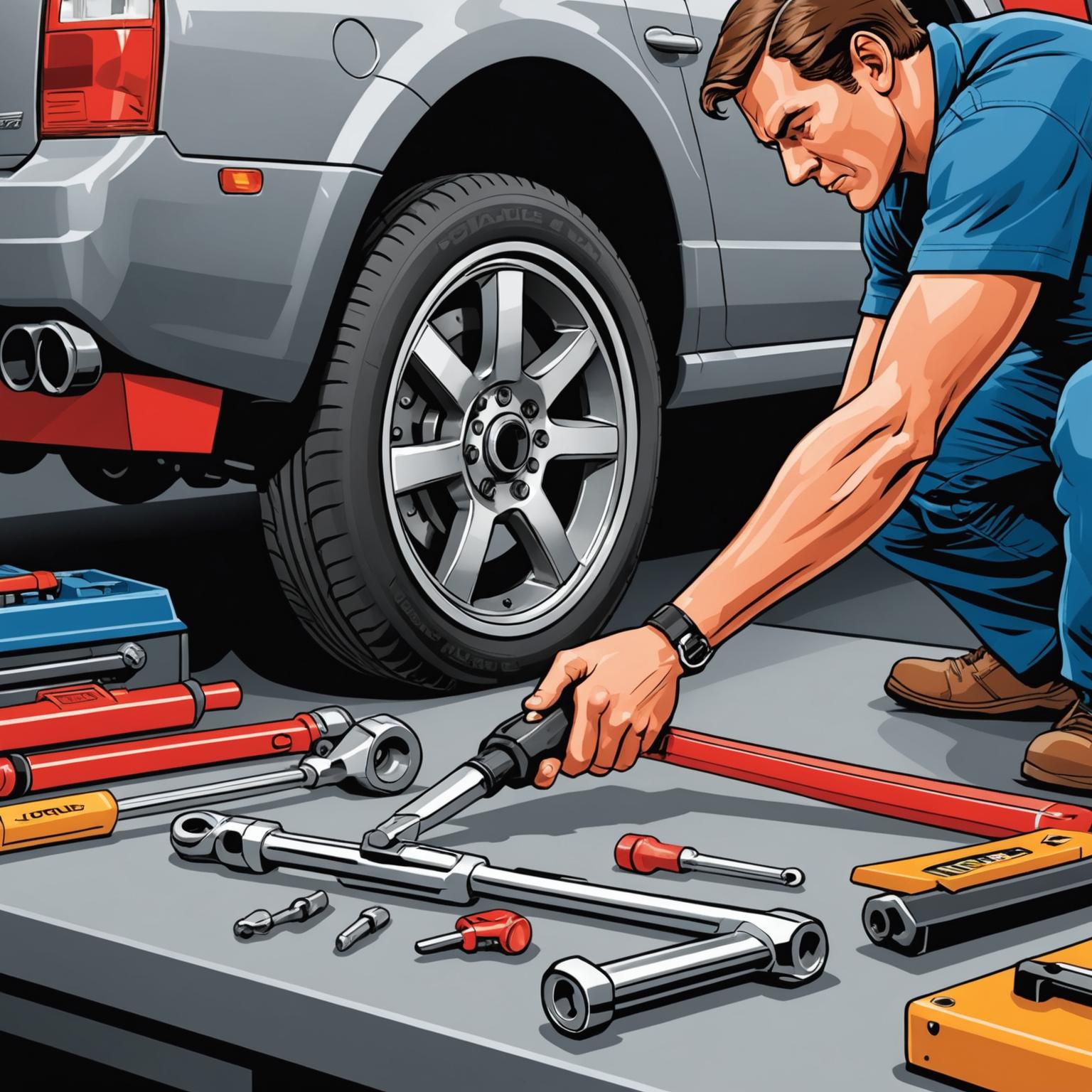
Why Opt for a Mechanical Torque Wrench?
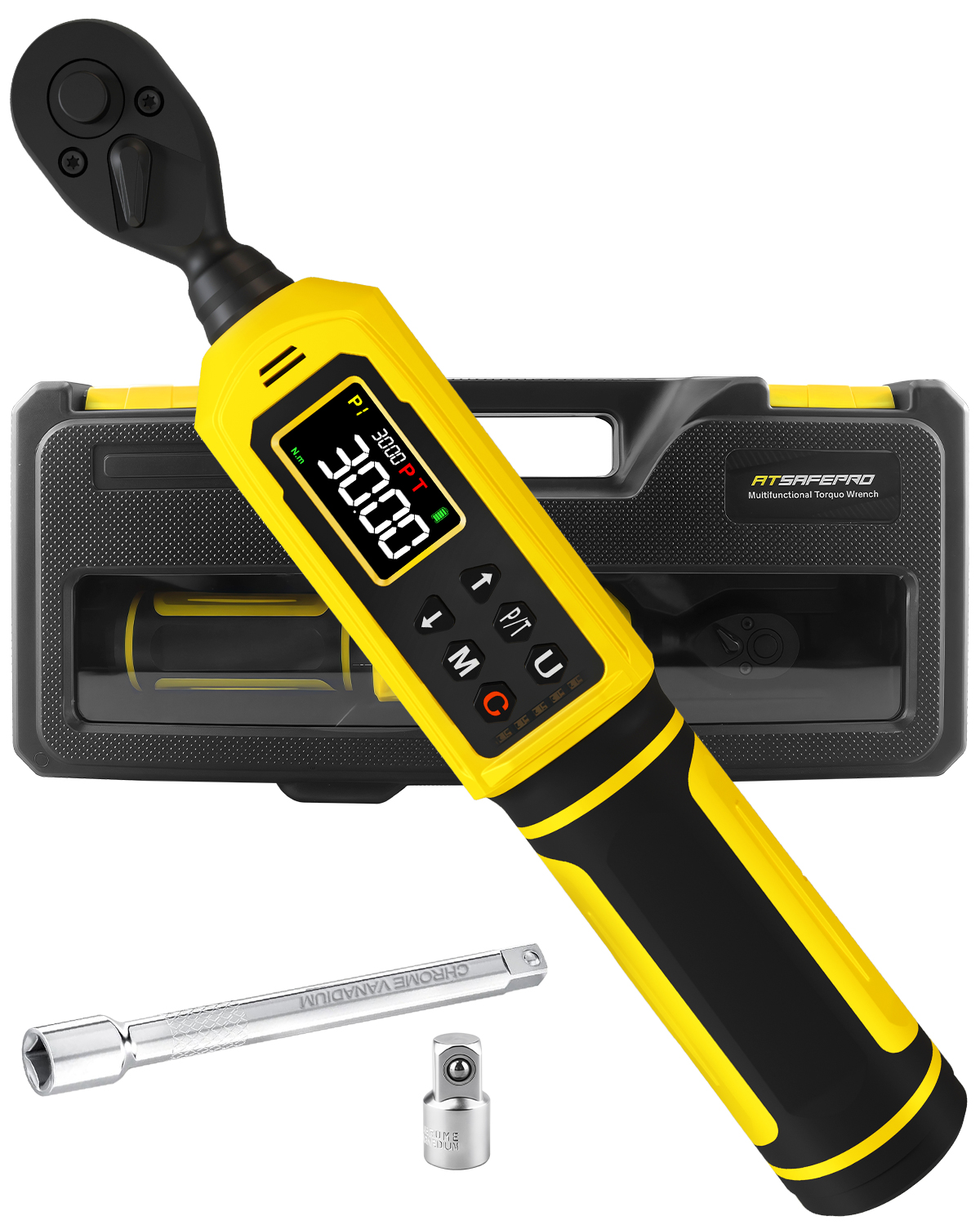
There are several reasons why professionals favor mechanical torque wrenches. Firstly, they don't require batteries or constant calibration like their electronic counterparts, making them easier to maintain and more cost-effective in the long run. Their simplicity also means that they are less prone to errors related to software or electronics. Mechanical torque wrenches provide an audible click or a visual signal when the desired torque level is reached, offering a straightforward user experience.
Different Types of Mechanical Torque Wrenches
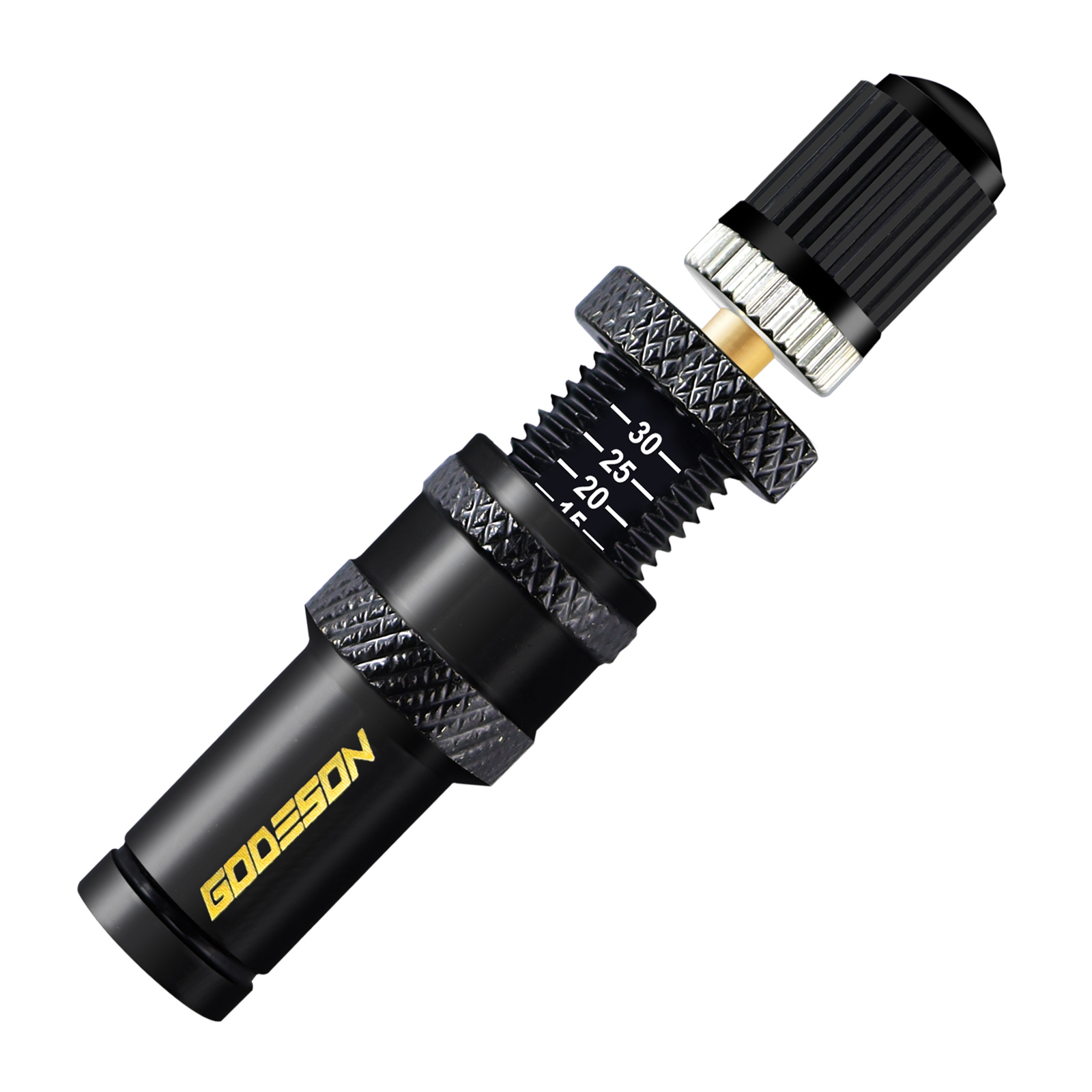
Within the category of mechanical torque wrenches, there are a few different types to consider. The beam type, for instance, is noted for its simplicity and durability with a scale and needle that indicates the torque applied. The click type is perhaps the most popular due to its ease of use; it signals when a preset torque level is reached. Finally, the split beam type, which is similar to the click type, offers even more accuracy and durability. Each type serves specific needs and preferences, enabling users to choose one that aligns best with their requirements.
Applications and Advantages
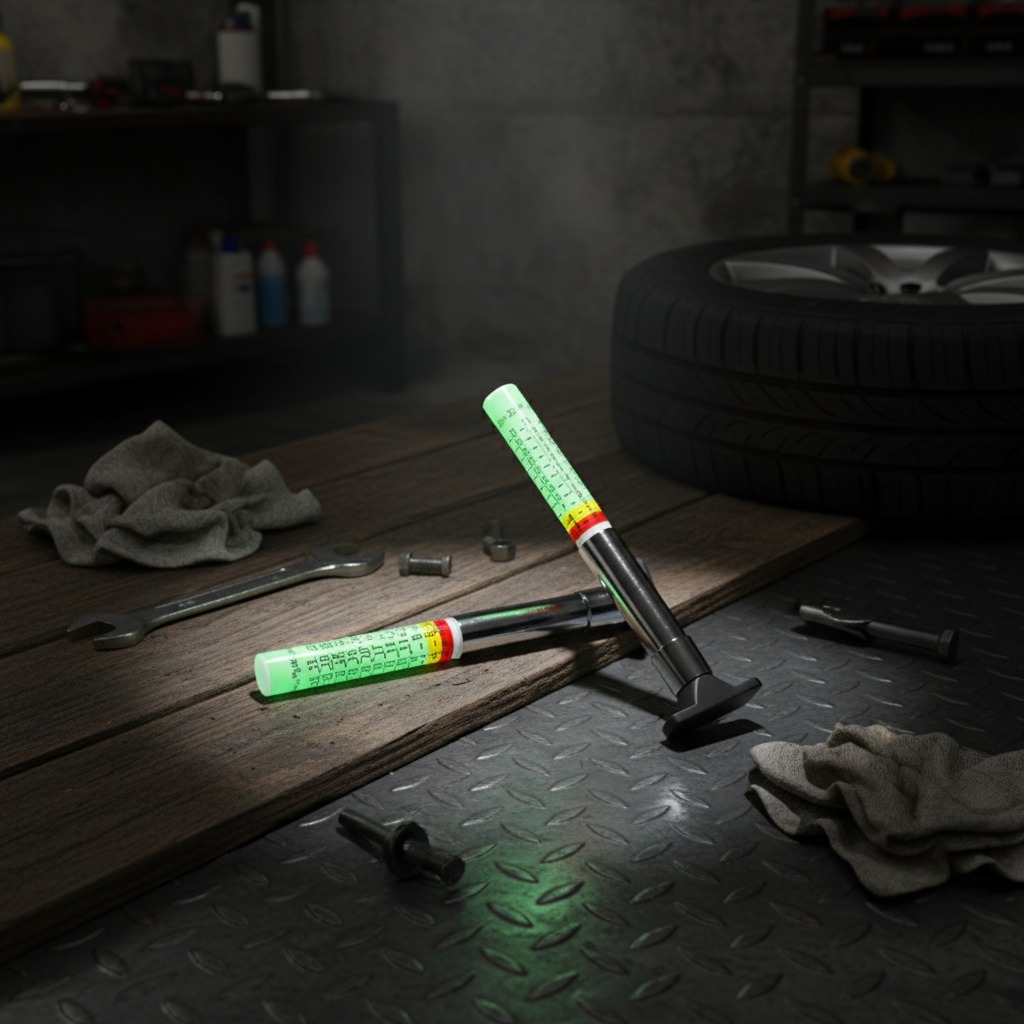
Mechanical torque wrenches have a broad range of applications. In automotive applications, they are frequently used to ensure that wheel lug nuts are tightened to the manufacturer's specifications. In construction and maintenance, they ensure that structural bolts are correctly tightened. Their use is also prevalent in manufacturing industries, where precision is crucial in assembling machinery and equipment.
One of the main advantages of these tools is their robustness. They can withstand rugged industrial environments, and their mechanical nature generally makes them more reliable under various working conditions. They also contribute to safety, helping prevent over-tightening or under-tightening that could result in equipment failures or accidents.
Choosing the Right Mechanical Torque Wrench
Selecting the appropriate mechanical torque wrench involves evaluating the specific requirements of your application. Consider the torque range you need, the precision required, and the environment in which you'll use the tool. It's also important to choose a reputable brand known for precision and durability. Ensuring proper tool maintenance is also critical; regular checks and recalibrations will keep your torque wrench in optimal condition, prolonging its useful life and ensuring accurate results.
Conclusion
In summary, mechanical torque wrenches are invaluable tools across a multitude of fields, prized for their accuracy, reliability, and simplicity. Whether for professional industrial use or home-based mechanical projects, selecting and using the right mechanical torque wrench plays a key role in achieving desired outcomes with precision and safety. Embracing this tool as part of your toolkit promises enhanced performance and peace of mind.