
Auto Maintenance Tips: Keep Your Car in Top Shape
Owning a car is not just about enjoying the convenience of transportation, but also requires proper care and maintenance to ensure its longevity and performance. In this blog post, I will share some essential auto maintenance tips that every car owner should know. Additionally, I will focus on **specific considerations for electric vehicle (EV) owners** to help keep their electric cars running smoothly and efficiently.
Regular Maintenance Tips for All Cars:
1. Regular Oil Changes
2. Check and Replace Air Filters
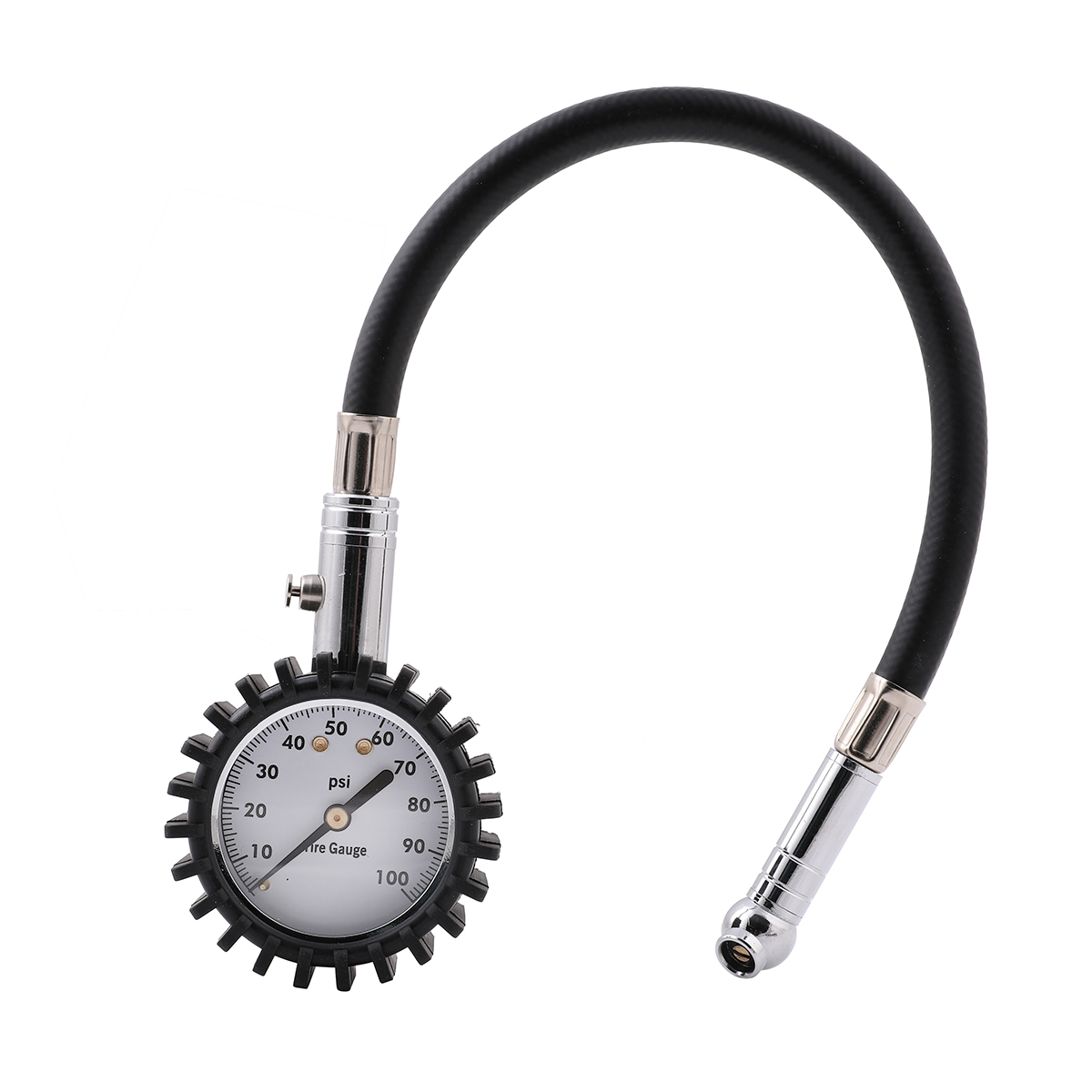
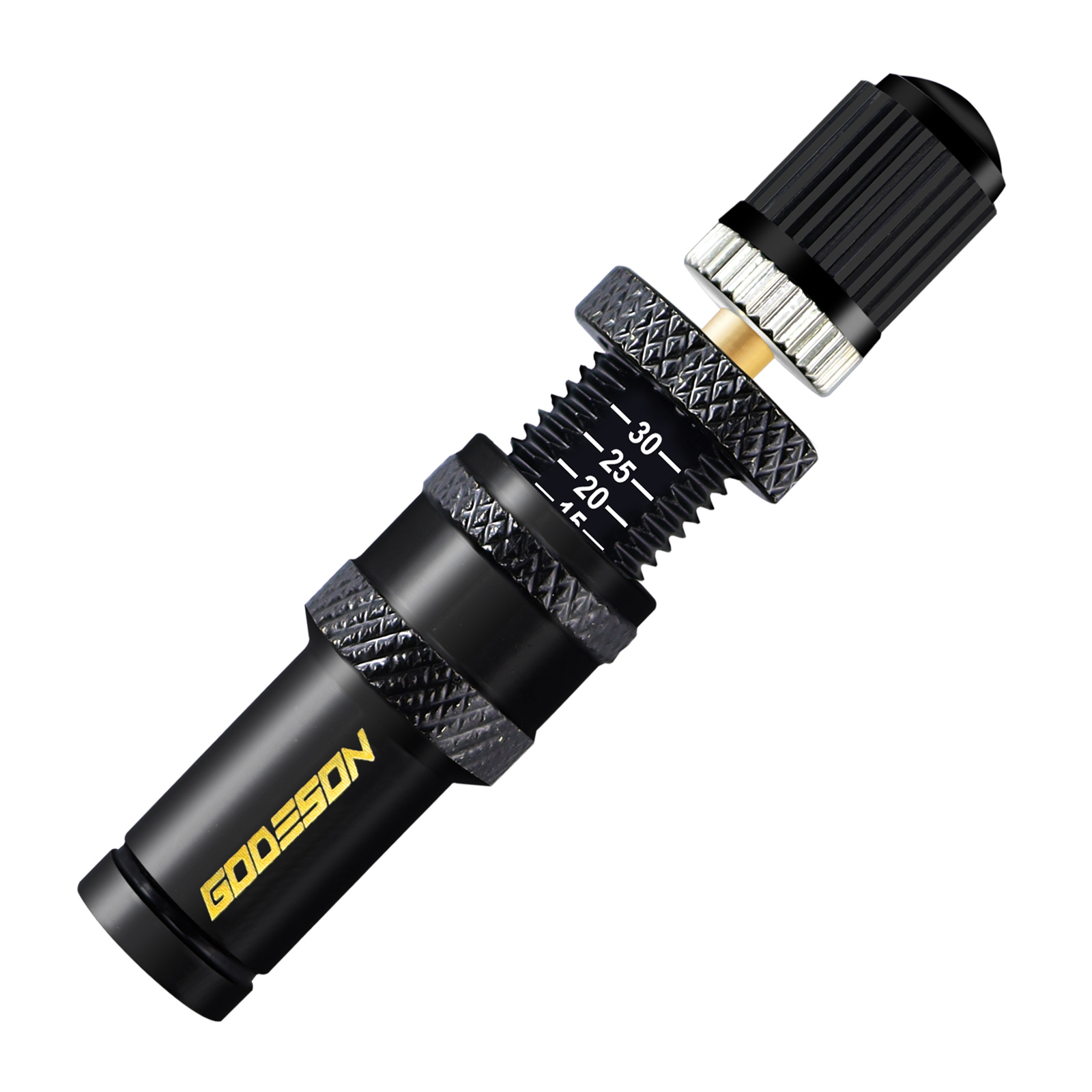
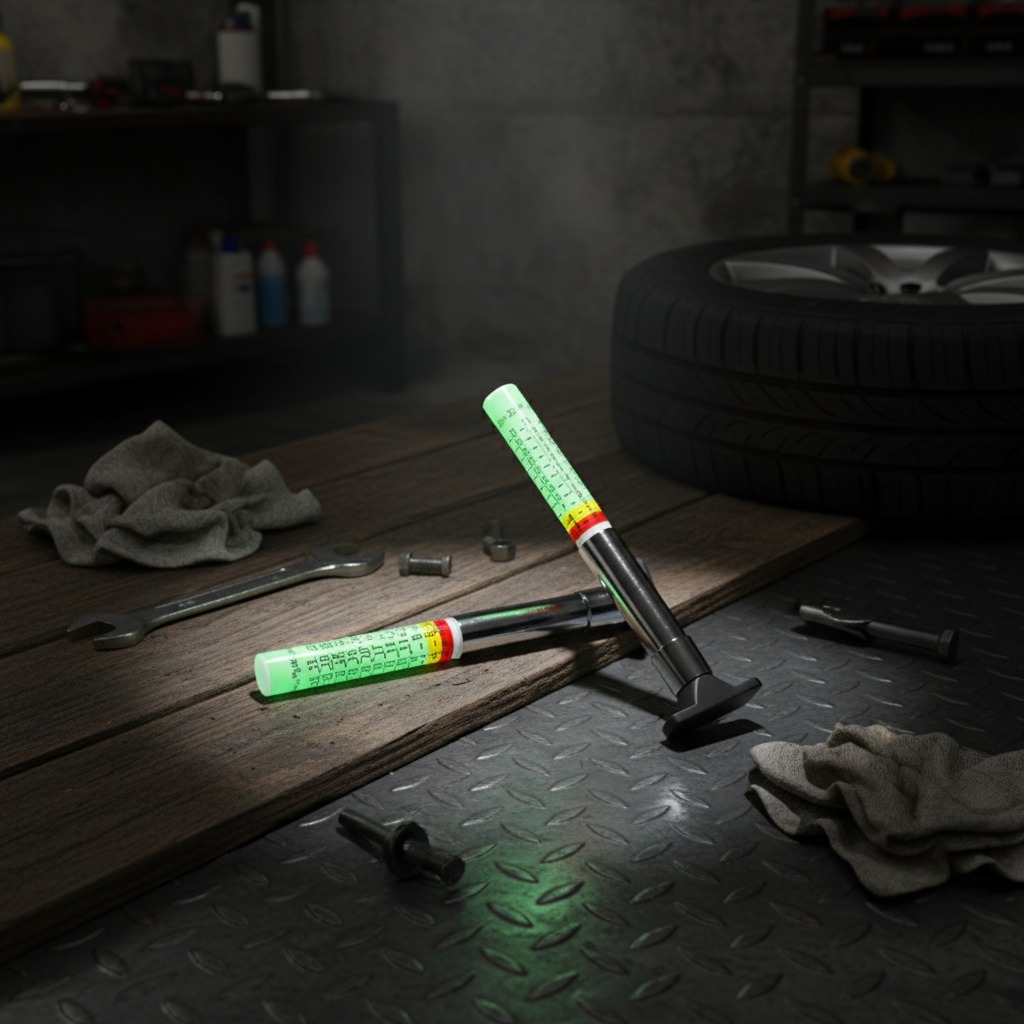
3. Tire Maintenance
4. Brake System Inspection
5. Battery Care
6. Fluid Checks
7. Keep the Car Clean
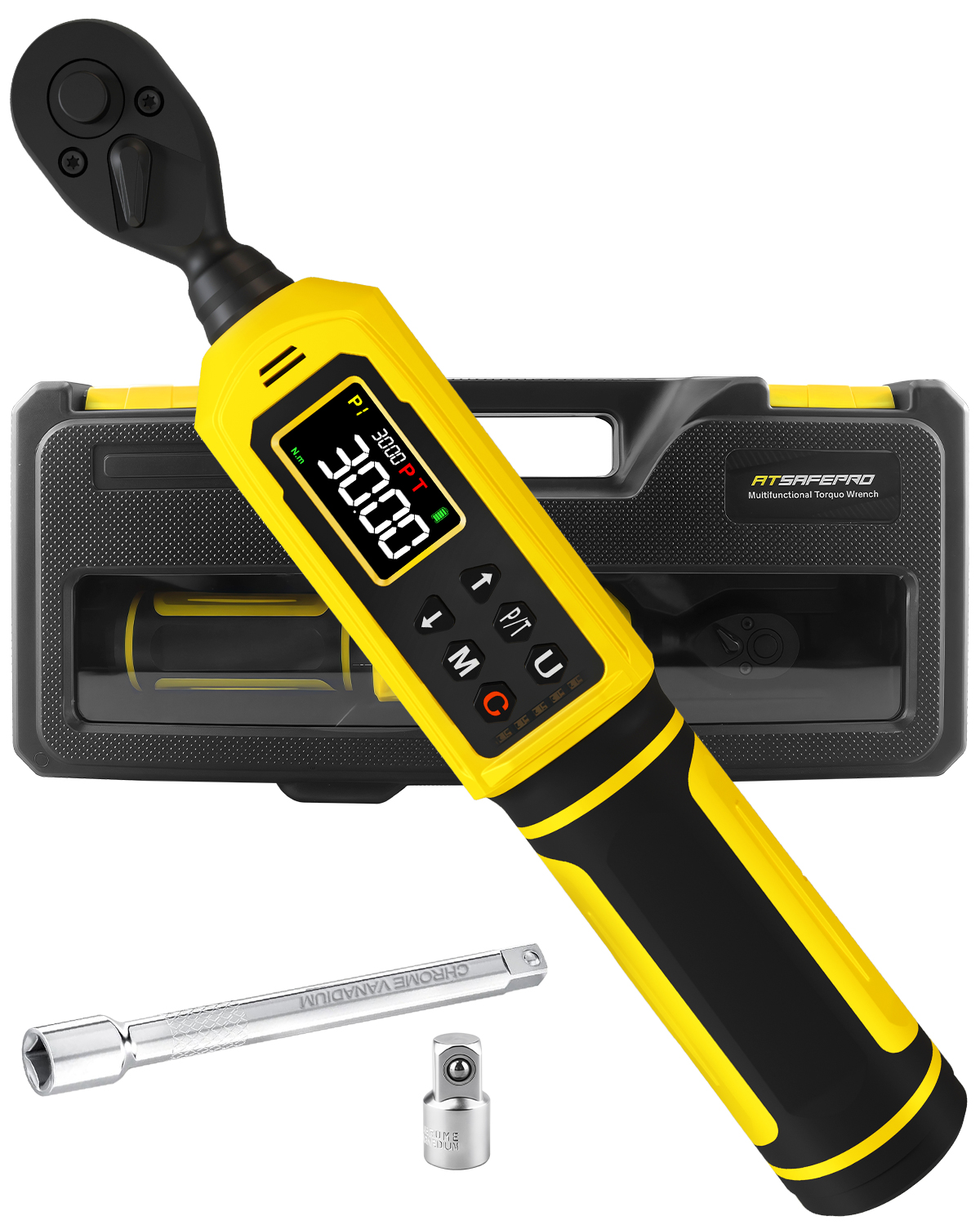
8. Professional Maintenance
9. Drive Responsibly
Special Considerations for Electric Vehicle (EV) Maintenance:
While many basic maintenance tasks apply to both traditional and electric cars, EVs require additional attention to their unique components. Here are key tips for EV owners:
1. Battery Health and Charging Habits:
- **Avoid Extreme Temperatures:** EV batteries perform best in moderate temperatures. Extreme heat or cold can reduce battery efficiency and longevity. Park in shaded areas during hot weather and use preheating or battery保温 features in cold weather.
- **Optimize Charging Patterns:** Avoid fully depleting the battery (deep discharging) or constantly keeping it at 100% charge. Aim to keep the battery between 20% and 80% for daily use to extend its life. Use "slow charging" (Level 1 or 2) whenever possible instead of relying solely on fast charging.
- **Regular Battery Checks:** Have the battery health checked by a professional at least once a year, especially after 3-5 years of use. Monitor the battery's state of charge (SOC) and range regularly.
2. Regenerative Braking System:
- EVs use regenerative braking to recover energy while slowing down. Over time, this system can wear out brake pads and rotors differently than traditional cars. Check the condition of your brakes regularly and ensure the regenerative system is functioning correctly. Avoid aggressive driving to maximize energy recovery.
3. Fluid Checks (Beyond Engine Oil):
- While EVs don’t need engine oil, they still have other fluids to monitor: coolant for the battery and electric motor, windshield washer fluid, and sometimes brake fluid. Check these levels regularly and replace as recommended by the manufacturer.
4. Tire Pressure and Alignment:
- EVs are often heavier due to battery weight. Ensure tires are inflated to the recommended pressure to improve range and efficiency. Misaligned wheels can increase drag and reduce battery life. Check alignment every 6-12 months.
5. Software Updates and Diagnostics:
- EVs rely heavily on software. Keep your car’s software up to date through over-the-air (OTA) updates or visits to the dealer. Regular software updates can improve performance, range, and safety. Monitor the onboard diagnostics system for any error codes.
6. Charging Port Maintenance:
- Keep the charging port clean and dry. Check for damage, debris, or corrosion. Avoid plugging in during rain or snow. Use covers when not in use to protect the port from dirt or moisture.
7. Temperature Management:
- Extreme temperatures can affect battery performance. In hot weather, use preconditioning features to cool the battery before driving. In cold weather, preheat the cabin while the car is plugged in to save battery power during the drive.
8. Professional EV-Certified Maintenance:
- Schedule regular inspections with a technician trained in EV systems. They can check the battery cooling system, high-voltage components, and electrical connections. Ensure the service center has the necessary equipment and expertise to work on EVs.
9. Drive Efficiently:
- Use eco-driving modes if available. Smooth acceleration and deceleration (utilizing regenerative braking) can significantly improve energy efficiency and range. Avoid high-speed driving, which consumes more electricity.
Conclusion:
Proper maintenance is crucial for all cars, but EV owners must focus on battery care, charging habits, and unique EV systems like regenerative braking. By following these specific tips and staying vigilant about software updates and professional inspections, you can maximize your EV’s range, battery life, and safety. Remember to consult your vehicle’s manual for manufacturer-specific recommendations. A well-maintained EV is not only cost-effective but also eco-friendly in the long run!
Stay tuned for more automotive tips and subscribe for updates!
-- Your Auto Enthusiast
---
Key Highlights for EV Owners:
- Battery Care: Avoid extremes, optimize charging levels.
- Regenerative Braking: Monitor and maintain the system.
- Software Updates: Keep your EV’s brain up to date.
- Professional Expertise: Seek EV-certified technicians.
Let us know if you have any EV-related questions in the comments below!