
Maintaining your vehicle is a responsibility that directly impacts your safety, your wallet, and the lifespan of your car. While many tasks require a trip to the mechanic, one of the most crucial and simplest checks can be done right in your own driveway: monitoring your tire pressure. For this essential task, the classic pen tire gauge remains an indispensable tool for drivers everywhere. Its slim, portable design and straightforward operation make it a must-have item in any glove compartment, providing a quick and reliable way to ensure your tires are properly inflated for the road ahead.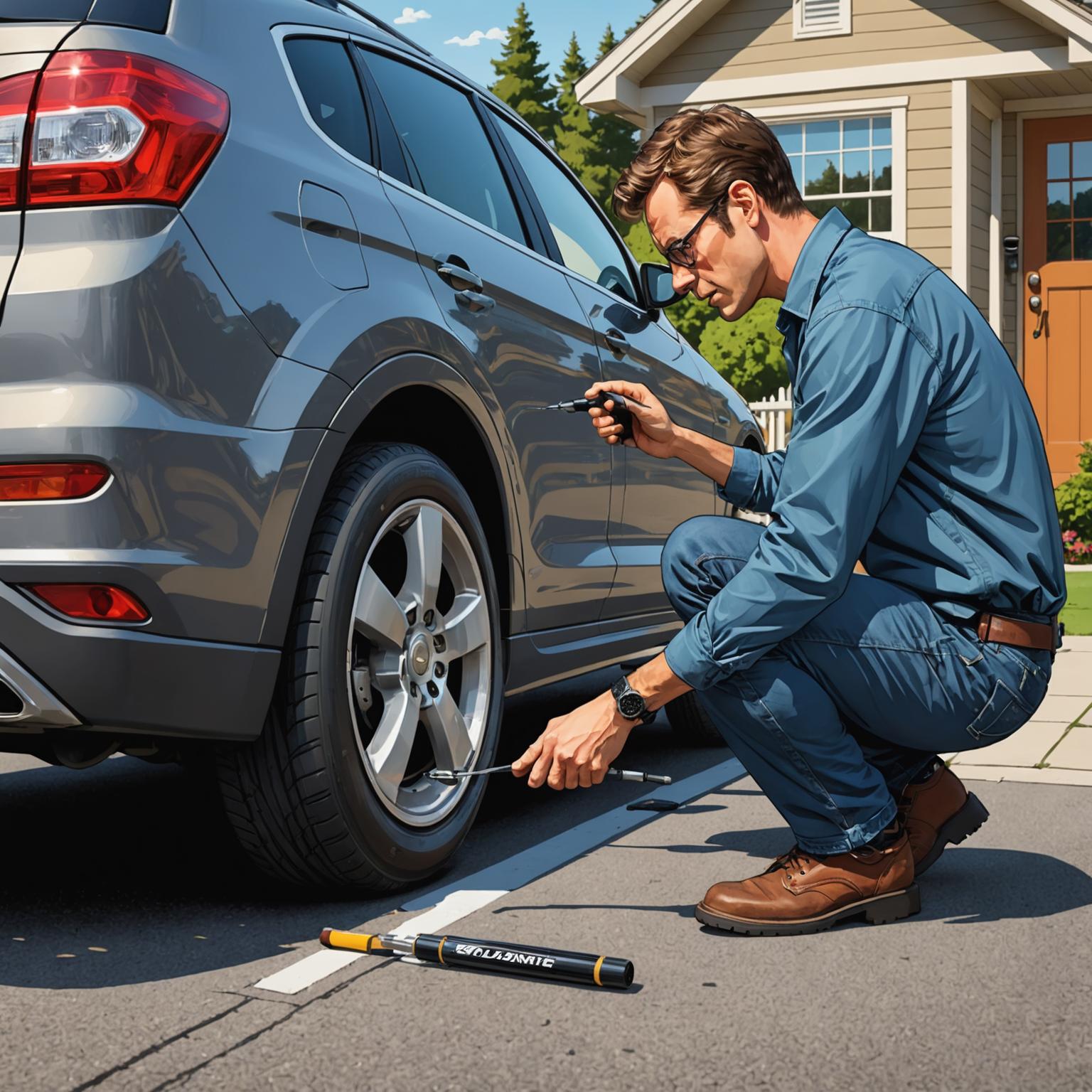
Understanding the Classic Pen Tire Gauge
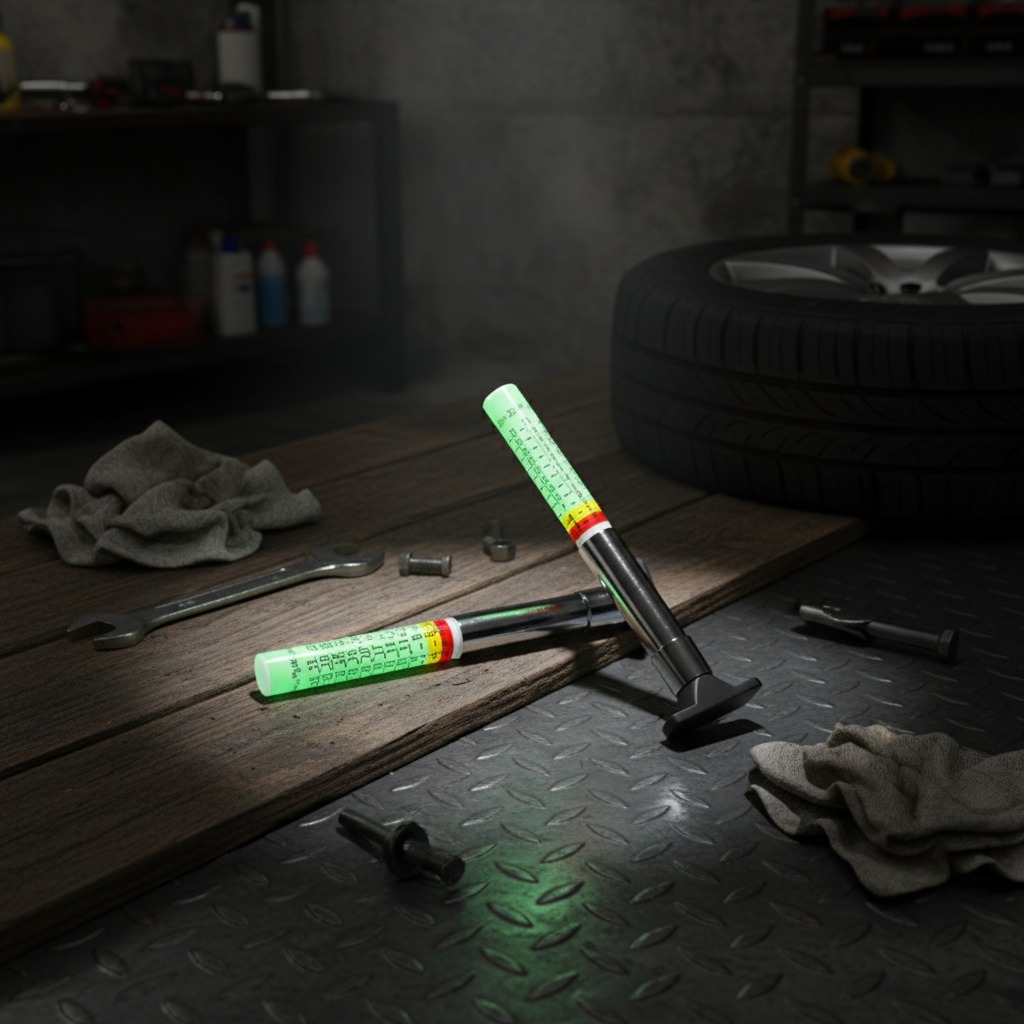
The beauty of the pen-style gauge lies in its simplicity and durability. As a type of mechanical tire gauge, it operates without any batteries or complex digital screens. When you press it onto the tire's valve stem, the escaping air pushes a small, calibrated plastic or metal rod out from the opposite end. The measurement markings on this rod indicate the pressure in pounds per square inch (PSI). This straightforward mechanism means there are fewer points of failure compared to more complex devices. They are incredibly affordable, lightweight, and compact enough to clip into a shirt pocket, making them exceptionally convenient. While they may not offer the backlit, exact decimal point readings of a digital counterpart, a quality pen gauge is remarkably accurate and will provide years of dependable service when cared for properly. Its reliability is its greatest strength; it will work in extreme cold or heat without the worry of a dead battery leaving you stranded.
A Step-by-Step Guide to Using Your Tire Pressure Gauge
Using a tire pressure gauge is easy, but following the correct procedure ensures you get an accurate reading. First and foremost, you should always check your tire pressure when the tires are "cold." This means the vehicle has been parked for at least three hours or has not been driven for more than a mile. Driving heats up the air inside the tires, causing it to expand and giving you a falsely high pressure reading. Next, locate the recommended PSI for your vehicle. This information is not on the tire sidewall; that number indicates the maximum pressure the tire can hold. Instead, find the manufacturer's recommendation on a sticker inside the driver's side door jamb, in the glove box, or in your vehicle's owner's manual. Once you have this number, unscrew the cap from one tire's valve stem and press the gauge firmly and evenly onto the stem. You will hear a brief hiss of air. Remove the gauge, and the internal measuring rod will display the pressure. Compare this reading to the manufacturer's recommendation and add or release air as needed. Repeat this process for all four tires, and don't forget to check the spare, which is often neglected.
Pen Gauge vs. Digital and Other Mechanical Gauges
When choosing a gauge, it's helpful to understand the alternatives. The most common alternative today is the digital tire gauge. These devices offer a clear, easy-to-read LCD screen, often with a backlight for use in low-light conditions, and provide a precise reading, sometimes to a tenth of a PSI. However, they require batteries to operate and can be more susceptible to damage from being dropped or exposed to moisture. Another option is the dial-style mechanical tire gauge, which features a round, clock-like face with a needle that points to the pressure. These are often considered a middle ground, offering the battery-free reliability of a mechanical device with a larger, more easily readable display than a pen gauge. However, they are significantly bulkier. The choice ultimately comes down to preference. For those who value ultimate simplicity, low cost, and foolproof reliability, the pen tire gauge is an unbeatable option. For those who prefer a high-tech feel and crystal-clear readability, a digital model might be more suitable.
The Critical Importance of Maintaining Correct Tire Pressure
Why is checking your tires so important? The reasons fall into three critical categories: safety, economy, and longevity. From a safety perspective, underinflated tires can flex excessively, leading to overheating and a potential blowout, which can be catastrophic at high speeds. Improper pressure also negatively affects your vehicle's handling, cornering, and braking distance. Economically, properly inflated tires have lower rolling resistance, which means your engine doesn't have to work as hard to move the car. According to the U.S. Department of Energy, keeping your tires properly inflated can improve your gas mileage by up to 3%. Over the course of a year, that adds up to significant savings. Finally, maintaining the correct pressure ensures your tires wear evenly, maximizing their lifespan. Underinflation causes wear on the outer edges of the tread, while overinflation causes wear down the center. A simple, inexpensive tool can save you from replacing a set of expensive tires prematurely.
Choosing the Right Tool for the Job
In a world of increasingly complex automotive technology, the humble pen tire gauge stands as a testament to simple, effective design. It empowers every vehicle owner to perform one of the most fundamental safety checks without any special training or expensive equipment. Whether you opt for this timeless classic, a modern digital tire gauge, or a robust dial gauge, the most important thing is to have one and use it regularly. Making a monthly tire pressure check a part of your routine is a small investment of time that pays huge dividends in safety, fuel savings, and extending the life of your tires. It is one of the smartest and most cost-effective habits any driver can adopt.