
The Simple, Reliable Tool Every Driver Needs
Maintaining the correct tire pressure is one of the most critical, yet often overlooked, aspects of vehicle safety and performance. Properly inflated tires ensure optimal handling, braking, and stability on the road. They also play a significant role in maximizing fuel efficiency and extending the life of your tires. While there are many high-tech gadgets available today, the classic pen tire pressure gauge remains a staple in glove compartments around the world for its simplicity, reliability, and affordability. This small but mighty tool empowers every driver to perform essential safety checks quickly and easily, without the need for batteries or complicated instructions, making it a truly indispensable piece of automotive equipment.
Why Choose an Analog Tire Pressure Gauge?
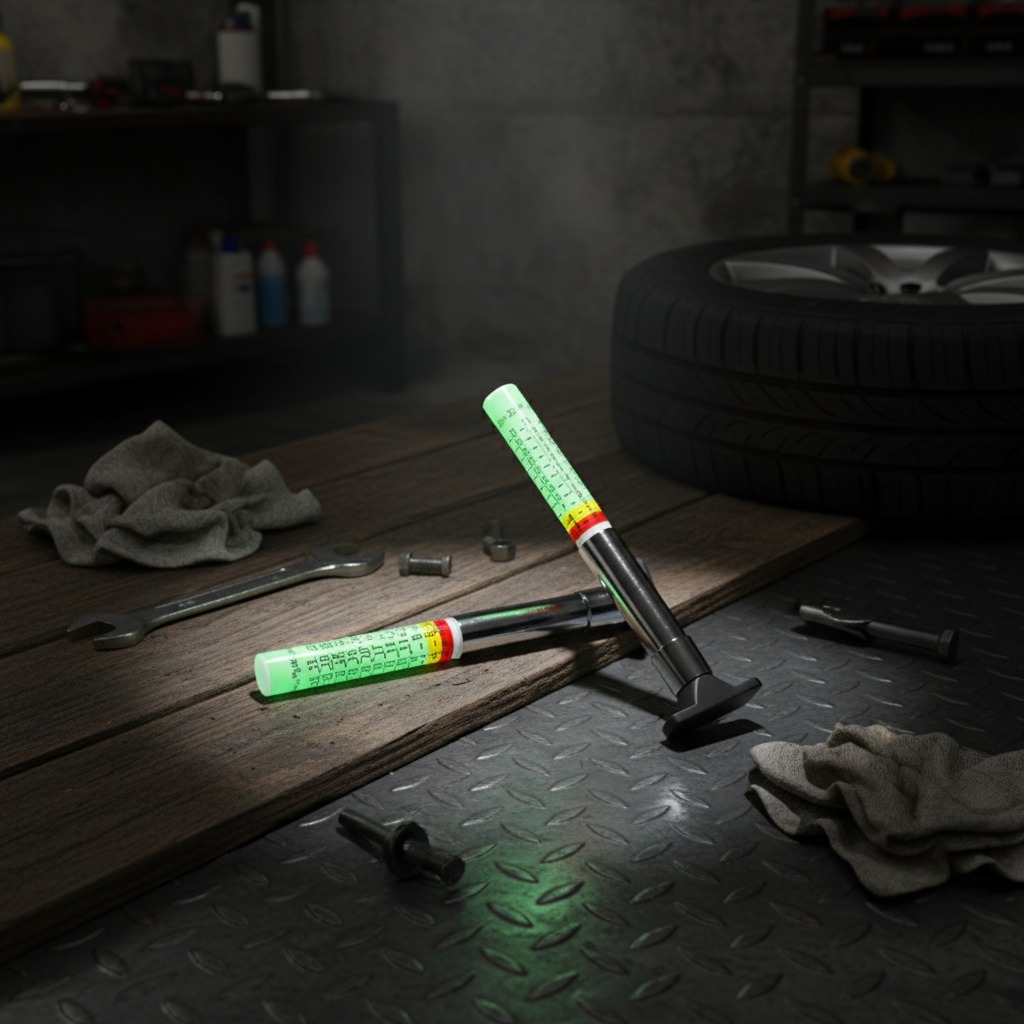
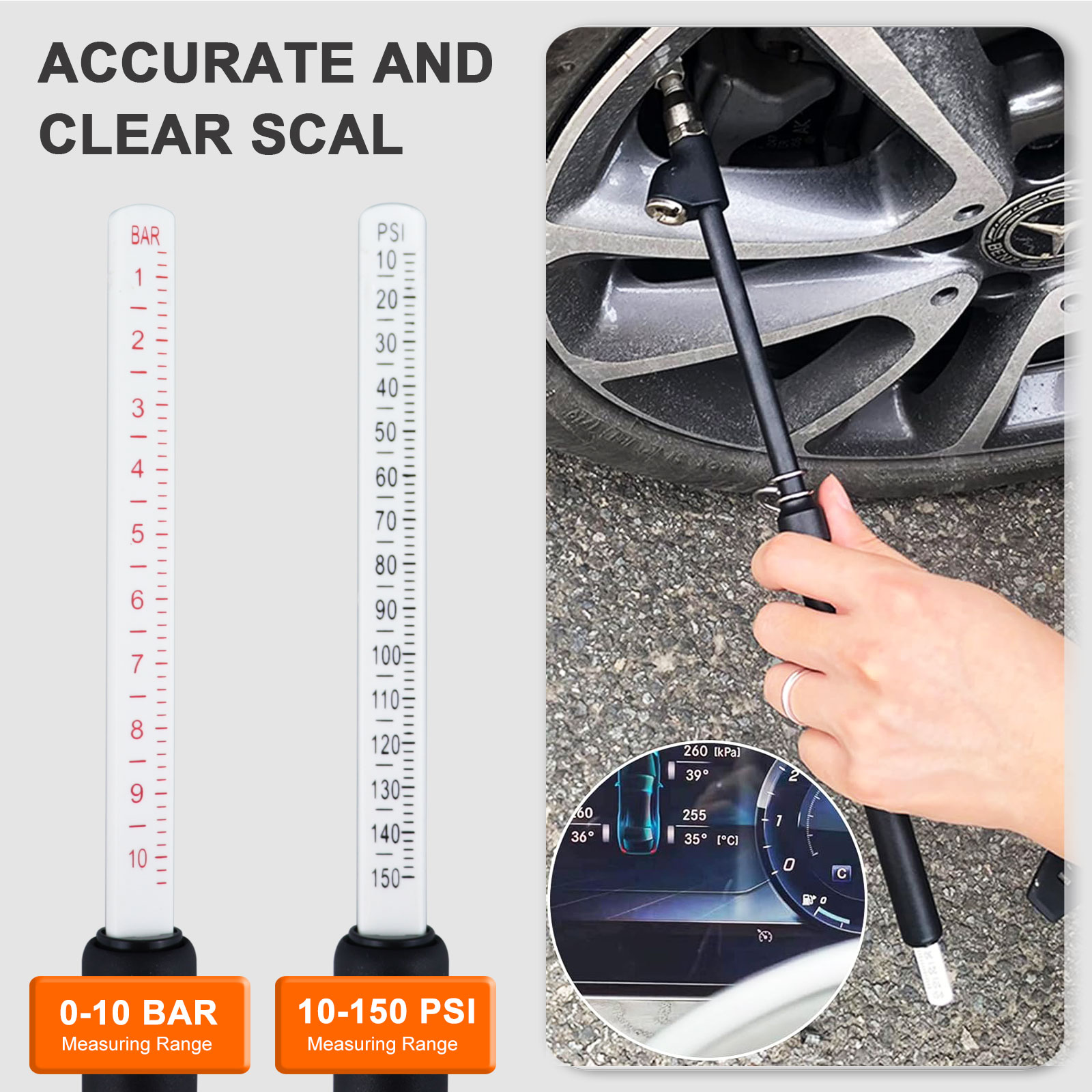
In an age dominated by digital displays and electronic devices, the enduring popularity of the analog tire pressure gauge is a testament to its brilliant design. Unlike its digital counterparts, an analog gauge operates on a simple mechanical principle, meaning it requires no batteries to function. This eliminates the risk of being caught with a dead device when you need it most. Its straightforward construction makes it incredibly durable and resistant to the extreme temperatures often found inside a vehicle. The reading is instantaneous and easy to interpret from the calibrated rod that slides out. This form of tire pressure gauge offers a tactile and direct connection to your vehicle's health, providing a clear and unambiguous measurement every time. Its dependability is its greatest strength, offering peace of mind that more complex devices sometimes cannot.
The Unmatched Convenience of a Portable Tire Pressure Gauge
The defining feature of the pen-style gauge is its incredible portability. True to its name, it is roughly the size of a writing pen, complete with a pocket clip for easy storage. This compact design means it takes up virtually no space, fitting comfortably in a glove box, center console, door pocket, or even a motorcycle's tool kit. The value of this convenience cannot be overstated. A portable tire pressure gauge is always within reach, encouraging more frequent checks. Whether you're about to embark on a long road trip, experiencing a sudden drop in temperature that can affect tire pressure, or simply performing your monthly vehicle maintenance, having the tool readily available makes the process effortless. This accessibility ensures that monitoring your tire pressure becomes a consistent habit rather than a chore.
Mastering Your Tire Pressure Tools: A Step-by-Step Guide
Using a pen-style gauge is incredibly simple, but following the correct procedure ensures an accurate reading. These are essential tire pressure tools for any vehicle owner. First, it is crucial to check the pressure when the tires are "cold," meaning the vehicle has been parked for at least three hours or has not been driven for more than a mile. Driving heats up the tires, causing the air inside to expand and giving a falsely high reading. Next, locate your vehicle's recommended tire pressure, which is found on a sticker inside the driver's side door jamb, not on the tire's sidewall. The number on the sidewall is the maximum pressure the tire can hold, not the recommended operating pressure. Once you have this information, unscrew the plastic cap from the tire's valve stem. Press the open end of the gauge firmly and squarely onto the valve stem. You will hear a brief hiss of escaping air as the gauge's internal pin depresses the valve. Hold it for a second and then pull it straight off. The calibrated inner bar will have popped out; the number visible at the base is your tire's pressure in pounds per square inch (PSI). Always check all four tires, as their pressures can vary, and don't forget to check the spare tire as well.
Ensuring Accuracy and Longevity
While a pen tire pressure gauge is a robust tool, a few simple practices will ensure it remains accurate and functional for years. The most important rule is to avoid dropping it. A significant impact can knock the internal mechanism out of calibration, leading to inaccurate readings. It's also wise to keep the gauge clean and free of dirt or debris, which could interfere with its operation. Store it in a protected place like the glove compartment to prevent damage. Although these gauges are highly reliable, it can be a good practice to occasionally compare its reading to a known, high-quality gauge at a trusted tire shop to verify its accuracy. If you find a significant discrepancy, these tools are inexpensive enough to be replaced easily, ensuring you always have a reliable measurement device on hand for this critical safety check.
The Essential Tool for Every Driver
Ultimately, regular monitoring of your tire pressure is a non-negotiable aspect of responsible car ownership. It directly impacts your safety, your vehicle's performance, and your wallet. While there are many different types of tire pressure tools available, the humble pen tire pressure gauge offers an unbeatable combination of affordability, portability, and dead-simple reliability. It requires no power, has no screen to break, and is intuitive enough for any driver to use confidently. Investing a few dollars in this timeless device and using it regularly is one of the easiest and most effective ways to ensure every journey is a safe one. It's more than just a tool; it's a small piece of essential safety equipment that belongs in every vehicle.