
Over 20 years of experience in manufacturing tire gauges & automotive tools.

The Humble Tire Valve Cap: Small Part, Big Role

  • Product Guide
Posted by GODESON On Sep 01 2025

## What Is a Tire Valve Cap?

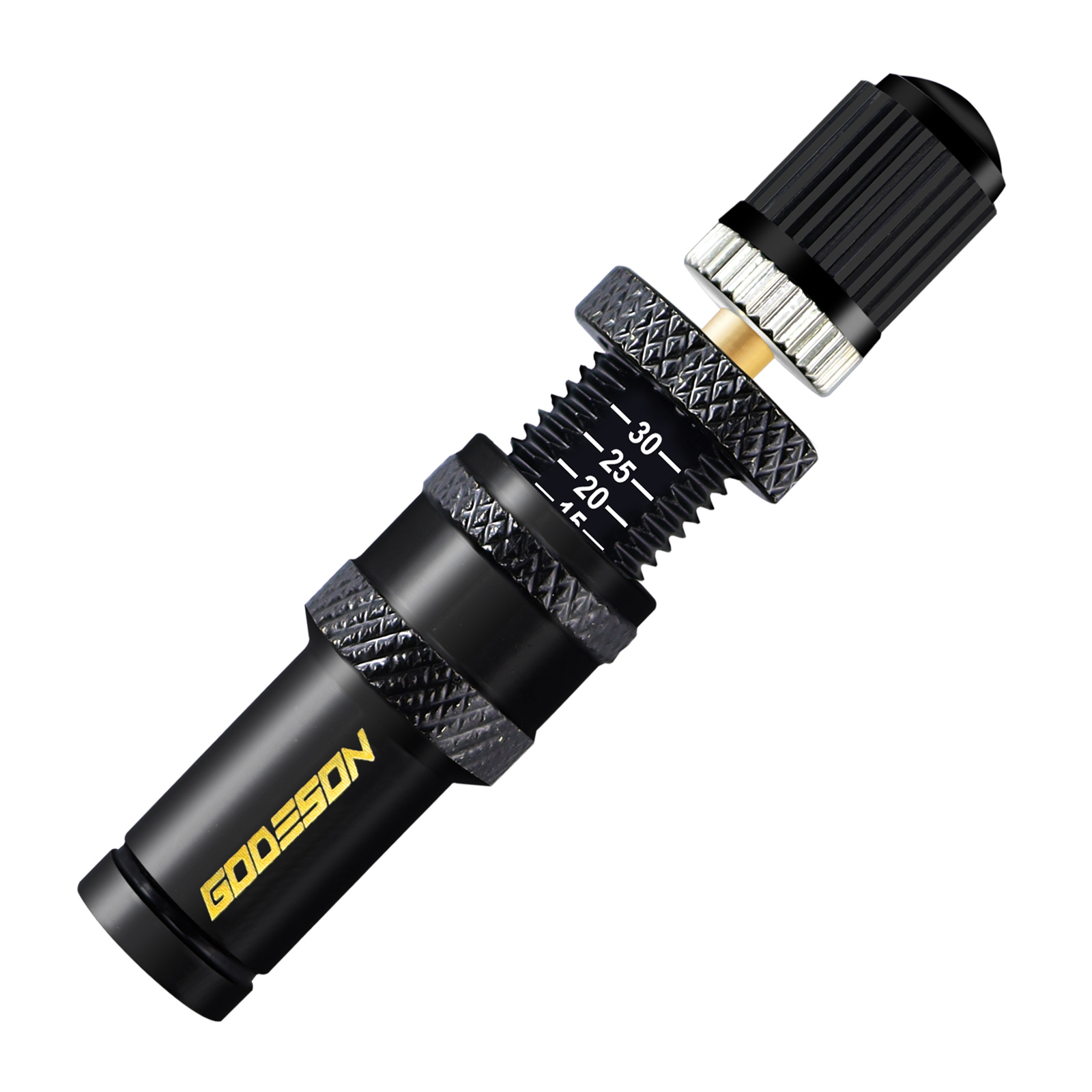
A tire valve cap is a small protective cover installed on the tire valve stem, usually made of plastic, rubber, or metal. Its primary function is to protect the valve core from dust, moisture, and debris.

## Key Functions of Valve Caps

1. **Dust and Dirt Protection** – Prevents debris from clogging the valve core
2. **Moisture and Water Resistance** – Blocks water ingress, preventing internal rust
3. **Additional Sealing** – Some caps have rubber gaskets for extra sealing
4. **Aesthetic Appeal** – Many car owners choose customized caps for a personal touch
5. **Prevents Slow Leaks** – High-quality caps minimize gradual air loss

## Types of Valve Caps

### By Material
- **Plastic Valve Caps** – Most common, affordable but less durable
- **Metal Valve Caps** – More durable, premium look (aluminum, stainless steel, etc.)
- **Rubber Valve Caps** – Less common, used in specific environments

### By Function
- **Standard Valve Caps** – Basic protective function
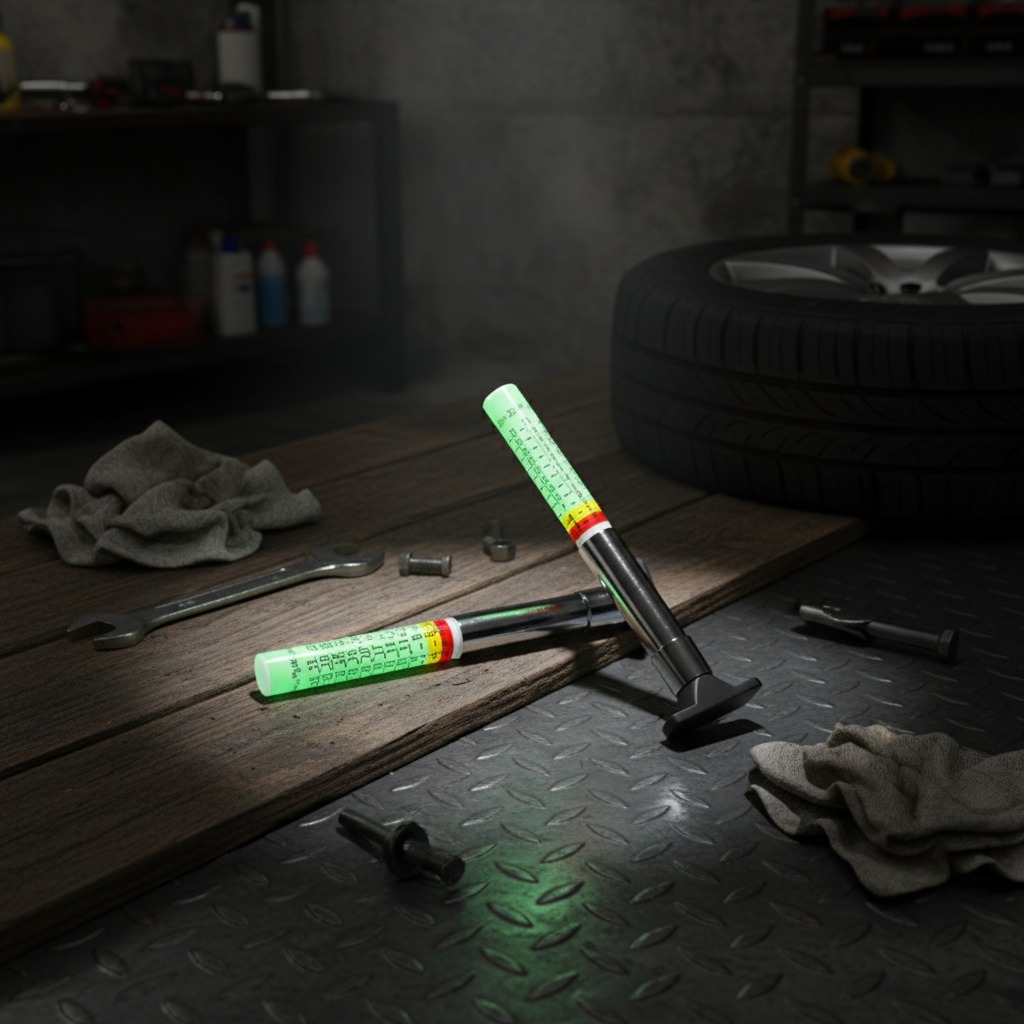
- **Pressure-Indicating Caps** – Show tire pressure status (via color changes)
- **Locking Valve Caps** – Require a special tool for removal (anti-theft)

## How to Choose the Right Valve Cap?

1. **Material Choice** – Plastic for daily use, metal for durability
2. **Size Compatibility** – Ensure it fits your vehicle’s valve stem
3. **Climate Considerations** – Avoid metal in freezing climates (may get stuck)
4. **Special Needs** – Opt for pressure-indicating caps if monitoring is required
5. **Aesthetic Preference** – Many choose caps that match their car’s color or style

## Maintenance and Replacement

- **Regular Inspection** – Check during car washes or tire checks
- **Cleaning** – Wipe with a soft cloth, avoid corrosive cleaners
- **Replacement Timing** – Replace if cracked, deformed, or missing
- **Proper Installation** – Hand-tighten only; over-tightening may cause damage

## Frequently Asked Questions

**Q: What happens if I lose a valve cap?**
A: It may lead to valve core contamination, slow leaks, and long-term valve damage.

**Q: Can metal valve caps freeze in place?**
A: Yes, in extreme cold—plastic is recommended for winter.

**Q: Do valve caps need regular replacement?**
A: No fixed schedule, but inspect annually and replace if damaged.

**Q: Can I DIY a valve cap?**
A: Not recommended—proper caps are designed for sealing and durability.

## Conclusion

Though the tire valve cap is one of the smallest parts on a car, it has a significant impact on long-term tire health. Spending just a few dollars on a quality cap and performing regular checks can prevent bigger issues down the road. Next time you inspect your tires, don’t forget to give this little part some attention!

Do you pay attention to your tire valve caps? Share your experiences and thoughts in the comments!

Featured Blogs

Tag:

  • Hot Products
Share On
Featured Blogs
Beginner’s Guide to Airing Down Tires Off-Road: When, Why, and How Low to Go

Beginner’s Guide to Airing Down Tires Off-Road: When, Why, and How Low to Go

Beginner’s Guide to Airing Down Tires Off-Road: When, Why, and How Low to Go 1. What Is Airing Down? 2. Why Airing Down Works: Better Traction & Comfort 3. When Should You Air Down? 4. How Low Should You Go? PSI Guide by Terrain 5. How to Air Down: Step-by-Step 6. The Most Important Step: Airing Back Up 7. Common Mistakes to Avoid 8. Essential Gear for Airing Down

Essential Tire Protection Tips to Extend Tire Life and Ensure Safety

Essential Tire Protection Tips to Extend Tire Life and Ensure Safety

The Critical Role of Tires: Why Protection Matters Maintain Proper Tire Pressure: The Foundation of Tire Care Rotate Tires Regularly to Ensure Even Wear Align Wheels and Avoid Overloading: Additional Protection Tips

Discover the Versatility of Digital Torque Wrench

Discover the Versatility of Digital Torque Wrench

1. Understanding the Electronic Torque Wrench Advantage 2. The Importance of Torque Wrench Calibration 3. Exploring Torque Wrench Reviews for Informed Choices 4. Why Choose a Torque Wrench for Automotive Applications 5. Enhancing Your Toolkit with Advanced Features 6. Practical Tips for Using Your Digital Torque Wrench

How to Choose the Best 1/4" Torque Wrench Set for Bike Maintenance & DIY

How to Choose the Best 1/4" Torque Wrench Set for Bike Maintenance & DIY

Discover the ideal 1/4" torque wrench set for precise bicycle maintenance and DIY repairs. ATSAFEPRO shares expert insights on ±3% accuracy, durable design, and all-in-one kit benefits.

How to Use a Tire Inflator Gauge: A Complete Guide for Safe & Accurate Tire Maintenance

How to Use a Tire Inflator Gauge: A Complete Guide for Safe & Accurate Tire Maintenance

How to Use a Tire Inflator Gauge: A Complete Guide for Safe & Accurate Tire Maintenance 1. Why Proper Tire Pressure Matters (And Why You Need a Gauge) 2. Understanding Tire Pressure: Key Terms & Ranges 3. Types of Tire Inflator Gauges: Which One Should You Choose? 4. How to Choose the Right Tire Inflator 5. Preparing to Use Your Tire Inflator 6. Step-by-Step: How to Use a Tire Inflator Gauge 7. Tips for Maintaining Proper Tire Pressure 8. Maintaining Your Tire Inflator 9. Troubleshooting Common Issues 10. Conclusion: Make Tire Maintenance a Habit

Master Tire Care with Dual Head Pressure Gauge

Master Tire Care with Dual Head Pressure Gauge

1. Discover the Ultimate Dual Head Tire Pressure Gauge 2. Why Choose a Dual Head Tire Pressure Gauge? 3. Exploring the Features of the Dual Head Tire Gauge 4. Benefits of Using a Tire Pressure Gauge for Optimal Performance 5. Comparing Analog Tire Pressure Gauges: Why Dual Head Wins 6. Tips for Using Your Dual Head Tire Gauge Effectively