
Wrenches are fundamental hand tools that play a vital role in a multitude of industries and daily life applications. They are designed to transmit torque, allowing users to turn or hold objects, primarily nuts and bolts.
The history of wrenches is a fascinating journey through time. Ancient civilizations crafted simple wrenches from iron or bronze. These early tools were often custom - made for specific tasks in blacksmithing or construction, but they were far from the versatile tools we know today. The Industrial Revolution was a turning point in wrench evolution. The invention of the adjustable wrench in 1835 by Solymon Merrick revolutionized the way mechanics worked. This innovation enabled a single tool to fit multiple fastener sizes, significantly increasing efficiency.
There is a vast array of wrench types, each tailored to specific applications. Open - end wrenches, with their U - shaped openings, are ideal for quick access to fasteners in tight spaces. However, they require careful handling to prevent slippage. Box - end wrenches, with their closed - ring design, provide a more secure grip, reducing the risk of damaging the fastener. Combination wrenches combine the features of open - end and box - end wrenches, offering versatility in one tool. Adjustable wrenches, with their movable jaws, are extremely useful when dealing with a variety of fastener sizes, making them a favorite in home toolboxes.
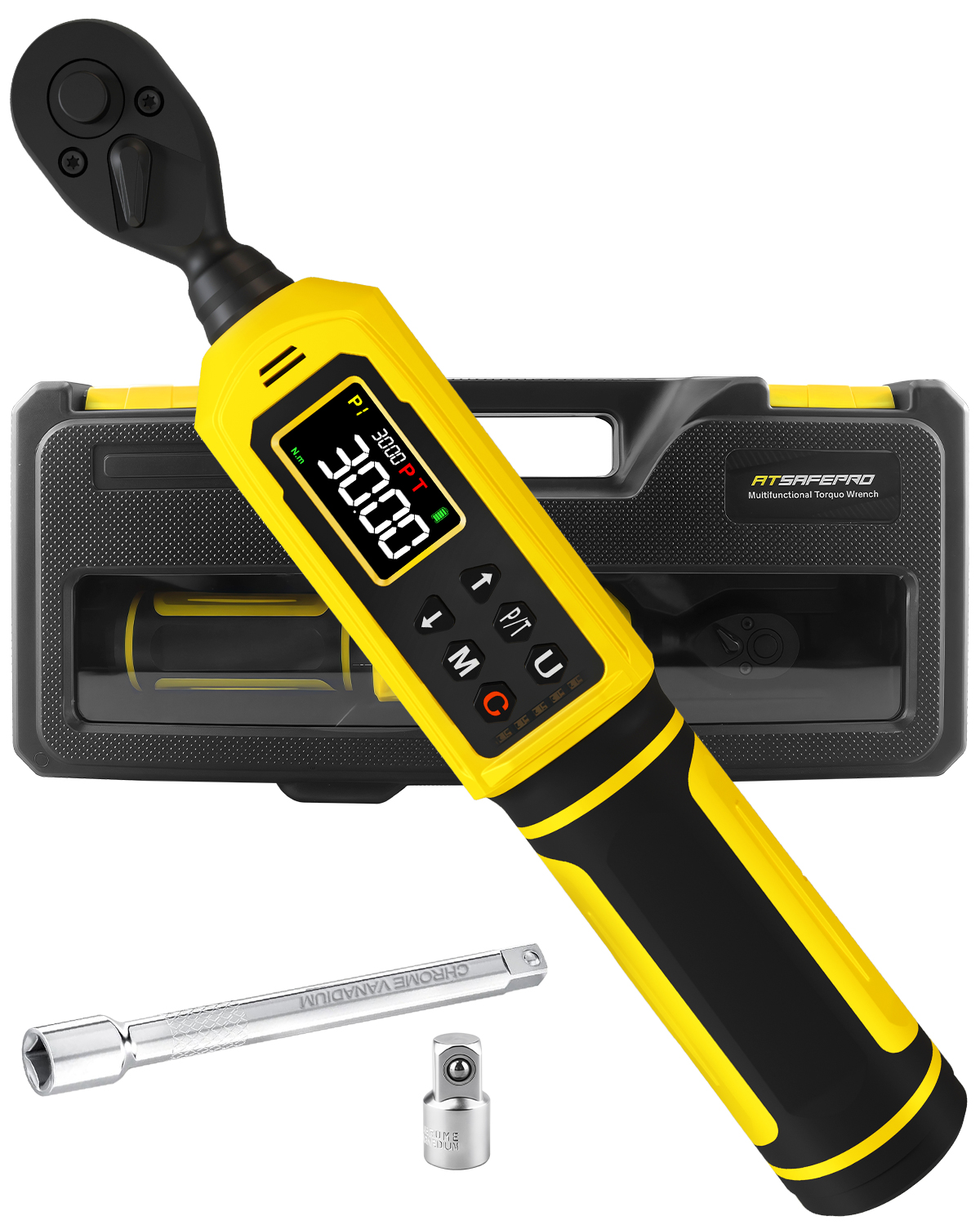
Socket wrenches are another important type. They consist of detachable sockets that fit over nuts and bolts, providing a snug fit. These are widely used in automotive repair, as they allow for greater leverage and torque. Torque wrenches are specialized tools that measure and control the amount of torque applied to a fastener. This is crucial in industries like automotive and aerospace, where over - or under - tightening can lead to serious mechanical failures. Pipe wrenches, with their serrated jaws, are designed specifically for gripping and turning pipes, making them essential in plumbing and construction.
The materials used to make wrenches are also crucial to their performance. High - quality wrenches are often made from chromium - vanadium alloy tool steels. These materials offer excellent strength, durability, and resistance to corrosion. They are frequently drop - forged, a manufacturing process that enhances the tool's strength. Chrome - plating is also common, as it not only protects the wrench from rust but also makes it easier to clean.
In conclusion, wrenches are more than just simple hand tools. They are a testament to human ingenuity and the continuous evolution of technology. From their humble beginnings to the highly specialized tools of today, wrenches continue to be an essential part of our lives, enabling us to build, repair, and maintain the world around us.