
The Ultimate Pre-Trip Inspection Checklist for RVs and Travel Trailers: Avoid Roadside Headaches Before You Go
There’s nothing quite like the freedom of hitting the open road with an RV or travel trailer in tow—sunshine ahead, campgrounds waiting, and the flexibility to chase adventure wherever it leads. But for countless outdoor enthusiasts every spring and summer, that dream trip quickly turns into a nightmare: stuck on the highway shoulder with a blown tire, nonfunctional brake lights, a wobbly hitch, or a sudden system failure. The worst part? Nearly every single one of these frustrating, costly, and even dangerous breakdowns is 100% preventable with one simple step: a thorough, systematic pre-trip inspection.
You don’t need to be a mechanical expert to complete this check, and it only takes about 30 minutes of your time before every departure—whether you’re heading out for a quick weekend getaway or a cross-country road trip. From compact teardrop trailers to spacious fifth wheels, this comprehensive checklist covers every critical component, ensuring your rig is safe, road-ready, and reliable from start to finish. Skip this step, and you’re risking costly emergency repairs, missed travel plans, and even serious safety hazards on the road. Let’s dive into the only pre-trip inspection guide you’ll ever need.
1. Tires: The #1 Most Critical Component (Don’t Skip This)
Trailer and RV tires face far more stress than standard passenger car tires, and they’re the leading cause of preventable roadside breakdowns. They carry heavy, constant loads, often sit unused for months exposed to sun and harsh weather, and don’t benefit from the even wear that car steering and suspension provide. A tire blowout at highway speed can cause catastrophic damage to your trailer’s fenders, frame, wiring, and even lead to loss of control—so this check is non-negotiable.
Tire Pressure: Check Cold, Check Accurately
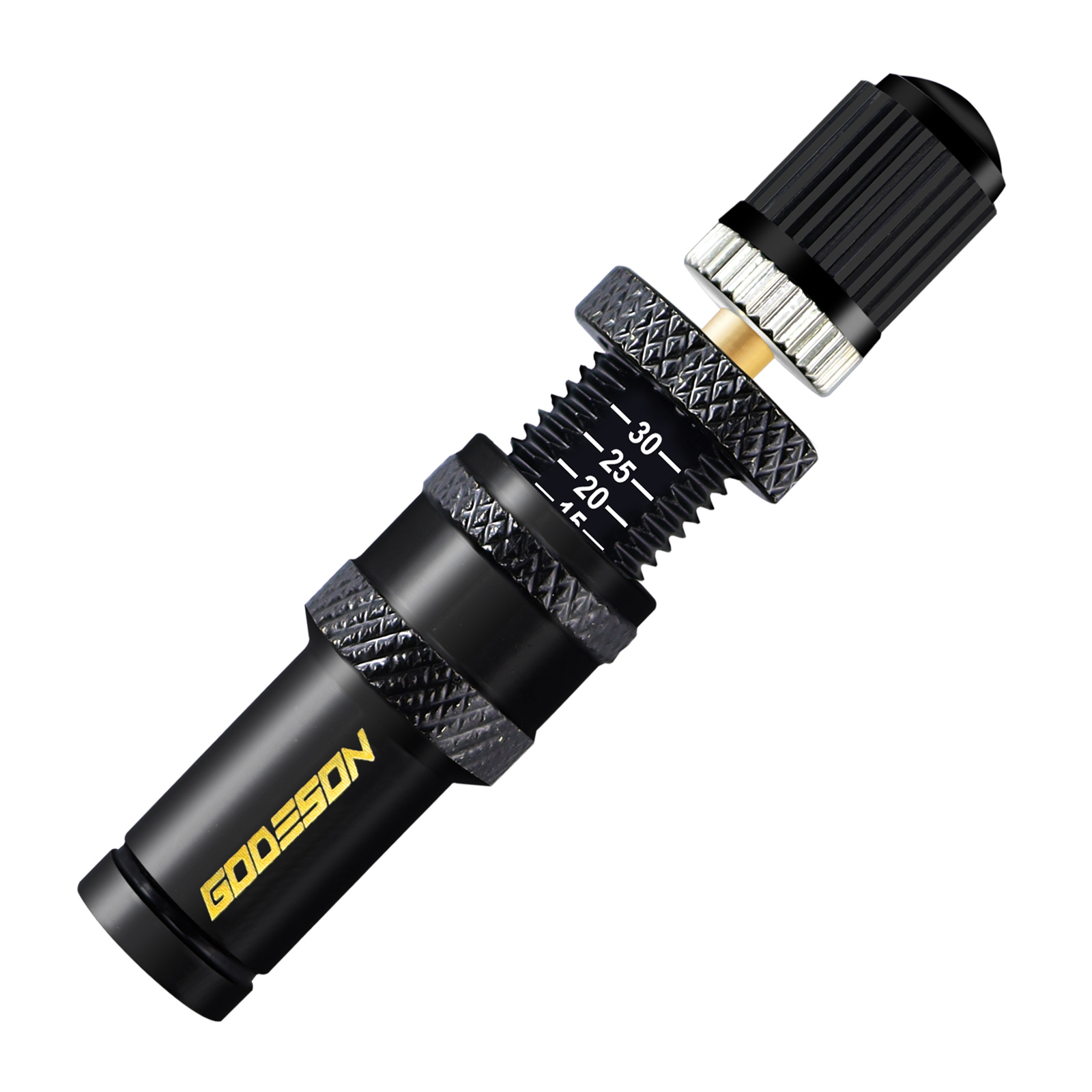
Tire pressure is the single most important detail on this entire list. Underinflation is the top cause of blowouts, as it causes excessive heat buildup that breaks down the tire’s internal structure. Overinflation, meanwhile, reduces traction, creates uneven wear, and makes your rig harder to handle on the road. Always check pressure when tires are **cold**—meaning the rig hasn’t been driven in at least three hours and isn’t sitting in direct sunlight. Use a high-quality, calibrated pressure gauge (avoid cheap, uncalibrated pencil gauges that give inaccurate readings) and check every single tire, including your full-size spare.
Refer to the maximum cold inflation pressure listed on the tire sidewall and your trailer’s door placard for the exact recommended PSI—never guess or go off a generic number.
Tread Condition & Age
Inspect the tread depth and sidewalls carefully for signs of damage: uneven wear patterns (a red flag for overloading, misalignment, or suspension issues), deep cracks, bulges, cuts, or embedded rocks/debris. Even if tread looks good, replace trailer tires every 5 to 6 years regardless of use—rubber compounds degrade over time from UV rays, ozone, and temperature changes, making them prone to sudden failure even if they look fine.
Lug Nuts & Wheel Stability
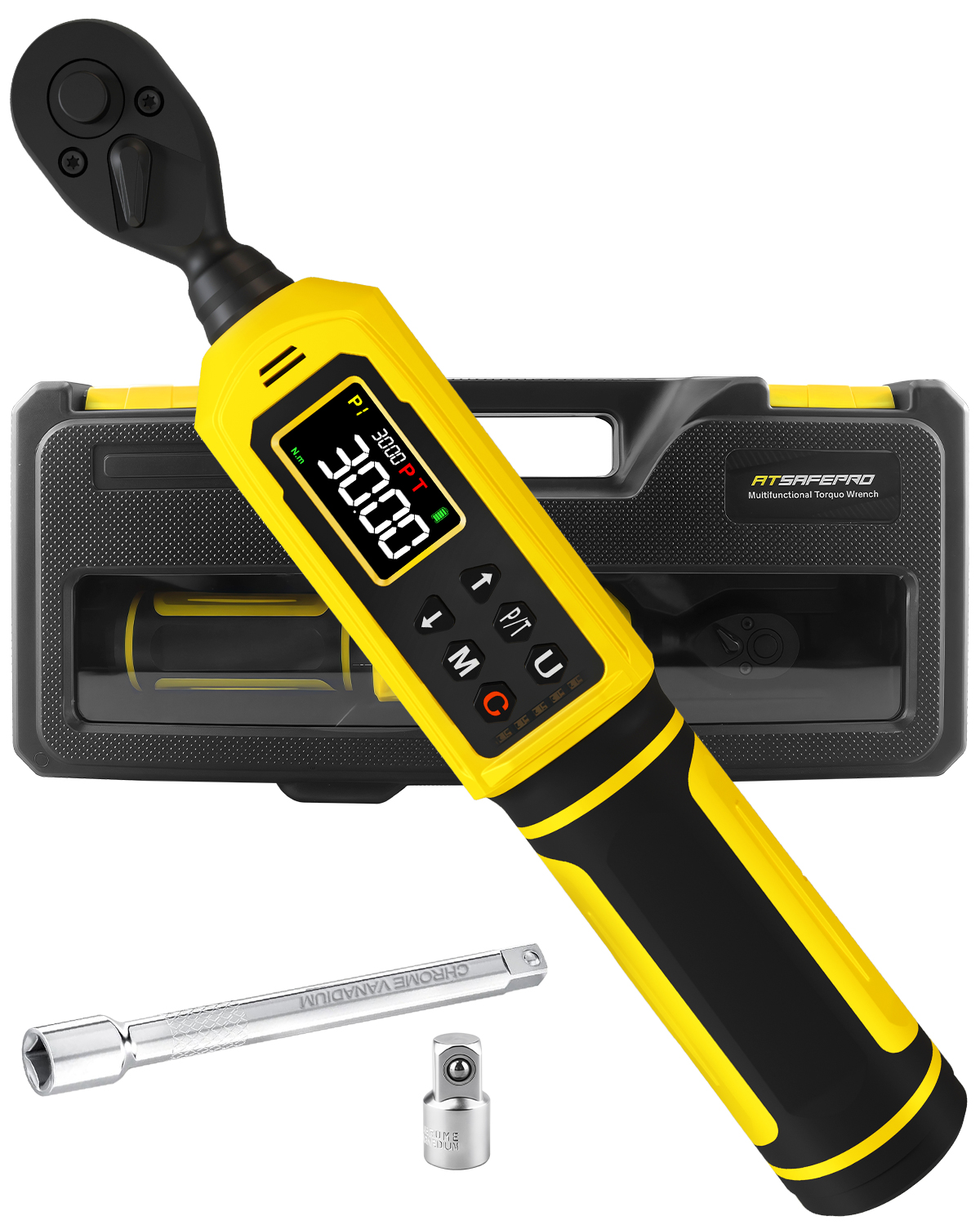
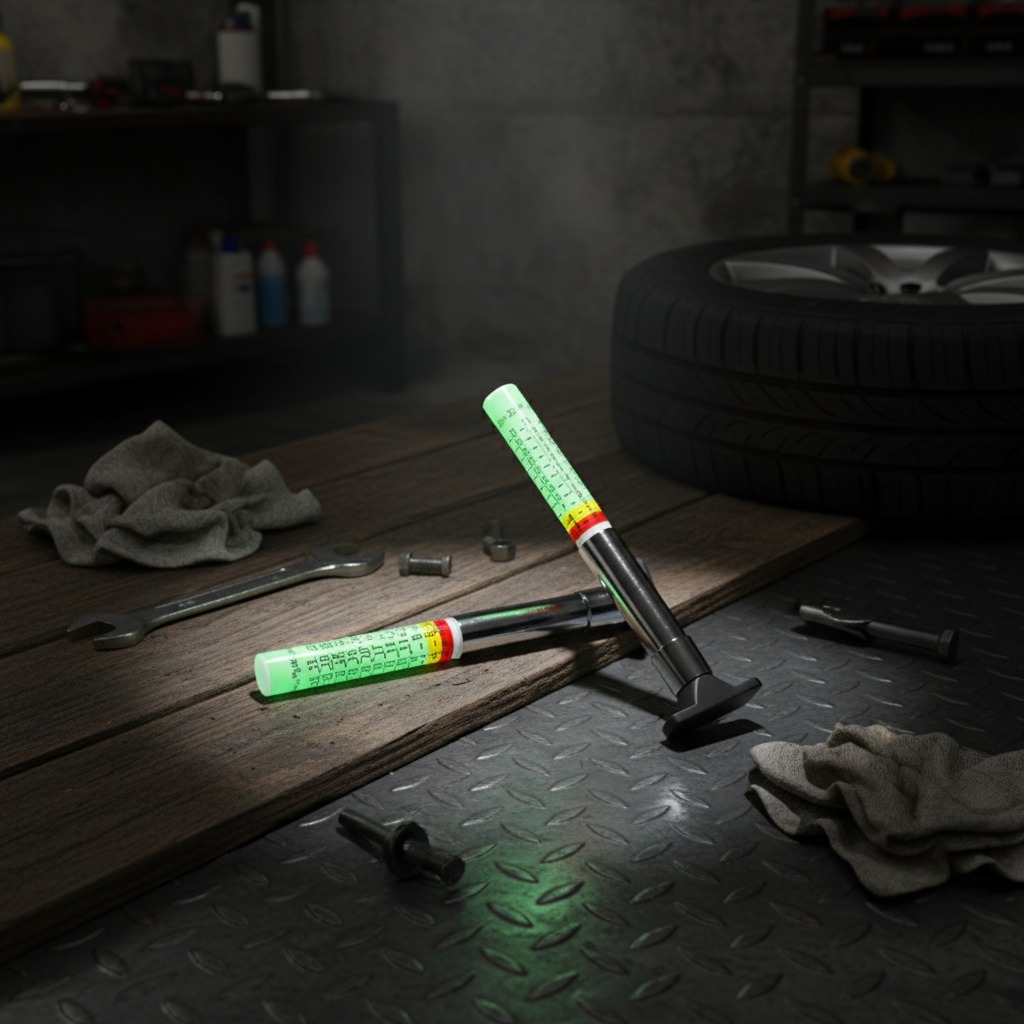
Loose lug nuts are a common and dangerous issue, especially after a tire change, rotation, or the first few miles of a trip. Use a torque wrench to tighten every lug nut to the manufacturer’s specified torque setting, and make a point to re-torque them after your first 50 to 100 miles on the road. Double-check that wheels are securely seated and there’s no wobble when you gently tug the tire side to side.
2. Hitch & Coupler: Secure Your Most Important Connection
Your hitch system is the only link between your tow vehicle and your trailer—if this fails, the consequences are devastating. A quick visual check isn’t enough; take the time to inspect every part methodically to ensure a tight, safe connection.
-
Coupler: Confirm it’s fully seated on the hitch ball, the latch is closed and securely locked (use a safety pin if your coupler has one), and give it a firm upward tug—there should be zero movement or separation from the ball.
-
Safety Chains: Cross the chains in an X shape underneath the coupler (this prevents the coupler from hitting the ground if it disconnects) and adjust slack: enough to make tight turns without binding, but not so much that they drag on the pavement. Ensure hooks are facing inward to avoid bouncing loose during travel.
-
Breakaway Cable: Attach the cable directly to your tow vehicle’s frame (not the hitch itself) and route it so it won’t snag or pull loose during turns. This cable activates the trailer’s brakes automatically if the coupler disconnects, a critical safety feature.
-
Hitch Ball Match: Double-check that your hitch ball size perfectly matches the coupler size—mismatched sizes are a top cause of trailer separation and are completely avoidable.
-
Weight Distribution Setup: If you use a weight distribution hitch, verify the spring bars are properly tensioned and your tow vehicle sits level (not nose-high or sagging in the rear), which prevents sway and improves handling.
3. Lights & Electrical: Stay Visible and Legal
Burned-out or nonfunctional trailer lights are one of the most common reasons drivers get pulled over and ticketed, and they drastically increase your risk of a rear-end collision, especially at dusk, night, or in bad weather. Grab a partner to help you test every light function—don’t rely on a quick glance from the driver’s seat.
-
Brake lights (both sides and center high-mount light if equipped)
-
Left and right turn signals (front and rear)
-
Running lights, marker lights, and clearance lights along the sides and top of the rig
-
Reverse lights (if your trailer has them)
-
License plate light (an easy detail to forget, but a mandatory one for legal travel)
After testing lights, inspect the wiring harness and 7-pin/4-pin connector for corrosion, bent pins, frayed wires, or loose connections. A small amount of dielectric grease on the connector will prevent moisture buildup and fix most intermittent electrical issues mid-trip.
4. Brakes: Reliable Stopping Power for Every Terrain
Trailer brakes work overtime, especially on steep downhill stretches, and they’re often overlooked until it’s too late. Weak or nonfunctional brakes put extra strain on your tow vehicle’s brakes and can lead to complete brake failure on mountain roads. Test your brakes thoroughly in your driveway before hitting the road.
Electric Brakes
Test your brake controller first: use the manual activation button at low speed in your driveway to confirm you can feel the trailer brakes engage. Pull the breakaway switch pin to verify the brakes lock up immediately—this test ensures the emergency brake system works when you need it most.
Surge Brakes
Check the master cylinder fluid level and inspect the actuator for cracks or damage. Ensure the slide mechanism on the coupler moves freely without sticking or binding.
General Brake Maintenance
If you can safely access the brake pads or shoes without removing the drum, check for excessive wear and replace them if they’re thin. Lubricate wheel bearings properly with high-quality bearing grease—dry, seized bearings are a leading cause of wheel separation, and this quick lubrication step prevents major failures. Plan to inspect or replace brakes every 12,000 miles or once a year, whichever comes first.
5. Cargo & Load Security: Prevent Sway and Shifting
Proper loading isn’t just about fitting your gear—it’s about keeping your rig stable and avoiding dangerous trailer sway, which is a top cause of RV and trailer accidents. Loose cargo can shift mid-turn or during sudden stops, throwing off your center of gravity and making the rig impossible to control.
-
Weight Distribution: Aim for 60% of your cargo weight in the front half of the trailer (ahead of the axles) to maintain proper tongue weight. Tongue weight should be 10-15% of your total loaded trailer weight—too little causes dangerous sway, and too much overloads your tow vehicle’s rear axle.
-
Secure All Cargo: Strap down, brace, or lock every item inside the trailer—no exceptions. Heavy items should go low and centered to keep the center of gravity stable. Use heavy-duty, weight-rated tie-down straps for large gear, and block loose items to prevent sliding.
-
Exterior Gear Check: Double-check roof racks, bike carriers, kayak mounts, and other exterior accessories. Highway wind resistance puts massive stress on mounting points, so tighten all bolts and ensure nothing is loose or wobbly.
6. Living Systems Check: For RVs and Trailers with Amenities
If your trailer or RV has a living space with water, propane, or slide-out features, these systems need a quick check to avoid leaks, malfunctions, or safety hazards at your campsite.
-
Fresh Water System: Fill the tank if you’re heading to a campground without hookups, and check the fill port, water pump, and all connections for leaks. Turn on the pump briefly to ensure it runs smoothly.
-
Water Heater: If the rig has been sitting unused, drain and flush the water heater to remove sediment, and check the anode rod for corrosion (replace it if worn down).
-
Propane System: Check propane tank levels, and test all connections for leaks using a simple soap-and-water solution (bubbles mean a leak—tighten connections or replace parts before traveling). Confirm the propane regulator is functional and not expired.
-
Slide-Outs: Extend and retract each slide-out fully to test for grinding, binding, or uneven movement. Check the rubber seals for cracks or gaps, and lubricate the slide mechanism per the manufacturer’s instructions.
-
Awning: Ensure the awning retracts fully and locks in place, and inspect the hardware for corrosion or bent parts that could fail while driving.
7. Pack an Emergency Kit: Prepare for the Unexpected
Even with a perfect pre-trip inspection, unexpected issues can pop up on the road. A well-stocked emergency kit tailored to your RV or trailer will turn a minor hiccup into a quick fix, not a ruined trip. Stock your kit with:
-
Portable air compressor for on-the-go tire inflation
-
Calibrated tire pressure gauge
-
Matching lug wrench and torque wrench
-
Properly inflated full-size spare tire and a jack rated for your trailer’s weight
-
Wheel chocks to stabilize the rig during repairs
-
Basic tool kit (wrenches, screwdrivers, pliers, electrical tape, wire connectors)
-
Spare fuses for lights and brake systems
-
Wheel bearing grease and basic repair parts for longer trips
Make Pre-Trip Inspections a Non-Negotiable Habit
The best pre-trip inspection is the one you actually do—every single time, not just the first trip of the season. Print this checklist, laminate it, and keep it in your tow vehicle or garage where you’ll see it before every departure. Those 30 minutes of careful checking are a tiny investment that saves you hours of roadside frustration, hundreds of dollars in emergency repairs, and keeps you and your passengers safe on every adventure.
Your RV or travel trailer is built for freedom and fun, not breakdowns. Treat it with regular care, stick to this checklist, and you’ll spend your days enjoying campfires, scenic views, and unforgettable road trips—not stuck on the side of the highway waiting for a tow. Safe travels!