
The Essential Guide to Your Vehicle's Unsung Hero
Proper vehicle maintenance is often associated with complex tasks like oil changes and engine checks, but one of the most critical, yet simplest, safety checks you can perform involves your tires. Ensuring your tires are correctly inflated is paramount for safety, fuel economy, and tire longevity. The single most important tool for this job is a reliable tire pressure gauge. This small, inexpensive device can save you money and, more importantly, could prevent a serious accident. Understanding how to use it and why it’s so vital is a fundamental skill for every driver. Regular checks are the key to a safer and more efficient ride, and it all starts with this handy tool.
Why Correct Tire Pressure is Non-Negotiable
Many drivers underestimate the profound impact that tire pressure has on a vehicle's performance and safety. When tires are under-inflated, the tire’s sidewalls flex more than they were designed to, which generates excessive heat. This heat buildup can lead to premature wear, tread separation, and even a catastrophic blowout. Under-inflation also increases rolling resistance, forcing your engine to work harder and burn more fuel, directly impacting your wallet. Handling is also compromised, as soft tires can feel mushy and unresponsive during turns or emergency maneuvers. Conversely, over-inflation is equally problematic. An over-inflated tire has a smaller contact patch with the road, reducing traction and braking effectiveness. The ride becomes harsh and bumpy, and the tire is more susceptible to damage from potholes. A proper tire pressure gauge for cars allows you to avoid both of these dangerous scenarios by providing an accurate reading, ensuring you can set your pressure to the manufacturer’s precise recommendation for optimal performance.
Choosing the Right Tool: Types of Gauges
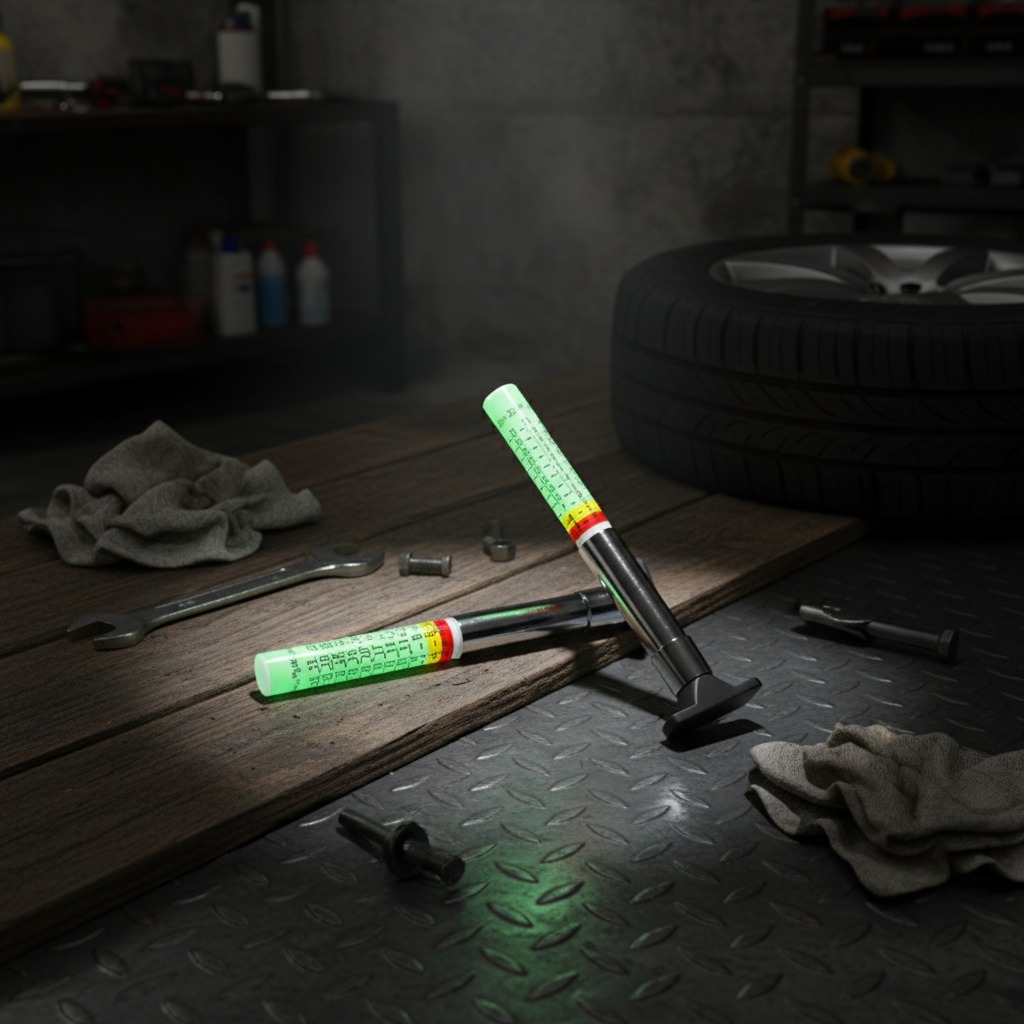
When you decide to purchase a gauge, you'll find a few different types on the market. The most traditional is the pencil or stick gauge, which is compact and inexpensive. It uses a small, calibrated stick that pops out to indicate the pressure. While convenient, they can sometimes be less accurate and harder to read than other models. The next step up is the dial gauge, which features a round, clock-like face with a needle that points to the pressure reading. These are generally more accurate and easier to read than pencil gauges. For the ultimate in convenience and accuracy, many drivers now opt for a digital portable tire pressure gauge. These electronic devices display the pressure on a clear LCD screen, often to a decimal point, removing any guesswork. Many digital models also come with features like a backlit screen for nighttime use and the ability to switch between different units of measurement (PSI, BAR, kPa). A portable tire pressure gauge is an excellent addition to any car's emergency kit, providing quick and accurate readings whenever you need them.
A Step-by-Step Guide: How to Use a Tire Pressure Gauge
Using a gauge is a straightforward process that anyone can master in minutes. For the most accurate reading, always check your tire pressure when the tires are cold, meaning the car has been parked for at least three hours or has not been driven for more than a mile. First, you need to know the correct pressure for your vehicle. This information is not on the tire’s sidewall; that number is the maximum pressure the tire can hold. The manufacturer's recommended pressure is found on a sticker inside the driver's side door jamb, in the glove box, or in your owner’s manual. Once you know your target PSI, unscrew the plastic cap from one of your tire’s valve stems and set it aside somewhere safe. Press the end of the tire pressure gauge firmly and evenly onto the valve stem. You may hear a brief hiss of air, which is normal. Hold it there for a second or two until you get a stable reading. If you are using a pencil gauge, the stick will pop out; for a dial or digital gauge, the reading will appear on the screen. Compare this reading to the recommended PSI. If the pressure is too high, use the nub on the back of most gauges to press down on the pin inside the valve stem to release air in short bursts. If the pressure is too low, you'll need to use an air compressor to add air. After any adjustment, re-check the pressure. Once it's correct, screw the valve cap back on tightly. Repeat this process for all four tires and don't forget to check your spare, as it's useless in an emergency if it's flat.
Making It a Habit for Long-Term Benefits
Owning a quality tire pressure gauge is only half the battle; the other half is remembering to use it. Experts recommend checking your tire pressure at least once a month and before any long road trips. Temperature fluctuations can significantly affect tire pressure—for every 10-degree drop in ambient temperature, tire pressure can decrease by about one PSI. This makes regular checks even more important as the seasons change. Keep your gauge in an easily accessible place, like your glove compartment, so it’s always on hand. By incorporating this simple, two-minute check into your monthly routine, you actively enhance your vehicle’s safety, improve its fuel efficiency, and extend the life of your tires. It's a small investment of time that pays huge dividends in safety and savings, making it one of the smartest habits any car owner can adopt.