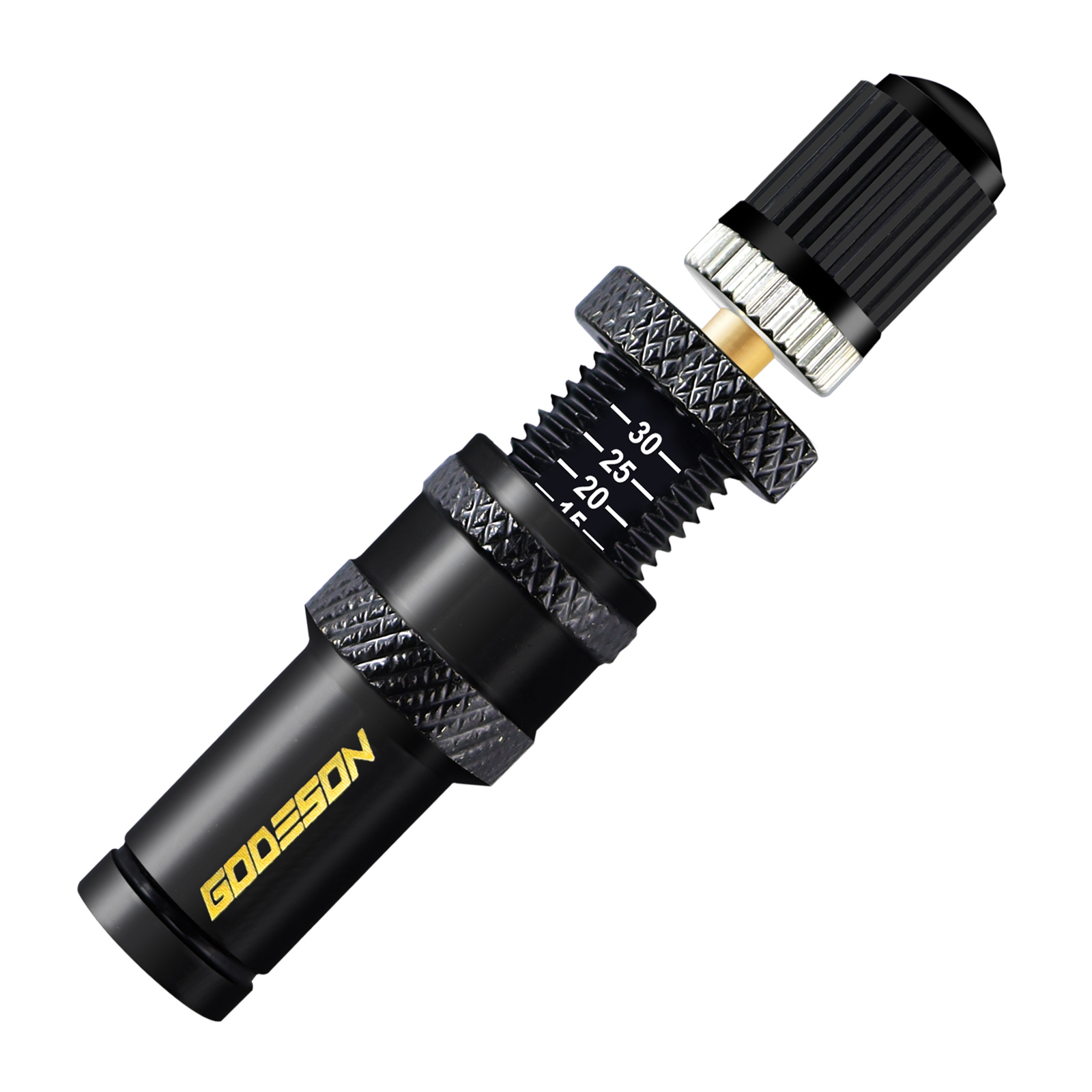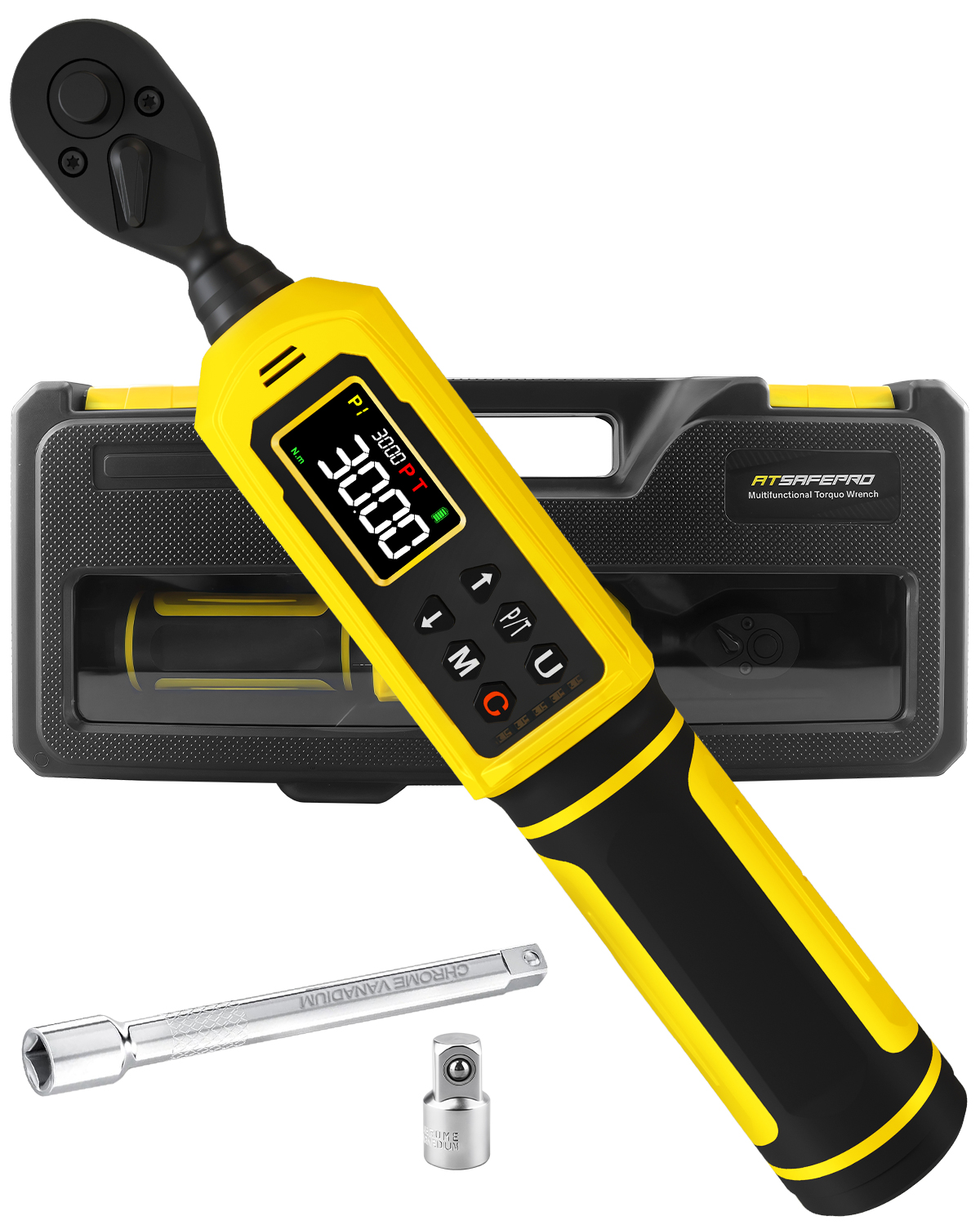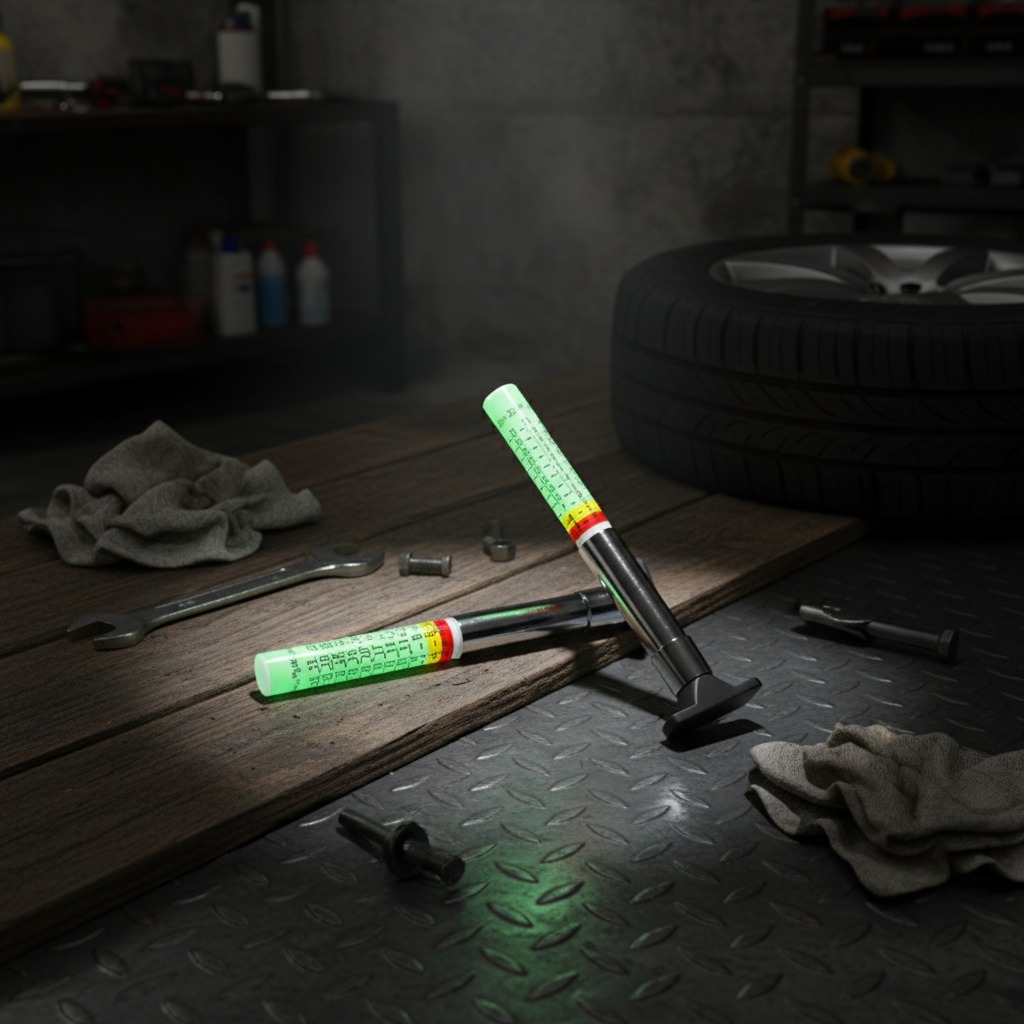

In daily driving, overinflated tires are a common but often overlooked issue. Excessive tire pressure not only affects ride comfort but also reduces traction and increases the risk of blowouts. This is where a simple yet practical tire deflator valve comes in handy. This article will provide a comprehensive guide to this small but incredibly useful tool.
## 1. How Tire Deflator Valves Work
Tire deflator valves temporarily open the tire's valve core by pressing or rotating, allowing excess air to escape. High-quality deflator valves typically feature:
- Precise pressure adjustment capability
- Dust-proof and leak-proof design
- User-friendly mechanical structure
- Integrated pressure gauge (on some premium models)
## 2. Main Types and Features
### 1. Basic Push-button Deflators
- Affordable (¥10-30)
- Simple operation with direct push-button deflation
- Ideal for occasional pressure adjustments
### 2. Professional Deflators with Pressure Gauge
- Mid-range pricing (¥50-200)
- Real-time pressure monitoring during deflation
- Perfect for users requiring precise pressure control
### 3. Electronic Smart Deflators
- Premium products (¥200-500)
- Automatic shutoff at preset target pressure
- Ideal for fleets or professional use
## 3. Usage Tips and Precautions
### Proper Usage Steps:
1. Measure initial pressure with cold tires
2. Press deflator valve slowly (avoid rapid deflation)
3. Check pressure every 0.5psi reduction
4. Stop immediately when target pressure is reached
### Important Notes:
⚠️ Avoid operating on hot tires
⚠️ Always replace valve cap after deflation
⚠️ Regularly check deflator's seal integrity
⚠️ Special techniques required for off-road tire deflation
## 4. Buying Guide
### Key Selection Factors:
1. **Accuracy**: Choose products within ±1psi margin
2. **Material**: Opt for brass or stainless steel
3. **Features**: Select basic or gauge models based on needs
4. **Brand**: More reliable from major manufacturers like Michelin or Goodyear
### Recommended Scenarios:
- Daily commuting: Basic push-button type
- Long-distance trips: Models with pressure gauge
- Off-road modifications: Professional deflation tools
## 5. Special Application Scenarios
### 1. Off-road Driving
- Recommended pressure: 15-20psi for sand
- 18-22psi for rocky terrain
- Requires accompanying inflation equipment
### 2. Winter Pressure Adjustment
- Pressure drops 1psi per 10°C temperature decrease
- Winter recommendation: 3-5psi above standard
### 3. Track Day Adjustments
- Requires precise hot tire pressure control
- Typically needs continuous measurement while deflating
## 6. Maintenance and Care
1. Clean valve body after each use
2. Regularly inspect seal condition
3. Avoid strong impacts or drops
4. Apply silicone grease for long-term storage
## Conclusion: Small Tool, Big Impact
Though compact, tire deflator valves are indispensable for maintaining ideal tire pressure. Whether for daily commutes or off-road adventures, proper tire pressure ensures optimal vehicle performance. We recommend every car owner keep a reliable deflator valve in their vehicle for safer, more fuel-efficient, and more comfortable driving.
**Take Action Now:** Check your onboard tools - if you don't have a deflator valve, now is the perfect time to get one!